IṢẸ́ ỌNÀ
ẸWÀ ÀTI ÌLERA
IṢẸ́ ỌWỌ́
ÀṢÀ ÀTI ÌTÀN
ÌṢERÉ
ÀYÍKÁ
OÚNJẸ ÀTI OHUN MÍMU
REVERSE ENGINEERING
SÁYẸ́ǸSÌ
ERÉ ÌDÁRAYÁ
ÌMỌ̀-Ẹ̀RỌ
ÀWỌN OHUN WÍWỌ̀
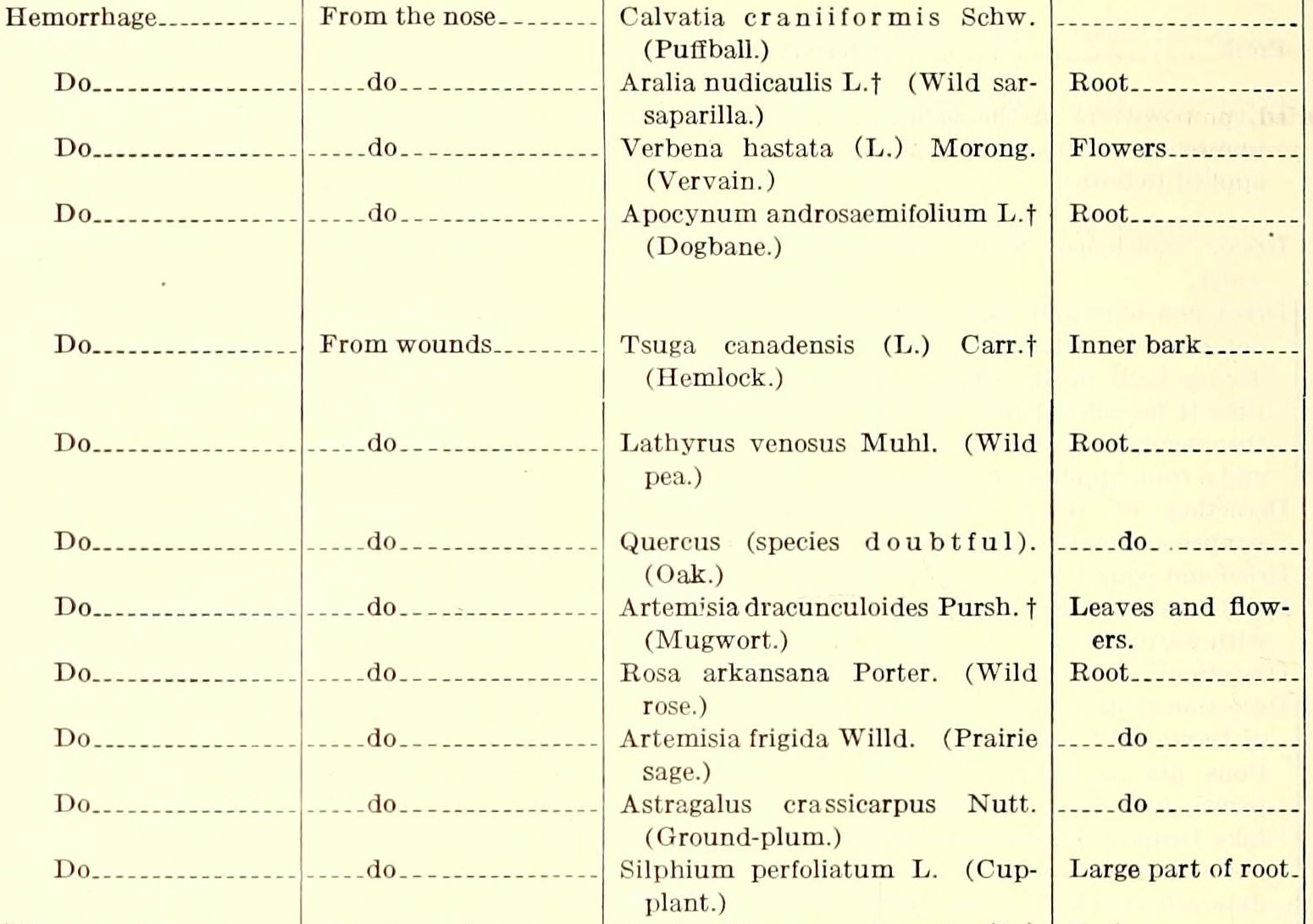


Chippewa Remedies to Stop Bleeding from the Nose and from Wounds: Puffball, Sarsaparilla, Vervain, Hemlock Bark, Wild Pea, Oak, Mugwort, Cup Plant (Densmore, 1928)
Chippewa (Ojibwe) remedies for bleeding recorded by Frances Densmore: the soft inside of a puffball or chewed sarsaparilla root in the nostril, snuffed vervain flowers, dry hemlock bark powder on a wound, wild pea root poultice, chewed oak root after letting a fresh wound bleed a little, chewed mugwort, a four-root decoction with Seneca snakeroot, and a cup plant compress. Recorded use, not medical advice.
Olùbẹ̀rẹ̀
Fifteen minutes, plus drying
Ìlànà
1
1
Read Densmore
Read Densmore
Rows under Hemorrhage, "From the nose" and "From wounds". Recorded use, not medical advice.
2
2
Nosebleed
Nosebleed
"Use soft inner part [of a puffball] to plug the nostril, or apply it externally." Or insert dried, powdered wild sarsaparilla root, or fresh root chewed. Or snuff dried vervain flowers.
Àwọn ohun èlò fún ìgbésẹ̀ yìí:
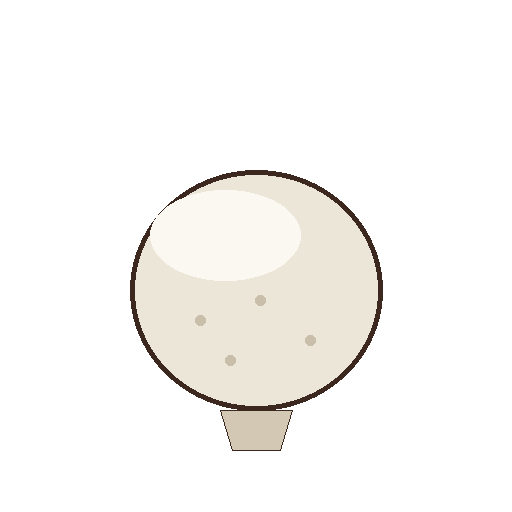 Puffball1 ẹyọ
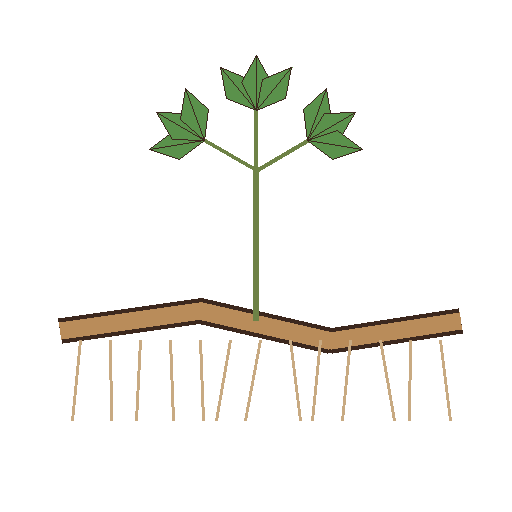 Wild Sarsaparilla Root1 ẹyọ
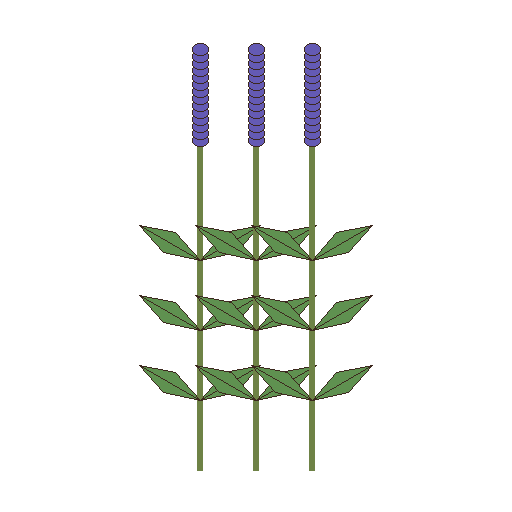 Vervain Flowers1 ẹyọ
Àwọn irinṣẹ́ tí a nílò:
 Ọ̀pá ìwalẹ̀
 Ọ̀bẹ
 Àká Ìgbẹ
 Odó àti Ọmọ Odó Òkúta
3
3
Hemlock bark powder
Hemlock bark powder
"Pulverized and applied dry" on the wound. It was also used in many combinations.
Àwọn ohun èlò fún ìgbésẹ̀ yìí:
 Hemlock Inner Bark1 ẹyọ
Àwọn irinṣẹ́ tí a nílò:
 Àáké kékeréỌ̀bẹÀká ÌgbẹOdó àti Ọmọ Odó Òkúta
4
4
Wild pea and oak root
Wild pea and oak root
Boil wild pea root and use it as a poultice; a decoction was also drunk, said to act as an emetic "if blood from a wound had accumulated inside patient." Oak root: fresh root chewed, or a poultice of dried root. "For a fresh wound, let it bleed a little before applying poultice."
Àwọn ohun èlò fún ìgbésẹ̀ yìí:
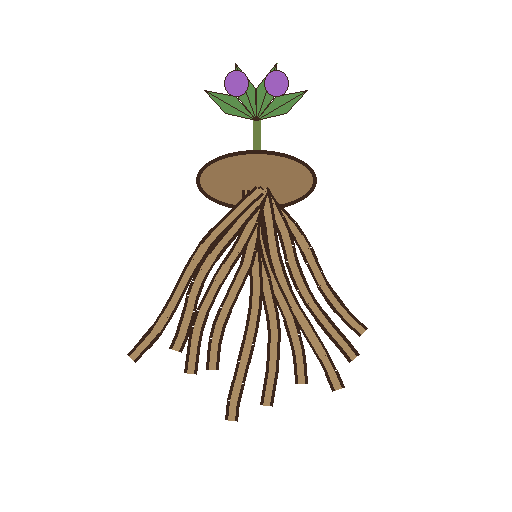 Wild Pea Root1 ẹyọ
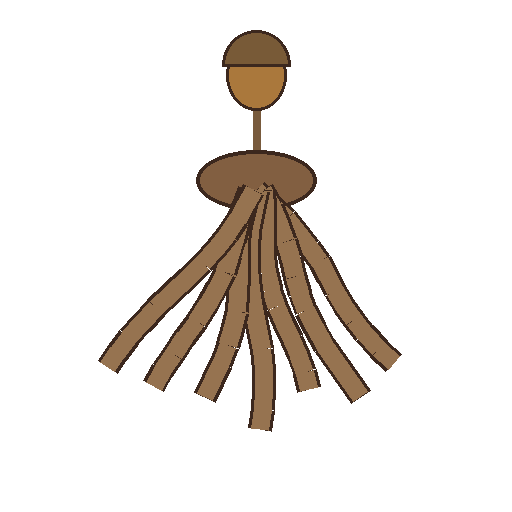 Oak Root1 ẹyọ
 Omi1 ẹyọ
 Gáàsì òwú1 ẹyọ
Àwọn irinṣẹ́ tí a nílò:
Ọ̀pá ìwalẹ̀Àáké kékeré Ìkòkò amọ̀
 Ihò ináÀká ÌgbẹOdó àti Ọmọ Odó Òkúta
5
5
Mugwort and the four roots
Mugwort and the four roots
Chew mugwort leaves and flowers, fresh or dried, and use as a poultice. Or boil wild rose, prairie sage and ground-plum roots with Seneca snakeroot and use the decoction on the wound.
Àwọn ohun èlò fún ìgbésẹ̀ yìí:
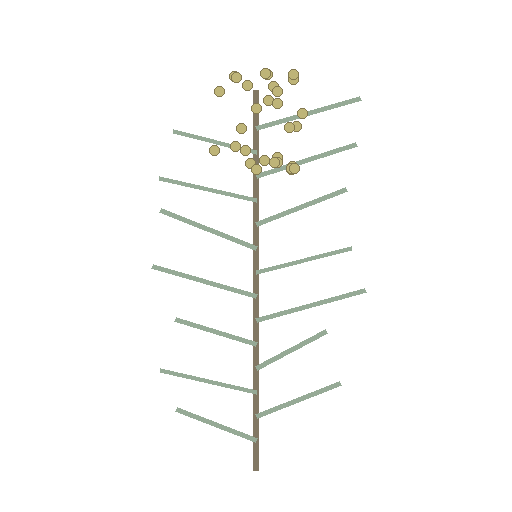 Mugwort Leaves and Tops1 ẹyọ
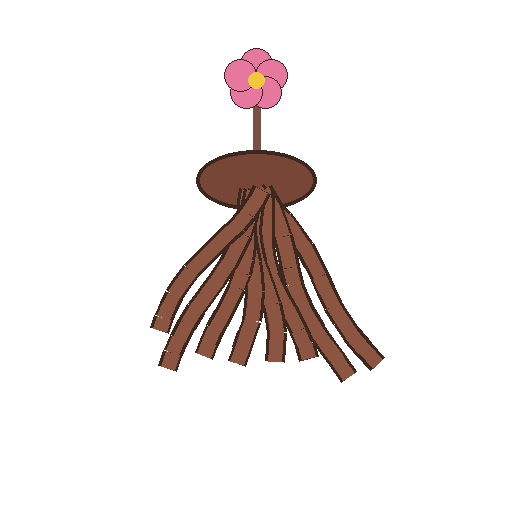 Wild Rose Root1 ẹyọ
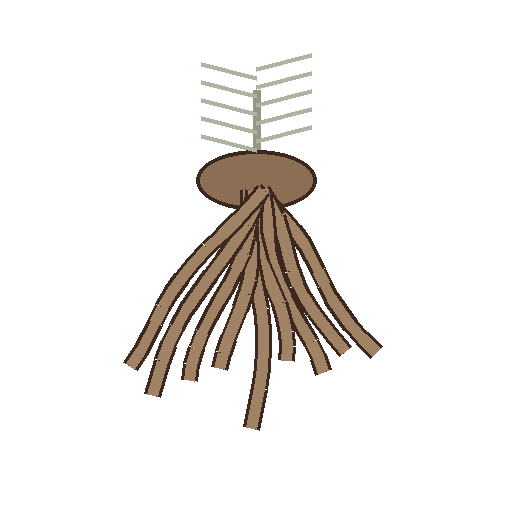 Prairie Sage Root1 ẹyọ
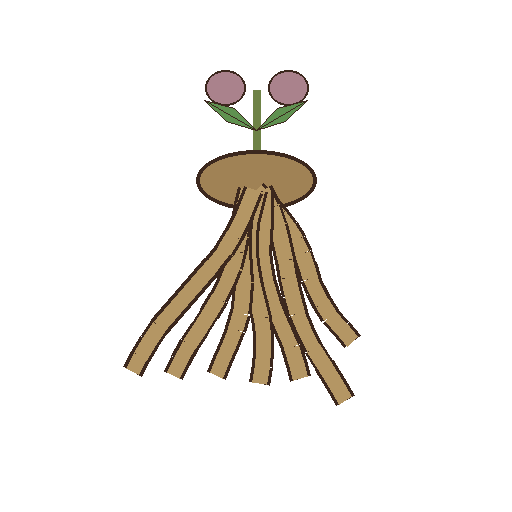 Ground-Plum Root1 ẹyọ
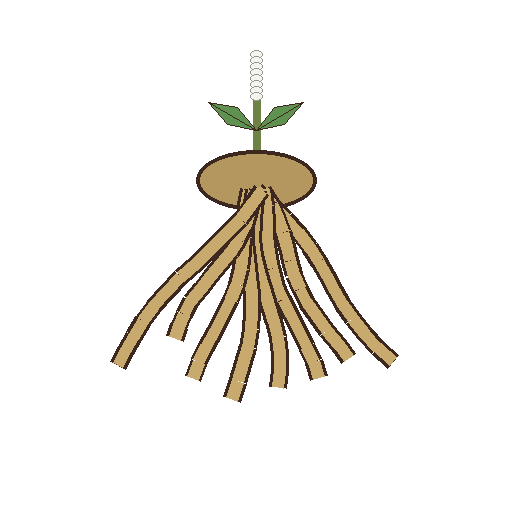 Seneca Snakeroot1 ẹyọOmi1 ẹyọ
Àwọn irinṣẹ́ tí a nílò:
Ọ̀pá ìwalẹ̀Ìkòkò amọ̀Ihò iná Aṣọ wàrà-dídì
6
6
Cup plant compress
Cup plant compress
Dry a large part of the root; cut up and pound it; use as a moist compress.
Àwọn ohun èlò fún ìgbésẹ̀ yìí:
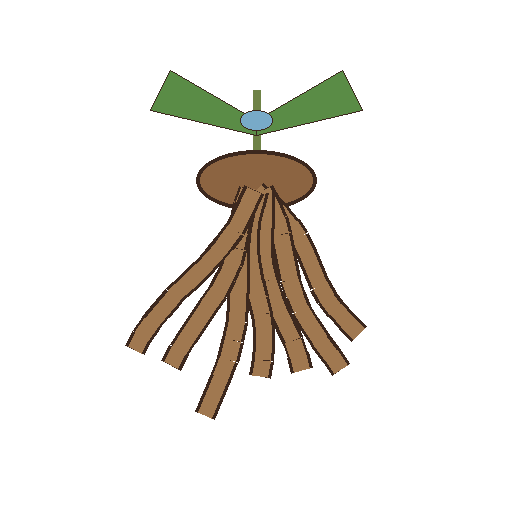 Cup Plant Root1 ẹyọOmi1 ẹyọGáàsì òwú1 ẹyọ
Àwọn irinṣẹ́ tí a nílò:
Ọ̀pá ìwalẹ̀Ọ̀bẹÀká Ìgbẹ Òkúta Ìlù
7
7
Troubleshooting
Troubleshooting
Bleeding safety.
Flow
Loading...
8
8
History and honest limits
History and honest limits
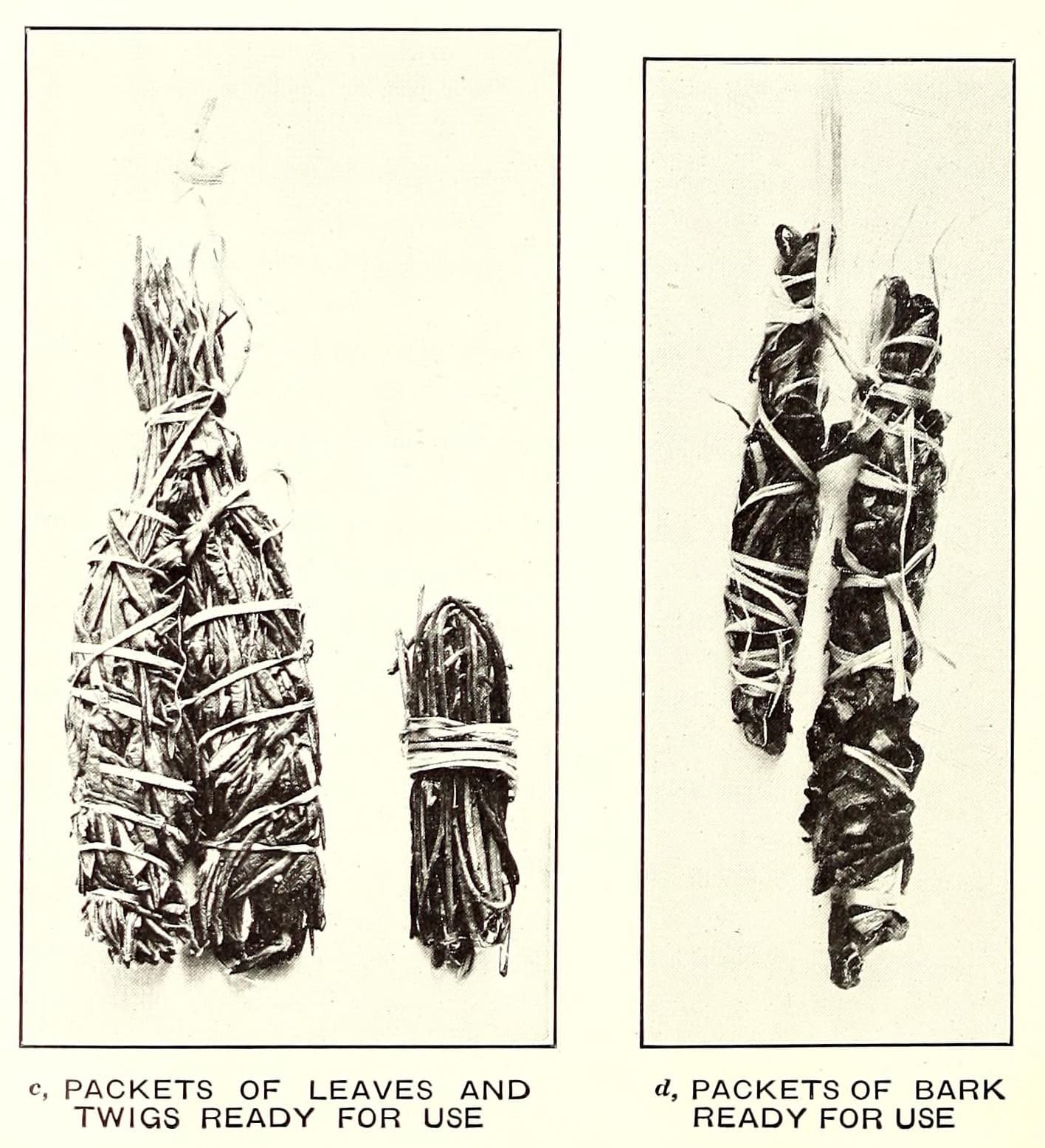
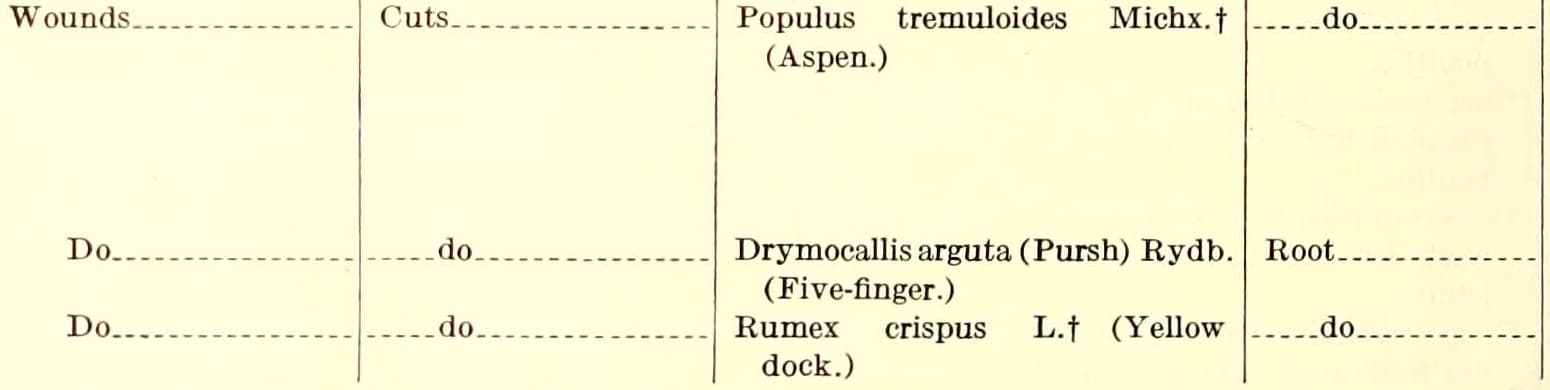
From Frances Densmore, *Uses of Plants by the Chippewa Indians*, **44th Annual Report of the Bureau of American Ethnology** (1928), pp. 356-357 (checked on the archive.org scan usesofplantsbych00dens). Chippewa remedies were mostly Midewiwin knowledge, shared so a record would survive. Left out: a dogbane root plug for the nose (poisonous plant). Safety lines are ours. Recorded use, not medical advice.
Àwọn ohun-èlò
14- 1 ẹyọÀyè
- Àyè
- 1 ẹyọÀyè
- 1 ẹyọÀyè
- 1 ẹyọÀyè
- 1 ẹyọÀyè
- 3 ẹyọÀyè
- 2 ẹyọÀyè
- Àyè
- 1 ẹyọÀyè
- 1 ẹyọÀyè
- 1 ẹyọÀyè
- 1 ẹyọÀyè
- 1 ẹyọÀyè
Ìtọ́nisọ́nà yìí ń ṣe
Blueprint tó jọra
Àwọn blueprint wọ̀nyí pín ìmọ̀ — ọ̀nà, ohun-èlò tàbí ìlànà
CC0 Àgbègbè Gbogbogbò
Blueprint yìí ti jáde lábẹ́ CC0. O lè ṣe àdàkọ, yí padà, pín, àti lò láìsí ìyọ̀ǹda.
Ṣàtìlẹ́yìn Olùṣẹ́dá nípa rírà àwọn ọjà nipasẹ̀ Blueprint wọn Ẹ̀san Olùṣẹ́dá tí àwọn Olùtajà gbé kalẹ̀, tàbí ṣẹ̀dá àtúnṣe tuntun ti Blueprint yìí kí o sì fi sínú Blueprint rẹ gẹ́gẹ́ bí ìsopọ̀ láti pín owó-wíwọlé.