IṢẸ́ ỌNÀ
ẸWÀ ÀTI ÌLERA
IṢẸ́ ỌWỌ́
ÀṢÀ ÀTI ÌTÀN
ÌṢERÉ
ÀYÍKÁ
OÚNJẸ ÀTI OHUN MÍMU
REVERSE ENGINEERING
SÁYẸ́ǸSÌ
ERÉ ÌDÁRAYÁ
ÌMỌ̀-Ẹ̀RỌ
ÀWỌN OHUN WÍWỌ̀
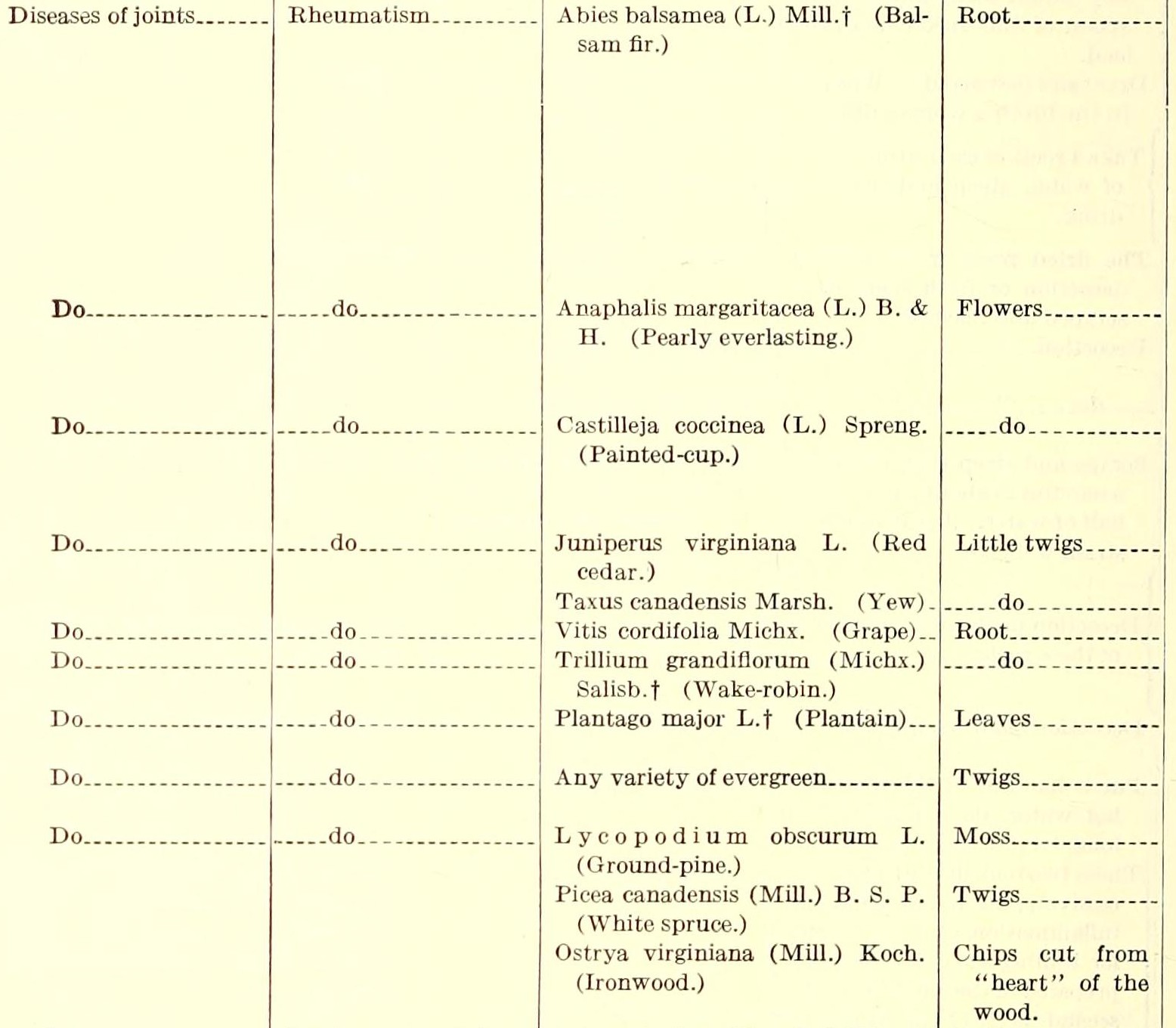

Chippewa Remedies for Rheumatism and Stiff Joints: Steaming on Hot Stones with Balsam Fir, Evergreens, Cedar and Ground-Pine, and Grape Root (Densmore, 1928)
Chippewa (Ojibwe) remedies for rheumatism recorded by Frances Densmore: very hot balsam fir root decoction sprinkled on hot stones to steam the knees under close covers, pearly everlasting with wild mint and painted-cup for paralysis, red cedar twigs, evergreen twigs on the stones, a ground-pine, spruce and ironwood steam, grape root tea, and plantain leaves. Recorded use, not medical advice.
Olùbẹ̀rẹ̀
An hour
Ìlànà
1
1
Read Densmore
Read Densmore
Rows under Diseases of joints, "Rheumatism". Recorded use, not medical advice.
2
2
Steaming with balsam fir
Steaming with balsam fir
Make a very hot decoction of balsam fir root and sprinkle it on hot stones. It was "used to 'steam' rheumatic joints, especially of the knees, the patient being covered closely and letting steam warm the knees." Ours: keep skin away from the stones.
Àwọn ohun èlò fún ìgbésẹ̀ yìí:
 Balsam Fir Root1 ẹyọ
 Omi1 ẹyọ
Àwọn irinṣẹ́ tí a nílò:
 Ọ̀pá ìwalẹ̀
 Ìkòkò amọ̀
 Ihò iná
 Iná àti òkúta gbígbóná
 Woven Wool Blanket
3
3
For paralysis: everlasting, mint, painted-cup
For paralysis: everlasting, mint, painted-cup
Steep pearly everlasting flowers and use them with wild mint, sprinkled on hot stones, said to be good for paralysis. Painted-cup flowers were steeped and used singly or in combination, said to be good for paralysis and also for a cold.
Àwọn ohun èlò fún ìgbésẹ̀ yìí:
 Pearly Everlasting Flowers1 ẹyọ
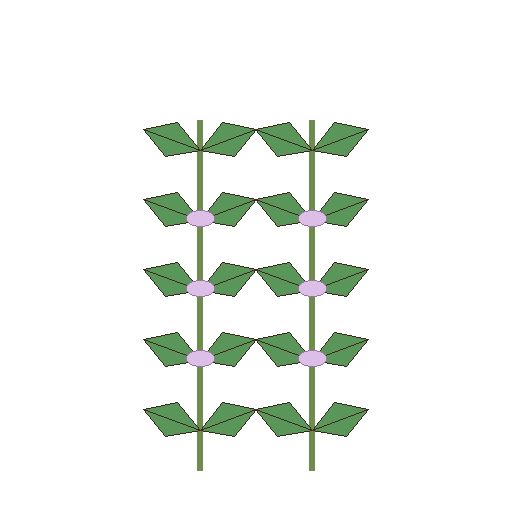 Wild Mint1 ẹyọ
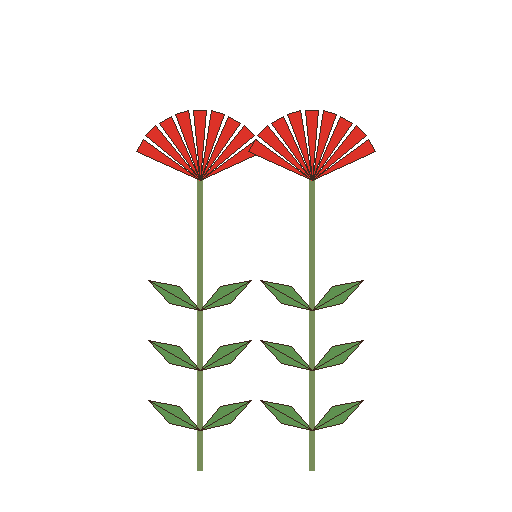 Painted-Cup Flowers1 ẹyọOmi1 ẹyọ
Àwọn irinṣẹ́ tí a nílò:
Ìkòkò amọ̀Ihò ináIná àti òkúta gbígbóná4
4
Evergreen steams
Evergreen steams
Boil red cedar twigs and sprinkle the decoction on hot stones; this came from the informant's great-grandmother. Twigs of any evergreen were placed on the hot stones. A decoction of ground-pine, white spruce twigs and chips from the heart of ironwood was used for steaming stiff joints.
Àwọn ohun èlò fún ìgbésẹ̀ yìí:
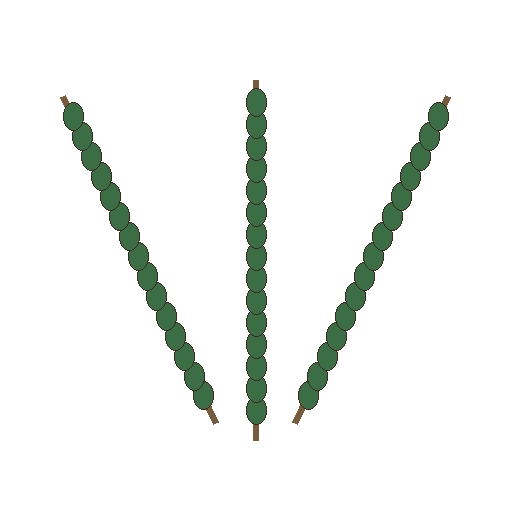 Red Cedar Twigs1 ẹyọ
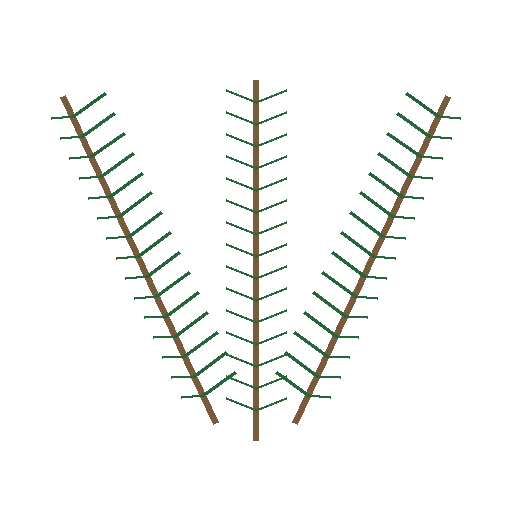 Evergreen Twigs1 ẹyọ
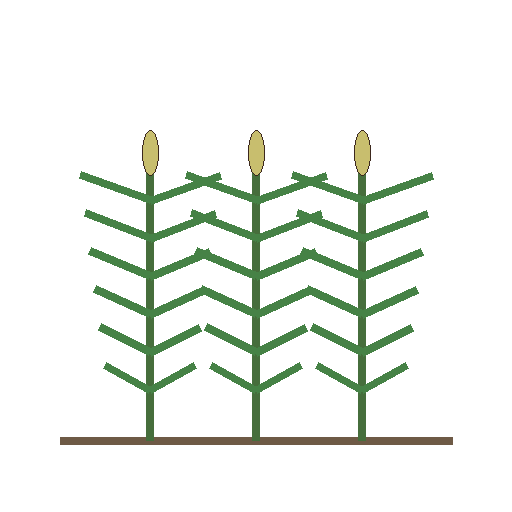 Ground-Pine1 ẹyọ
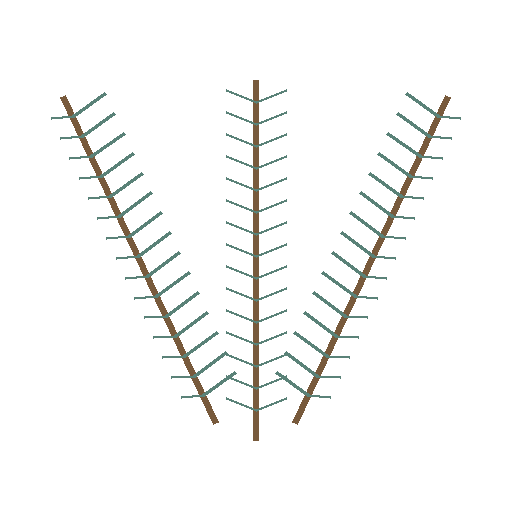 White Spruce Twigs1 ẹyọ
 Ironwood Heartwood1 ẹyọOmi1 ẹyọ
Àwọn irinṣẹ́ tí a nílò:
 Ọ̀bẹ
 Àáké kékeréÌkòkò amọ̀Ihò ináIná àti òkúta gbígbónáWoven Wool Blanket
5
5
Grape root, trillium and plantain
Grape root, trillium and plantain
Steep grape root and drink it. A trillium root decoction was "pricked in with needles." Plantain leaves were prepared and applied as for inflammation (greased with bear's grease).
Àwọn ohun èlò fún ìgbésẹ̀ yìí:
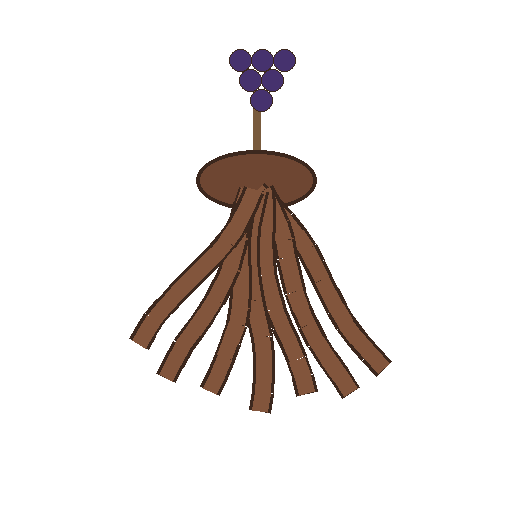 Wild Grape Root1 ẹyọ
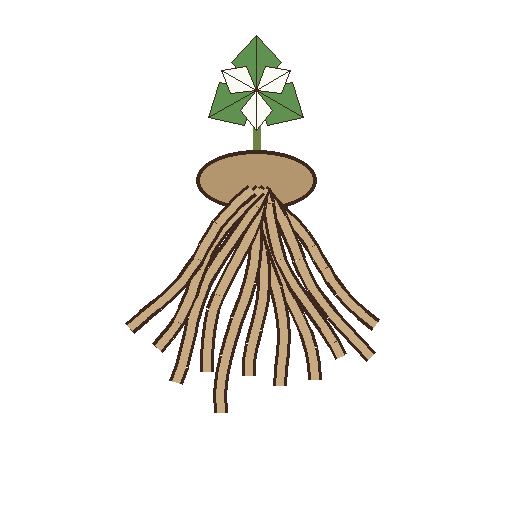 Trillium Root1 ẹyọ
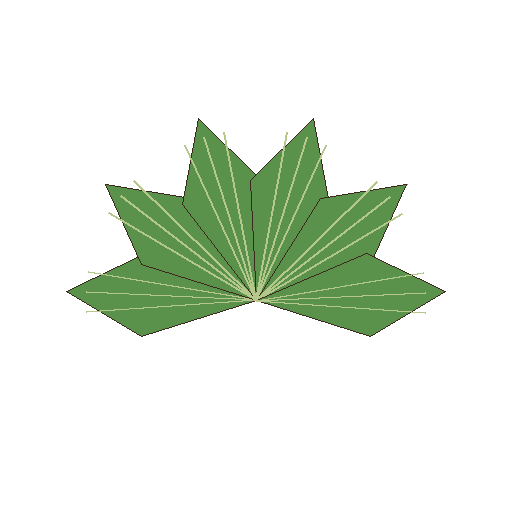 Plantain Leaves1 ẹyọ
 Bear Grease1 ẹyọOmi1 ẹyọ
Àwọn irinṣẹ́ tí a nílò:
Ọ̀pá ìwalẹ̀Ìkòkò amọ̀Ihò iná Abẹ́rẹ́ ìránṣọ
6
6
Troubleshooting
Troubleshooting
Steam and joint safety.
Flow
Loading...
7
7
History and honest limits
History and honest limits
From Frances Densmore, *Uses of Plants by the Chippewa Indians*, **44th Annual Report of the Bureau of American Ethnology** (1928), pp. 362-363 (checked on the archive.org scan usesofplantsbych00dens). Chippewa remedies were mostly Midewiwin knowledge, shared so a record would survive. Her informant also drank the red cedar decoction boiled with yew twigs; that use is left out because yew is deadly poisonous. Safety lines are ours. Recorded use, not medical advice.
Àwọn ohun-èlò
14- 1 ẹyọÀyè
- 1 ẹyọÀyè
- Àyè
- 1 ẹyọÀyè
- 1 ẹyọÀyè
- 1 ẹyọÀyè
- 1 ẹyọÀyè
- 1 ẹyọÀyè
- 1 ẹyọÀyè
- 1 ẹyọÀyè
- 1 ẹyọÀyè
- 1 ẹyọÀyè
- 1 ẹyọÀyè
- 1 ẹyọÀyè
Ìtọ́nisọ́nà yìí ń ṣe
Blueprint tó jọra
Àwọn blueprint wọ̀nyí pín ìmọ̀ — ọ̀nà, ohun-èlò tàbí ìlànà
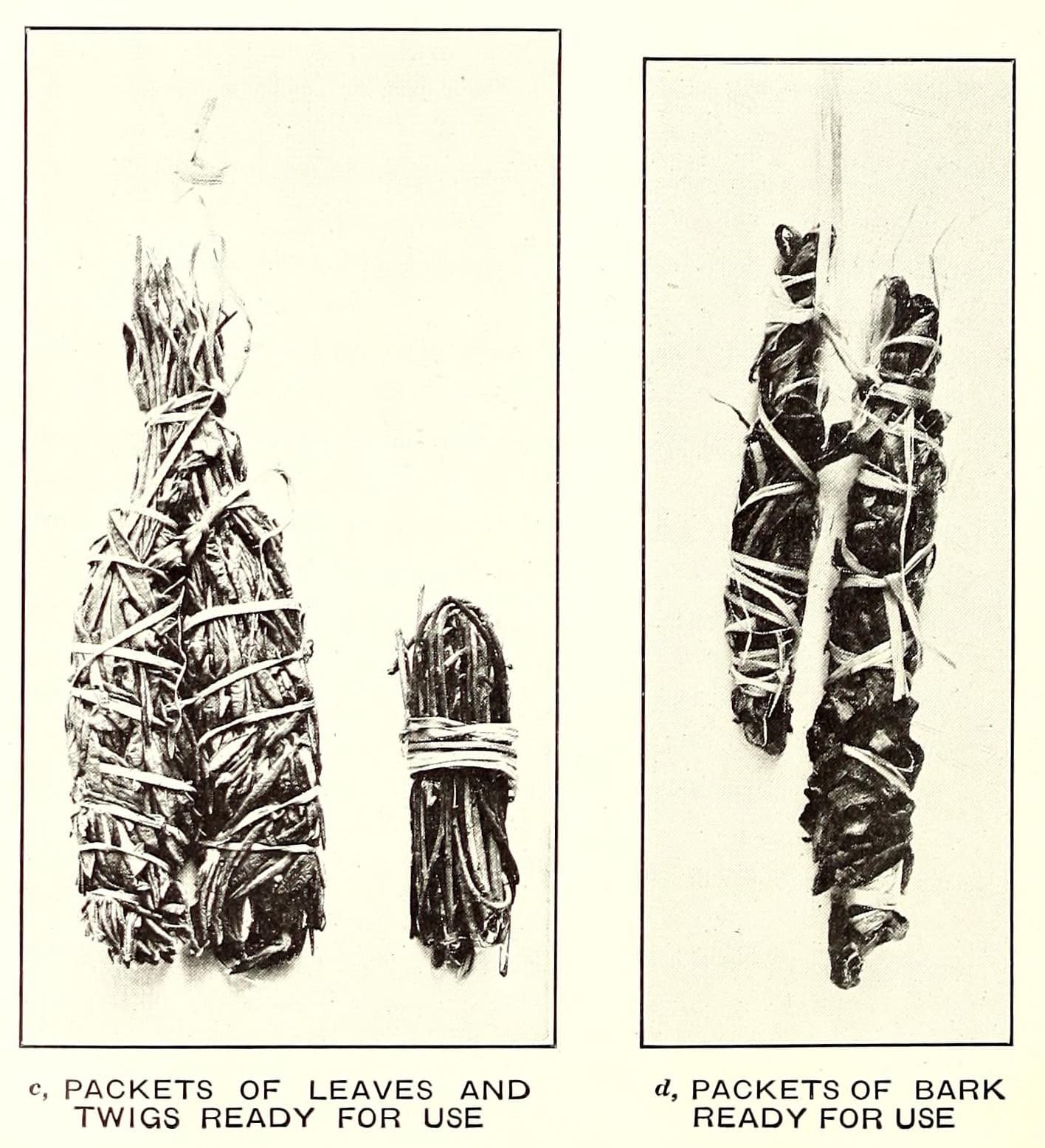
Chippewa Medicinal Roots and Barks: Gathered by the Sap, Dried, Tied in Packets and Kept in Bags (Densmore, 1928)
láti ọwọ́ Bob
Ẹ̀kọ́ Ewéko
7
0
0
0
0
0
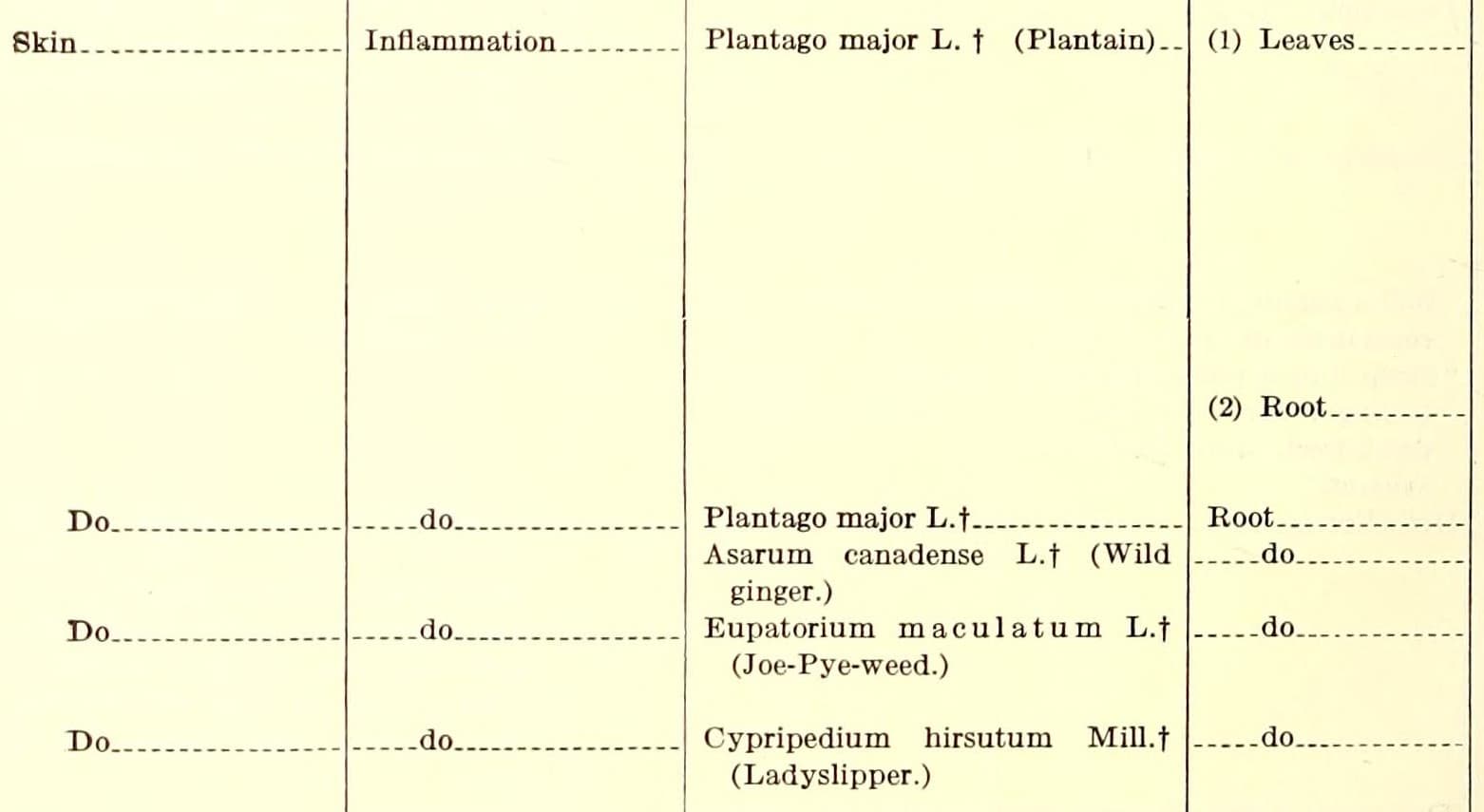
Chippewa Remedies for Inflammation: Greased Plantain Leaves, Plantain and Wild Ginger Root Poultice, Joe-Pye Weed Wash, Lady's Slipper (Densmore, 1928)
láti ọwọ́ Bob
Ìṣègùn
7
0
0
0
0
0
CC0 Àgbègbè Gbogbogbò
Blueprint yìí ti jáde lábẹ́ CC0. O lè ṣe àdàkọ, yí padà, pín, àti lò láìsí ìyọ̀ǹda.
Ṣàtìlẹ́yìn Olùṣẹ́dá nípa rírà àwọn ọjà nipasẹ̀ Blueprint wọn Ẹ̀san Olùṣẹ́dá tí àwọn Olùtajà gbé kalẹ̀, tàbí ṣẹ̀dá àtúnṣe tuntun ti Blueprint yìí kí o sì fi sínú Blueprint rẹ gẹ́gẹ́ bí ìsopọ̀ láti pín owó-wíwọlé.