IṢẸ́ ỌNÀ
ẸWÀ ÀTI ÌLERA
IṢẸ́ ỌWỌ́
ÀṢÀ ÀTI ÌTÀN
ÌṢERÉ
ÀYÍKÁ
OÚNJẸ ÀTI OHUN MÍMU
REVERSE ENGINEERING
SÁYẸ́ǸSÌ
ERÉ ÌDÁRAYÁ
ÌMỌ̀-Ẹ̀RỌ
ÀWỌN OHUN WÍWỌ̀
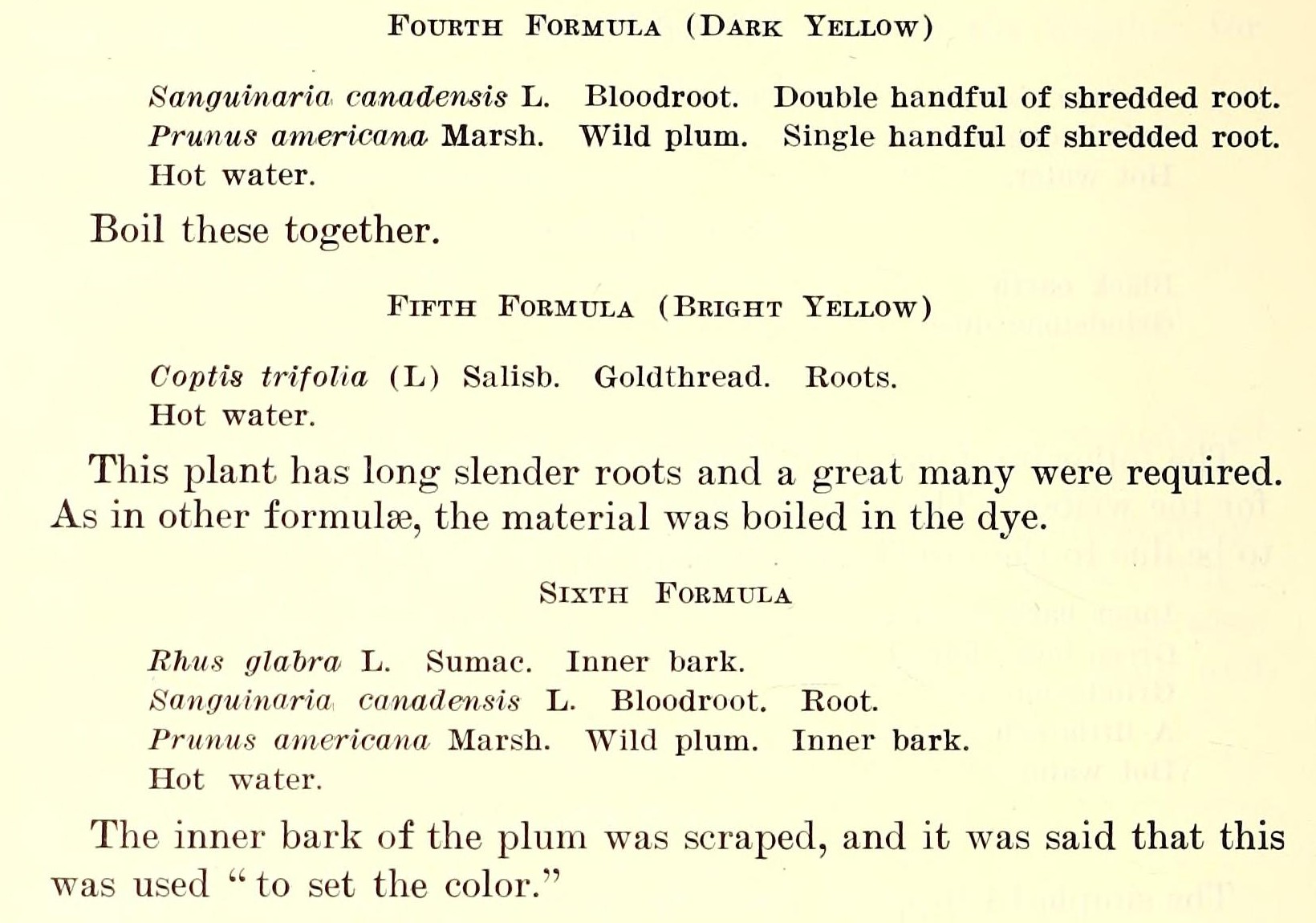


Chippewa Yellows from Sumac Pulp, Goldthread Roots and Bloodroot with Wild Plum, to a Weather-Fast Khaki (Densmore, 1928)
The other Chippewa (Ojibwe) yellows Frances Densmore recorded: sumac stalk pulp for light yellow, bloodroot with wild plum for dark yellow, a great many goldthread roots for bright yellow, scraped plum bark "to set the color", and a bloodroot-plum mix that dyed blanket a khaki that did not fade in weeks of weather.
Olùbẹ̀rẹ̀
An hour or two
Ìlànà
1
1
Read Densmore
Read Densmore
"As in other formulae, the material was boiled in the dye."
2
2
Formula 2: light yellow
Formula 2: light yellow
Boil the pulp of smooth sumac stalks in hot water, with a little ochre dust if you like ("this may be omitted"). Boil the yarn in it.
Àwọn ohun èlò fún ìgbésẹ̀ yìí:
 Smooth Sumac Stalks1 ẹyọ
 Okuta ochre tútù1 ẹyọ
 Omi1 ẹyọ
 Okùn irun àgùntàn tí a kò dá aró sí1 ẹyọ
Àwọn irinṣẹ́ tí a nílò:
 Ihò iná
 Ìkòkò aró ńlá
3
3
Formula 4: dark yellow
Formula 4: dark yellow
A double handful of shredded bloodroot root and a single handful of shredded wild plum root (both printed as root), boiled together in hot water.
Àwọn ohun èlò fún ìgbésẹ̀ yìí:
 Gbòngbò bloodroot (gbígbẹ)1 ẹyọ
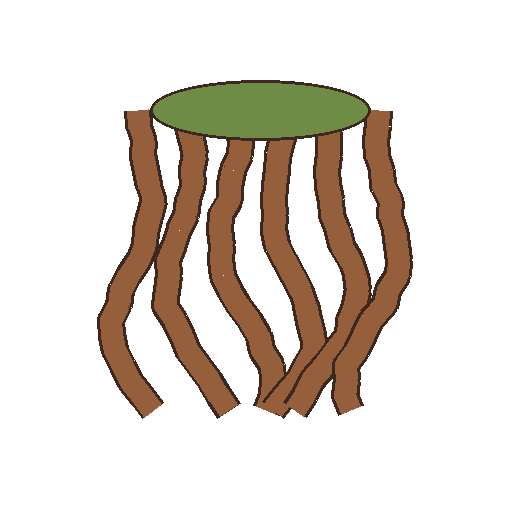 Wild Plum Root1 ẹyọOmi1 ẹyọOkùn irun àgùntàn tí a kò dá aró sí1 ẹyọ
Àwọn irinṣẹ́ tí a nílò:
 Òkúta ÌlùIhò ináÌkòkò aró ńlá
4
4
Formula 5: bright yellow
Formula 5: bright yellow
Goldthread roots in hot water. The roots are long and slender and a great many are needed.
Àwọn ohun èlò fún ìgbésẹ̀ yìí:
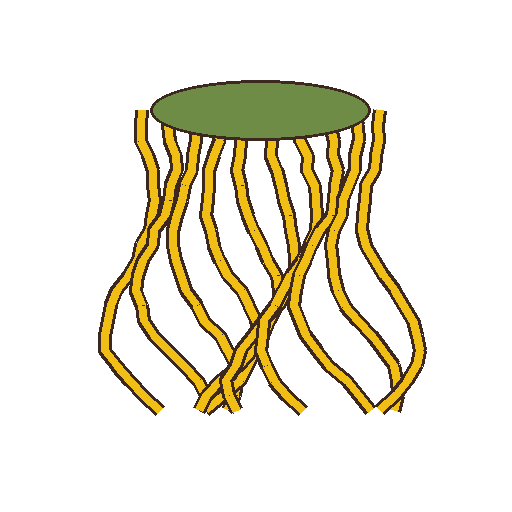 Goldthread Root1 ẹyọOmi1 ẹyọOkùn irun àgùntàn tí a kò dá aró sí1 ẹyọ
Àwọn irinṣẹ́ tí a nílò:
Ihò ináÌkòkò aró ńlá5
5
Formula 6: plum to set it
Formula 6: plum to set it
Sumac inner bark, bloodroot root and wild plum inner bark in hot water. The plum bark was scraped, and was said to be used "to set the color".
Àwọn ohun èlò fún ìgbésẹ̀ yìí:
Smooth Sumac Stalks1 ẹyọGbòngbò bloodroot (gbígbẹ)1 ẹyọ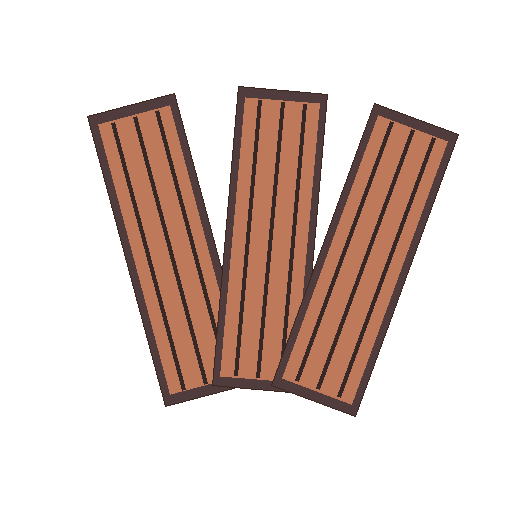 Wild Plum Bark1 ẹyọOmi1 ẹyọOkùn irun àgùntàn tí a kò dá aró sí1 ẹyọ
Àwọn irinṣẹ́ tí a nílò:
 Ọ̀bẹ ìfọ́Ihò ináÌkòkò aró ńlá
6
6
Formula 7: khaki
Formula 7: khaki
Bloodroot, wild plum and a third bark in hot water. The book prints it as "Cornus stolonifera Michx. Alder": the Latin is red-osier dogwood, the common name alder, so it is unclear which. Used on white blanket for her it gave ecru or khaki, unchanged after several weeks in the weather. Rinse and dry (ours).
Àwọn ohun èlò fún ìgbésẹ̀ yìí:
Gbòngbò bloodroot (gbígbẹ)1 ẹyọWild Plum Bark1 ẹyọ Red-osier Dogwood Bark1 ẹyọ
 Èèpo igi alder (gbígbẹ)1 ẹyọOmi1 ẹyọOkùn irun àgùntàn tí a kò dá aró sí1 ẹyọ
Àwọn irinṣẹ́ tí a nílò:
Òkúta ÌlùIhò ináÌkòkò aró ńlá7
7
Troubleshooting
Troubleshooting
Yellow dye troubleshooting.
Flow
Loading...
8
8
History and honest limits
History and honest limits
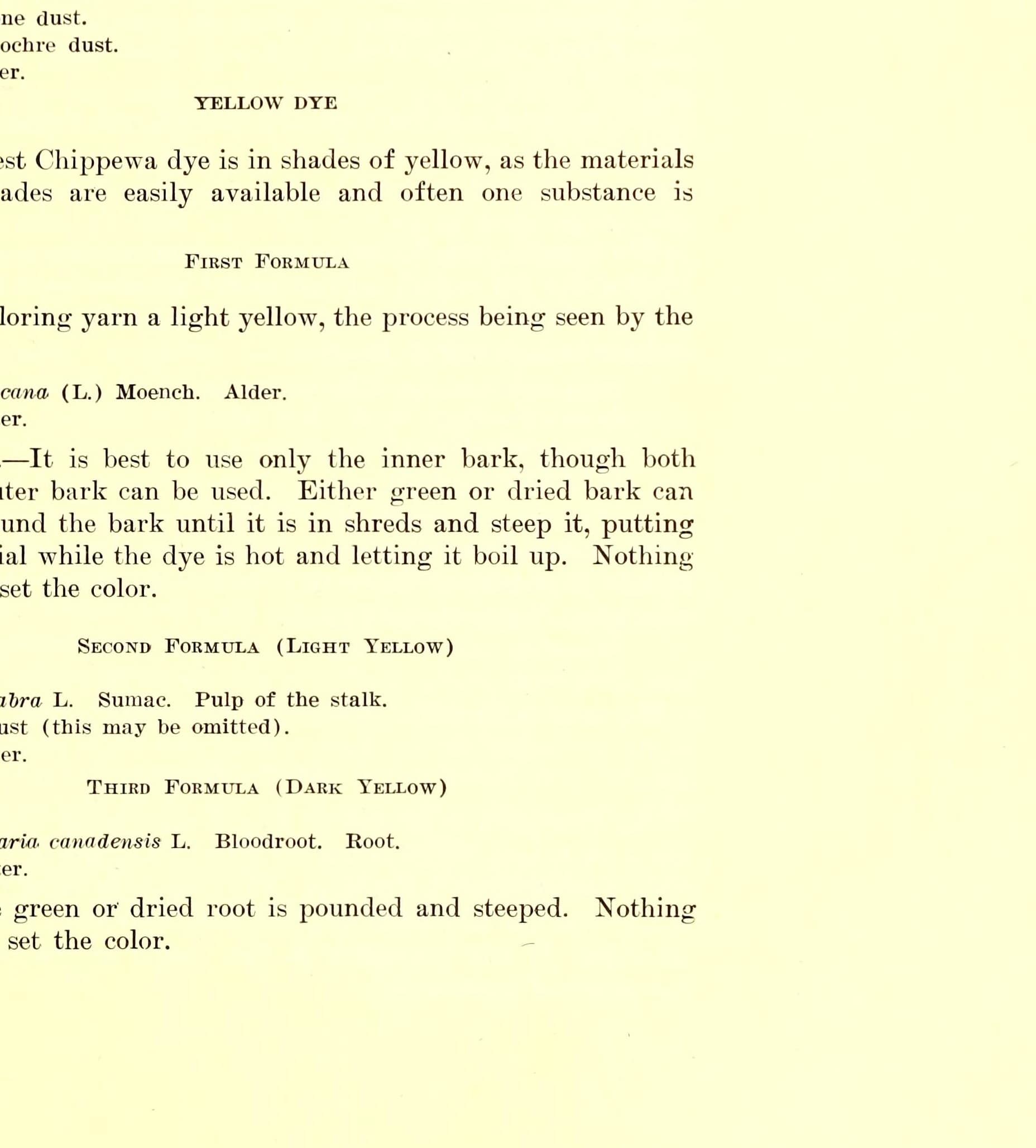
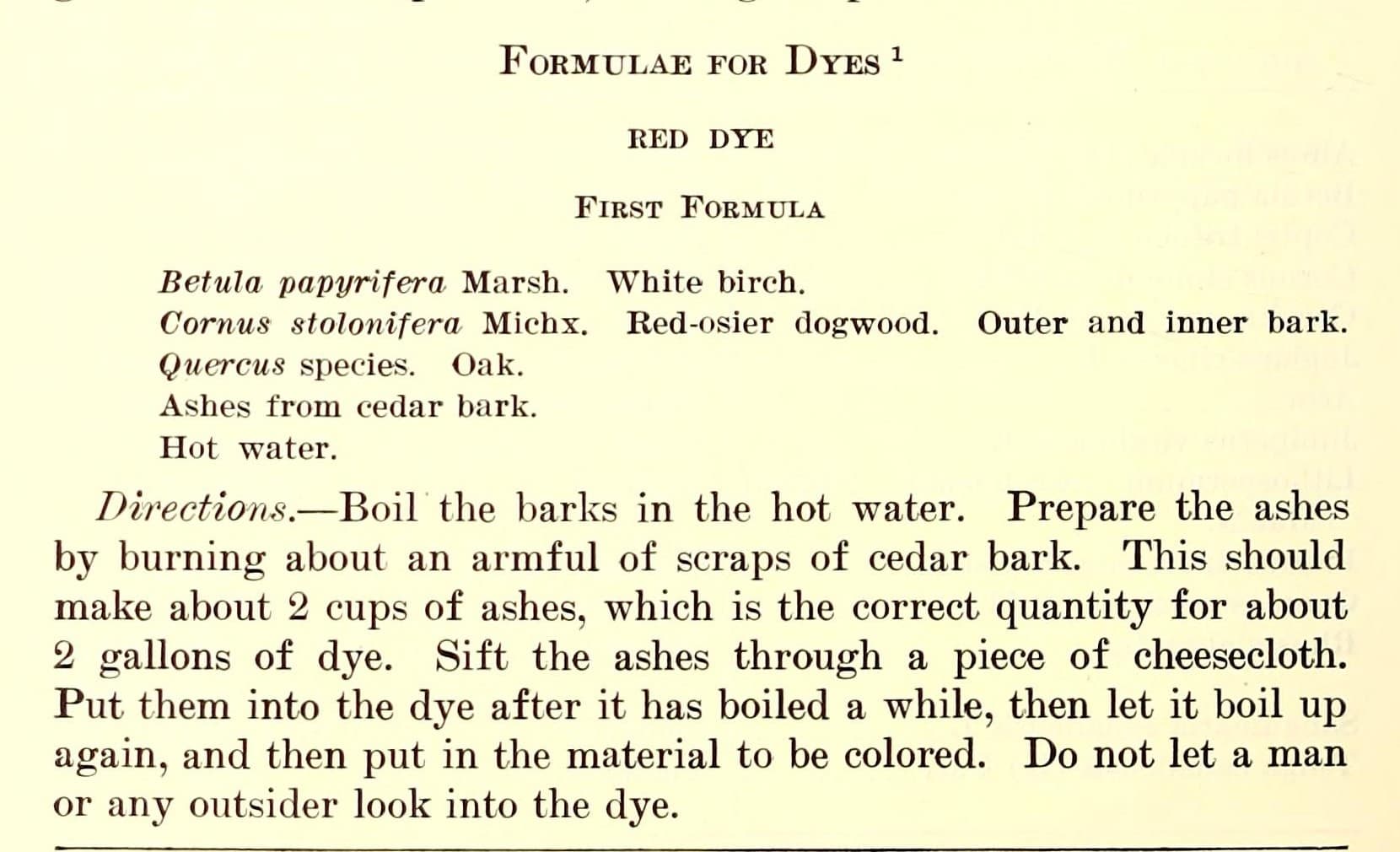
From Frances Densmore, *Uses of Plants by the Chippewa Indians*, **44th Annual Report of the Bureau of American Ethnology** (1928), pp. 373-374 (checked on the archive.org scan usesofplantsbych00dens). Her other two yellows, alder and bloodroot alone, are a separate blueprint. Amounts not given, using yarn and rinsing are ours.
Àwọn ohun-èlò
10- 1 ẹyọÀyè
- 1 ẹyọÀyè
- 5 ẹyọÀyè
- Àyè
- 1 ẹyọÀyè
- 1 ẹyọÀyè
- 1 ẹyọÀyè
- Àyè
- Àyè
Ìtọ́nisọ́nà yìí ń ṣe

Blueprint tó jọra
Àwọn blueprint wọ̀nyí pín ìmọ̀ — ọ̀nà, ohun-èlò tàbí ìlànà
CC0 Àgbègbè Gbogbogbò
Blueprint yìí ti jáde lábẹ́ CC0. O lè ṣe àdàkọ, yí padà, pín, àti lò láìsí ìyọ̀ǹda.
Ṣàtìlẹ́yìn Olùṣẹ́dá nípa rírà àwọn ọjà nipasẹ̀ Blueprint wọn Ẹ̀san Olùṣẹ́dá tí àwọn Olùtajà gbé kalẹ̀, tàbí ṣẹ̀dá àtúnṣe tuntun ti Blueprint yìí kí o sì fi sínú Blueprint rẹ gẹ́gẹ́ bí ìsopọ̀ láti pín owó-wíwọlé.