IṢẸ́ ỌNÀ
ẸWÀ ÀTI ÌLERA
IṢẸ́ ỌWỌ́
ÀṢÀ ÀTI ÌTÀN
ÌṢERÉ
ÀYÍKÁ
OÚNJẸ ÀTI OHUN MÍMU
REVERSE ENGINEERING
SÁYẸ́ǸSÌ
ERÉ ÌDÁRAYÁ
ÌMỌ̀-Ẹ̀RỌ
ÀWỌN OHUN WÍWỌ̀
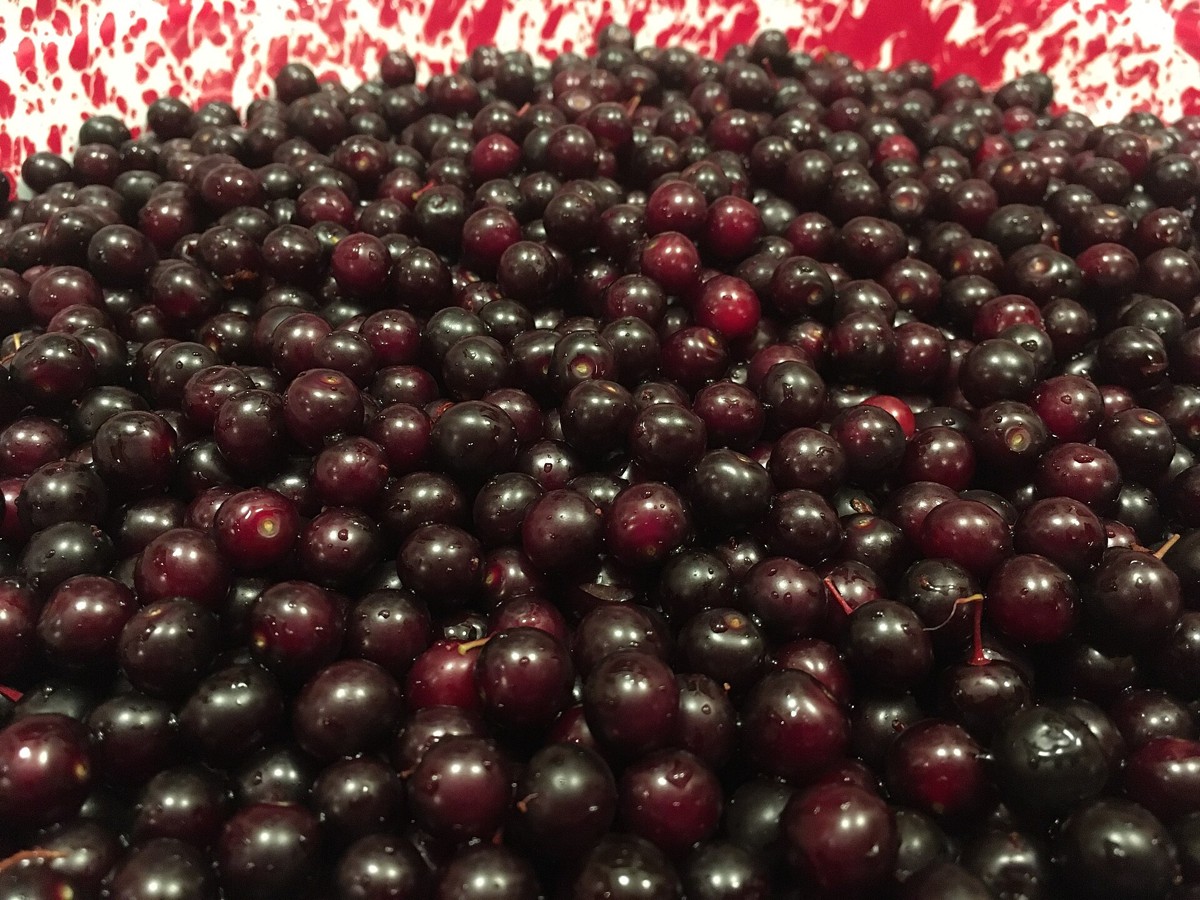


Chokecherry Inner Bark: Peeled in Long Strips While the Sap Runs, Dried and Kept in Packets (Densmore, 1928; Britton & Brown, 1913)
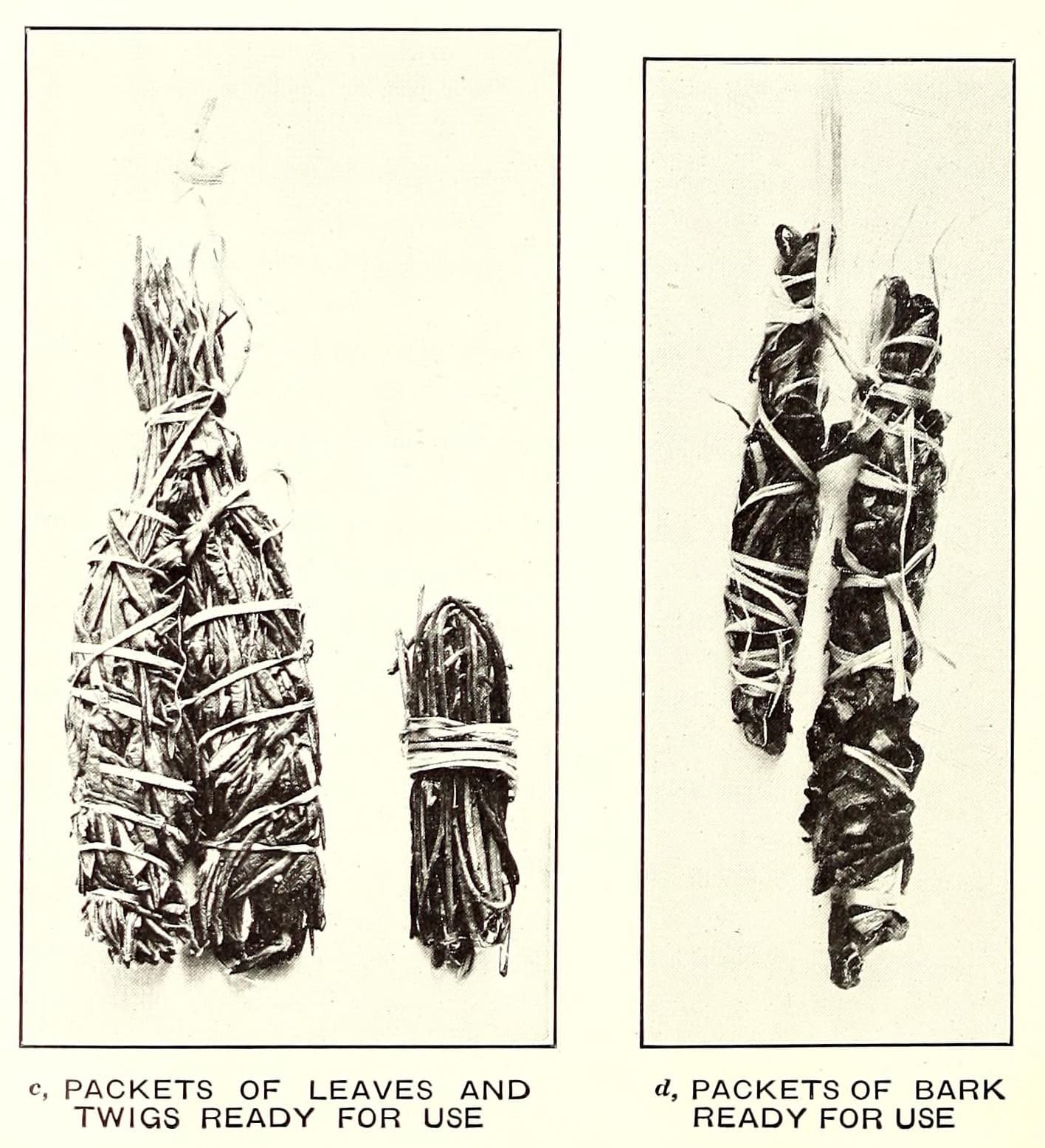
The inner bark of choke cherry (Prunus virginiana) as the Chippewa kept it: gathered while the sap is in the tree, the outer skin taken off and the inner bark stripped in long thin strips, dried and tied in packets. Densmore records it in a decoction for cramps, and boiled with Culver's root as a blood-cleansing remedy for sores.
Olùbẹ̀rẹ̀
An hour to peel, a week to dry
Ìlànà
1
1
Choke cherry
Choke cherry
Choke cherry, Prunus virginiana (Trees of Wisconsin).
2
2
Know the plant
Know the plant
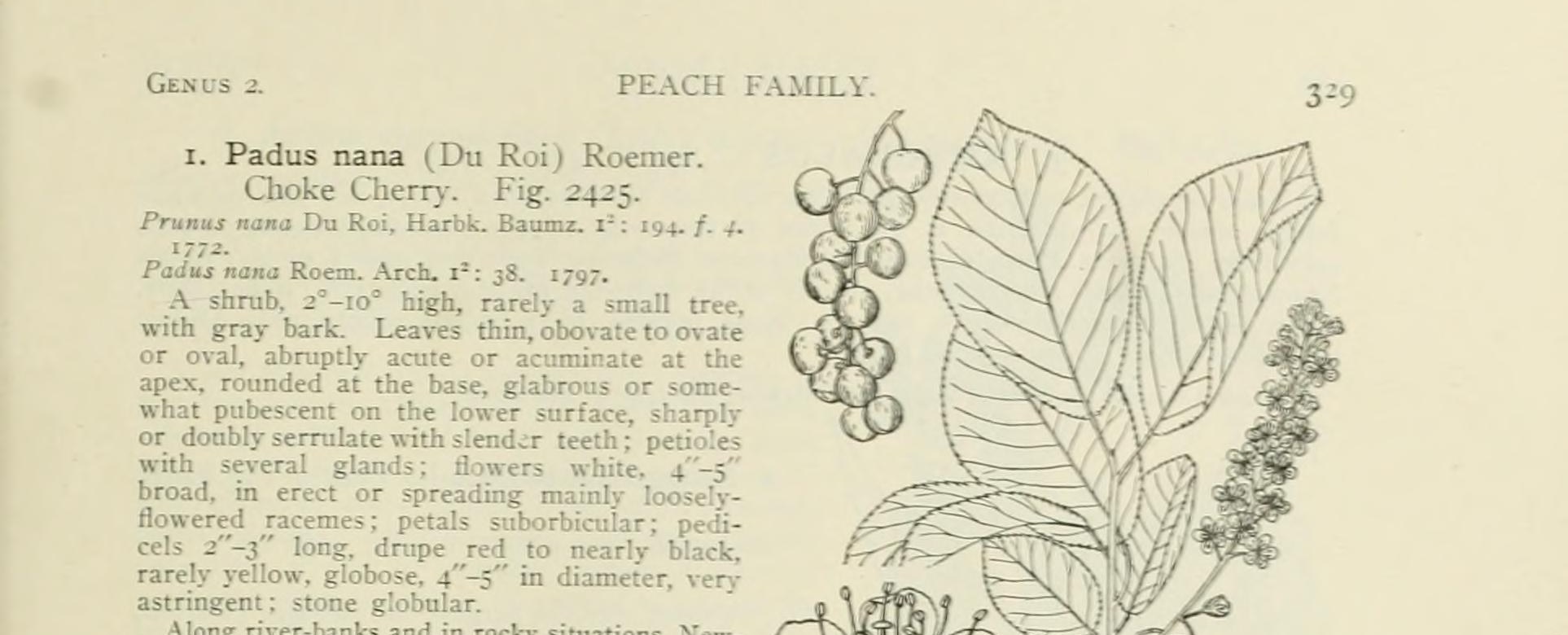
Britton and Brown (1913, vol. II, p. 329) list the choke cherry as Padus nana (they use the name Prunus virginiana for the black cherry; Densmore and most books today use it for the choke cherry): a shrub 2 to 10 feet, rarely a small tree, with gray bark; thin, sharply toothed leaves; white flowers in loose racemes; fruit red to nearly black, "very astringent"; along river banks and in rocky places, April-May, fruit July-August.
3
3
What the bark is for
What the bark is for
Densmore (1928, pp. 354-355), for sores: Culver's root with choke cherry inner bark, "Decoction made from 4 roots of first, a large handful of bark of second, and 1 pint of water. Dose, 1 swallow taken before breakfast and at frequent intervals"; "a mild cathartic intended to cleanse the blood." On pp. 344-345 the inner bark is also listed in a decoction for cramps.

4
4
Gather while the sap runs
Gather while the sap runs
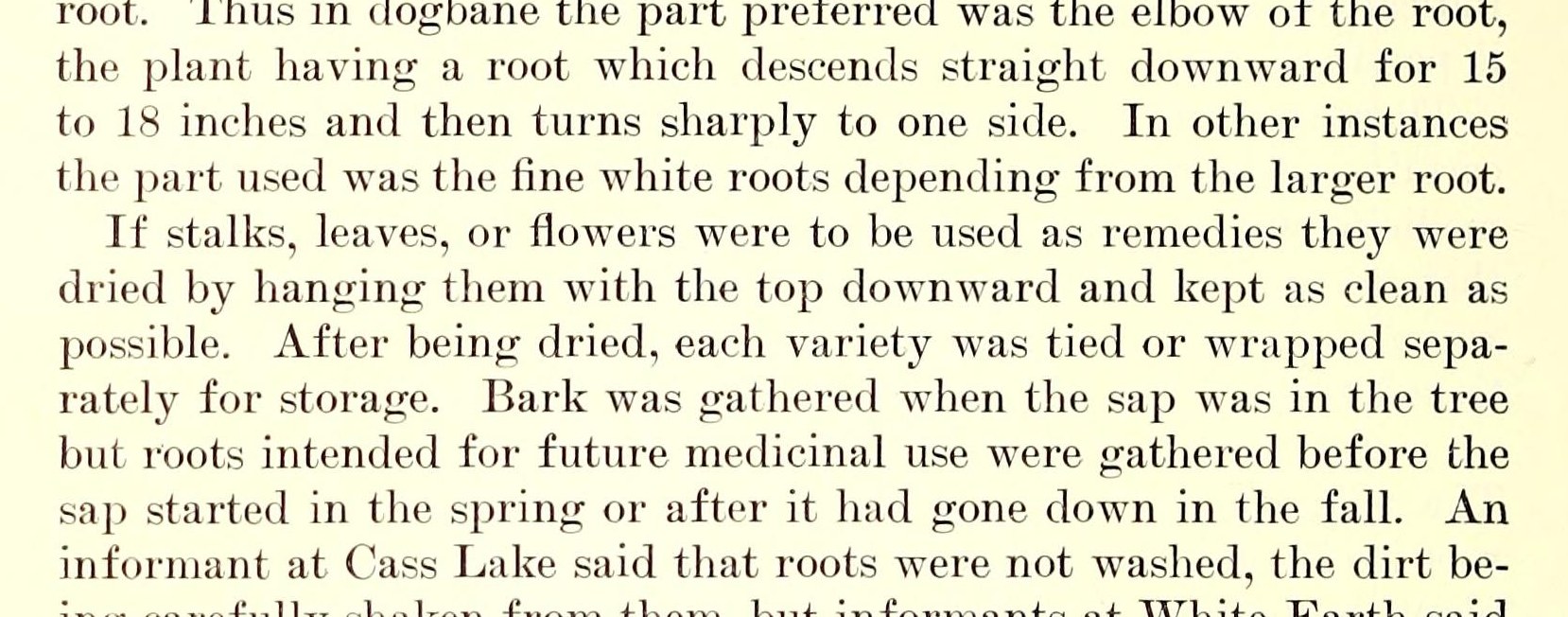
Densmore (p. 326): "Bark was gathered when the sap was in the tree". Cut a branch in late spring or early summer, when the bark slips (ours).
Àwọn irinṣẹ́ tí a nílò:
 Ọ̀bẹ
 Bàkẹ́ẹ̀tì
5
5
Peel the inner bark
Peel the inner bark
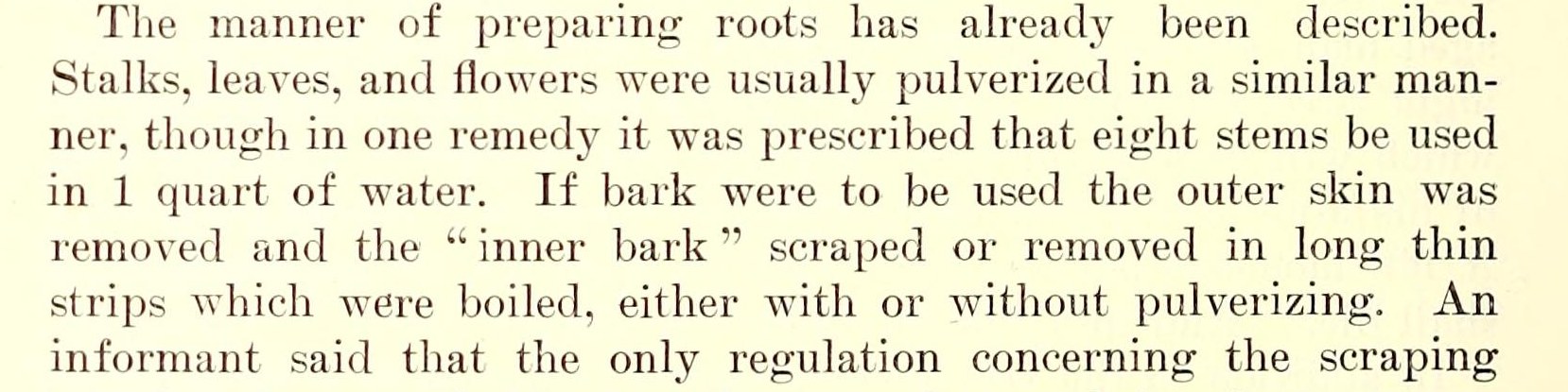
Densmore (p. 328): "the outer skin was removed and the 'inner bark' scraped or removed in long thin strips". Ours: take the bark from a cut branch, never ring the trunk.
Àwọn irinṣẹ́ tí a nílò:
Ọ̀bẹ6
6
Dry the strips
Dry the strips
Spread the strips on a drying screen in an airy, shaded place (ours) and turn them until they snap.
Àwọn irinṣẹ́ tí a nílò:
 Ọ̀pá-àyíká ìgbẹ̀
7
7
Tie in packets and bag
Tie in packets and bag
After drying, tie each kind separately in packets and keep them in a bag, as Densmore records (p. 326).
Àwọn irinṣẹ́ tí a nílò:
 Okùn Òwú
 Àpò ọ̀gbọ̀
8
8
Troubleshooting
Troubleshooting
Problems and fixes.
Flow
Loading...
9
9
Sources and honest limits
Sources and honest limits
Frances Densmore, Uses of Plants by the Chippewa Indians (1928), pp. 326, 328, 344-345 and 354-355; N. L. Britton and A. Brown, An Illustrated Flora of the Northern United States, vol. II (1913), p. 329. The knife, drying screen, twine and mortar are ours. Be sure of the plant before cutting, and take only where it is plentiful and allowed. The cover shows choke cherries (Matt Lavin, CC BY-SA 2.0, Wikimedia Commons). Not made by us yet.
Àwọn Ohun Èlò Ìtọ́nisọ́nà Tí A So Pọ̀
Ìtọ́nisọ́nà yìí ń ṣe

CC0 Àgbègbè Gbogbogbò
Blueprint yìí ti jáde lábẹ́ CC0. O lè ṣe àdàkọ, yí padà, pín, àti lò láìsí ìyọ̀ǹda.
Ṣàtìlẹ́yìn Olùṣẹ́dá nípa rírà àwọn ọjà nipasẹ̀ Blueprint wọn Ẹ̀san Olùṣẹ́dá tí àwọn Olùtajà gbé kalẹ̀, tàbí ṣẹ̀dá àtúnṣe tuntun ti Blueprint yìí kí o sì fi sínú Blueprint rẹ gẹ́gẹ́ bí ìsopọ̀ láti pín owó-wíwọlé.