IṢẸ́ ỌNÀ
ẸWÀ ÀTI ÌLERA
IṢẸ́ ỌWỌ́
ÀṢÀ ÀTI ÌTÀN
ÌṢERÉ
ÀYÍKÁ
OÚNJẸ ÀTI OHUN MÍMU
REVERSE ENGINEERING
SÁYẸ́ǸSÌ
ERÉ ÌDÁRAYÁ
ÌMỌ̀-Ẹ̀RỌ
ÀWỌN OHUN WÍWỌ̀
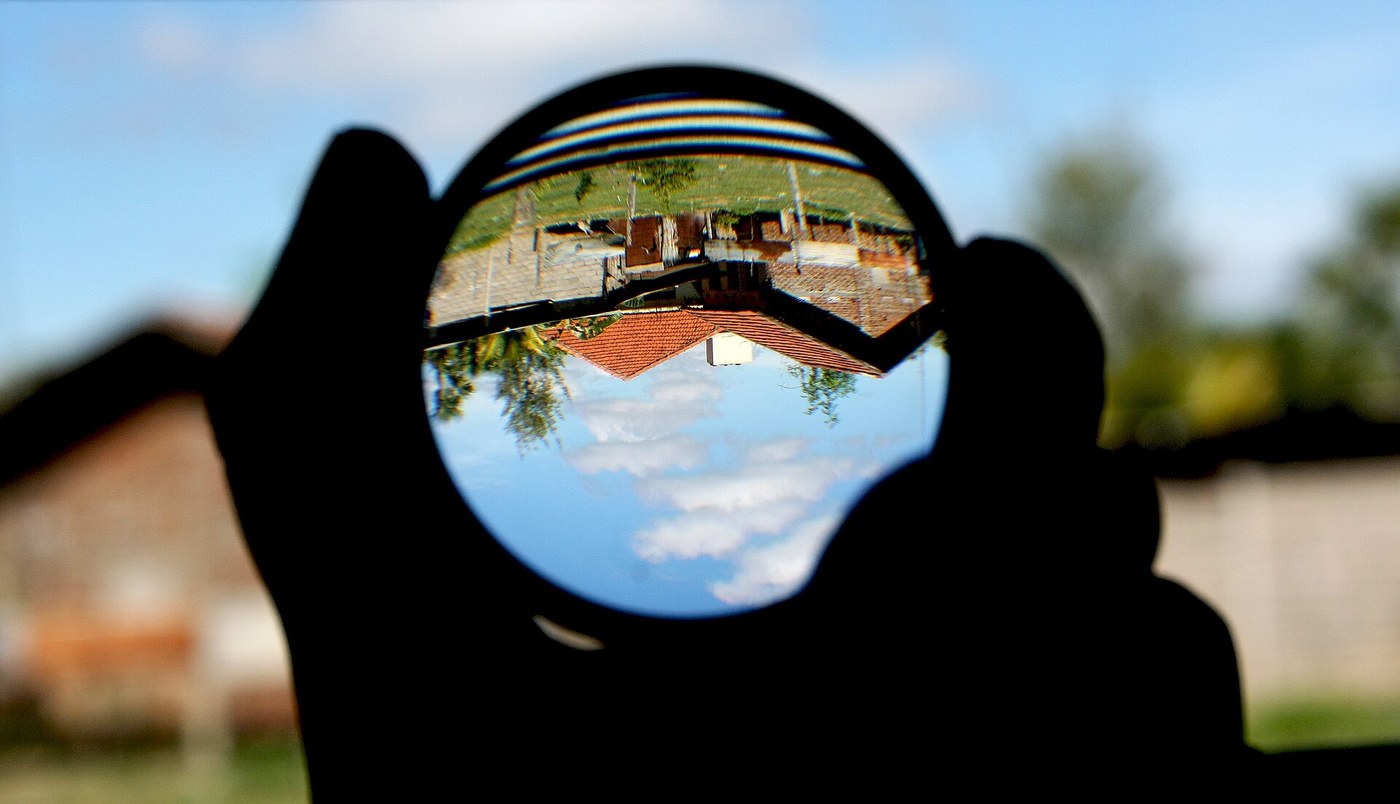


Convex and Concave Lenses Ground as a Pair
Rub one glass disc over another with wet grit and both change shape: the one on top goes hollow, the one beneath goes domed, and they stay a perfect fit. Grind both faces of a pair this way and the bottom disc becomes a double-convex lens, the top one a double-concave lens of the same curve. Longer work gives deeper curves and shorter focal lengths.
The picture: a double-convex lens held at arm's length shows the scene small and upside down.
Ilọsíwájú
Several days per pair
Ìlànà
1
1
Cut two discs
Cut two discs
Score two equal circles on the glass sheet, snap them out and nibble the edges round with grozing pliers. Fix a short wooden handle to the back of each with warm pitch.
Àwọn ohun èlò fún ìgbésẹ̀ yìí:
 Àwo dígí1 ẹyọ
 Lẹ́ẹ̀ Oda Páínì20 g
 Tẹ́ẹ́rẹ́ igi líle1 ẹyọ
Àwọn irinṣẹ́ tí a nílò:
 Ohun ìgé dígí
 Ẹmú ìjẹ gíláàsì
 Gíláàsì ààbò
2
2
Rough grind the first faces
Rough grind the first faces
Lay one disc face up on a firm table, wet it and sprinkle coarse grit. Push the other disc over it, face down, in short strokes, turning both a little all the time. The top one becomes concave, the bottom convex. Rinse and recharge as the grit wears.
Àwọn ohun èlò fún ìgbésẹ̀ yìí:
 Omi2 lítà
Àwọn irinṣẹ́ tí a nílò:
 Ìdíwọ̀n
 Ọkà kaboidi silikoni
3
3
Check the curve
Check the curve
Lay a ruler across the hollow disc and measure the depth at the centre with the caliper. Keep the top disc on top to deepen the curve; swap them to flatten it.
Àwọn irinṣẹ́ tí a nílò:
Ìdíwọ̀n Òṣùwọ̀n Kálípà Díjítà Ìnṣì 6
4
4
Fine grind and polish
Fine grind and polish
Go through finer grits, washing everything clean between grits. Polish each face on a pitch lap pressed to the other disc's curve, with tin oxide (putty powder) and water, until clear.
Àwọn ohun èlò fún ìgbésẹ̀ yìí:
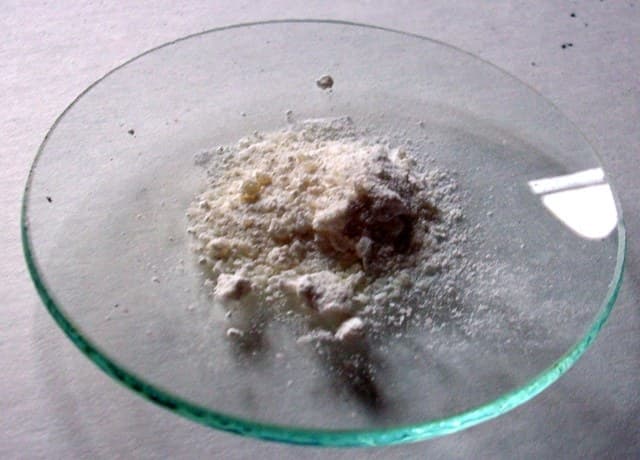
 Oxide tìnì (oxide stannic)30 gLẹ́ẹ̀ Oda Páínì100 g
Àwọn irinṣẹ́ tí a nílò:
Ọkà kaboidi silikoni5
5
Turn them over, do the second faces
Turn them over, do the second faces
Move the handles to the finished faces and grind the other sides the same way, the same disc on top, to the same depth. The bottom disc is now a double-convex lens, the top one double-concave.
Àwọn ohun èlò fún ìgbésẹ̀ yìí:
Oxide tìnì (oxide stannic)20 gÀwọn irinṣẹ́ tí a nílò:
Òṣùwọ̀n Kálípà Díjítà Ìnṣì 6Ọkà kaboidi silikoni6
6
Find the focal length
Find the focal length
Hold the convex lens in sunlight over paper and move it until the spot is smallest; that distance is its focal length. Grind more pairs to different depths for a set of focal lengths.
Àwọn irinṣẹ́ tí a nílò:
Ìdíwọ̀n7
7
Focal length from the curve
Focal length from the curve
Ń ṣí ìwé Jupyter…
8
8
Limits
Limits
Which disc goes hollow is the mirror makers' rule (Sky & Telescope, Stellafane); the lens formula is from Wikipedia. Window glass is not optical glass: expect some colour fringes and bubbles.
Àwọn ohun-èlò
5- 1 ẹyọÀyè
- 120 gÀyè
- 1 ẹyọÀyè
- 2 lítàÀyè
- Àyè
Ìtọ́nisọ́nà yìí ń ṣe



Blueprint tó jọra
Àwọn blueprint wọ̀nyí pín ìmọ̀ — ọ̀nà, ohun-èlò tàbí ìlànà
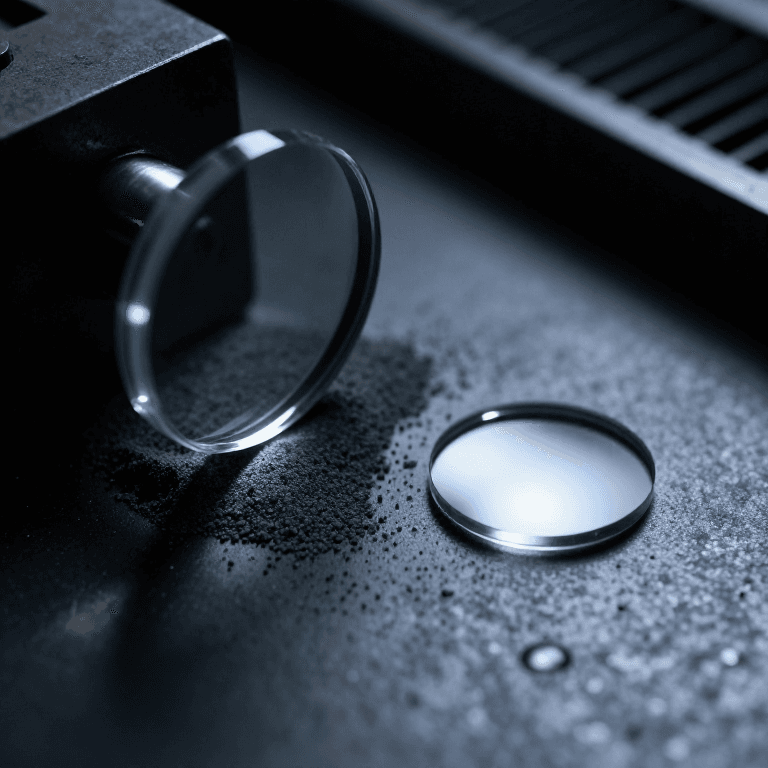

CC0 Àgbègbè Gbogbogbò
Blueprint yìí ti jáde lábẹ́ CC0. O lè ṣe àdàkọ, yí padà, pín, àti lò láìsí ìyọ̀ǹda.
Ṣàtìlẹ́yìn Olùṣẹ́dá nípa rírà àwọn ọjà nipasẹ̀ Blueprint wọn Ẹ̀san Olùṣẹ́dá tí àwọn Olùtajà gbé kalẹ̀, tàbí ṣẹ̀dá àtúnṣe tuntun ti Blueprint yìí kí o sì fi sínú Blueprint rẹ gẹ́gẹ́ bí ìsopọ̀ láti pín owó-wíwọlé.