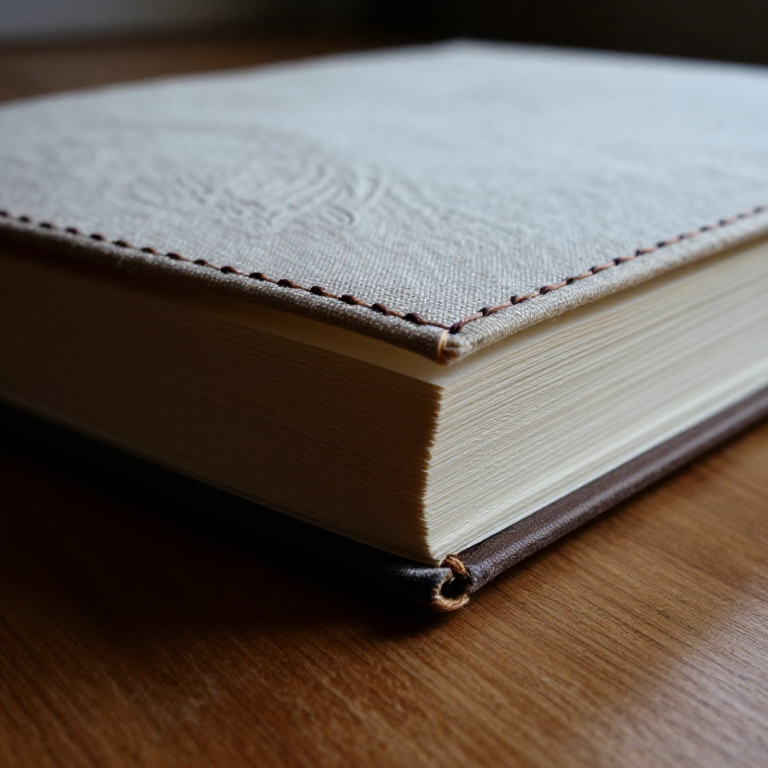


Binding a Coptic Stitch Journal — Exposed-Spine Chain Stitch Bookbinding
The Coptic stitch is the oldest form of book binding that uses a structure recognisable as a modern book — separate sections (signatures) of folded pages, sewn together through their spines. Developed by early Christians in Egypt around the 2nd-4th century CE, it requires no glue and no cover spine, leaving the stitching fully exposed as a decorative element. The chain stitch links each signature to the next and to the cover boards, creating a book that opens completely flat. This blueprint covers the basic two-needle Coptic link stitch — the foundation of all exposed-spine binding.
Ìlànà
Cut and fold the signatures
Cut and fold the signatures
Prepare the cover boards
Prepare the cover boards
Àwọn ohun èlò fún ìgbésẹ̀ yìí:
 Pákó ìdìpọ̀ ìwé2 ẹyọ
Mark the sewing stations
Mark the sewing stations
Punch the sewing holes
Punch the sewing holes
Àwọn irinṣẹ́ tí a nílò:
 Ọ̀kọ̀ Ìlùhò
Cut and wax the thread
Cut and wax the thread
Àwọn ohun èlò fún ìgbésẹ̀ yìí:
 Okùn ọ̀gbọ̀ tí a fi ìdì kùn3 mítà
Àwọn irinṣẹ́ tí a nílò:
 Abẹ́rẹ́ ìránṣọ
Attach the first signature to the back cover
Attach the first signature to the back cover
Add the second signature with chain stitch
Add the second signature with chain stitch
Continue adding signatures
Continue adding signatures
Attach the front cover board
Attach the front cover board
Tie off the thread
Tie off the thread
Cover the boards (optional)
Cover the boards (optional)
Press and finish
Press and finish
Àwọn ohun-èlò
2- 2 ẹyọÀyè
- Àyè
Àwọn irinṣẹ́ tó nílò
2- Àyè
Àwọn Ohun Èlò Ìtọ́nisọ́nà Tí A So Pọ̀


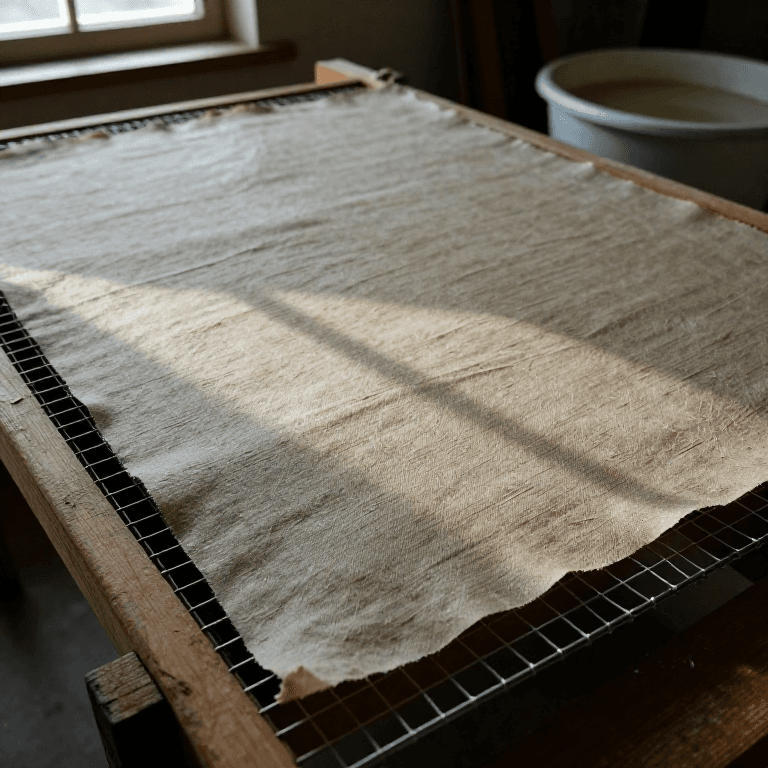
Ìtọ́nisọ́nà yìí ń ṣe


Blueprint tó jọra
Àwọn blueprint wọ̀nyí pín ìmọ̀ — ọ̀nà, ohun-èlò tàbí ìlànà

CC0 Àgbègbè Gbogbogbò
Blueprint yìí ti jáde lábẹ́ CC0. O lè ṣe àdàkọ, yí padà, pín, àti lò láìsí ìyọ̀ǹda.
Ṣàtìlẹ́yìn Olùṣẹ́dá nípa rírà àwọn ọjà nipasẹ̀ Blueprint wọn Ẹ̀san Olùṣẹ́dá tí àwọn Olùtajà gbé kalẹ̀, tàbí ṣẹ̀dá àtúnṣe tuntun ti Blueprint yìí kí o sì fi sínú Blueprint rẹ gẹ́gẹ́ bí ìsopọ̀ láti pín owó-wíwọlé.