IṢẸ́ ỌNÀ
ẸWÀ ÀTI ÌLERA
IṢẸ́ ỌWỌ́
ÀṢÀ ÀTI ÌTÀN
ÌṢERÉ
ÀYÍKÁ
OÚNJẸ ÀTI OHUN MÍMU
REVERSE ENGINEERING
SÁYẸ́ǸSÌ
ERÉ ÌDÁRAYÁ
ÌMỌ̀-Ẹ̀RỌ
ÀWỌN OHUN WÍWỌ̀


Counter-Rotating Egg Beater: One Wheel, Two Beaters Turning Opposite Ways
A single whisk carries the egg round with it rather than cutting through it.
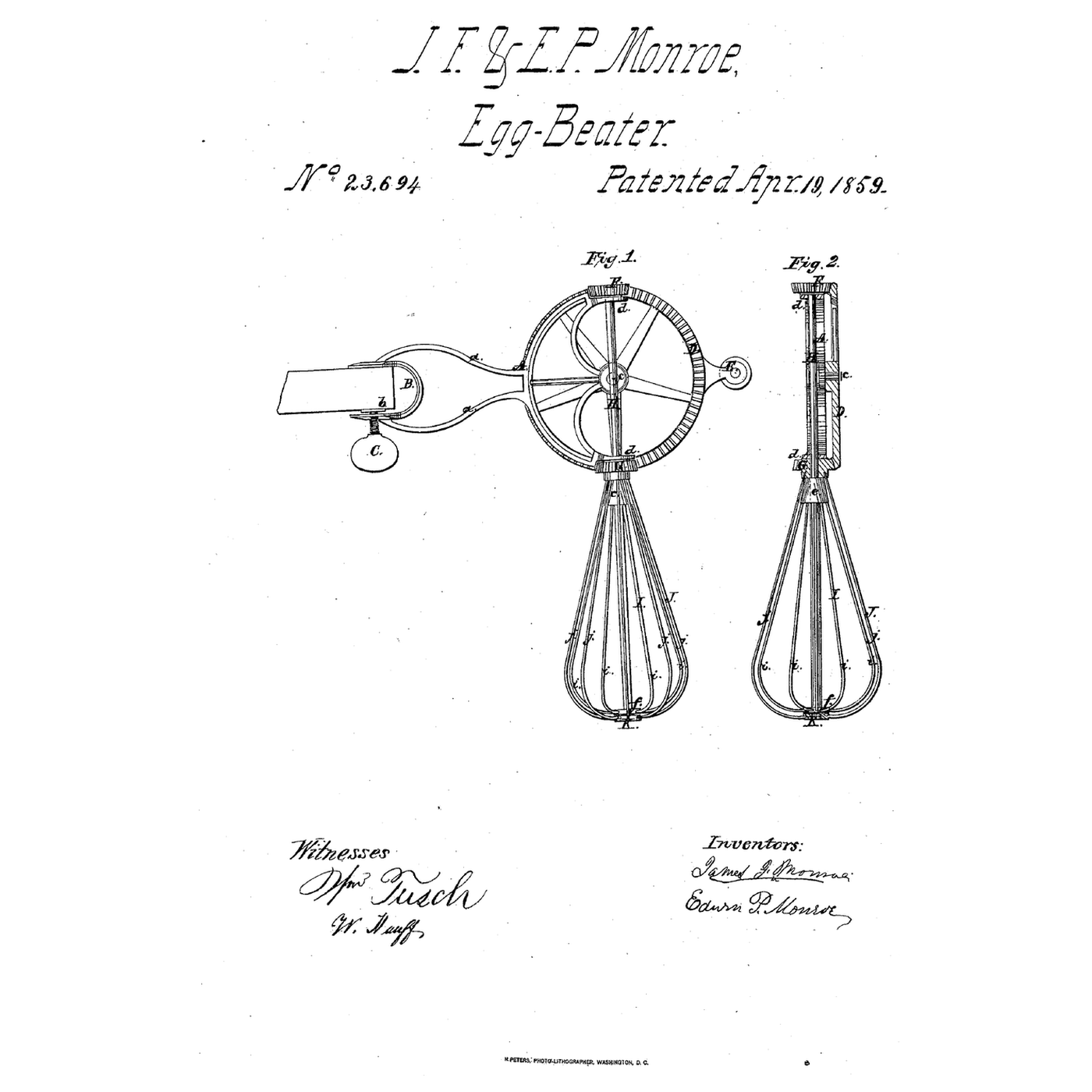
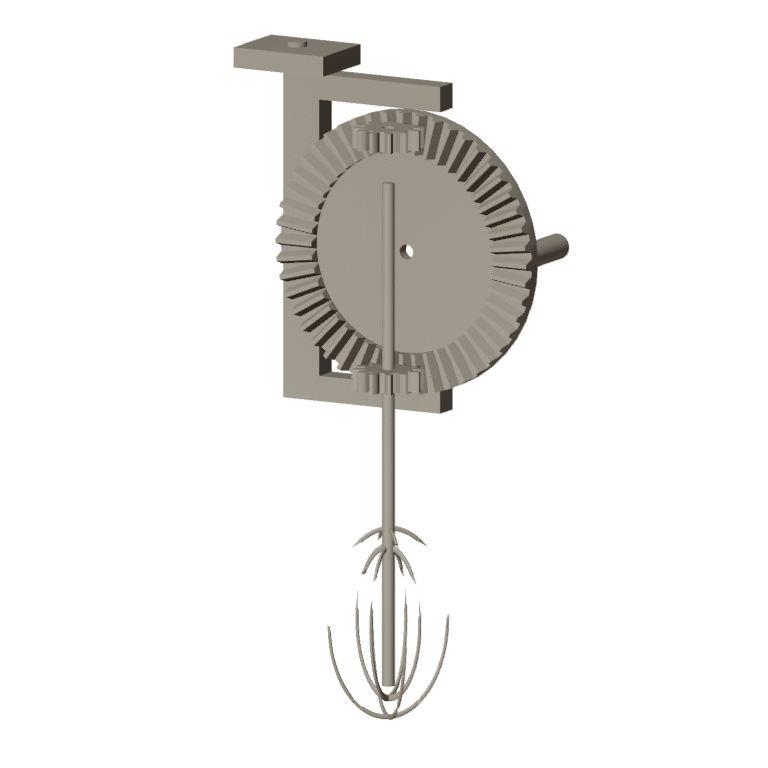
James F. Monroe of Fitchburg, Massachusetts, and E. P. Monroe of New York received US 23,694, dated 19 April 1859, for an egg beater: a frame clamped to a table carries a bevel wheel turned by a handle, gearing into two pinions on opposite sides of it; one turns an inner beater of bent wires, the other an outer beater round it, "in opposite directions."
This rung works out the beater speeds, then prints the crown wheel and pinions, bends the beaters, and times a beating.
Àárín
About 5 hours, plus printing
Ìlànà
1
1
Beater speeds
Beater speeds
Ń ṣí ìwé Jupyter…
2
2
The gear train it uses
The gear train it uses
The embedded blueprint works gear ratios and direction. Monroe takes two pinions off opposite sides of one wheel so they turn opposite ways.
3
3
Read US 23,694
Read US 23,694
"This invention consists in arranging in an adjustable frame two beaters, one inside the other, which receive motion in opposite directions by means of two pinions which gear into a large bevel wheel and on opposite sides of the same, so that by rotating the bevel wheel by means of a handle the beaters receive the required motion."
4
4
Print the gears
Print the gears
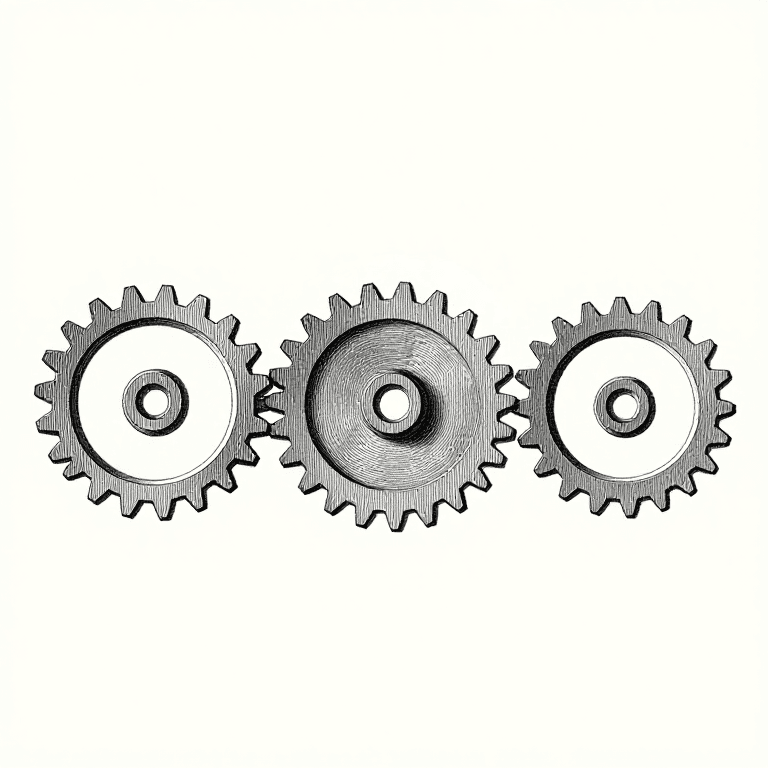
Print the 48-tooth crown wheel (/uploads/blueprints/counter-rotating-egg-beater-crown-wheel.stl) and two 12-tooth pinions (/uploads/blueprints/counter-rotating-egg-beater-pinion.stl). Print in PETG at 0.2 mm layers, 30 % infill, 4 walls.
Àwọn ohun èlò fún ìgbésẹ̀ yìí:
 Okùn PETG1 ẹyọ
Àwọn irinṣẹ́ tí a nílò:
 Ẹ̀rọ ìtẹ̀ 3D oníwàyà (FDM)
5
5
Build the frame
Build the frame
Cut a plywood upright and two arms. Bolt the crown wheel to the upright on an M5 screw with washers so it turns freely, and fix a handle screw near its rim. Drill the arms 5 mm on the line through both pinions' centres.
Àwọn ohun èlò fún ìgbésẹ̀ yìí:
 Àwo igi tí a lẹ̀ pọ̀1 ẹyọ
 Skurú ẹ̀rọ1 ẹyọ
 Wáṣà Pẹrẹsẹ1 ẹyọ
 Nọ́ọ̀tì Onígun Mẹ́fà1 ẹyọ
 Ìsúrù igi #8 x 1"1 ẹyọ
Àwọn irinṣẹ́ tí a nílò:
 Ayùn Kópìngì
 Ẹ̀rọ Ìlùkòkò Aláìlókùn
 Àkójọ Orí Ìlùkòkò
 Kọ́kọ́rọ́ tí a lè ṣàtúnṣe
 Ìṣù àwọn ohun ìyí skurú
6
6
Arbor and inner beater
Arbor and inner beater
Cut 200 mm of 5 mm rod. Epoxy one pinion on it to mesh at the wheel's top, and bend two wire loops 28 mm across at its lower end.
Àwọn ohun èlò fún ìgbésẹ̀ yìí:
 Ọ̀pá Róbótó Irin Rírọ̀1 ẹyọ
 Okùn irin aláìjẹrùn1 ẹyọ
 Ẹpọ́ksì Ẹ̀yà Méjì1 ẹyọ
Àwọn irinṣẹ́ tí a nílò:
 Ayùn Irin
 Ẹ̀mú Olórí Yíká
 Ẹmú Ẹnu Pẹrẹsẹ
7
7
Sleeve and outer beater
Sleeve and outer beater
Glue the second pinion to a length of silicone tube sleeved loosely over the rod, meshing at the wheel's bottom. Bend two wire loops 48 mm across and fix them to the sleeve's lower end, round the inner beater.
Àwọn ohun èlò fún ìgbésẹ̀ yìí:
 Ọ̀pọ̀n Sílíkọ́nì1 ẹyọOkùn irin aláìjẹrùn1 ẹyọẸpọ́ksì Ẹ̀yà Méjì1 ẹyọ
Àwọn irinṣẹ́ tí a nílò:
Ẹ̀mú Olórí YíkáẸmú Ẹnu Pẹrẹsẹ Òṣùwọ̀n Kálípà Díjítà Ìnṣì 6
8
8
The patent drawing
The patent drawing
US 23,694 drawing sheet, public domain (expired patent).
9
9
Beat egg whites
Beat egg whites
Clamp the frame to the table over the bowl with two egg whites. Turn the handle about once a second and time how long until they hold stiff peaks.
Àwọn ohun èlò fún ìgbésẹ̀ yìí:
 Ẹyin2 ẹyọ
Àwọn irinṣẹ́ tí a nílò:
 Àwo ìdàpọ̀ ńlá ti irin tí kò ń yá
 Aago Ìdúró
10
10
Beaters that turn together, jam or clash
Beaters that turn together, jam or clash
Counter-rotating egg beater troubleshooting.
Flow
Loading...
11
11
History and honest limits
History and honest limits
**James F. Monroe** of Fitchburg, Massachusetts, and **E. P. Monroe** of New York, assignors to E. P. Monroe, received US 23,694, dated 19 April 1859, reissued 16 October 1860 (No. 1,062). The frame's fork clamps to a table with a set screw and washer. The second pinion lies loose on the arbor, driving the outer beater whose lower collar turns loosely round the arbor's end. They noted it also mixes paint.
**Honest limits.** FDM prints hold food in their layer lines, so wash well and replace when worn. A crown wheel and spur pinions stand in for his bevel gears, and a silicone sleeve for his loose pinion. Your times are the result.
Àwọn ohun-èlò
11- 1 ẹyọÀyè
- 1 ẹyọÀyè
- 1 ẹyọÀyè
- 1 ẹyọÀyè
- 1 ẹyọÀyè
- 1 ẹyọÀyè
- Àyè
- 2 ẹyọÀyè
- 2 ẹyọÀyè
- 1 ẹyọÀyè
- 2 ẹyọÀyè
Àwọn irinṣẹ́ tó nílò
12- Àyè
- 1 vendor sell this, none ship to you yetÀyè
- Àyè
- Àyè
Ìtọ́nisọ́nà yìí ń ṣe
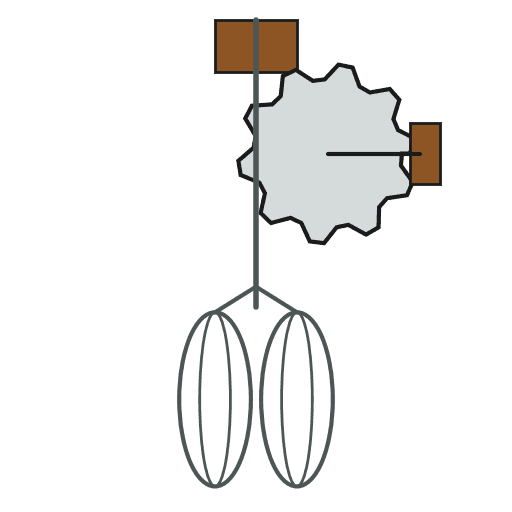
Blueprint tó jọra
Àwọn blueprint wọ̀nyí pín ìmọ̀ — ọ̀nà, ohun-èlò tàbí ìlànà

CC0 Àgbègbè Gbogbogbò
Blueprint yìí ti jáde lábẹ́ CC0. O lè ṣe àdàkọ, yí padà, pín, àti lò láìsí ìyọ̀ǹda.
Ṣàtìlẹ́yìn Olùṣẹ́dá nípa rírà àwọn ọjà nipasẹ̀ Blueprint wọn Ẹ̀san Olùṣẹ́dá tí àwọn Olùtajà gbé kalẹ̀, tàbí ṣẹ̀dá àtúnṣe tuntun ti Blueprint yìí kí o sì fi sínú Blueprint rẹ gẹ́gẹ́ bí ìsopọ̀ láti pín owó-wíwọlé.