IṢẸ́ ỌNÀ
ẸWÀ ÀTI ÌLERA
IṢẸ́ ỌWỌ́
ÀṢÀ ÀTI ÌTÀN
ÌṢERÉ
ÀYÍKÁ
OÚNJẸ ÀTI OHUN MÍMU
REVERSE ENGINEERING
SÁYẸ́ǸSÌ
ERÉ ÌDÁRAYÁ
ÌMỌ̀-Ẹ̀RỌ
ÀWỌN OHUN WÍWỌ̀
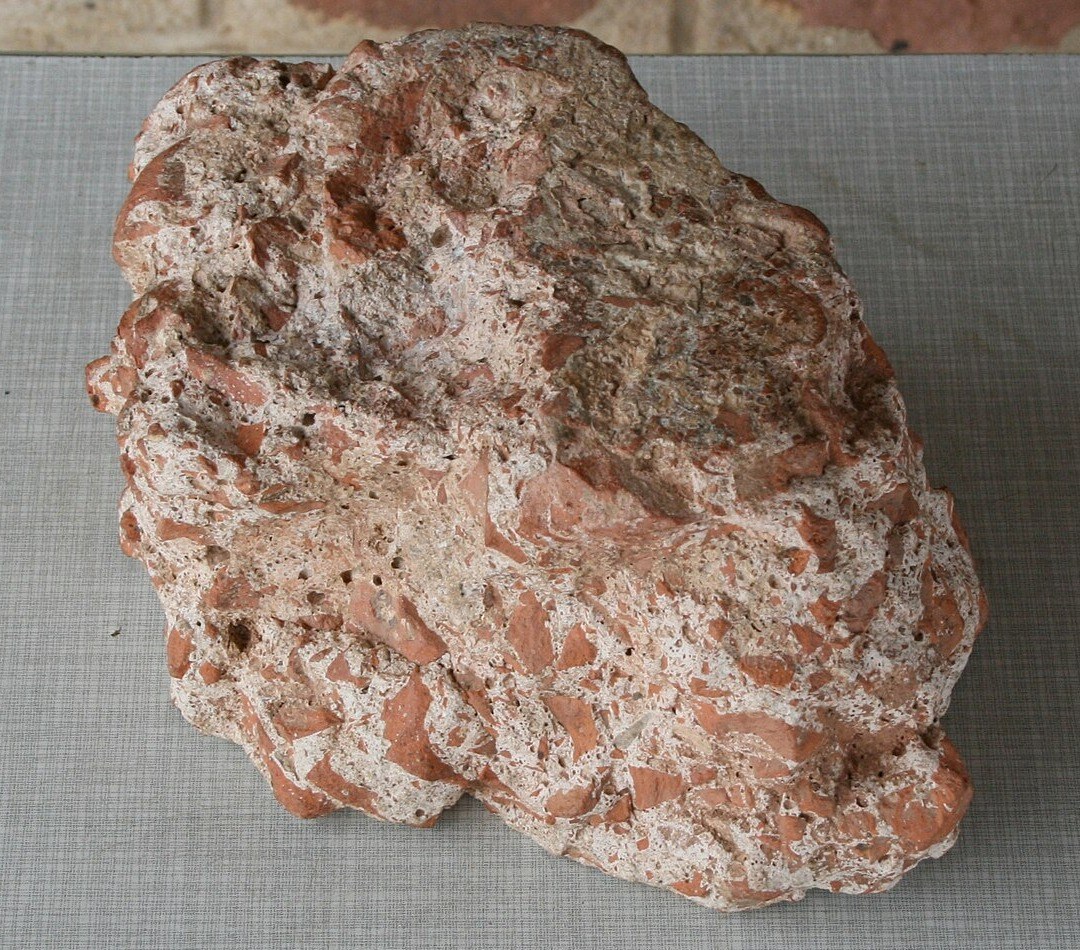


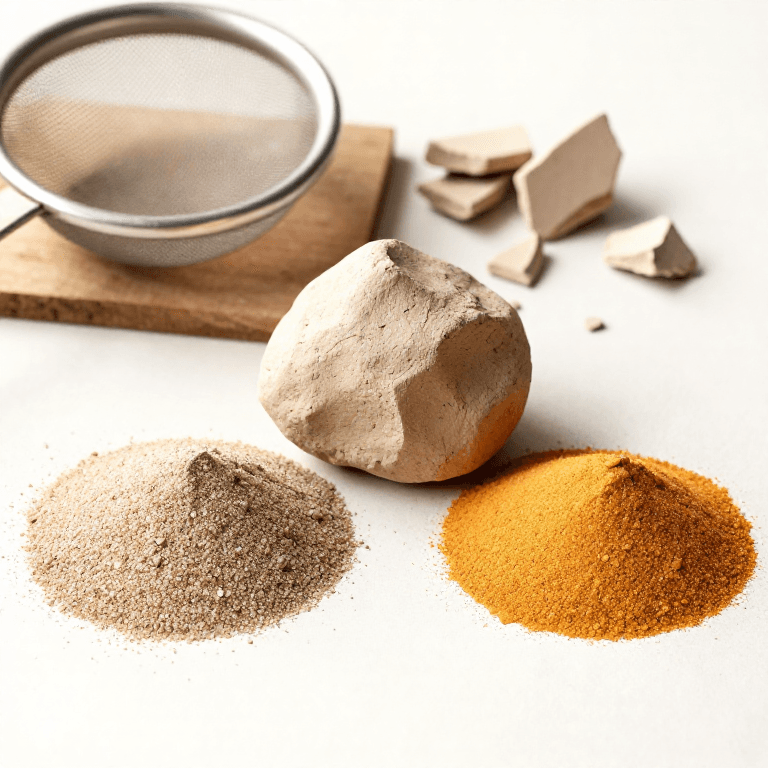
Crushed Terracotta for Cocciopesto, Coarse and Fine
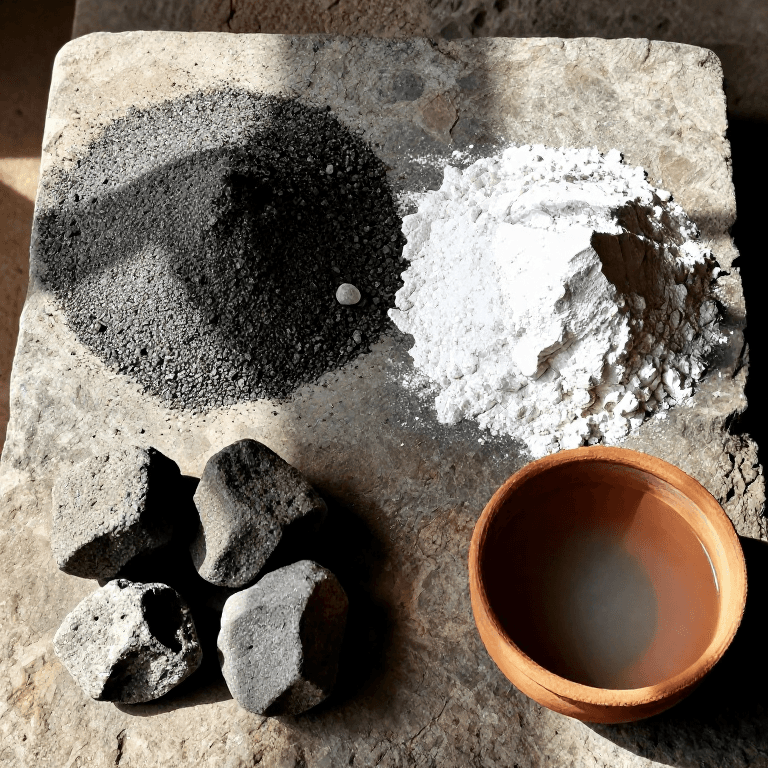
Broken pottery, tile or brick, crushed and mixed with lime, made the Roman waterproof mortar opus signinum (cocciopesto), used for baths, aqueducts and cisterns. Pliny says the broken pottery was beaten to powder. Crush fired brick or tile and sieve it into a coarse grade and a fine powder.
The picture: a fragment of Roman pavement, broken pottery set in lime.
Olùbẹ̀rẹ̀
Half a day
Ìlànà
1
1
Break it up
Break it up
Put fired bricks or tile pieces in a sack and break them with the sledgehammer into pieces smaller than a walnut. Wear glasses.
Àwọn ohun èlò fún ìgbésẹ̀ yìí:
 Bíríkì amọ̀ tí a sun3 ẹyọ
Àwọn irinṣẹ́ tí a nílò:
 Àpò jute
 Òòlù ńlá
 Gíláàsì ààbò
2
2
Sieve the coarse grade
Sieve the coarse grade
Shake the crush through the sieve. What passes is the coarse grade; what stays goes back in the sack to be crushed again.
Àwọn irinṣẹ́ tí a nílò:
 Ajọ̀
 Bàkẹ́ẹ̀tì
3
3
Pound to powder
Pound to powder
Pound some of the coarse grade in the mortar and shake it through the fine sieve. What passes is the fine powder.
Àwọn irinṣẹ́ tí a nílò:
 Odó àti Ọmọ Odó Òkúta
 Ajọ Ojú KékeréBàkẹ́ẹ̀tìGíláàsì ààbò
4
4
Store
Store
Keep each grade dry in its own bucket, ready to mix with lime.
Àwọn irinṣẹ́ tí a nílò:
Bàkẹ́ẹ̀tì5
5
Sorting the crush
Sorting the crush
Ń ṣí ìwé Jupyter…
Àwọn ohun-èlò
1- 3 ẹyọÀyè
Ìtọ́nisọ́nà yìí ń ṣe

Blueprint tó jọra
Àwọn blueprint wọ̀nyí pín ìmọ̀ — ọ̀nà, ohun-èlò tàbí ìlànà


CC0 Àgbègbè Gbogbogbò
Blueprint yìí ti jáde lábẹ́ CC0. O lè ṣe àdàkọ, yí padà, pín, àti lò láìsí ìyọ̀ǹda.
Ṣàtìlẹ́yìn Olùṣẹ́dá nípa rírà àwọn ọjà nipasẹ̀ Blueprint wọn Ẹ̀san Olùṣẹ́dá tí àwọn Olùtajà gbé kalẹ̀, tàbí ṣẹ̀dá àtúnṣe tuntun ti Blueprint yìí kí o sì fi sínú Blueprint rẹ gẹ́gẹ́ bí ìsopọ̀ láti pín owó-wíwọlé.