IṢẸ́ ỌNÀ
ẸWÀ ÀTI ÌLERA
IṢẸ́ ỌWỌ́
ÀṢÀ ÀTI ÌTÀN
ÌṢERÉ
ÀYÍKÁ
OÚNJẸ ÀTI OHUN MÍMU
REVERSE ENGINEERING
SÁYẸ́ǸSÌ
ERÉ ÌDÁRAYÁ
ÌMỌ̀-Ẹ̀RỌ
ÀWỌN OHUN WÍWỌ̀
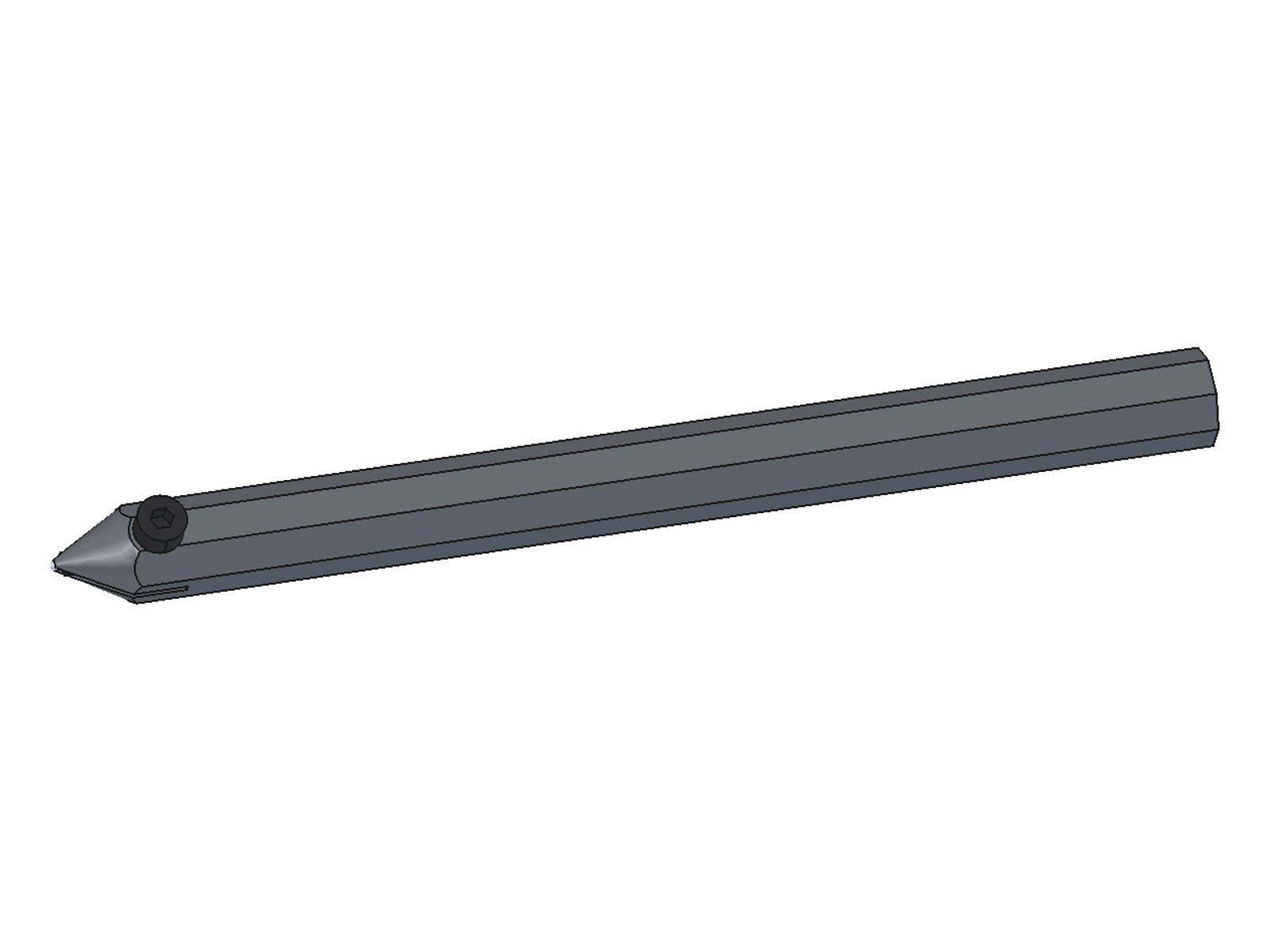


Diamond Scriber: a Diamond Clamped in a Slotted Steel Shank (after Poulain, 1920)
A scriber that marks glass, ceramic, hardened steel and stone: a small diamond held in the slotted tip of a tool steel bar and clamped by one screw. Paul Poulain patented this way of holding a diamond in 1920: the shank split into two jaws, a bolt through one jaw into the other, and a plate behind the stone.
Àárín
About 2 hours
Ìlànà
1
1
How a scriber is used
How a scriber is used
Marking lines with a scribe (JewelrySupply). A diamond point does the same on glass and hardened steel.
2
2
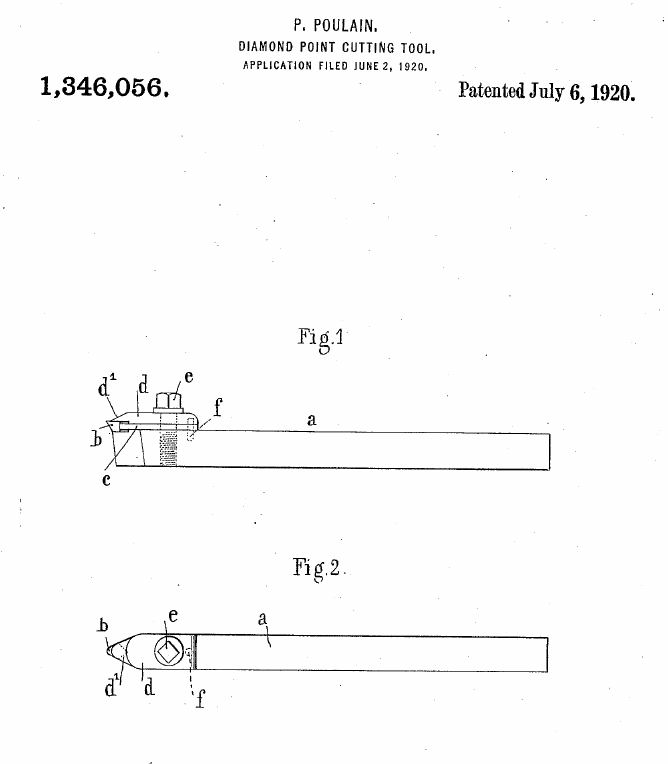
Poulain's diamond holder, 1920
Poulain's diamond holder, 1920
US 1,346,056: the diamond b sits at the bevelled end of a steel shank a, a plate c behind it as an abutment, an upper jaw d pressing on both, clamped by a bolt e. He adds that the shank may instead be slotted, gripping the stone between the two jaws with a bolt through one jaw into the other: that is how this scriber is made.
3
3
Print the drawing
Print the drawing
The scriber at 1:1, side and top views. Print at 100 % and check the 50 x 10 mm box.
4
4
Shape the shank
Shape the shank
Cut 130 mm of 10 mm octagonal tool steel and file one end to a 60 degree point, 8.7 mm long. Leave the steel soft, as supplied.
Àwọn ohun èlò fún ìgbésẹ̀ yìí:
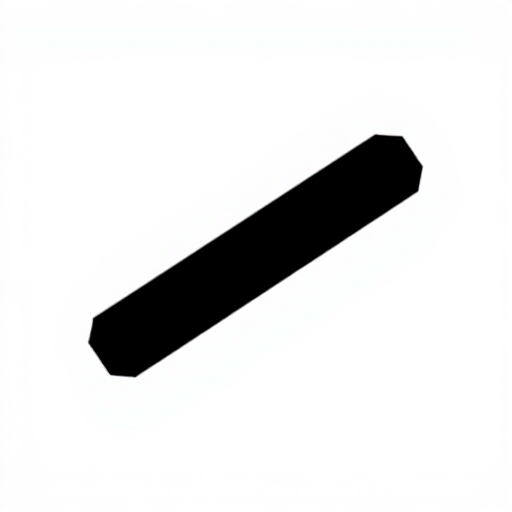 Ọ̀pá onígun mẹ́jọ irin irinṣẹ́1 piece (10 mm octagonal, 130 mm)
Àwọn irinṣẹ́ tí a nílò:
 Ayùn Irin
 Ìfá Irin
 Ìdìmú Tábìlì
 Òṣùwọ̀n Kálípà Díjítà Ìnṣì 6
5
5
Slot the tip
Slot the tip
Saw a slot 14 mm deep straight down the axis through the point, about 0.8 mm wide (one hacksaw cut). File the slot faces clean; the two halves are the jaws.
Àwọn irinṣẹ́ tí a nílò:
Ayùn IrinÌfá IrinÌdìmú Tábìlì6
6
Drill and tap the jaws
Drill and tap the jaws
Punch a mark on a flat, 11 mm from the tip, across the slot. Drill 2.5 mm through both jaws; open the near jaw to 3.2 mm and tap the far jaw M3.
Àwọn irinṣẹ́ tí a nílò:
 Igi Àmì Àárín
 Àkójọ Orí Ìlùkòkò
 Ìtò irinṣẹ́ ìgé iháÌdìmú Tábìlì
7
7
Set the diamond
Set the diamond
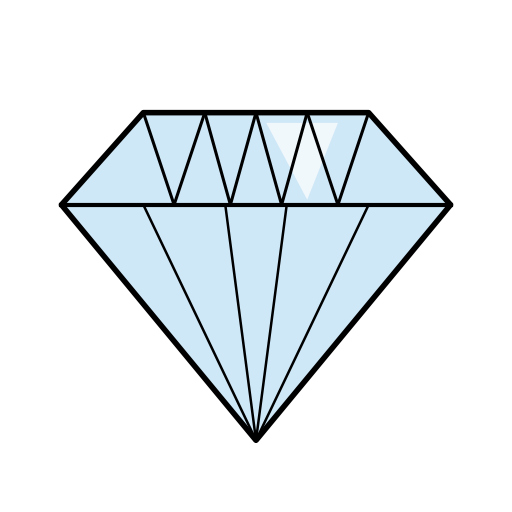
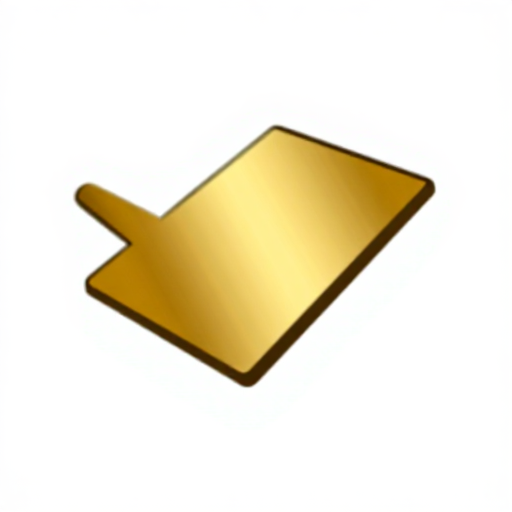
Cut a strip of brass sheet to fill the slot behind the stone (the abutment). Under a lens, seat the stone at the apex of the slot with its sharpest corner out by about half a millimetre, slide the brass in behind it and tighten the M3 x 10 screw.
Àwọn ohun èlò fún ìgbésẹ̀ yìí:
 Industrial Diamond1 piece (about 1 mm)
 Pẹlẹbẹ Bronse1 piece (strip, 0.5 mm x 3 x 12 mm)
 Ìṣọ Onípọ̀n Orí Sokẹ́ẹ̀tì1 piece (M3 x 10)
Àwọn irinṣẹ́ tí a nílò:
 Gílásì Ìgbéga Ọwọ́ 10x
 Ìlàǹkàn irin
 Ìdìpọ̀ kọ́kọ́rọ́ igun mẹ́fà
8
8
Troubleshooting
Troubleshooting
Scriber problems and fixes.
Flow
Loading...
9
9
History and honest limits
History and honest limits
Paul Poulain, Paris: US 1,346,056, "Diamond-Point Cutting-Tool", filed 2 June 1920, granted 6 July 1920, a lathe tool for cutting steel, bronze, fibre, ebonite, paper and rubber. Ours: the hand scriber made from his slotted-shank variant, and every size. Not made by us yet.
Àwọn ohun-èlò
4- 1 piece (10 mm octagonal, 130 mm)Àyè
- 1 piece (about 1 mm)Àyè
- 1 piece (strip, 0.5 mm x 3 x 12 mm)Àyè
- 1 piece (M3 x 10)Àyè
Àwọn irinṣẹ́ tó nílò
10- Àyè
- Àyè
- Àyè
- Àyè
Àwọn fáìlì àpẹrẹ
1Àwọn Ohun Èlò Ìtọ́nisọ́nà Tí A So Pọ̀
Ìtọ́nisọ́nà yìí ń ṣe

CC0 Àgbègbè Gbogbogbò
Blueprint yìí ti jáde lábẹ́ CC0. O lè ṣe àdàkọ, yí padà, pín, àti lò láìsí ìyọ̀ǹda.
Ṣàtìlẹ́yìn Olùṣẹ́dá nípa rírà àwọn ọjà nipasẹ̀ Blueprint wọn Ẹ̀san Olùṣẹ́dá tí àwọn Olùtajà gbé kalẹ̀, tàbí ṣẹ̀dá àtúnṣe tuntun ti Blueprint yìí kí o sì fi sínú Blueprint rẹ gẹ́gẹ́ bí ìsopọ̀ láti pín owó-wíwọlé.