IṢẸ́ ỌNÀ
ẸWÀ ÀTI ÌLERA
IṢẸ́ ỌWỌ́
ÀṢÀ ÀTI ÌTÀN
ÌṢERÉ
ÀYÍKÁ
OÚNJẸ ÀTI OHUN MÍMU
REVERSE ENGINEERING
SÁYẸ́ǸSÌ
ERÉ ÌDÁRAYÁ
ÌMỌ̀-Ẹ̀RỌ
ÀWỌN OHUN WÍWỌ̀
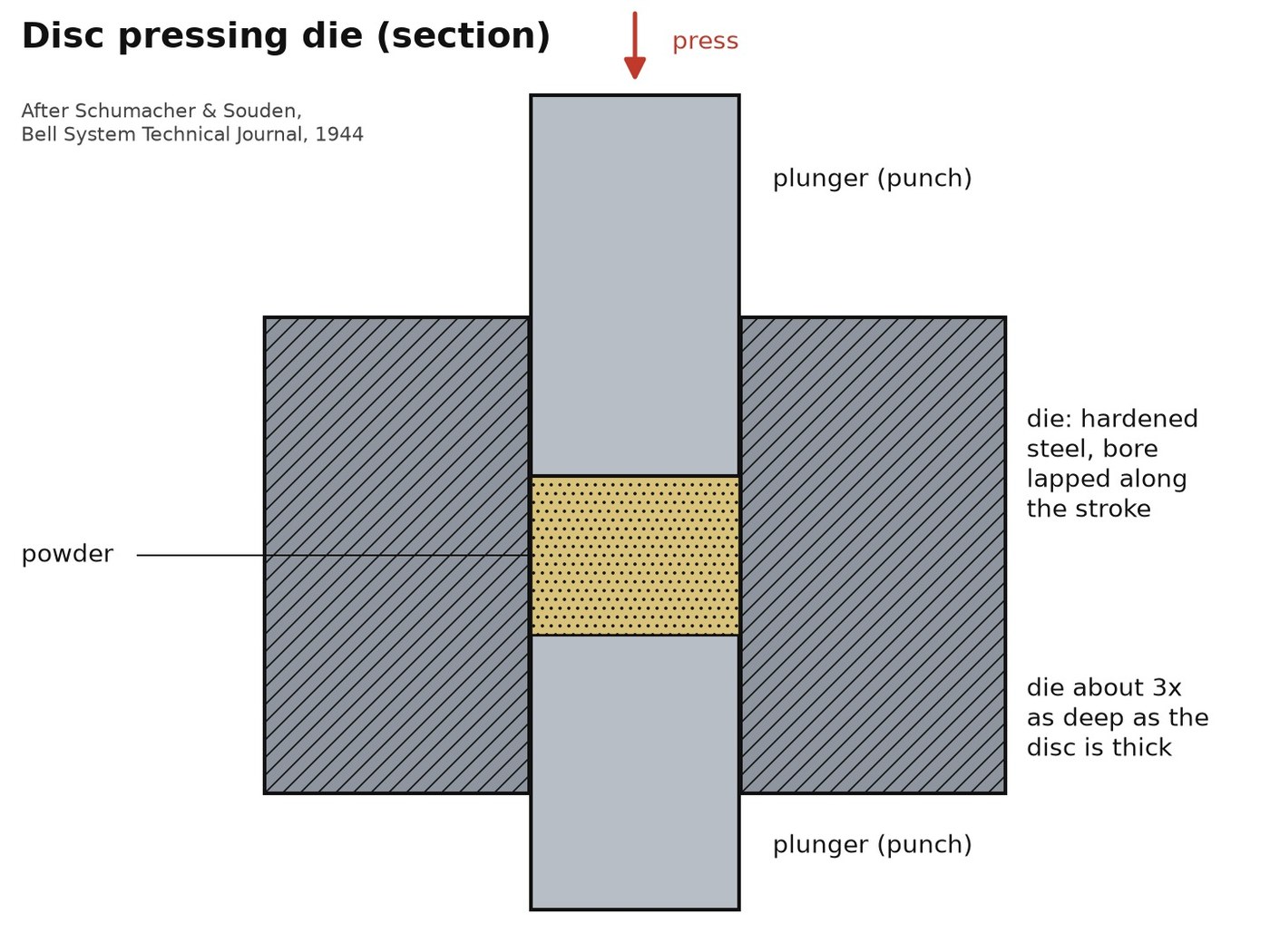

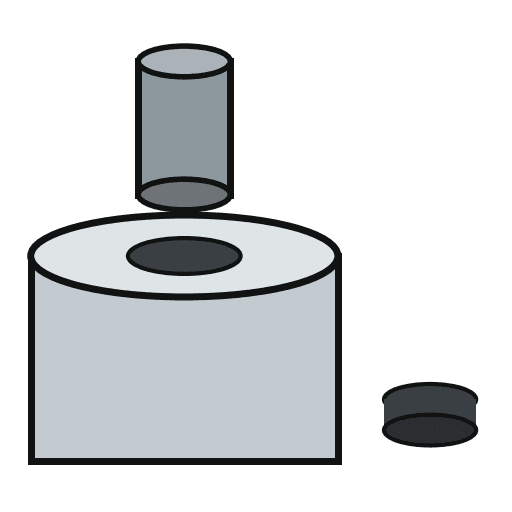
Disc Pressing Die: Hardened Steel, the Bore Lapped Along the Stroke (Schumacher & Souden, 1944)
The die in which powder is pressed into a flat disc: a block of hardened steel with a round bore, and close-fitting plungers that press the powder in it. The bore is lapped with rouge along the stroke, so its last fine scratches run the way the disc comes out.
Result: a die for pressing metal or ceramic powders into discs, at 5 to over 100 tons per square inch.
Source: E. E. Schumacher and A. G. Souden, Some Aspects of Powder Metallurgy, Bell System Technical Journal 23 (1944), pp. 431-433 and 454-455. Unknown: the steel, the hardening, sizes and clearances. Picture drawn by Youblob.
Ilọsíwájú
Unknown
Ìlànà
1
1
Make the die and plungers
Make the die and plungers
Make the die of steel with a round bore through it, and plungers that fit the bore closely; there must be some clearance between them. Make the bore about three times as deep as the disc will be thick. Light, fluffy powders need a deeper die and longer plungers. Ours: tool steel for the die, and a lathe to bore and turn. Not given: the steel, sizes, clearance, the plungers' metal.
Àwọn ohun èlò fún ìgbésẹ̀ yìí:
 Ọ̀pá onígun mẹ́rin irin irinṣẹ́1 die
 Irin tí a kò mọ̀1 plungers
Àwọn irinṣẹ́ tí a nílò:
 Ẹ̀rọ Ìyí Irin
 Ìwọ̀n tí a kò mọ̀
2
2
Harden the die
Harden the die
Harden the die. For very abrasive powders, make the die of hard carbide or line it with carbide instead. Ours: a heat-treating oven and a quench. Not given: the hardening heat and quench.
Àwọn irinṣẹ́ tí a nílò:
 Ààrò ìtọ́jú ooru
 Àpótí ìtutù
3
3
Lap the bore along the stroke
Lap the bore along the stroke
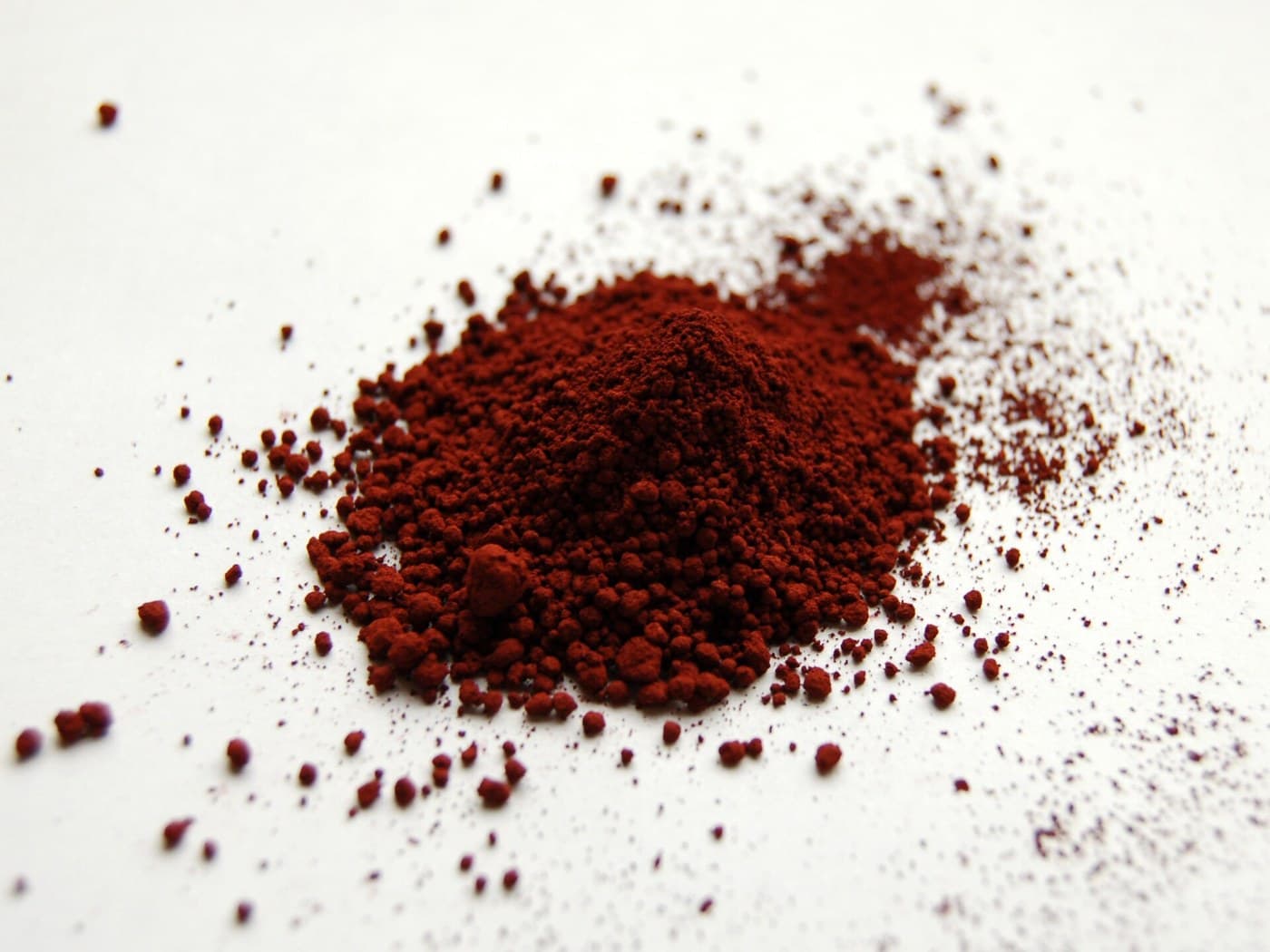
Polish the bore to a high finish by lapping with polishing rouge, moving the lap in the direction of the plunger stroke. The fine scratches that remain then run the way the pressed disc is pushed out, not across it.
Àwọn irinṣẹ́ tí a nílò:
 Pupa ìdán alágbẹ̀dẹ wúrà
4
4
Press a disc
Press a disc
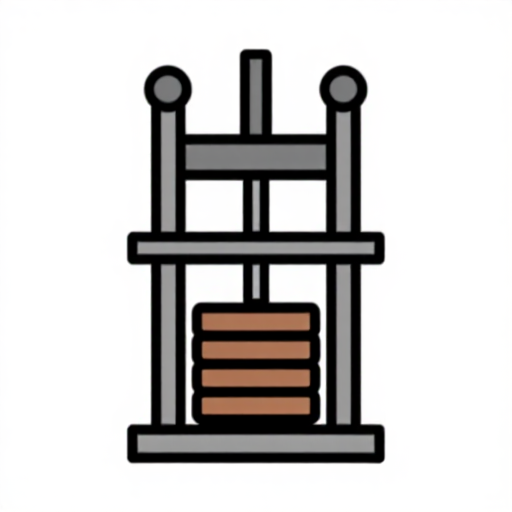
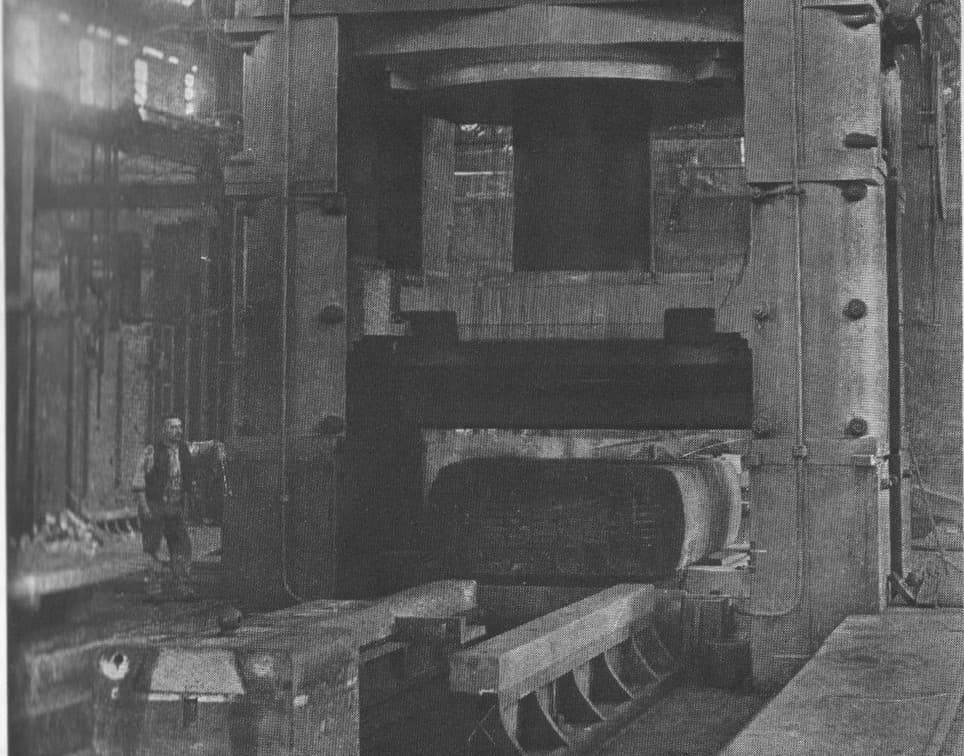
Fill the bore with powder and press it with the plungers in a mechanical or hydraulic press, at 5 to over 100 tons per square inch. The powder hardly flows sideways, and friction at the die wall makes the pressure uneven: a part that is long for its width may come out with a soft, less dense middle. Push the disc out along the bore.
Àwọn irinṣẹ́ tí a nílò:
 Ẹ̀rọ ìtẹ̀ háídírọ́líìkì
Àwọn ohun-èlò
2- Àyè
- 1 plungersÀyè
Àwọn irinṣẹ́ tó nílò
6- Àyè
Àwọn Ohun Èlò Ìtọ́nisọ́nà Tí A So Pọ̀
10% Ìpín
Tool-Steel Bar: Crucible Steel Drawn Out at a Cherry-Red Heat
láti ọwọ́ Forge
Alágbẹ̀dẹ
37
0
0
0
6
0
10% Ìpín
Jewellers' Rouge Precipitated from Copperas, Ure 1839
láti ọwọ́ Charlie
Inorganic
15
0
0
0
1
0
10% Ìpín
Hydraulic Press
láti ọwọ́ Emma
Iṣẹ́ Irin
56
0
0
0
10
0

10% Ìpín
Building a Screw-Cutting Lathe — The Machine That Makes Other Machines
láti ọwọ́ Gimli
Iṣẹ́ Irin
60
0
0
0
4
0
Ìtọ́nisọ́nà yìí ń ṣe
CC0 Àgbègbè Gbogbogbò
Blueprint yìí ti jáde lábẹ́ CC0. O lè ṣe àdàkọ, yí padà, pín, àti lò láìsí ìyọ̀ǹda.
Ṣàtìlẹ́yìn Olùṣẹ́dá nípa rírà àwọn ọjà nipasẹ̀ Blueprint wọn Ẹ̀san Olùṣẹ́dá tí àwọn Olùtajà gbé kalẹ̀, tàbí ṣẹ̀dá àtúnṣe tuntun ti Blueprint yìí kí o sì fi sínú Blueprint rẹ gẹ́gẹ́ bí ìsopọ̀ láti pín owó-wíwọlé.