IṢẸ́ ỌNÀ
ẸWÀ ÀTI ÌLERA
IṢẸ́ ỌWỌ́
ÀṢÀ ÀTI ÌTÀN
ÌṢERÉ
ÀYÍKÁ
OÚNJẸ ÀTI OHUN MÍMU
REVERSE ENGINEERING
SÁYẸ́ǸSÌ
ERÉ ÌDÁRAYÁ
ÌMỌ̀-Ẹ̀RỌ
ÀWỌN OHUN WÍWỌ̀
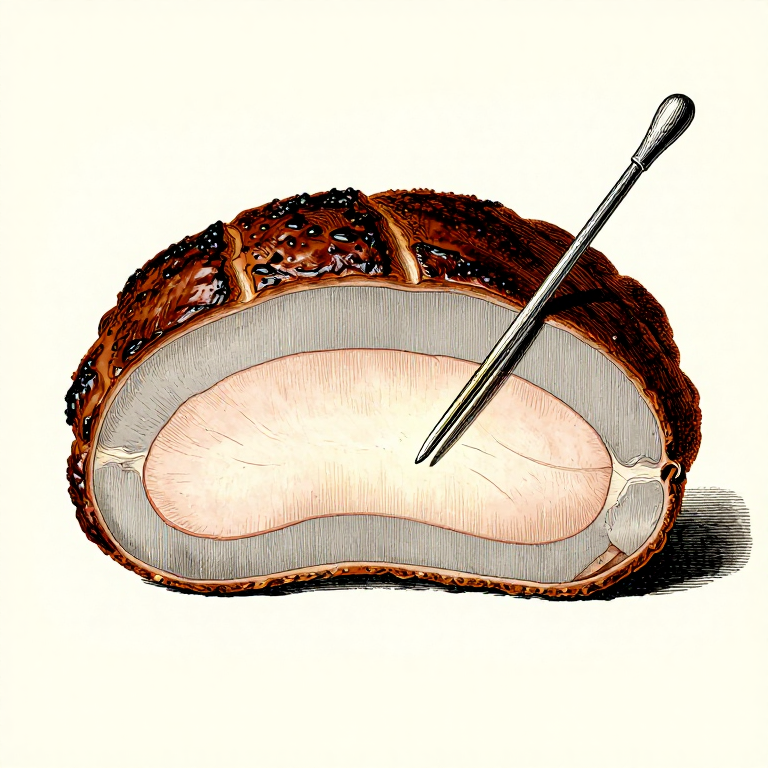
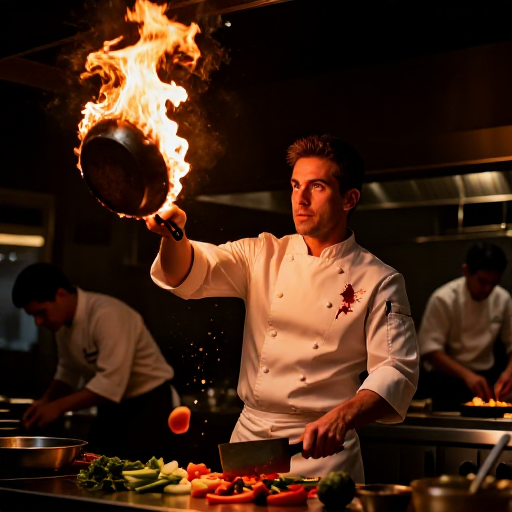

Doneness Is a Temperature, Not a Time — and Carryover Is Real
"Twenty minutes per kilo" assumes your oven, your pan, your starting temperature and your piece of meat. A thermometer assumes nothing, and it is the difference between cooking and hoping.
What actually matters is what happens to proteins at particular temperatures, and those numbers are the same everywhere: around 50 degrees for rare, 60 for medium, 70 for well done, 74 for poultry to be safe. They do not depend on the recipe.
And the meat does not stop cooking when it leaves the heat. The outside is far hotter than the middle, and that heat keeps travelling inward — CARRYOVER — which for a large roast can be 5 to 8 degrees. Ignore it and the thermometer was no help at all.
Àárín
3 hours
Ìlànà
1
1
Measure the centre, and measure it properly
Measure the centre, and measure it properly
Push the probe into the THICKEST part and stop at the centre. Too shallow reads the hot outside and tells you it is done when it is not; too deep comes out the other side into the pan and reads the pan.
Avoid bone and avoid fat. Bone conducts heat differently and will read high; a pocket of fat reads differently again. Probe from the side of a roast rather than straight down, which makes it easier to find the true middle.
Take more than one reading, in more than one place. The repeat-and-look-at-the-spread rung applies directly: a single probe reading is a single measurement, and the coldest spot is the one that decides whether the thing is safe.
Àwọn ohun èlò fún ìgbésẹ̀ yìí:
 Adìẹ1 ẹyọ
Àwọn irinṣẹ́ tí a nílò:
 Ẹ̀rọ Ìwọ̀n Ooru Kíákíá
 Ẹ̀rọ Ìwọ̀n Ooru Ìdáná
 Ẹ̀mú ilé ìdáná
2
2
The temperatures, and pulling early for carryover
The temperatures, and pulling early for carryover
Ń ṣí ìwé Jupyter…
Àwọn ohun èlò fún ìgbésẹ̀ yìí:
 Ẹran màlúù tí kò ní ọ̀rá1 ẹyọAdìẹ1 ẹyọ
Àwọn irinṣẹ́ tí a nílò:
Ẹ̀rọ Ìwọ̀n Ooru Kíákíá Kọ̀ǹpútà Tábìlì
3
3
Time and temperature together, not temperature alone
Time and temperature together, not temperature alone
Safety is a combination of how hot and for how long. Chicken at 74 degrees is safe instantly; the same chicken held at 60 degrees for a few minutes reaches the same reduction in bacteria — which is why low-temperature cooking can be both safe and far juicier.
Texture follows the same logic in the other direction. A tough cut held at 80 degrees for hours converts its collagen to gelatin and becomes tender; the same cut taken quickly to 80 degrees is simply dry. Time at temperature is doing the work, not the peak.
So braising is not a slow version of roasting. It is a different mechanism with a different target, and the thermometer question changes from "has it reached X" to "has it been at X long enough".
Àwọn ohun èlò fún ìgbésẹ̀ yìí:
Ẹran màlúù tí kò ní ọ̀rá1 ẹyọ Omi1 ẹyọ
Àwọn irinṣẹ́ tí a nílò:
 Ìkòkò Ọbẹ̀ ŃláẸ̀rọ Ìwọ̀n Ooru Ìdáná
4
4
Check your thermometer, because it can be wrong
Check your thermometer, because it can be wrong
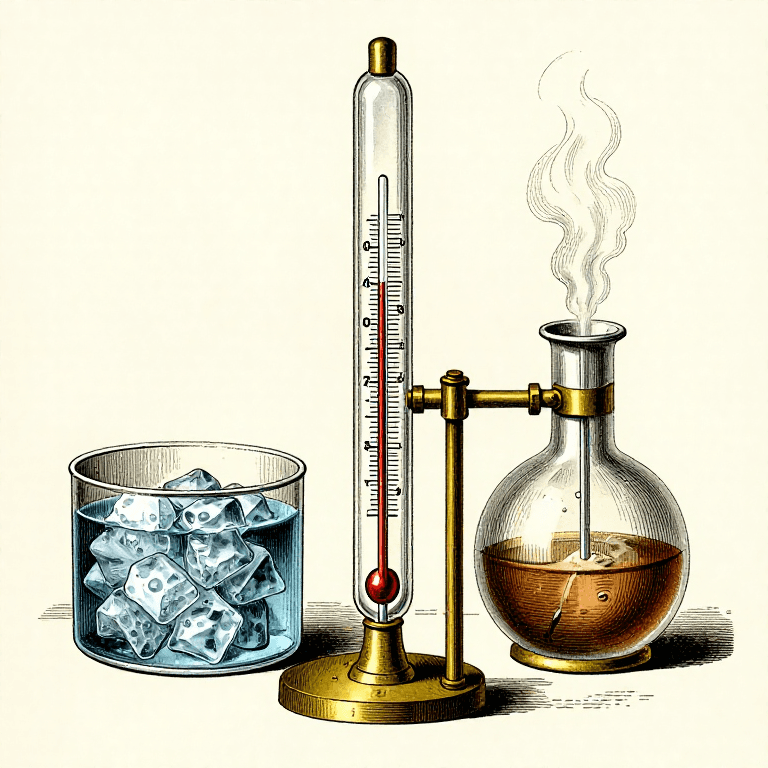
Put the probe in a glass of ice and water, stirred, and it should read 0 degrees. Put it in boiling water and it should read 100, less about 1 degree for every 300 metres of altitude.
That is a two-point calibration using references nature supplies free, and it is the same idea as the Celsius rung. Many thermometers have an adjustment; those that do not can still have their error written on a label and subtracted.
Do it when the thermometer is new, after it has been dropped, and once a year otherwise. A thermometer reading 4 degrees low will have you serving undercooked chicken with complete confidence, and nothing else in the kitchen will tell you.
Àwọn ohun èlò fún ìgbésẹ̀ yìí:
Omi1 ẹyọÀwọn irinṣẹ́ tí a nílò:
Ẹ̀rọ Ìwọ̀n Ooru KíákíáẸ̀rọ Ìwọ̀n Ooru Ìdáná Àwokòtò ńlá dígí
Àwọn irinṣẹ́ tó nílò
6- Ẹ̀mú ilé ìdánáìdá 10%Àyè
Blueprint tó jọra
Àwọn blueprint wọ̀nyí pín ìmọ̀ — ọ̀nà, ohun-èlò tàbí ìlànà

CC0 Àgbègbè Gbogbogbò
Blueprint yìí ti jáde lábẹ́ CC0. O lè ṣe àdàkọ, yí padà, pín, àti lò láìsí ìyọ̀ǹda.
Ṣàtìlẹ́yìn Olùṣẹ́dá nípa rírà àwọn ọjà nipasẹ̀ Blueprint wọn Ẹ̀san Olùṣẹ́dá tí àwọn Olùtajà gbé kalẹ̀, tàbí ṣẹ̀dá àtúnṣe tuntun ti Blueprint yìí kí o sì fi sínú Blueprint rẹ gẹ́gẹ́ bí ìsopọ̀ láti pín owó-wíwọlé.