IṢẸ́ ỌNÀ
ẸWÀ ÀTI ÌLERA
IṢẸ́ ỌWỌ́
ÀṢÀ ÀTI ÌTÀN
ÌṢERÉ
ÀYÍKÁ
OÚNJẸ ÀTI OHUN MÍMU
REVERSE ENGINEERING
SÁYẸ́ǸSÌ
ERÉ ÌDÁRAYÁ
ÌMỌ̀-Ẹ̀RỌ
ÀWỌN OHUN WÍWỌ̀
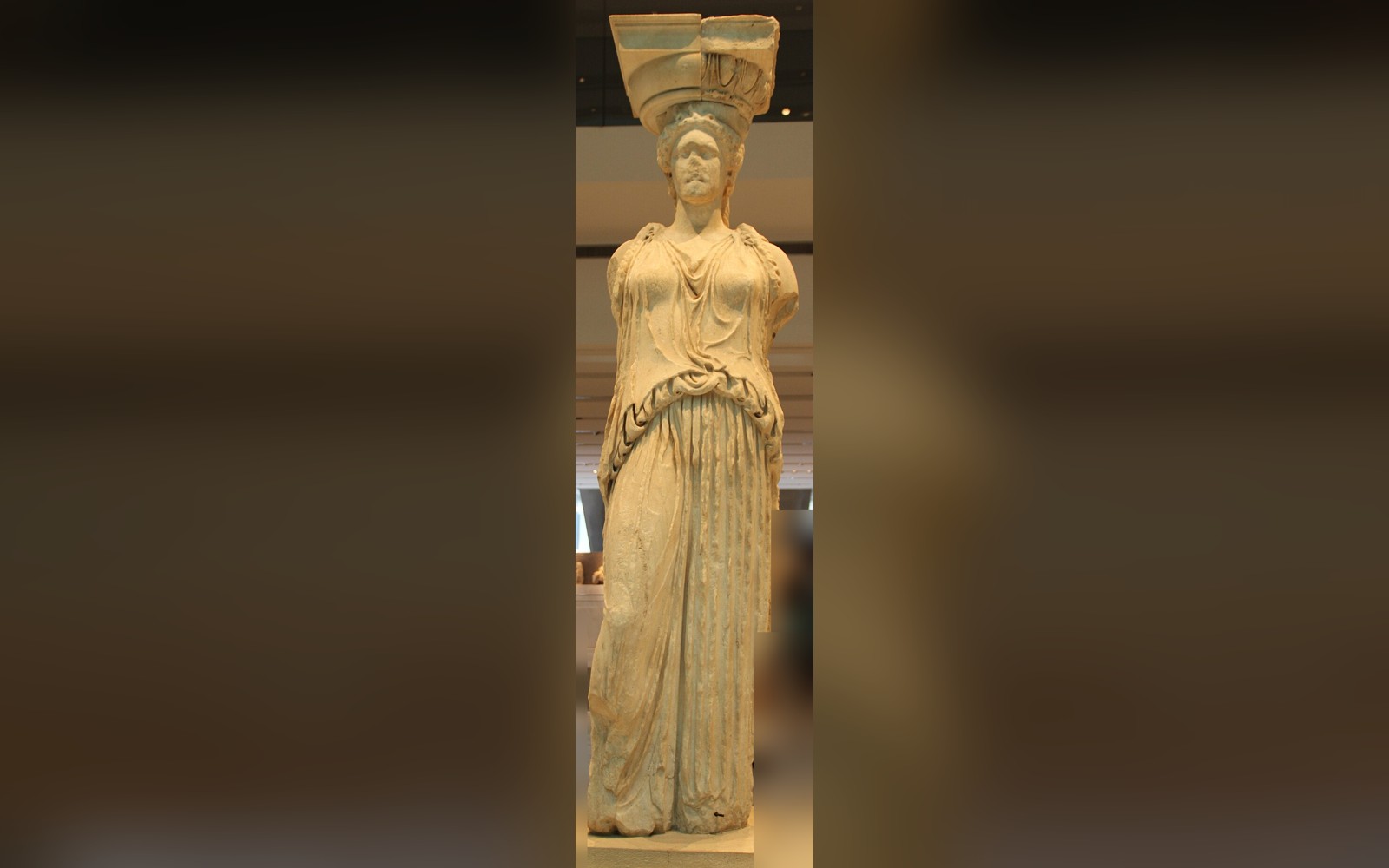


Women's Doric Dress, Made to Measure (Abrahams, 1908)
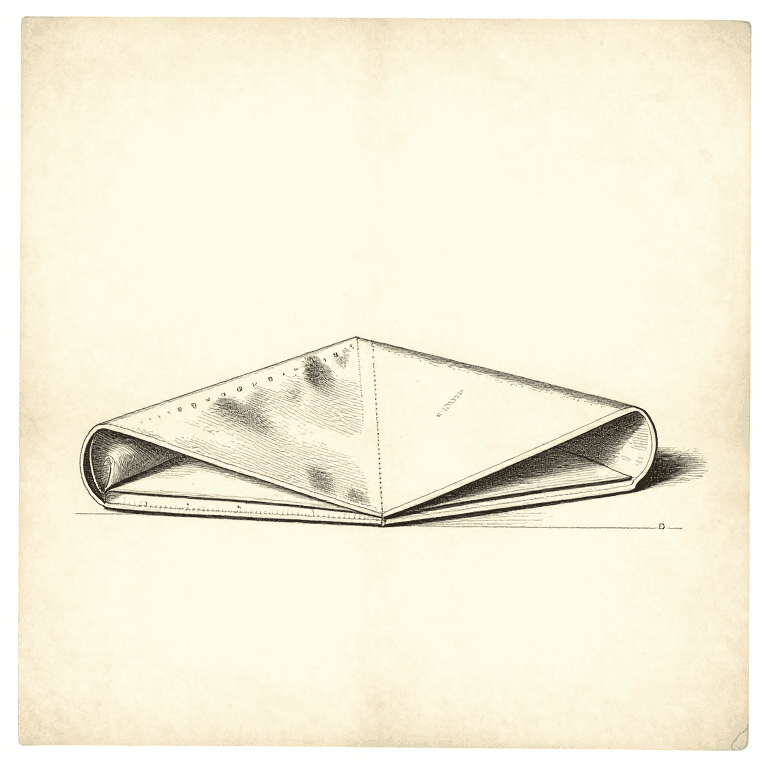
The simple Doric dress of Greek women, after Ethel Abrahams' Greek Dress (1908): one oblong of wool, folded over at the top, pinned on the shoulders and girded at the waist. The cut size comes from your own height and elbow span.
Olùbẹ̀rẹ̀
About 2 hours
Ìlànà
1
1
Draft your pattern
Draft your pattern
Enter your height and your elbow span (elbow to elbow, arms held out level with the shoulders) in your Wardrobe, or use Abrahams' own example, and draft: you get the size of the one oblong to cut.
Àwọn irinṣẹ́ tí a nílò:
 Okùn Ìdíwọ̀n
2
2
Read Greek Dress, ch. III
Read Greek Dress, ch. III
"It consists of a large oblong piece of material, in length about 1 ft. more than the height of the wearer, in width about twice the distance from elbow to elbow when the wearer's arms are held out horizontally at shoulder level."
3
3
Cut the oblong
Cut the oblong
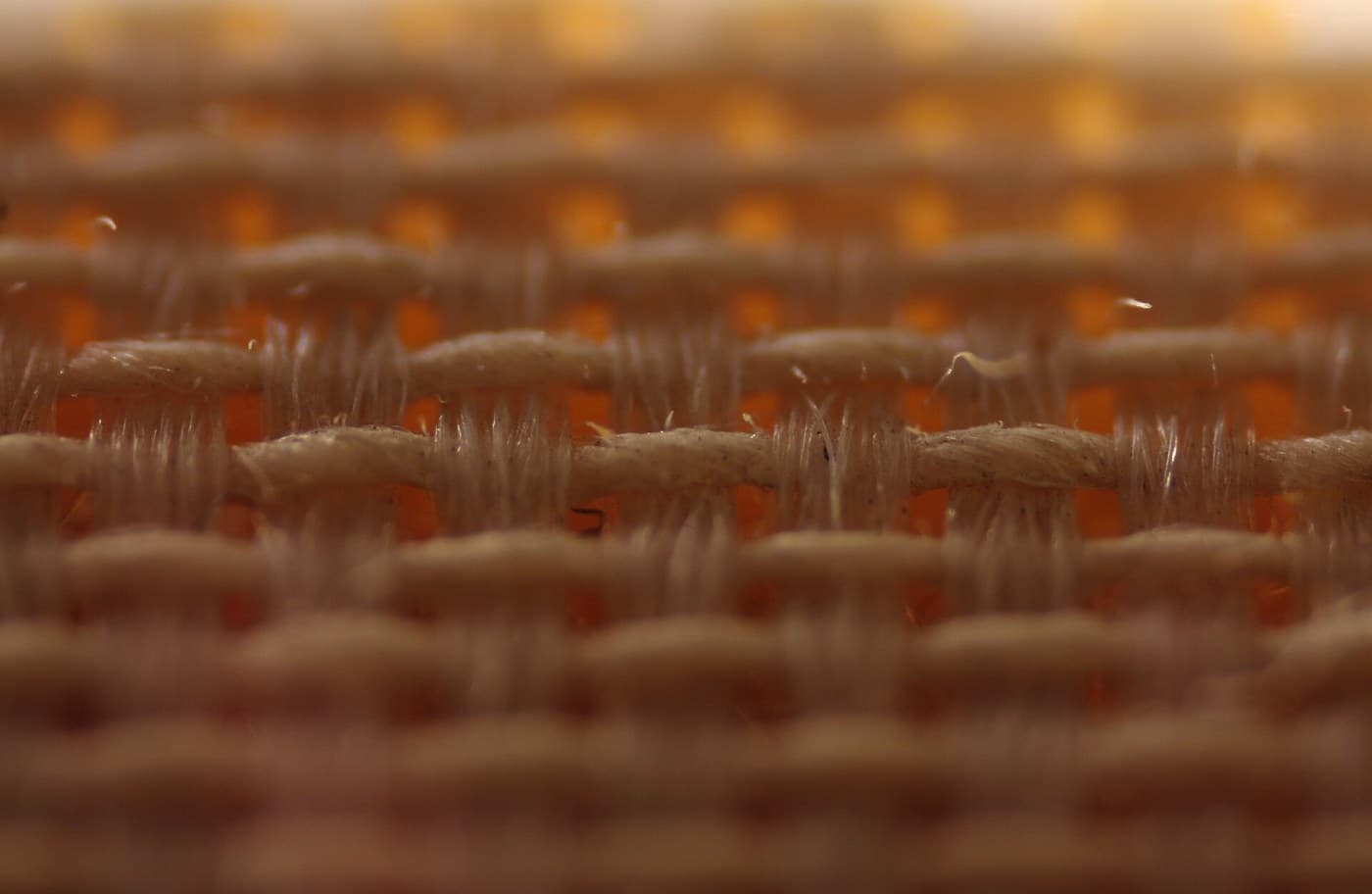
Cut one oblong of wool cloth to the width and length from step 1.
Àwọn ohun èlò fún ìgbésẹ̀ yìí:
 Aṣọ irun àgùtàn tí a ṣẹ̀ṣẹ̀ hun1 width x length from step 1
Àwọn irinṣẹ́ tí a nílò:
Okùn Ìdíwọ̀n Àlùmọ̀gàjí Ńlá
4
4
Fold over the top
Fold over the top
Fold the upper edge over to a width of about 1 ft (30 cm). "The additional foot in height is used up by folding the upper edge over so that the material is double from neck to waist."
Àwọn irinṣẹ́ tí a nílò:
Okùn Ìdíwọ̀n5
5
Mark the shoulder points
Mark the shoulder points
Along the folded top edge, mark the points f, e, e' and f' of her Fig. 9, so that a' f, f e, e' f' and so on are each about one sixth of the whole width. She notes that "a better effect is produced if the width of stuff e' f', which covers the back of the neck, is shorter than the other sections." Ours: mark them with pins.
Àwọn irinṣẹ́ tí a nílò:
Okùn Ìdíwọ̀n Pìn ìránṣọ
6
6
Pin it on the shoulders
Pin it on the shoulders
Fold the dress round the body and pin it on the shoulders at the points e e' and f f'. "The part which covers the back is drawn slightly forward over the front, so that there are four thicknesses of material where the pins are inserted."
Àwọn ohun èlò fún ìgbésẹ̀ yìí:
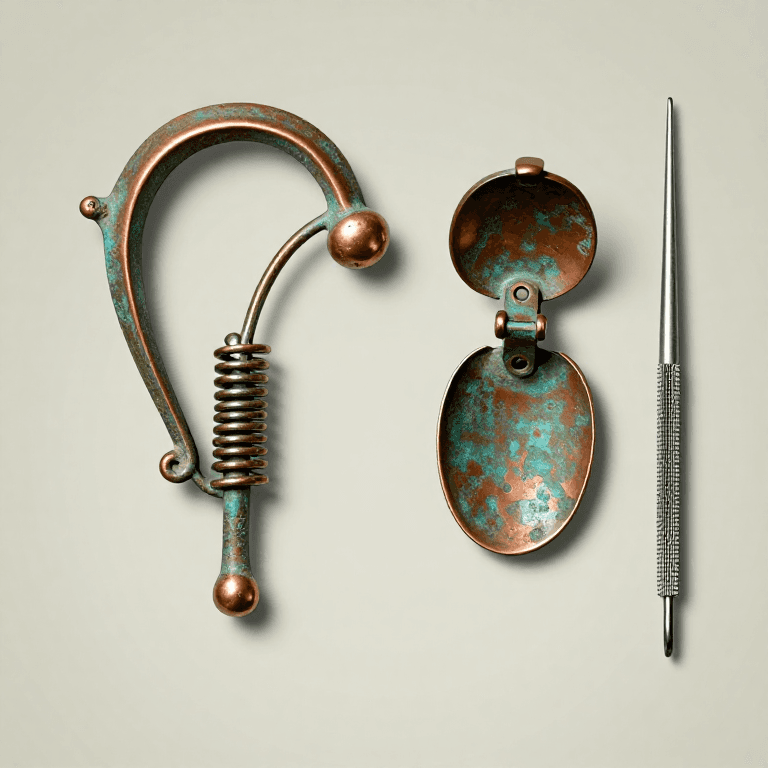
 Àwọn fibula2 ẹyọ
7
7
Gird it at the waist
Gird it at the waist
Gird the dress at the waist (her points g and h) and draw any superfluous length up over the girdle.
Àwọn ohun èlò fún ìgbésẹ̀ yìí:
 Àmùrè1 ẹyọ
8
8
Close the side, or leave it open
Close the side, or leave it open
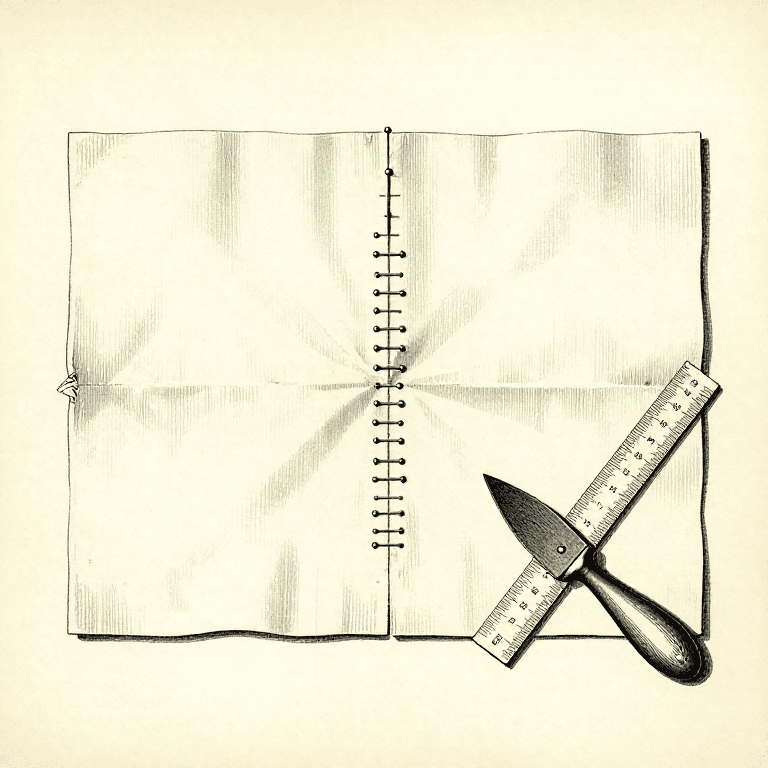
The side is "sometimes along the whole length ac, bd, sometimes only along the length from the waist to the feet ... sometimes it is left open, being held in place only by the girdle." Choose one; if you sew it, use a plain seam (ours: linen thread).
Àwọn ohun èlò fún ìgbésẹ̀ yìí:
 Òwú ọ̀gbọ̀1 ẹyọ
Àwọn irinṣẹ́ tí a nílò:
 Ìdìpọ̀ abẹ́rẹ́ ìránṣọ
9
9
History and honest limits
History and honest limits
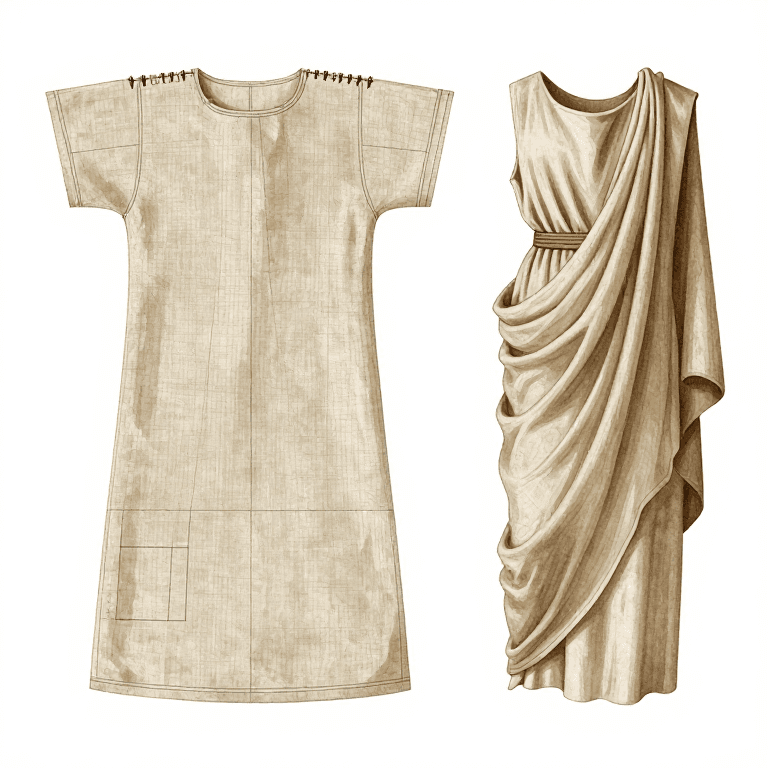
From **Greek Dress** by Ethel B. Abrahams, John Murray, London, 1908 (archive.org greekdressstudyo00abra), chapter III, "Doric", pp. 42-45 and Fig. 9: "The simple Doric dress mentioned by Herodotus as being universally worn by Greek women down to the sixth century". Later, she writes, the dress became more ample and the shoulder pins were "no longer being an exact sixth of the whole width of the dress"; the Caryatids of the Erechtheum (the picture) are among her "most perfect examples". She calls it "the coarser woollen Doric garment" (p. 60). Ours: the metric figures, the thread, marking with pins. The older Greek chiton blueprint shows a two-piece construction.
Àwọn ohun-èlò
4- 1 width x length from step 1Àyè
- 2 ẹyọÀyè
- 1 ẹyọÀyè
- 1 ẹyọÀyè
Àwọn irinṣẹ́ tó nílò
4- 1 vendor sell this, none ship to you yetÀyè
- Àyè
Àwọn Ohun Èlò Ìtọ́nisọ́nà Tí A So Pọ̀

Ìtọ́nisọ́nà yìí ń ṣe
Blueprint tó jọra
Àwọn blueprint wọ̀nyí pín ìmọ̀ — ọ̀nà, ohun-èlò tàbí ìlànà
CC0 Àgbègbè Gbogbogbò
Blueprint yìí ti jáde lábẹ́ CC0. O lè ṣe àdàkọ, yí padà, pín, àti lò láìsí ìyọ̀ǹda.
Ṣàtìlẹ́yìn Olùṣẹ́dá nípa rírà àwọn ọjà nipasẹ̀ Blueprint wọn Ẹ̀san Olùṣẹ́dá tí àwọn Olùtajà gbé kalẹ̀, tàbí ṣẹ̀dá àtúnṣe tuntun ti Blueprint yìí kí o sì fi sínú Blueprint rẹ gẹ́gẹ́ bí ìsopọ̀ láti pín owó-wíwọlé.