IṢẸ́ ỌNÀ
ẸWÀ ÀTI ÌLERA
IṢẸ́ ỌWỌ́
ÀṢÀ ÀTI ÌTÀN
ÌṢERÉ
ÀYÍKÁ
OÚNJẸ ÀTI OHUN MÍMU
REVERSE ENGINEERING
SÁYẸ́ǸSÌ
ERÉ ÌDÁRAYÁ
ÌMỌ̀-Ẹ̀RỌ
ÀWỌN OHUN WÍWỌ̀
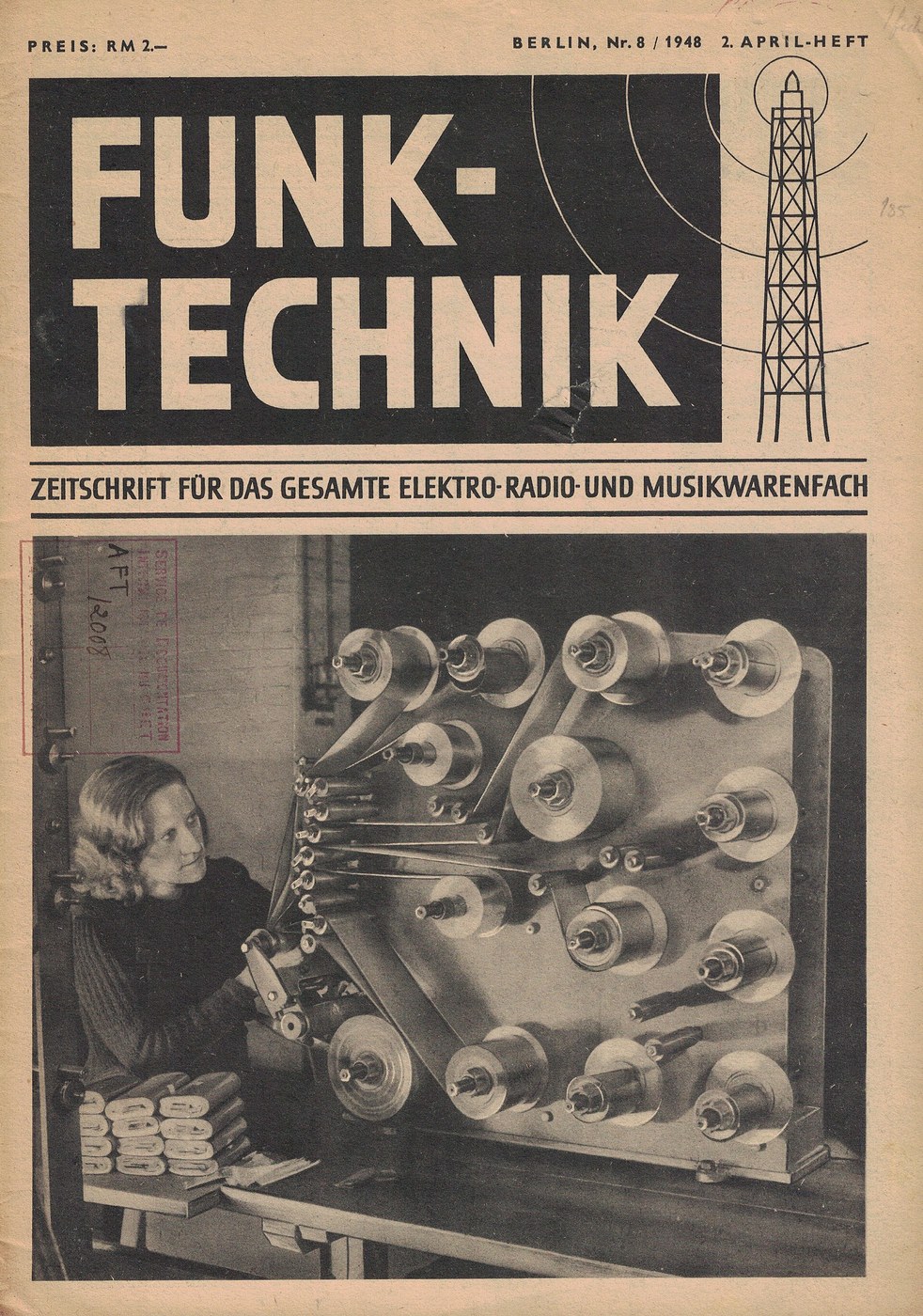

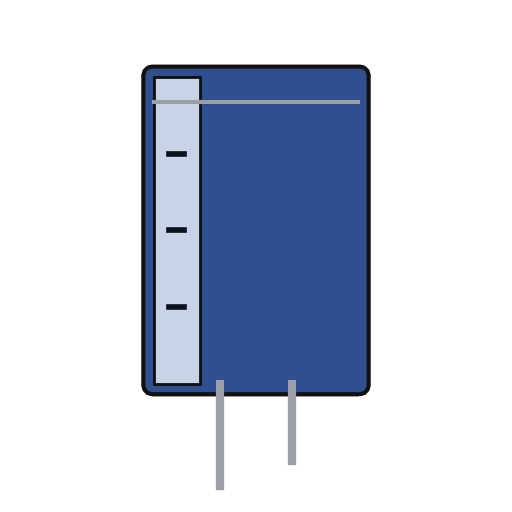
Electrolytic Capacitors: Borate Paper Wound with Formed Aluminium Foil and Vacuum-Impregnated (Danziger, US 2,107,780)
A dry electrolytic capacitor wound from aluminium foil and paper. The paper is first soaked in ammonium borate and dried, so the salt is already in its fibres. After winding, the bodies are soaked under heat and vacuum in borate dissolved in glycol, boxed and aged at 500 volts.
Result: electrolytic capacitors. In the patent's tests these lost only 4.8 % of their capacity, against about 33 % for bodies made the ordinary way, and their power-factor loss rose 87 % on life test against 250 %.
Source: H. I. Danziger and A. Di Giacomo, US 2,107,780 (1938). Unknown: how the anode foil is formed, which paper, the tab metal, and how the ammonium borate is made; the patent does not give them. Picture: Wikimedia Commons.
Ilọsíwájú
1 day
Ìlànà
1
1
Salt the paper
Salt the paper
Draw the paper strip through a saturated solution of ammonium borate in water, about 15 to 30 seconds for each part of it, then dry it at about 80 °C for about 15 seconds and reel it up. The salted paper keeps until needed. Unknown: which paper. Ours: a tray for the bath and a drying oven.
Àwọn ohun èlò fún ìgbésẹ̀ yìí:
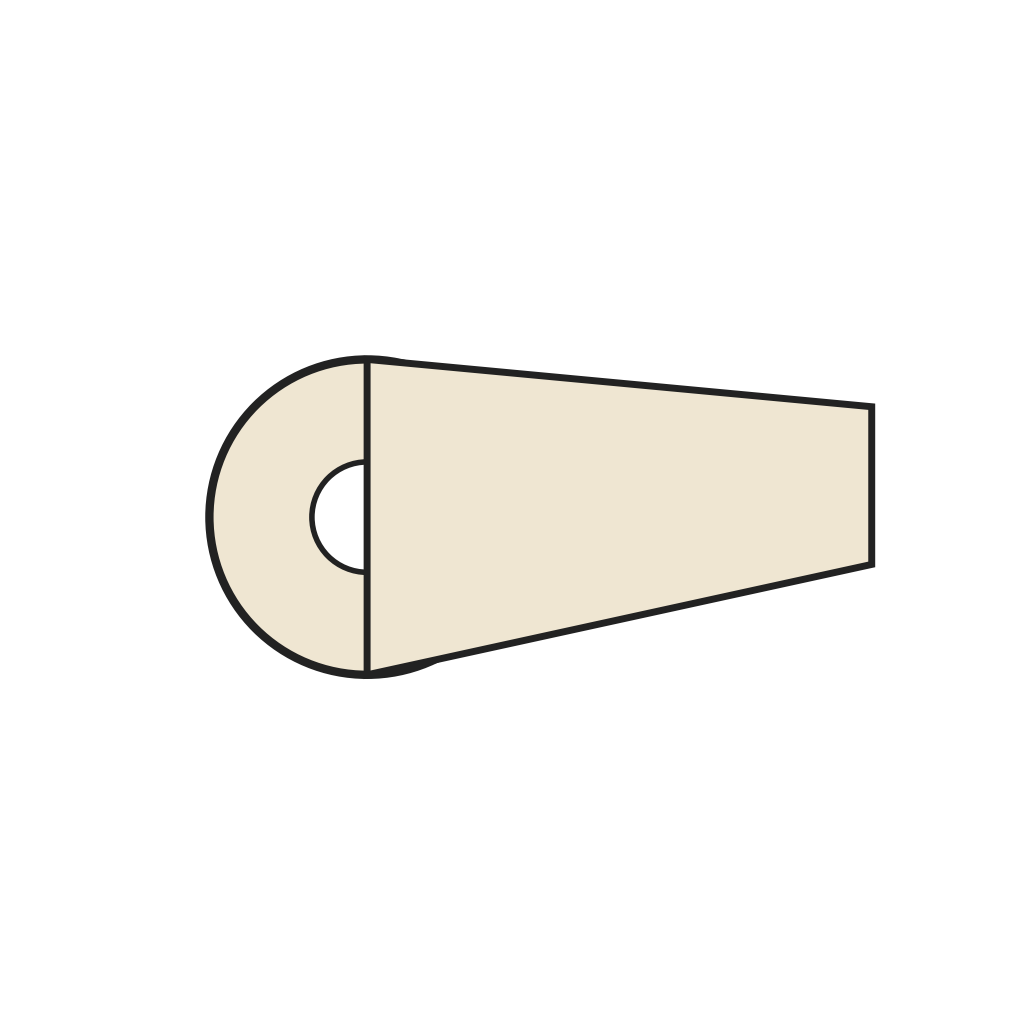 Bébà ìyàsọ́tọ̀ capacitor1 strip
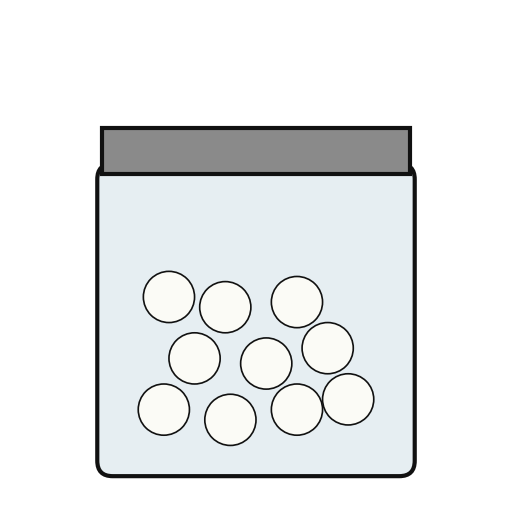 Ammonium borate1 to saturate
Àwọn irinṣẹ́ tí a nílò:
 Omi
 Àwo
 Ààrò ìgbẹ̀
2
2
Wind the bodies
Wind the bodies
On a winding machine, wind two aluminium foil strips with the salted paper between them onto a mandrel; at least one foil must already carry its electrolytic film. One paper strip is enough. Let the paper stand out at both ends, bring a connection tab out of each end, cut the strips and hold the body wound with a rubber band. Unknown: how the foil was formed, and the tab metal.
Àwọn ohun èlò fún ìgbésẹ̀ yìí:
 Fọ́ìlì aluminium tí a ti ṣe1 strip
 Bébà Alumíníọ̀mù1 strip
 Irin tí a kò mọ̀2 tabs
Àwọn irinṣẹ́ tí a nílò:
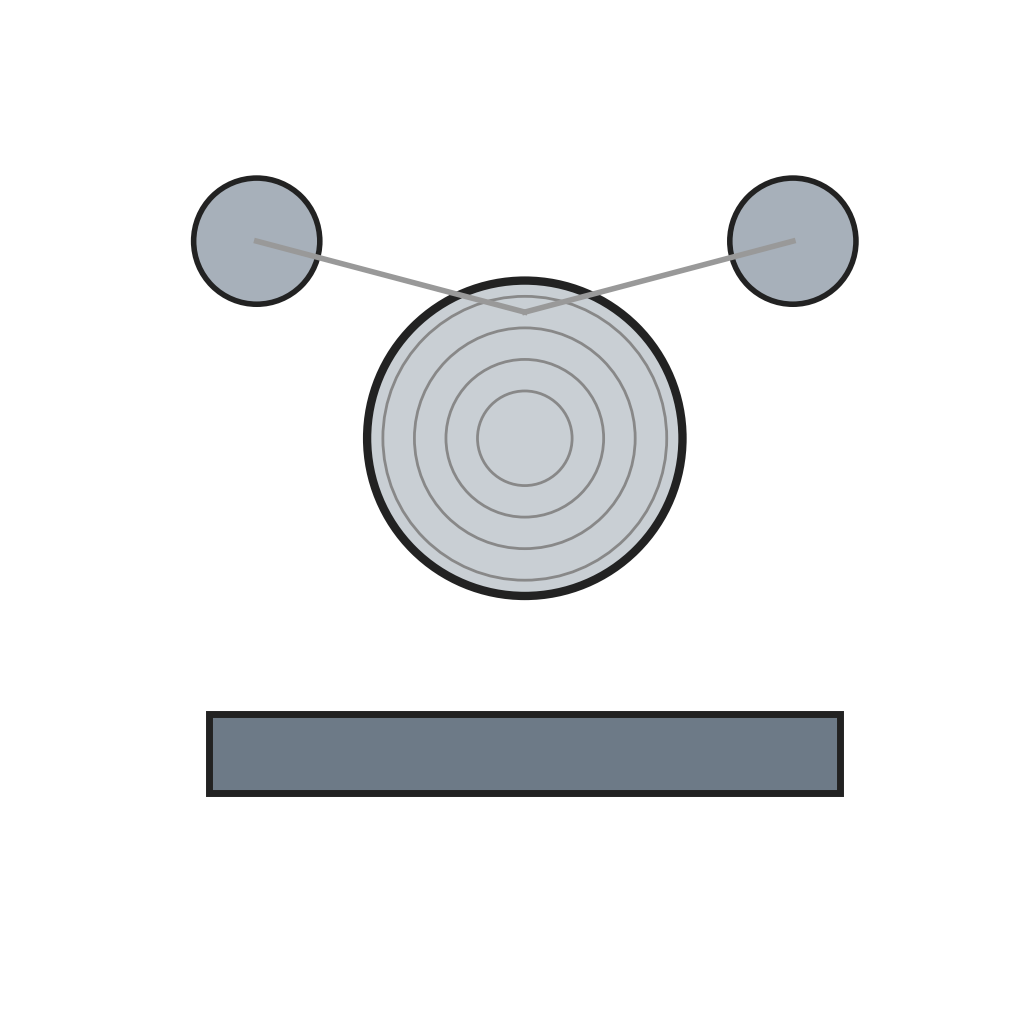 Ẹ̀rọ ìká capacitor
 Okùn rọ́bà
3
3
Make the impregnant
Make the impregnant
Heat ethylene glycol to about 90 °C, then stir in powdered ammonium borate slowly and continuously until the solution reaches about 122 °C. Ours: a hot plate and thermometer.
Àwọn ohun èlò fún ìgbésẹ̀ yìí:
 Ethylene glycol1 as requiredAmmonium borate1 as required
Àwọn irinṣẹ́ tí a nílò:
 Pátákó Gbígbóná
 Ẹ̀rọ Ìwọ̀n Ooru
4
4
Soak under heat and vacuum
Soak under heat and vacuum
Rack the bodies in a vacuum tank heated to about 50 °C and draw about 745 mm of vacuum for about an hour to pull out air and moisture. Draw in the impregnant at about 85 °C, ease the vacuum to about 310 mm, and hold at about 85 °C for about another hour.
Àwọn irinṣẹ́ tí a nílò:
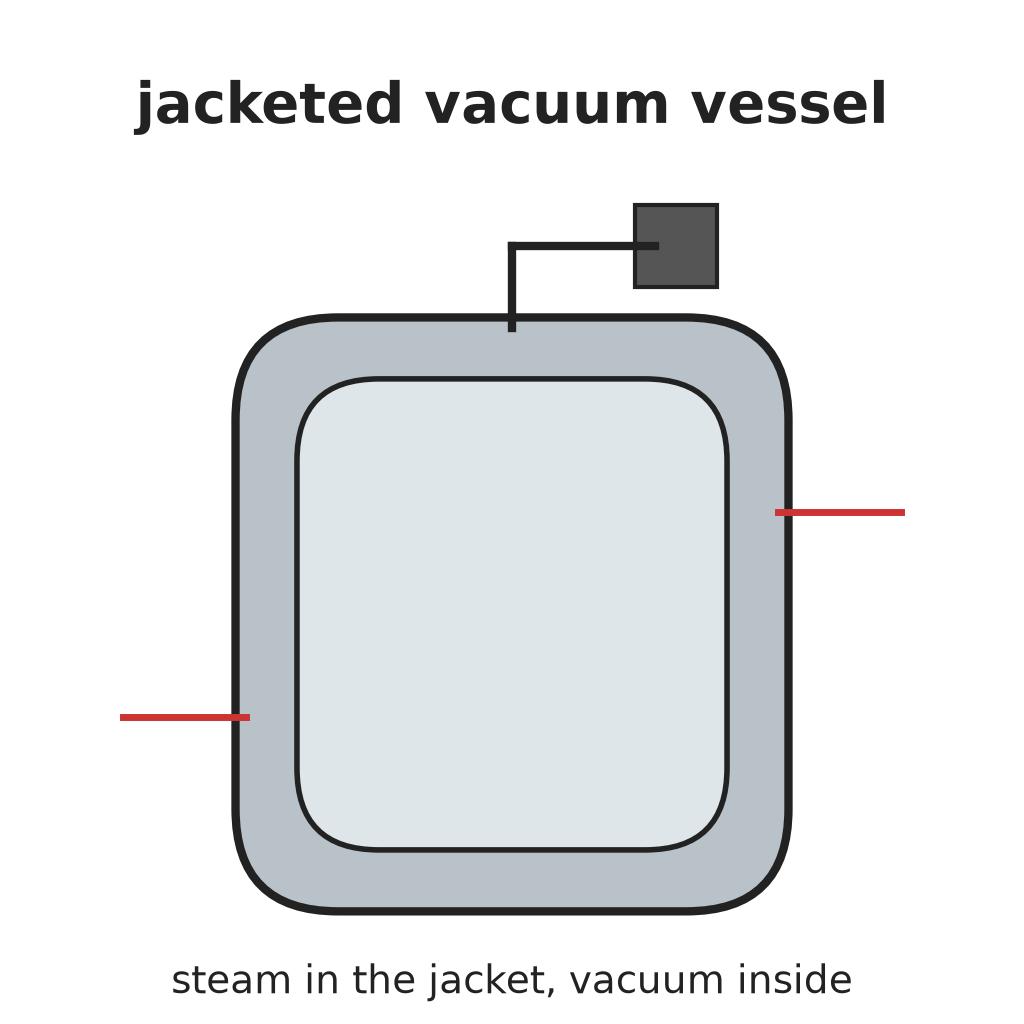 Ohun Èlò Fáákúù pẹ̀lú Jákẹ́ẹ̀tì Èéfín-Omi
 Ẹ̀rọ ìfàfẹ́fẹ́jádeẸ̀rọ Ìwọ̀n Ooru
5
5
Box and age
Box and age
Take the bodies out, put them in cardboard containers, and age them at about 500 volts DC for about three hours.
Àwọn ohun èlò fún ìgbésẹ̀ yìí:
 Ọ̀pá páálí1 per capacitor
Àwọn irinṣẹ́ tí a nílò:
 Orísun iná DC agbára gíga (ti tábìlì)
Àwọn ohun-èlò
7- 1 stripÀyè
- 1 as requiredÀyè
- 1 stripÀyè
- 1 stripÀyè
- 2 tabsÀyè
- 1 as requiredÀyè
- 1 per capacitorÀyè
Àwọn irinṣẹ́ tó nílò
10- Àyè
- Àyè
- Àyè
- Àyè
- 1 vendor sell this, none ship to you yetÀyè
Ìtọ́nisọ́nà yìí ń ṣe
Blueprint tó jọra
Àwọn blueprint wọ̀nyí pín ìmọ̀ — ọ̀nà, ohun-èlò tàbí ìlànà
CC0 Àgbègbè Gbogbogbò
Blueprint yìí ti jáde lábẹ́ CC0. O lè ṣe àdàkọ, yí padà, pín, àti lò láìsí ìyọ̀ǹda.
Ṣàtìlẹ́yìn Olùṣẹ́dá nípa rírà àwọn ọjà nipasẹ̀ Blueprint wọn Ẹ̀san Olùṣẹ́dá tí àwọn Olùtajà gbé kalẹ̀, tàbí ṣẹ̀dá àtúnṣe tuntun ti Blueprint yìí kí o sì fi sínú Blueprint rẹ gẹ́gẹ́ bí ìsopọ̀ láti pín owó-wíwọlé.