IṢẸ́ ỌNÀ
ẸWÀ ÀTI ÌLERA
IṢẸ́ ỌWỌ́
ÀṢÀ ÀTI ÌTÀN
ÌṢERÉ
ÀYÍKÁ
OÚNJẸ ÀTI OHUN MÍMU
REVERSE ENGINEERING
SÁYẸ́ǸSÌ
ERÉ ÌDÁRAYÁ
ÌMỌ̀-Ẹ̀RỌ
ÀWỌN OHUN WÍWỌ̀
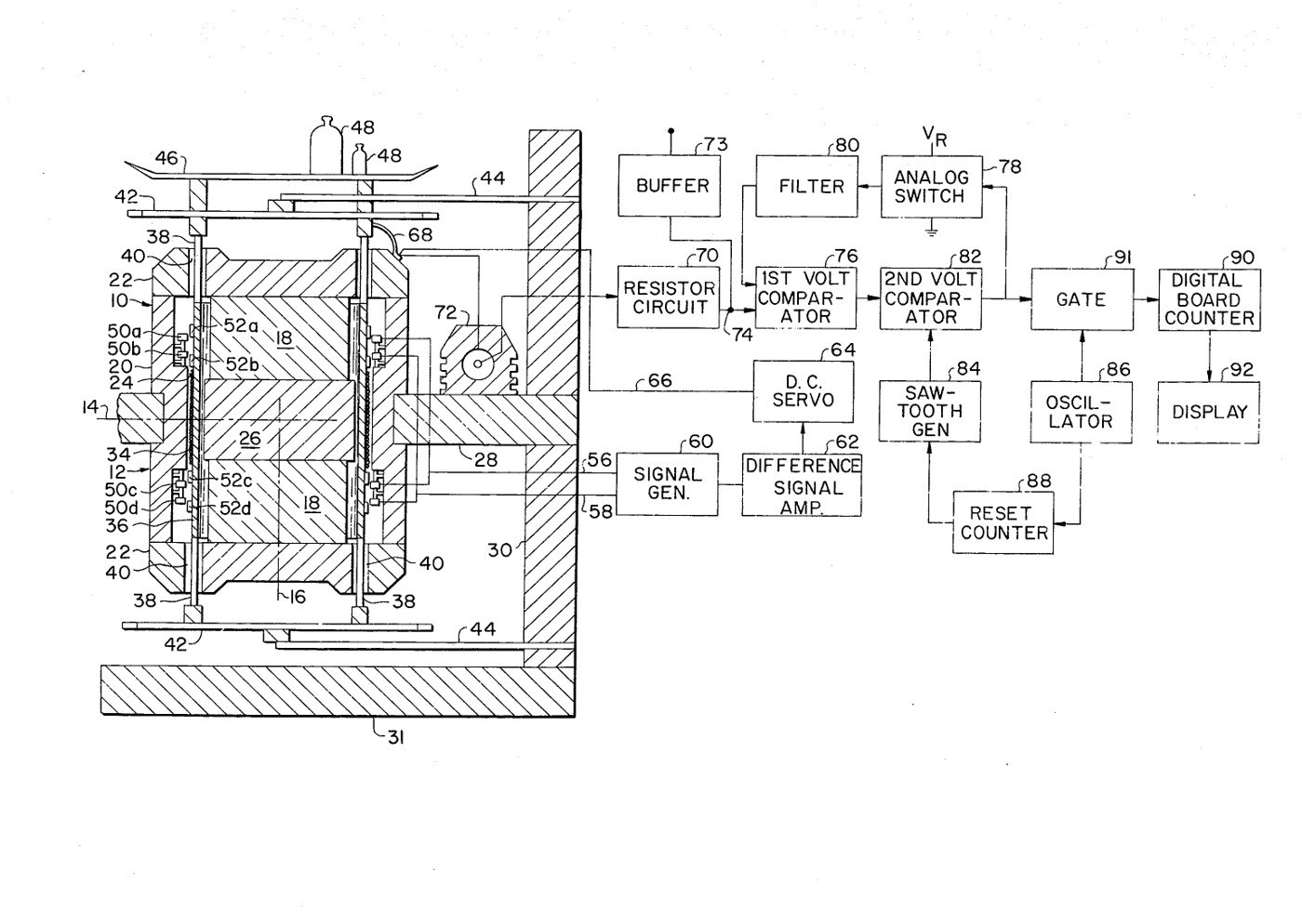


Electronic Analytical Balance: a Coil Current in Place of Weights (Akers et al., 1977)
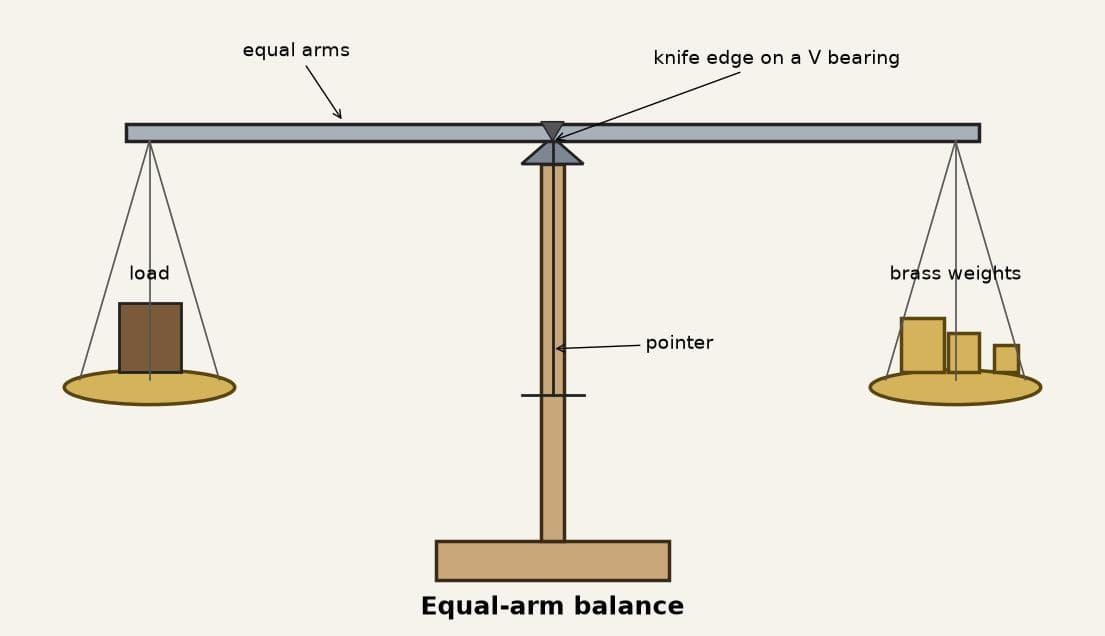
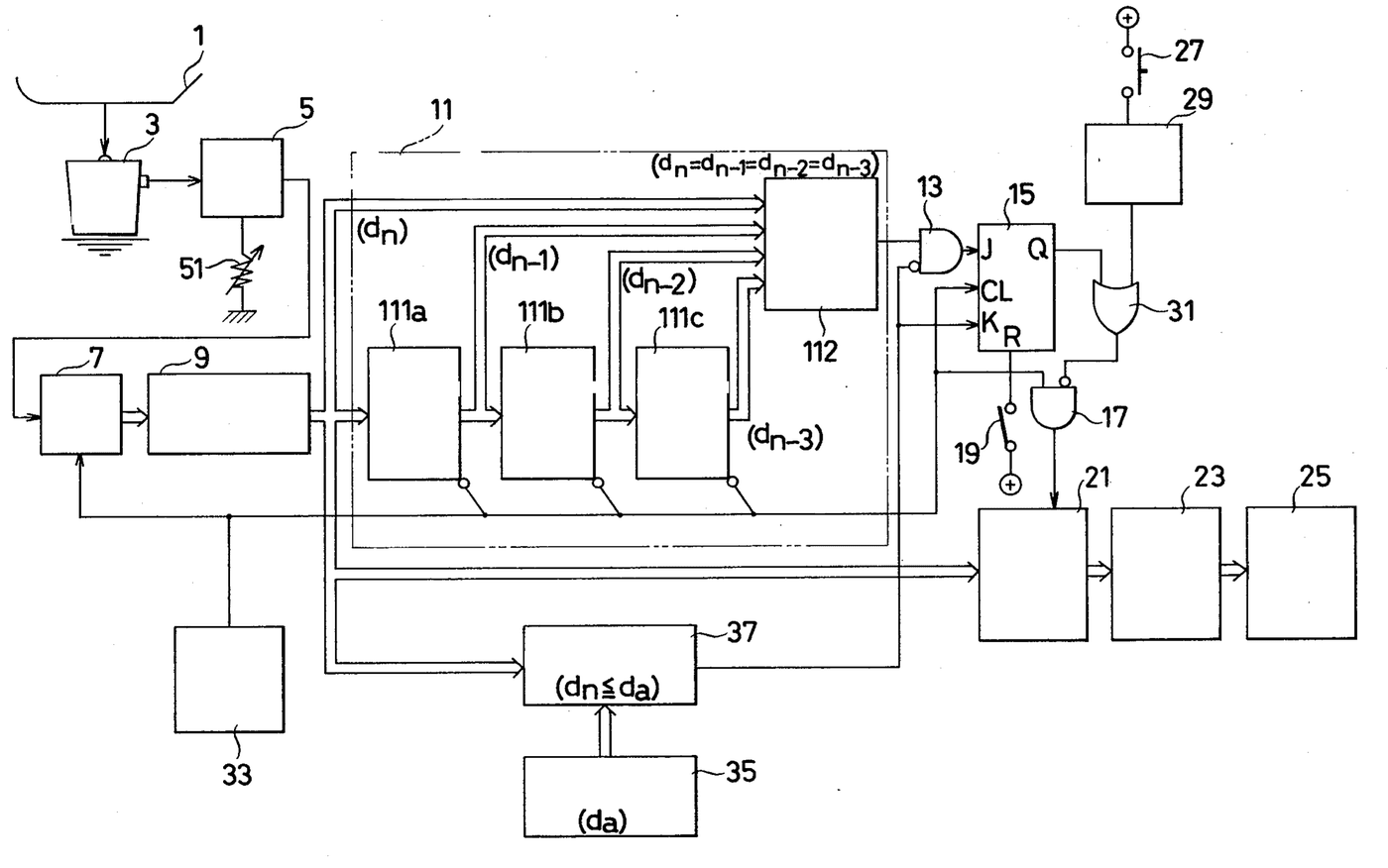
The equal-arm balance with its weights replaced by electricity. The pan sits on a coil in the gap of a permanent magnet. A load pushes it down; capacitor rings sense the smallest movement, and a servo drives just enough current through the coil to lift it back to its rest position. That current is the weight.
Result: a balance that reads the weight in grams or ounces on a digital display, with no weights to handle, and tare by its circuit.
Source: C. B. Akers and others (Arbor Laboratories), US Patent 4,034,819 (1977). Unknown: the resolution, capacity, magnet type, materials and sizes; the circuits are given as blocks only. Picture: patent drawing.
Ilọsíwájú
2 weeks
Ìlànà
1
1
Build the magnet circuit
Build the magnet circuit
Stack permanent magnets into a column with a soft iron core. Enclose them in an annular outer housing with end caps, shaped so the field crosses a narrow annular air gap at a constriction. Keep the whole structure symmetrical about its vertical axis. Mount it on a support plate fixed to an upright, such as a housing panel on a base. Not given: the magnet type, materials and sizes.
Àwọn ohun èlò fún ìgbésẹ̀ yìí:
 Òòfà1 column
 Ọ̀pá irin róbótó1 soft iron core
 Irin tí a kò mọ̀1 housing and end caps
 Ohun èlò tí a kò mọ̀1 support plate, panel, base
Àwọn irinṣẹ́ tí a nílò:
 Ìṣù àwọn ohun ìyí skurú
 Ìwọ̀n tí a kò mọ̀
2
2
Hang the coil in the gap
Hang the coil in the gap
Wind the coil tightly round the middle of a light bobbin that surrounds the core, the coil sitting in the air gap. Tabs at both ends of the bobbin pass out through holes in the end caps to suspension frames. Hang the frames from thin springy cantilevers fixed to the upright, so the bobbin can only move a short way straight up and down. Keep the bobbin and its suspension as light as possible. Put the weighing pan on top. Ours: enamelled wire.
Àwọn ohun èlò fún ìgbésẹ̀ yìí:
 Okùn Bàbà Tí A Fi Enamẹ́là Bò1 coilOhun èlò tí a kò mọ̀1 bobbin, frames, cantilevers
 Àwo Òṣùwọ̀n1 ẹyọ
Àwọn irinṣẹ́ tí a nílò:
Ìwọ̀n tí a kò mọ̀3
3
Fit the capacitor rings
Fit the capacitor rings
Mount four capacitor rings inside the outer housing, two above and two below the air gap, facing matching rings on the bobbin. Cross-connect them so a tilt of the bobbin cancels out and only up-and-down movement shows. Connect them to a signal generator: as the bobbin moves, one set's capacitance rises and the other's falls, and the difference becomes the control voltage.
Àwọn ohun èlò fún ìgbésẹ̀ yìí:
Irin tí a kò mọ̀1 rings IC1 sensing circuit
 Okun waya ìsopọ̀1 ẹyọ
 Wáyà Sọ́ldà1 a little
Àwọn irinṣẹ́ tí a nílò:
 Irin ìsúdì
4
4
Close the servo loop and read the current
Close the servo loop and read the current
Feed the control voltage to a d.c. servo that drives current through the coil, through a flexible lead, until the bobbin is back at its rest position. Pass that current through a large stable resistor, a thermal resistor that corrects for temperature and a calibration potentiometer: the voltage across them stands for the weight. A separate circuit (comparators, saw-tooth generator, oscillator and counter) turns it into a count read out as grams or ounces. Tare is ordinary circuit logic. Ours: a segment LCD; check with calibration weights.
Àwọn ohun èlò fún ìgbésẹ̀ yìí:
IC1 servo and counting circuits Ìdènà iná2 stable resistor, thermal resistor
 Potentiometer1 calibration
 Pánẹ́ẹ̀lì LCD oní-apá1 displayWáyà Sọ́ldà1 a little
Àwọn irinṣẹ́ tí a nílò:
Irin ìsúdì Ìdìpọ̀ ìwọ̀n ìdánwò
Àwọn ohun-èlò
12- 1 columnÀyè
- 1 soft iron coreÀyè
- 1 ringsÀyè
- 1 bobbin, frames, cantileversÀyè
- Àyè
- 1 ẹyọÀyè
- 1 servo and counting circuitsÀyè
- 1 ẹyọÀyè
- 2 a littleÀyè
- 2 stable resistor, thermal resistorÀyè
- Àyè
- 1 displayÀyè
Àwọn irinṣẹ́ tó nílò
4- 2 vendors sell this, none ship to you yetÀyè
Àwọn Ohun Èlò Ìtọ́nisọ́nà Tí A So Pọ̀
Ìtọ́nisọ́nà yìí ń ṣe
Blueprint tó jọra
Àwọn blueprint wọ̀nyí pín ìmọ̀ — ọ̀nà, ohun-èlò tàbí ìlànà
CC0 Àgbègbè Gbogbogbò
Blueprint yìí ti jáde lábẹ́ CC0. O lè ṣe àdàkọ, yí padà, pín, àti lò láìsí ìyọ̀ǹda.
Ṣàtìlẹ́yìn Olùṣẹ́dá nípa rírà àwọn ọjà nipasẹ̀ Blueprint wọn Ẹ̀san Olùṣẹ́dá tí àwọn Olùtajà gbé kalẹ̀, tàbí ṣẹ̀dá àtúnṣe tuntun ti Blueprint yìí kí o sì fi sínú Blueprint rẹ gẹ́gẹ́ bí ìsopọ̀ láti pín owó-wíwọlé.