IṢẸ́ ỌNÀ
ẸWÀ ÀTI ÌLERA
IṢẸ́ ỌWỌ́
ÀṢÀ ÀTI ÌTÀN
ÌṢERÉ
ÀYÍKÁ
OÚNJẸ ÀTI OHUN MÍMU
REVERSE ENGINEERING
SÁYẸ́ǸSÌ
ERÉ ÌDÁRAYÁ
ÌMỌ̀-Ẹ̀RỌ
ÀWỌN OHUN WÍWỌ̀
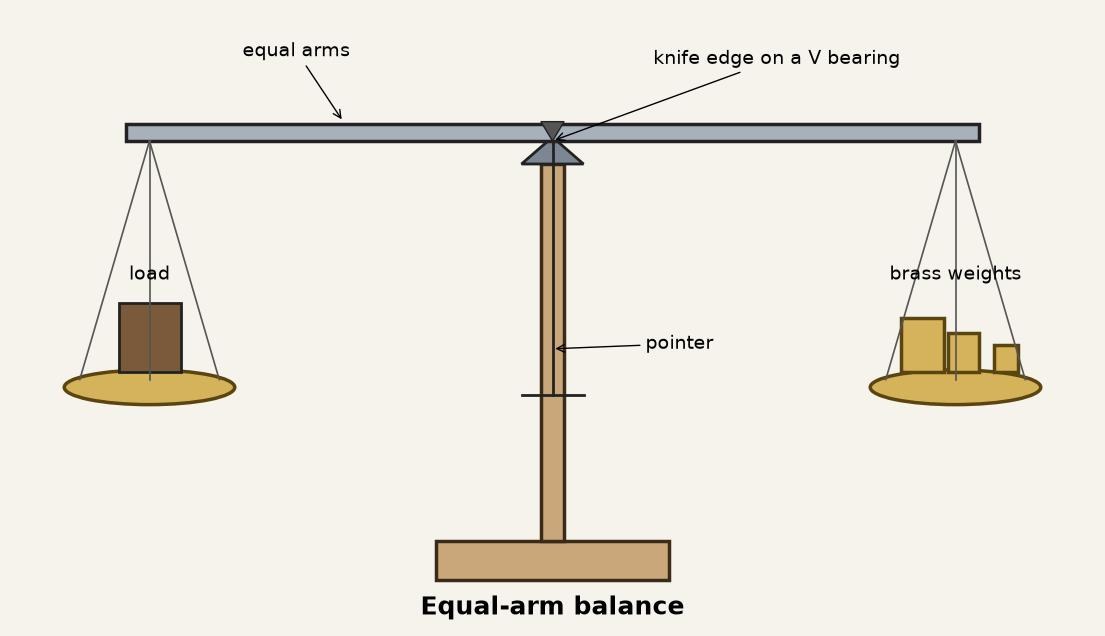


Equal-Arm Balance on a Knife Edge, with a Set of Brass Weights
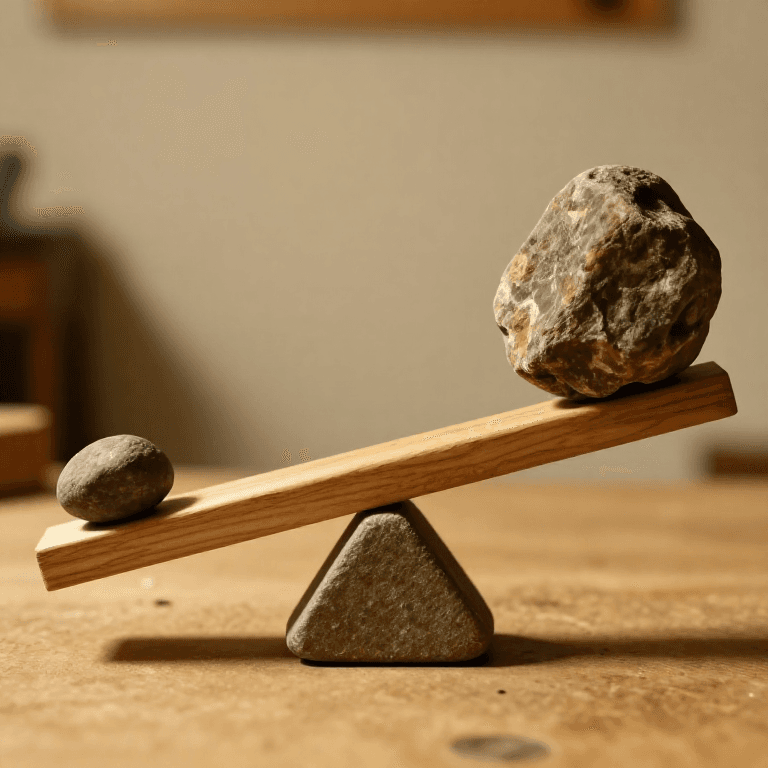
The oldest weighing machine is a beam with equal arms balanced on a pivot, a pan hanging from each end: put the load in one pan and known weights in the other until the beam lies level. Balances go back to the Fourth Dynasty of Egypt. A hardened knife edge makes it sensitive and a long pointer shows the smallest tilt; the weights are cast in brass and adjusted against each other.
The picture: our diagram of the balance, its knife edge, pointer, pans and weights.
Àárín
Two to three days
Ìlànà
1
1
Beam and knife edge
Beam and knife edge
File a straight beam from flat tool steel with a hole exactly in the middle and one near each end, the two end holes equally far from the centre. Forge and file a short steel knife edge, harden and temper it, and fit it through the centre hole, edge down. File a long pointer onto the beam.
Àwọn ohun èlò fún ìgbésẹ̀ yìí:
 Ọ̀pá pẹlẹbẹ irin irinṣẹ́1 ẹyọ
Àwọn irinṣẹ́ tí a nílò:
 Ìfá Irin
 Ìlù ọwọ́
 Òṣùwọ̀n Kálípà Díjítà Ìnṣì 6
 Ìléru alágbẹ̀dẹ
 Àpótí ìtutù
 Gíláàsì ààbò
2
2
Stand and bearing
Stand and bearing
Make an upright stand of hardwood with a hardened steel V-block on top, shallower than the knife edge, so the beam rocks freely. Mark a zero line behind the pointer.
Àwọn ohun èlò fún ìgbésẹ̀ yìí:
 Tẹ́ẹ́rẹ́ igi líle2 ẹyọ
 Ọ̀pá Róbótó Irin Rírọ̀0.3 m
Àwọn irinṣẹ́ tí a nílò:
Ìfá IrinÌléru alágbẹ̀dẹÀpótí ìtutù3
3
Pans
Pans
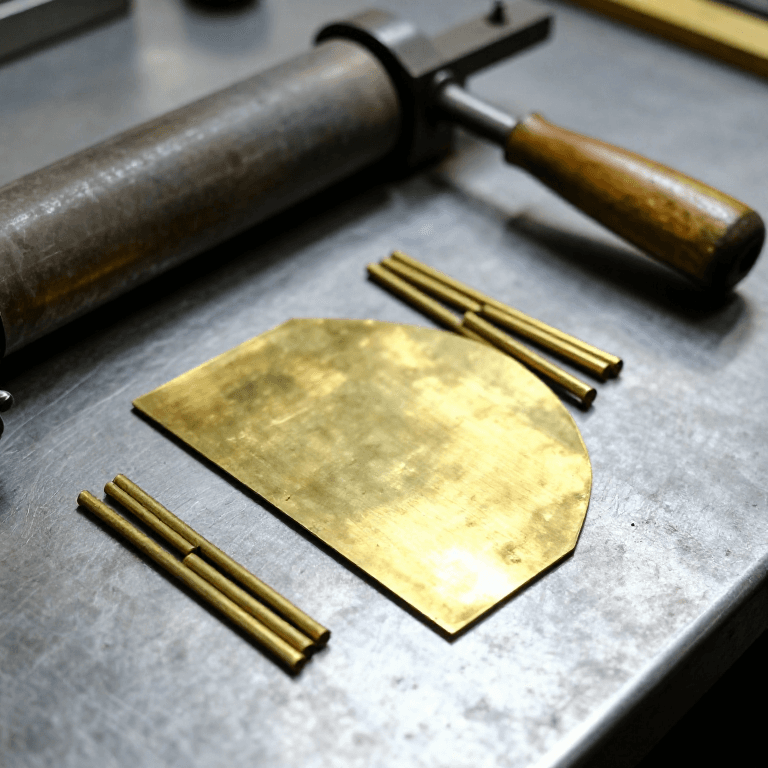
Cut two equal brass discs, dish them slightly, drill three holes in each rim and hang each from an end hole on three equal cords.
Àwọn ohun èlò fún ìgbésẹ̀ yìí:
 Pẹlẹbẹ Bronse1 ẹyọ
 Okùn ọ̀gbọ̀ tí a fi ìdì kùn3 m
Àwọn irinṣẹ́ tí a nílò:
 Ìlàǹkàn irinÌlù ọwọ́Ìfá Irin
4
4
Trim to level
Trim to level
With both pans empty, file the heavier side until the pointer rests on zero. Swap the pans and check again: if the pointer moves, the arms are unequal and the end holes need moving.
Àwọn irinṣẹ́ tí a nílò:
Ìfá Irin5
5
Cast the weights
Cast the weights
Melt brass and cast a row of plain cylinders a little heavy in green sand.
Àwọn ohun èlò fún ìgbésẹ̀ yìí:
 Ìṣù idẹ2 kg
 Èédú1 as required
 Iyanrìn ìdàsílẹ̀5 kg
Àwọn irinṣẹ́ tí a nílò:
Ìléru alágbẹ̀dẹ Ìkòkò Amọ̀ Tí Ń Kojú Iná
 Ẹmú Ìkòkò Ìyọ́
 Àpótí àwòṣe iyanrìn (òkè àti ìsàlẹ̀)
 Ìbọ̀wọ́ wẹ́lídìn
6
6
Adjust the weights
Adjust the weights
Balance the largest weight against a litre of water measured in the cylinder (one kilogram, our reference), filing it down until the beam is level. Make the smaller ones by balancing pairs against a larger one and against each other, filing each to level.
Àwọn ohun èlò fún ìgbésẹ̀ yìí:
 Omi1 lítà
Àwọn irinṣẹ́ tí a nílò:
 Silinda òǹwọ̀nÌfá Irin
7
7
A binary set of weights
A binary set of weights
Ń ṣí ìwé Jupyter…
8
8
Limits
Limits
The balance's form and use are as Wikipedia describes; the sizes and the water reference are ours. Water's density changes a little with temperature, so the reference is good to a few parts in a thousand.
Àwọn ohun-èlò
9- Àyè
- 2 ẹyọÀyè
- Àyè
- 1 ẹyọÀyè
- 2 kgÀyè
- 1 as requiredÀyè
- 5 kgÀyè
- 1 lítàÀyè
Ìtọ́nisọ́nà yìí ń ṣe

Blueprint tó jọra
Àwọn blueprint wọ̀nyí pín ìmọ̀ — ọ̀nà, ohun-èlò tàbí ìlànà

CC0 Àgbègbè Gbogbogbò
Blueprint yìí ti jáde lábẹ́ CC0. O lè ṣe àdàkọ, yí padà, pín, àti lò láìsí ìyọ̀ǹda.
Ṣàtìlẹ́yìn Olùṣẹ́dá nípa rírà àwọn ọjà nipasẹ̀ Blueprint wọn Ẹ̀san Olùṣẹ́dá tí àwọn Olùtajà gbé kalẹ̀, tàbí ṣẹ̀dá àtúnṣe tuntun ti Blueprint yìí kí o sì fi sínú Blueprint rẹ gẹ́gẹ́ bí ìsopọ̀ láti pín owó-wíwọlé.