IṢẸ́ ỌNÀ
ẸWÀ ÀTI ÌLERA
IṢẸ́ ỌWỌ́
ÀṢÀ ÀTI ÌTÀN
ÌṢERÉ
ÀYÍKÁ
OÚNJẸ ÀTI OHUN MÍMU
REVERSE ENGINEERING
SÁYẸ́ǸSÌ
ERÉ ÌDÁRAYÁ
ÌMỌ̀-Ẹ̀RỌ
ÀWỌN OHUN WÍWỌ̀
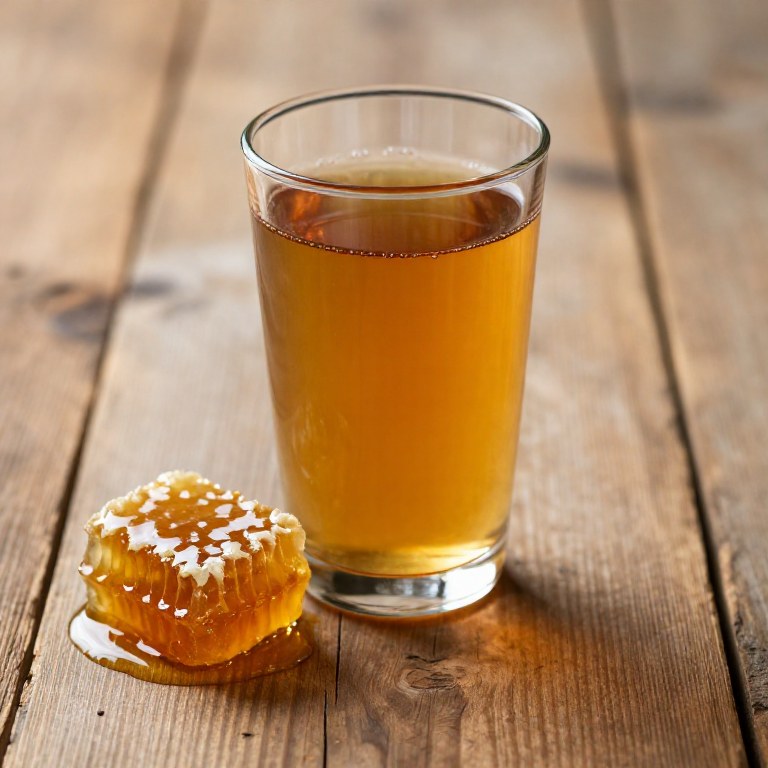


Excellent Mead: Honey, Water and Sun Raisins Boiled Back to the Notch (Digby, 1669)
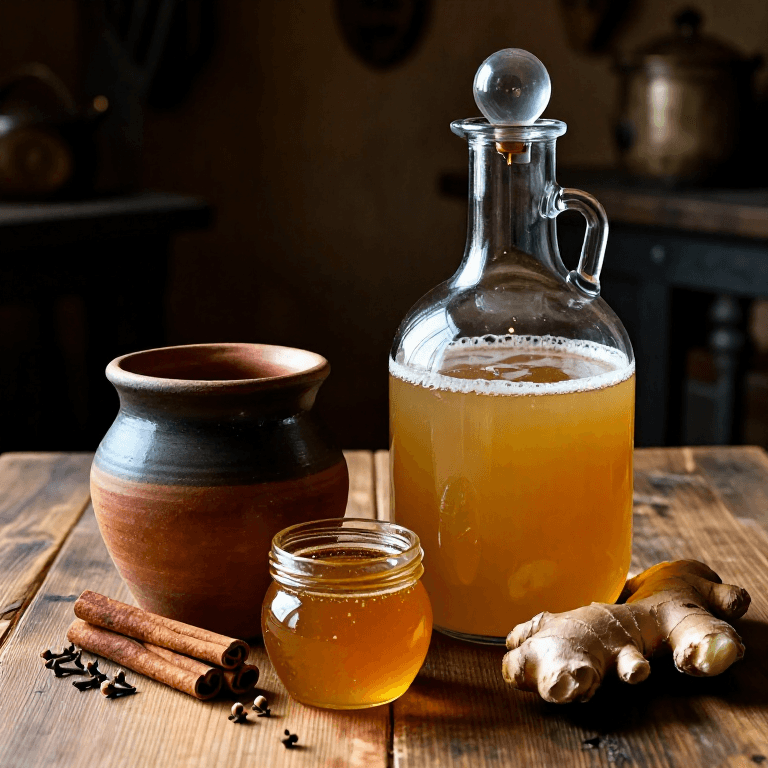
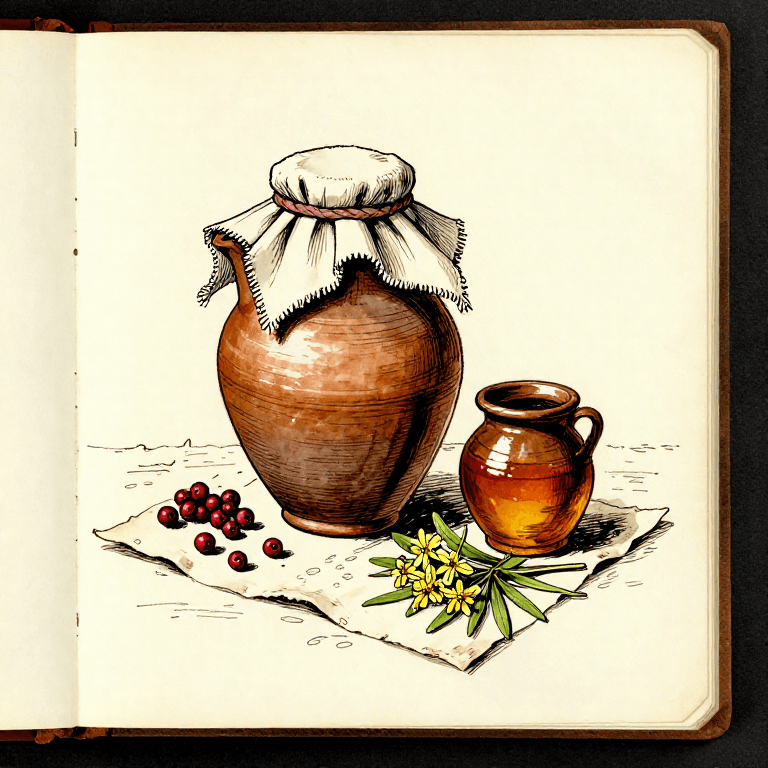
Sir Kenelm Digby's "excellent meathe" from The Closet ... Opened (1669): one part honey to four of water, boiled and skimmed, with a pound of sun raisins to the gallon pressed back into it, boiled down to the water's first level marked on a stick, cooled overnight, and barrelled with the bung open under a double cloth for six weeks. Then it is stopped close and left nine months. No yeast is added.
Àárín
About 10 months
Ìlànà
1
1
His ratios in metric
His ratios in metric
Ń ṣí ìwé Jupyter…
2
2
Read Digby
Read Digby
"To every quart of Honey, take four quarts of water." (The Closet of Sir Kenelm Digby Opened, 1669, "To make excellent meathe".)
3
3
Mark the water
Mark the water
Put 4 quarts (4.5 litres) of water in a clean kettle. Stand a stick in it and cut a notch where the water reaches.
Àwọn ohun èlò fún ìgbésẹ̀ yìí:
 Omi4.5 lítà
Àwọn irinṣẹ́ tí a nílò:
 Ìkòkò Ńlá
 Ọ̀pá igi
 Ọ̀bẹ
 Ìgò ìwọ̀n
4
4
Honey in, boil and skim
Honey in, boil and skim
As soon as the water is warm, put in 1 quart (1.14 litres) of honey. Boil it, skimming all the time, until it is very clean.
Àwọn ohun èlò fún ìgbésẹ̀ yìí:
 Oyin1.14 lítà
Àwọn irinṣẹ́ tí a nílò:
Ìkòkò Ńlá Ṣíbí oníhò
5
5
Boil the raisins in it
Boil the raisins in it
Add 1 lb (454 g) of the best sun raisins per gallon of water, picked from the stalks and washed. Boil until they are swollen and soft.
Àwọn ohun èlò fún ìgbésẹ̀ yìí:
 Èso àjàrà gbígbẹ454 g
Àwọn irinṣẹ́ tí a nílò:
Ìkòkò Ńlá Òṣùwọ̀n Díjítà Ilé Ìdáná
6
6
Press the raisins
Press the raisins
Take the raisins out, put them in a bag and press out all the juice and pulp. Put it back into the liquor.
Àwọn irinṣẹ́ tí a nílò:
 Àpò ìsẹ́
 Ẹ̀rọ ìfún èso àjàrà
7
7
Boil back to the notch
Boil back to the notch
Boil until the liquor is down to the notch on the stick, the level of the water alone.
Àwọn irinṣẹ́ tí a nílò:
Ìkòkò ŃláỌ̀pá igi8
8
Strain, cool overnight
Strain, cool overnight
Run it through a strainer into an empty wooden vat, open at the top. Leave it until the next day, quite cold.
Àwọn irinṣẹ́ tí a nílò:
 Ajọ̀
 Àwokòtò igi
9
9
Barrel it, not quite full
Barrel it, not quite full
Tun it into a good barrel, leaving three or four fingers' breadth empty. "Where Sack hath been, is the best."
Àwọn irinṣẹ́ tí a nílò:
 Àgbá igi
10
10
Six weeks open under cloth
Six weeks open under cloth
Leave the bung open for six weeks with a double cloth lying over it to keep out any dirt.
Àwọn irinṣẹ́ tí a nílò:
 Aṣọ Mọ́sìlínì Òwú
11
11
Stop close, wait nine months
Stop close, wait nine months
Then stop it up close, and drink none of it until after nine months.
Àwọn irinṣẹ́ tí a nílò:
 Wooden Bung
12
12
Troubleshooting
Troubleshooting
Mead problems and fixes.
Flow
Loading...
13
13
History and honest limits
History and honest limits
**Sir Kenelm Digby** (1603-1665); his recipes were published after his death, "by his Son's Consent", as *The Closet of the Eminently Learned Sir Kenelme Digbie Kt. Opened* (1669), "several ways for making of Metheglin, Sider, Cherry-Wine, &c." He adds no yeast and gives no temperatures. His "Apothecaries Press" is ours a fruit press, his "double bolter-cloth" a double muslin; the one-gallon scale is ours, his ratios unchanged. He follows the recipe with health claims, which are not repeated here. Pictures: his 1669 title page and engraved portrait (public domain).
Ìtọ́nisọ́nà yìí ń ṣe
Blueprint tó jọra
Àwọn blueprint wọ̀nyí pín ìmọ̀ — ọ̀nà, ohun-èlò tàbí ìlànà
CC0 Àgbègbè Gbogbogbò
Blueprint yìí ti jáde lábẹ́ CC0. O lè ṣe àdàkọ, yí padà, pín, àti lò láìsí ìyọ̀ǹda.
Ṣàtìlẹ́yìn Olùṣẹ́dá nípa rírà àwọn ọjà nipasẹ̀ Blueprint wọn Ẹ̀san Olùṣẹ́dá tí àwọn Olùtajà gbé kalẹ̀, tàbí ṣẹ̀dá àtúnṣe tuntun ti Blueprint yìí kí o sì fi sínú Blueprint rẹ gẹ́gẹ́ bí ìsopọ̀ láti pín owó-wíwọlé.