IṢẸ́ ỌNÀ
ẸWÀ ÀTI ÌLERA
IṢẸ́ ỌWỌ́
ÀṢÀ ÀTI ÌTÀN
ÌṢERÉ
ÀYÍKÁ
OÚNJẸ ÀTI OHUN MÍMU
REVERSE ENGINEERING
SÁYẸ́ǸSÌ
ERÉ ÌDÁRAYÁ
ÌMỌ̀-Ẹ̀RỌ
ÀWỌN OHUN WÍWỌ̀


Extruded Polystyrene Foam
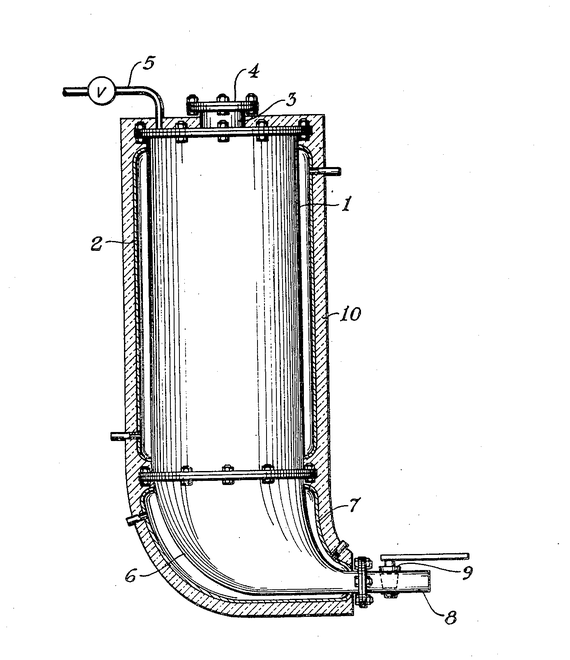
Carl Munters had shown that polystyrene heated with methyl chloride under pressure puffs into a closed-cell foam when let out of the vessel (US 2,023,204) - but only in small pieces; with larger outlets the mass collapsed into brittle, irregular lumps. Otis Ray McIntire at Dow found the fix: keep the mass BELOW the critical temperature of methyl chloride, about 143 °C, so the gas stays dissolved, and let its own evaporation cool the foam fast enough to freeze the cells.
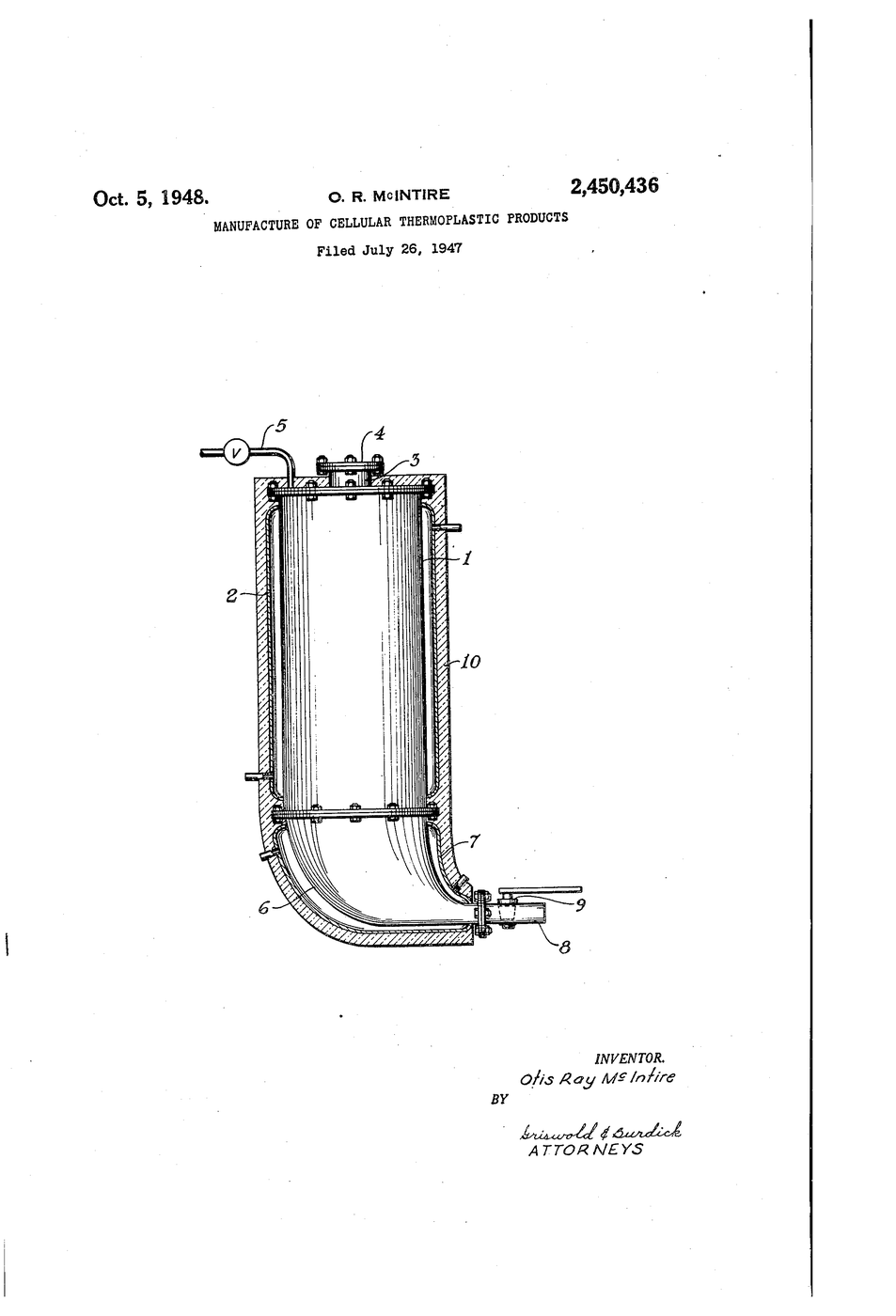
**US 2,450,436**, "Manufacture of cellular thermoplastic products", McIntire, assigned to Dow Chemical, filed 26. July 1947, granted 5. October 1948. Its drawing is the pressure vessel with the bottom valve the foam flows out of. Dow sold the result as blue insulation board; the white bead foam of packaging is a later process.
**Methyl chloride is toxic; you start from foam board.** You build a hot-wire cutter, cut an insulated box, and measure how long it keeps ice.
Olùbẹ̀rẹ̀
3 hours plus an ice test
Ìlànà
1
1
The cutter
The cutter
Base on two feet, a post and an arm; the wire runs from the arm tip down through the base to a spring underneath.
2
2
Build the frame
Build the frame
From 18 mm plywood cut a 300 x 300 mm base, two 300 x 40 mm feet, a 280 x 50 mm post and a 200 x 50 mm arm. Glue and screw the post to the back edge and the arm square on top.
Àwọn ohun èlò fún ìgbésẹ̀ yìí:
 Àwo igi tí a lẹ̀ pọ̀1 ẹyọ
 Ìṣó igi10 ẹyọ
 Ìdìpọ̀ Igi20 ml
Àwọn irinṣẹ́ tí a nílò:
 Ayùn Ọwọ́
 Ẹ̀rọ Ìlùkòkò Aláìlókùn
 Ìṣù àwọn ohun ìyí skurú
 Ìdíwọ̀n
3
3
String the wire
String the wire
Drill 2 mm through the arm tip and the base directly below. Fix the wire to an eye bolt on top of the arm, run it down through the base, and tie it to a spring under the base so it stays taut when it expands hot. Check it is square to the table.
Àwọn ohun èlò fún ìgbésẹ̀ yìí:
 Waya nichrome 80/20 ti 0,64 mm1 mítà
 Bọ́ọ̀lù oníyíká1 ẹyọ
 Àkójọpọ̀ orísun ìtẹ̀mọ́lẹ̀1 ìtò
Àwọn irinṣẹ́ tí a nílò:
Ẹ̀rọ Ìlùkòkò Aláìlókùn Àkójọ Orí Ìlùkòkò
4
4
Power it
Power it
Clip leads to the wire at the arm and below the base. Set the bench supply to 1.5 V with a 4 A limit and raise it slowly (notebook) until the wire slides through a scrap cleanly. Ventilate.
Àwọn irinṣẹ́ tí a nílò:
 Orísun Iná Tábìlì Tí A Lè Ṣàtúnṣe
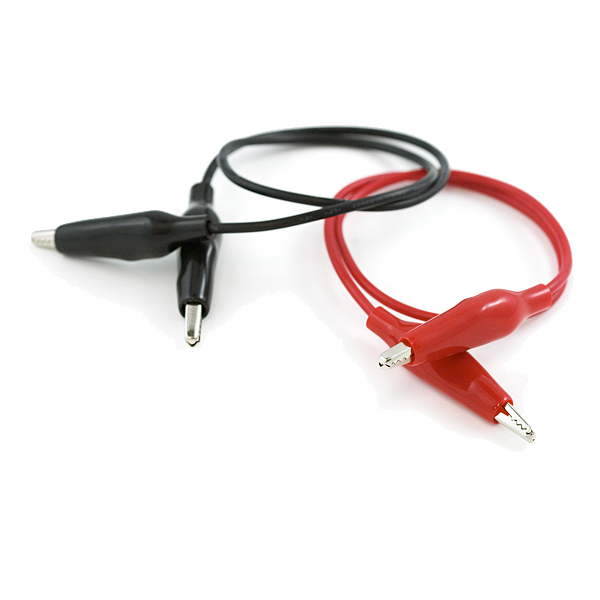 Alligator to Alligator Cables
 Ìbòjú ìmí N95
 Gílásì Ààbò Tí Ó Mọ́
5
5
Cut the box
Cut the box
From 25 mm foam board cut a base and lid 200 x 200 mm, two sides 200 x 150 mm and two 150 x 150 mm. Feed slowly - let the wire do the work. Tape the box together.
Àwọn ohun èlò fún ìgbésẹ̀ yìí:
 Pákó fọ́ọ̀mù polystyrene tí a tẹ̀ jáde1 ewé
 Tépù ìbòmọ́lẹ̀1 ìyípo
Àwọn irinṣẹ́ tí a nílò:
Ìdíwọ̀n6
6
Weigh a cube
Weigh a cube
Cut a 50 mm cube from an offcut and weigh it for the notebook.
Àwọn irinṣẹ́ tí a nílò:
 Òṣùwọ̀n Díjítà Ilé Ìdáná
7
7
The ice test
The ice test
Put 500 g of ice in a bag in the foam box and another 500 g in a cardboard box of the same size, side by side in the same room. Note the room temperature and check both every hour until the ice is gone.
Àwọn ohun èlò fún ìgbésẹ̀ yìí:
 Àwọn ìdìlé yìnyín1000 g
 Àpótí páálí olóhùn1 ẹyọ
Àwọn irinṣẹ́ tí a nílò:
Òṣùwọ̀n Díjítà Ilé Ìdáná Ìwọ̀n Ooru Yàrá
8
8
Wire, density, heat leak
Wire, density, heat leak
Ń ṣí ìwé Jupyter…
9
9
History & Context
History & Context
**What the patent specifies:** polystyrene with methyl chloride dissolved under pressure below the gas's critical temperature, released through an outlet so evaporation expands and cools it into uniform closed cells, in blocks 2 inches thick or more. **Modern build (derived):** commercial extruded foam board, today made with other blowing agents.
The patent names its target plainly: blocks big enough to cut into insulating panels for refrigerators. Its limits: it melts at low heat, burns unless treated, dissolves in many solvents (and in some glues and paints), and breaks down in sunlight.
Àwọn ohun-èlò
10- 1 ẹyọÀyè
- 10 ẹyọÀyè
- 20 mlÀyè
- Àyè
- 1 ẹyọÀyè
- Àyè
- 1 ìyípoÀyè
- 1000 gÀyè
- 1 ẹyọÀyè
Àwọn irinṣẹ́ tó nílò
11- Àyè
- 1 vendor sell this, none ship to you yetÀyè
- Àyè
- $3.52
Àwọn fáìlì àpẹrẹ
1Ìtọ́nisọ́nà yìí ń ṣe

Blueprint tó jọra
Àwọn blueprint wọ̀nyí pín ìmọ̀ — ọ̀nà, ohun-èlò tàbí ìlànà

CC0 Àgbègbè Gbogbogbò
Blueprint yìí ti jáde lábẹ́ CC0. O lè ṣe àdàkọ, yí padà, pín, àti lò láìsí ìyọ̀ǹda.
Ṣàtìlẹ́yìn Olùṣẹ́dá nípa rírà àwọn ọjà nipasẹ̀ Blueprint wọn Ẹ̀san Olùṣẹ́dá tí àwọn Olùtajà gbé kalẹ̀, tàbí ṣẹ̀dá àtúnṣe tuntun ti Blueprint yìí kí o sì fi sínú Blueprint rẹ gẹ́gẹ́ bí ìsopọ̀ láti pín owó-wíwọlé.