IṢẸ́ ỌNÀ
ẸWÀ ÀTI ÌLERA
IṢẸ́ ỌWỌ́
ÀṢÀ ÀTI ÌTÀN
ÌṢERÉ
ÀYÍKÁ
OÚNJẸ ÀTI OHUN MÍMU
REVERSE ENGINEERING
SÁYẸ́ǸSÌ
ERÉ ÌDÁRAYÁ
ÌMỌ̀-Ẹ̀RỌ
ÀWỌN OHUN WÍWỌ̀
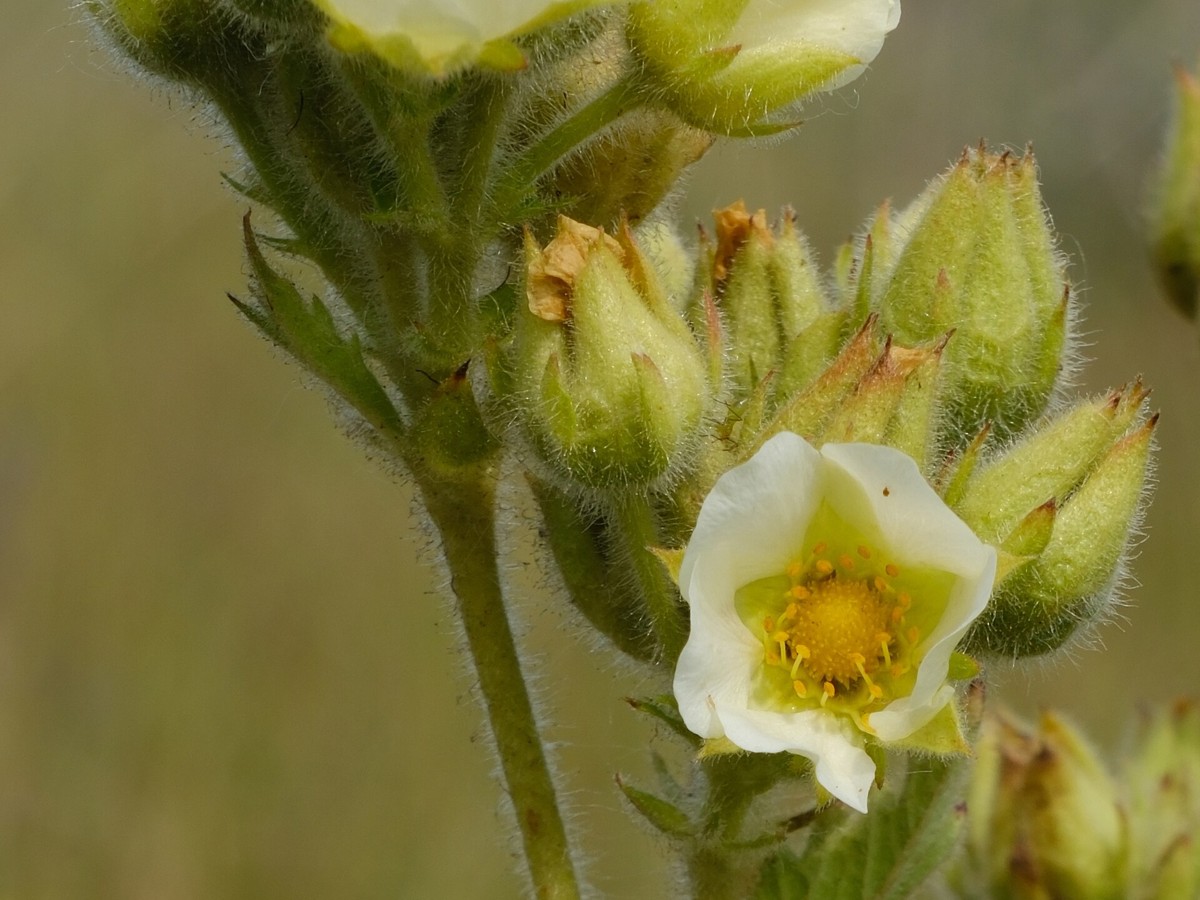


Five-Finger Root: Tall Cinquefoil Root Dug Out of Sap Time, Dried and Kept in Packets (Densmore, 1928; Britton & Brown, 1913)
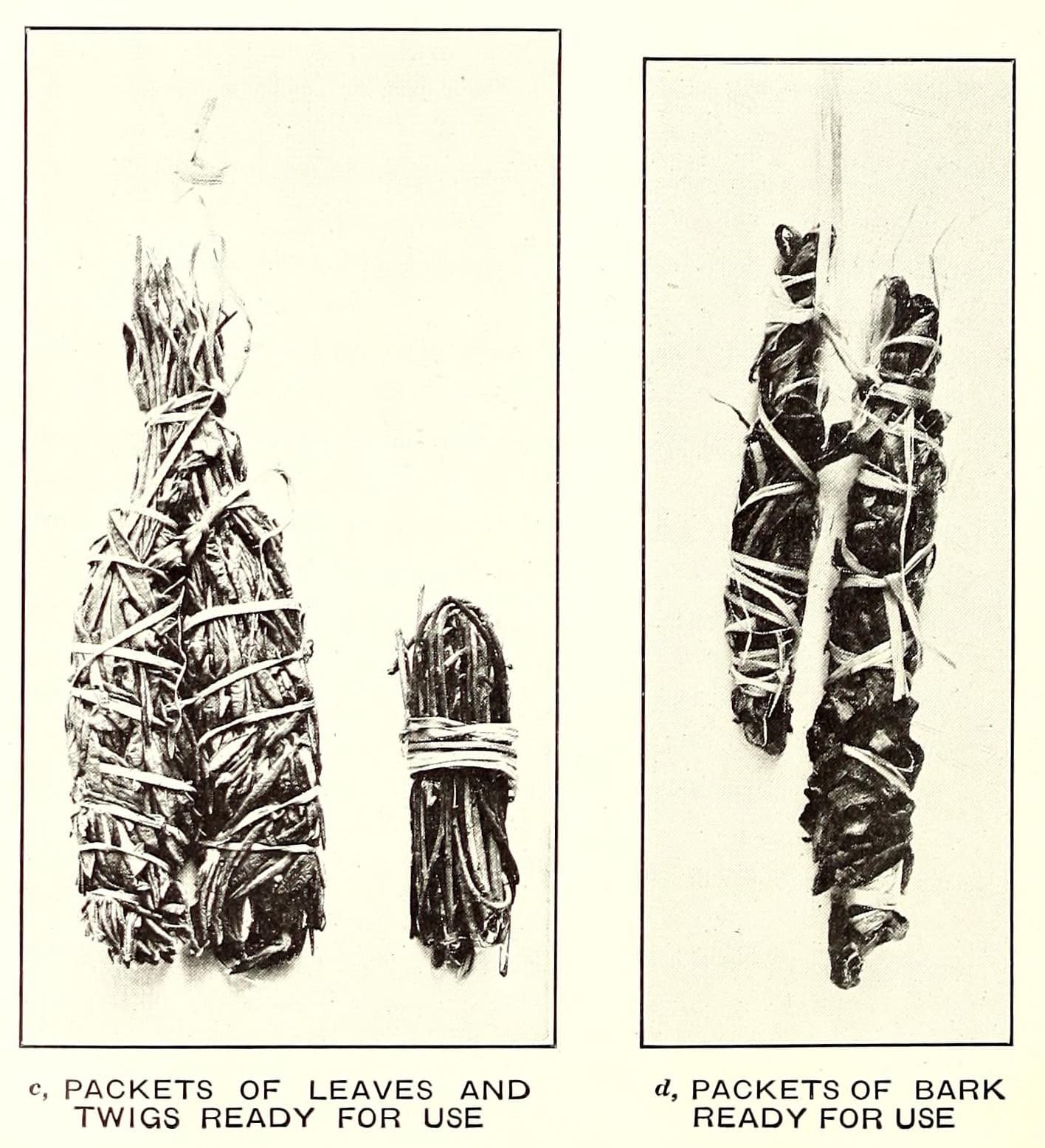
The root of tall cinquefoil or five-finger (Drymocallis arguta) as the Chippewa kept it: dug out of sap time, cleaned, dried, tied in packets and bagged. Densmore records the dried root pulverized and moistened for cuts, and boiled alone as a decoction for dysentery.
Olùbẹ̀rẹ̀
An hour to dig, a week to dry
Ìlànà
1
1
Tall cinquefoil
Tall cinquefoil
Tall prairie cinquefoil (Iowa Prairie Girl).
2
2
Know the plant
Know the plant
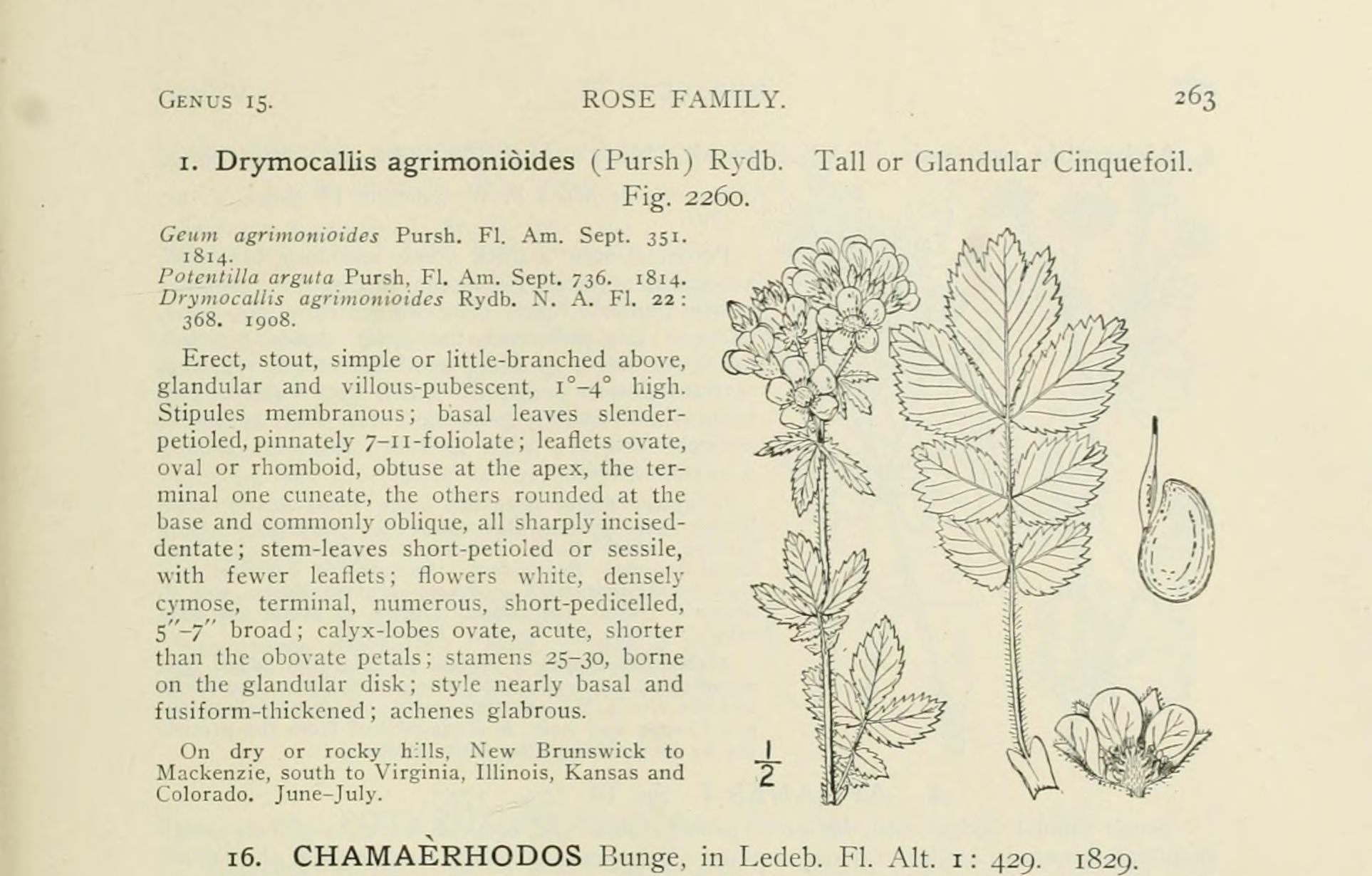
Britton and Brown (1913, vol. II, p. 263), Drymocallis agrimonioides, also Potentilla arguta, Tall or Glandular Cinquefoil: erect and stout, glandular and soft-hairy, 1 to 4 feet; basal leaves of 7 to 11 leaflets, sharply cut-toothed; white flowers, densely clustered at the top; on dry or rocky hills, June-July.
3
3
What the root is for
What the root is for
Densmore (1928, pp. 350-351), for cuts: five-finger root, "Moisten the dried and pulverized root", applied externally. For dysentery (pp. 344-345) it was used with alum root, and "the first named root was also used alone in decoction."

4
4
Also for dysentery
Also for dysentery
Densmore (pp. 344-345): five-finger with alum root in a decoction for dysentery; the five-finger root was also used alone.

5
5
Dig at the right time
Dig at the right time
Densmore (p. 326): roots for later use were gathered "before the sap started in the spring or after it had gone down in the fall". Mark the plants while they flower and come back in autumn (ours); lift the root with a digging stick.
Àwọn irinṣẹ́ tí a nílò:
 Ọ̀pá ìwalẹ̀
 Bàkẹ́ẹ̀tì
6
6
Clean the roots
Clean the roots
Shake the earth off carefully, as Densmore's Cass Lake informant did, or wash the roots, as at White Earth.
Àwọn irinṣẹ́ tí a nílò:
Bàkẹ́ẹ̀tì7
7
Dry them
Dry them
Spread the roots on a drying screen in an airy, shaded place (ours) and turn them daily until they snap.
Àwọn irinṣẹ́ tí a nílò:
 Ọ̀pá-àyíká ìgbẹ̀
8
8
Tie in packets and bag
Tie in packets and bag
After drying, tie the roots in packets and keep them in a bag, as Densmore records.
Àwọn irinṣẹ́ tí a nílò:
 Okùn Òwú
 Àpò ọ̀gbọ̀
9
9
Prepare for use
Prepare for use
When needed, pound the root to shreds or pulverize it (p. 326); a mortar works too (ours).
Àwọn irinṣẹ́ tí a nílò:
 Odó àti Ọmọ Odó
10
10
Troubleshooting
Troubleshooting
Root problems and fixes.
Flow
Loading...
11
11
Sources and honest limits
Sources and honest limits
Frances Densmore, Uses of Plants by the Chippewa Indians (1928), pp. 326, 344-345 and 350-351; N. L. Britton and A. Brown, An Illustrated Flora of the Northern United States, vol. II (1913), p. 263. The drying screen and mortar are ours. Be sure of the plant before digging, and dig only where it is plentiful and allowed. The cover shows tall cinquefoil in flower (Jasper Shide, CC0, Wikimedia Commons). Not made by us yet.
Àwọn irinṣẹ́ tó nílò
6- Àyè
- Àyè
- Àyè
- Àyè
Àwọn Ohun Èlò Ìtọ́nisọ́nà Tí A So Pọ̀
Ìtọ́nisọ́nà yìí ń ṣe
CC0 Àgbègbè Gbogbogbò
Blueprint yìí ti jáde lábẹ́ CC0. O lè ṣe àdàkọ, yí padà, pín, àti lò láìsí ìyọ̀ǹda.
Ṣàtìlẹ́yìn Olùṣẹ́dá nípa rírà àwọn ọjà nipasẹ̀ Blueprint wọn Ẹ̀san Olùṣẹ́dá tí àwọn Olùtajà gbé kalẹ̀, tàbí ṣẹ̀dá àtúnṣe tuntun ti Blueprint yìí kí o sì fi sínú Blueprint rẹ gẹ́gẹ́ bí ìsopọ̀ láti pín owó-wíwọlé.