IṢẸ́ ỌNÀ
ẸWÀ ÀTI ÌLERA
IṢẸ́ ỌWỌ́
ÀṢÀ ÀTI ÌTÀN
ÌṢERÉ
ÀYÍKÁ
OÚNJẸ ÀTI OHUN MÍMU
REVERSE ENGINEERING
SÁYẸ́ǸSÌ
ERÉ ÌDÁRAYÁ
ÌMỌ̀-Ẹ̀RỌ
ÀWỌN OHUN WÍWỌ̀
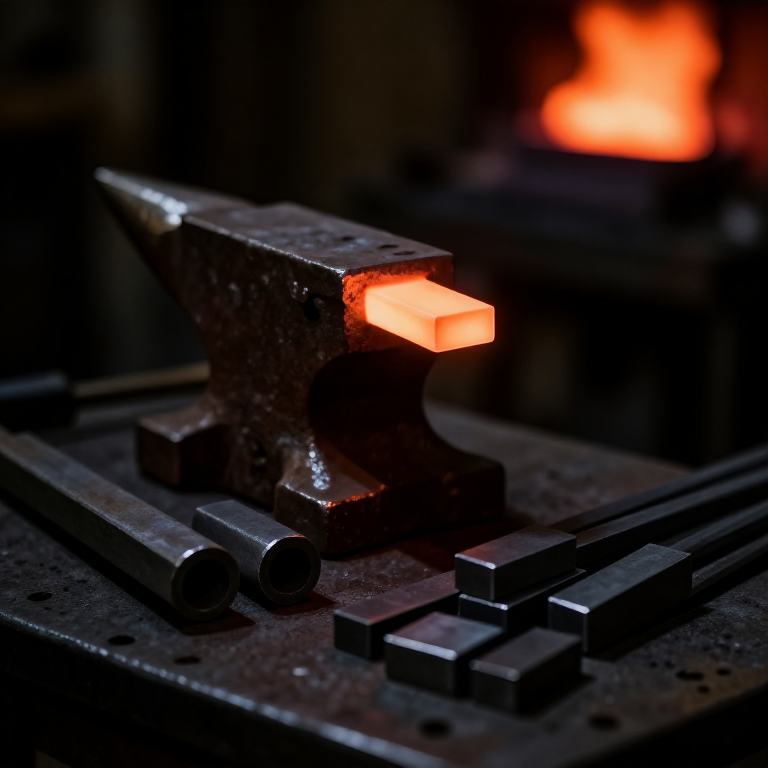


Mild Steel Bar Stock Forged from an Ingot
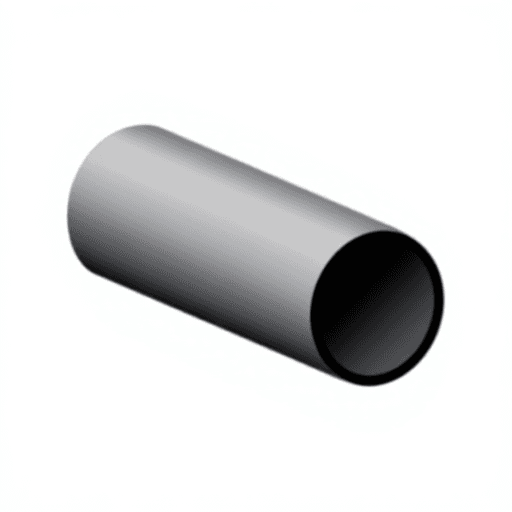
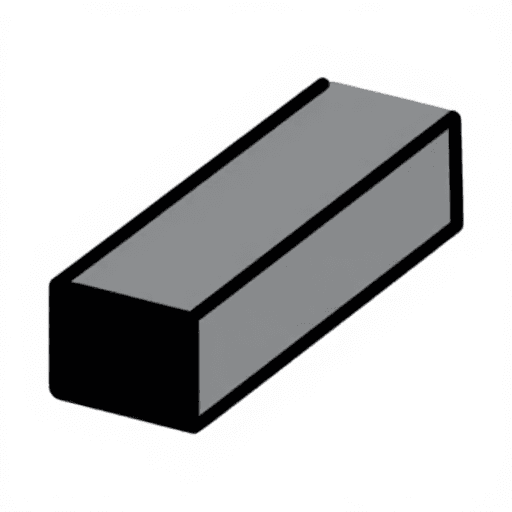
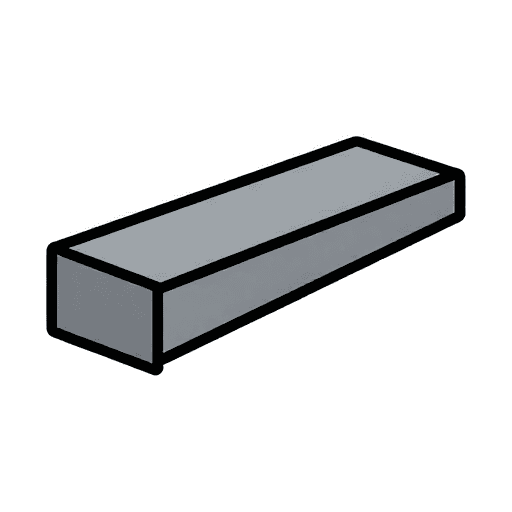
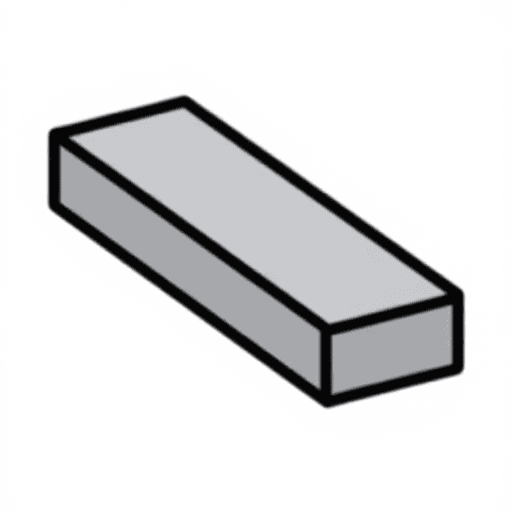
Mills roll steel ingots into bar between grooved rolls. Before rolling mills, and in any forge today, the same shapes are drawn out by hand: cut a billet from a low-carbon (mild) steel ingot, heat it, and hammer it longer and thinner, square first; then eight-sided and round in a swage block for round bar and rod, or flattened for flat bar.
Hand-forged bar is not as exact as rolled bar: measure it and allow for that. Mild steel does not harden when cooled in air, so the bar is left to cool on its own.
Ilọsíwájú
A day per few metres
Ìlànà
1
1
Where the ingot comes from
Where the ingot comes from
The ingot must be low-carbon (mild) steel.
2
2
Light the forge
Light the forge
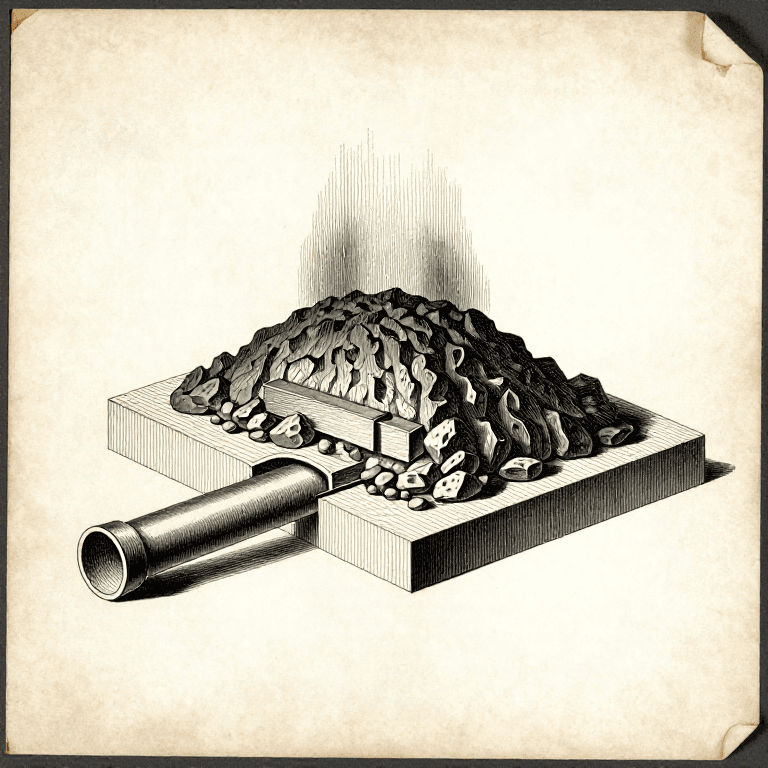
Build a deep, clean charcoal fire in the forge with the air on.
Àwọn ohun èlò fún ìgbésẹ̀ yìí:
 Èédú Ìṣùu10 kg
Àwọn irinṣẹ́ tí a nílò:
 Ìléru alágbẹ̀dẹ
3
3
Cut billets
Cut billets
Heat the ingot to a yellow heat and cut billets from it on the hot-cut hardy, striking with the sledgehammer. Wear apron, gloves, glasses and ear protection.
Àwọn ohun èlò fún ìgbésẹ̀ yìí:
 Ìdì irin líle5 kg
Àwọn irinṣẹ́ tí a nílò:
 Ọ̀bẹ ìgé lórí ìdí alágbẹ̀dẹ
 Òòlù ńlá
 Ẹmú alágbẹ̀dẹ
 Ìdí Alágbẹ̀dẹ
 Aṣọ Ìdílé Awọ
 Ìbọ̀wọ́ wẹ́lídìn
 Gíláàsì ààbò
 Ìbòjú etí ààbò
4
4
Draw out square
Draw out square
Heat a billet to yellow. Hammer it on the anvil face, a quarter turn after every few blows, so it stays square as it lengthens. Return it to the fire when it cools to red; never let it spark white.
Àwọn irinṣẹ́ tí a nílò:
 Òòlù alágbẹ̀dẹẸmú alágbẹ̀dẹÌdí Alágbẹ̀dẹÌléru alágbẹ̀dẹ
5
5
Square bar
Square bar
For square bar, stop at the size you need and true the faces under the flatter.
Àwọn irinṣẹ́ tí a nílò:
 Ohun èlò ìpẹ́rẹ́Òòlù ńlá
 Òṣùwọ̀n Kálípà Díjítà Ìnṣì 6
6
6
Round bar and rod
Round bar and rod
For round, knock the square's corners down to eight sides, then turn it in the swage block's round groove under the hammer until round. Smaller grooves give rod.
Àwọn irinṣẹ́ tí a nílò:
 Bulọ́ọ̀kì ìṣẹ̀dá oníhòÒòlù alágbẹ̀dẹÒṣùwọ̀n Kálípà Díjítà Ìnṣì 6
7
7
Flat bar
Flat bar
For flat bar, draw the square wider and thinner on its edge and face, then smooth it with the flatter.
Àwọn irinṣẹ́ tí a nílò:
 Fuller (irin ìgbẹ́ ìlà)Ohun èlò ìpẹ́rẹ́Òòlù ńláÒṣùwọ̀n Kálípà Díjítà Ìnṣì 6
8
8
Straighten and cool
Straighten and cool
At a low red heat, sight along the bar and tap it straight on the anvil. Lay it on the floor to cool in still air.
Àwọn irinṣẹ́ tí a nílò:
Òòlù alágbẹ̀dẹ Etí tààrà
9
9
Clean and measure
Clean and measure
Wire-brush off the scale, cut to length, and record each bar's size and length.
Àwọn irinṣẹ́ tí a nílò:
 Ìṣètò búrọ́ọ̀ṣì okùnÒṣùwọ̀n Kálípà Díjítà Ìnṣì 6
 Okùn Ìdíwọ̀n
10
10
Troubleshooting
Troubleshooting
Drawing out troubleshooting.
Flow
Loading...
Àwọn irinṣẹ́ tó nílò
17- Àyè
- Àyè
- Àyè
- 1 vendor sell this, none ship to you yetÀyè
Ìtọ́nisọ́nà yìí ń ṣe
Blueprint tó jọra
Àwọn blueprint wọ̀nyí pín ìmọ̀ — ọ̀nà, ohun-èlò tàbí ìlànà


CC0 Àgbègbè Gbogbogbò
Blueprint yìí ti jáde lábẹ́ CC0. O lè ṣe àdàkọ, yí padà, pín, àti lò láìsí ìyọ̀ǹda.
Ṣàtìlẹ́yìn Olùṣẹ́dá nípa rírà àwọn ọjà nipasẹ̀ Blueprint wọn Ẹ̀san Olùṣẹ́dá tí àwọn Olùtajà gbé kalẹ̀, tàbí ṣẹ̀dá àtúnṣe tuntun ti Blueprint yìí kí o sì fi sínú Blueprint rẹ gẹ́gẹ́ bí ìsopọ̀ láti pín owó-wíwọlé.