IṢẸ́ ỌNÀ
ẸWÀ ÀTI ÌLERA
IṢẸ́ ỌWỌ́
ÀṢÀ ÀTI ÌTÀN
ÌṢERÉ
ÀYÍKÁ
OÚNJẸ ÀTI OHUN MÍMU
REVERSE ENGINEERING
SÁYẸ́ǸSÌ
ERÉ ÌDÁRAYÁ
ÌMỌ̀-Ẹ̀RỌ
ÀWỌN OHUN WÍWỌ̀
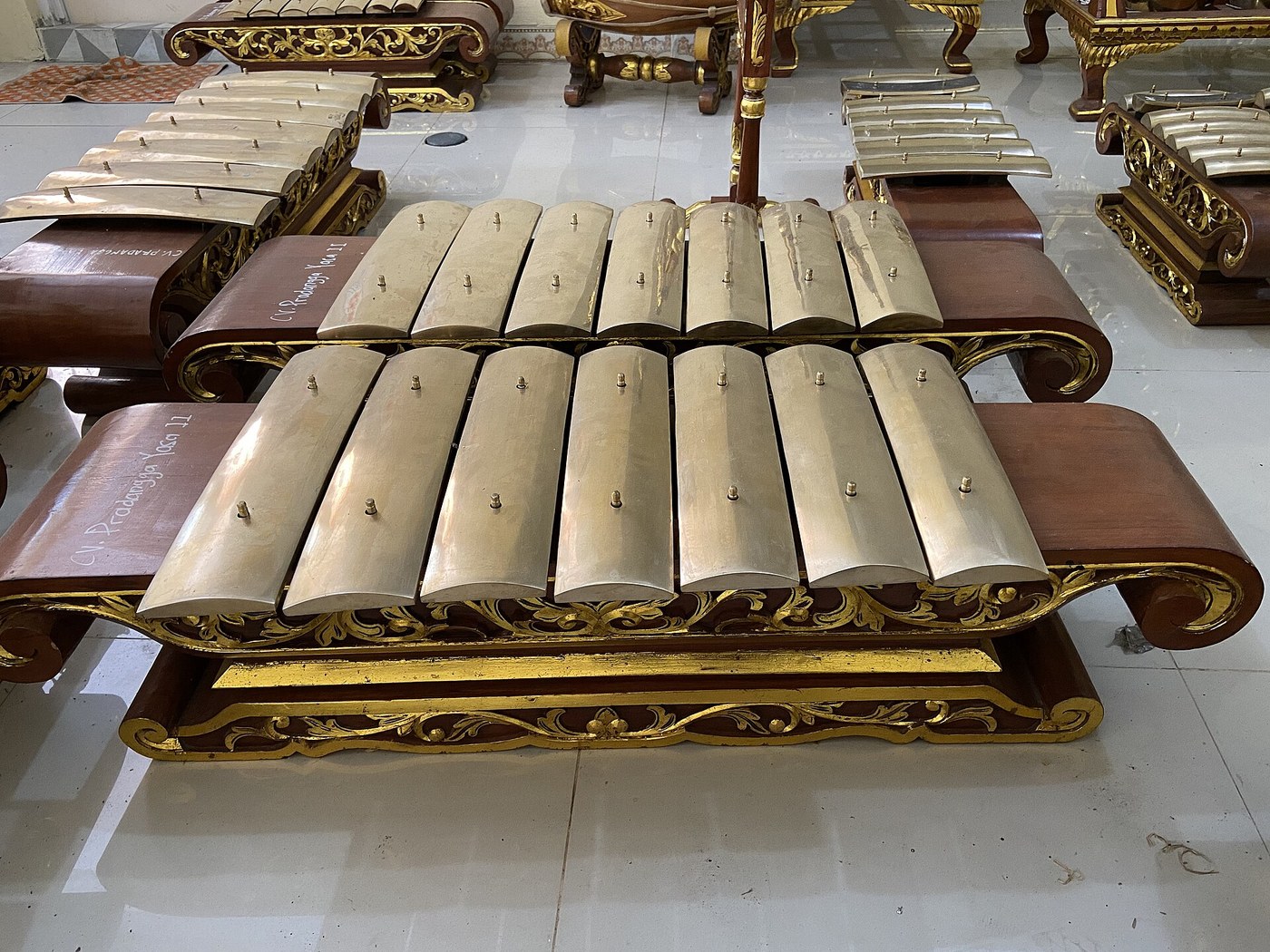


Gamelan Bronze Keys: Ten Parts Copper, Three Parts Tin, Cast and Forged
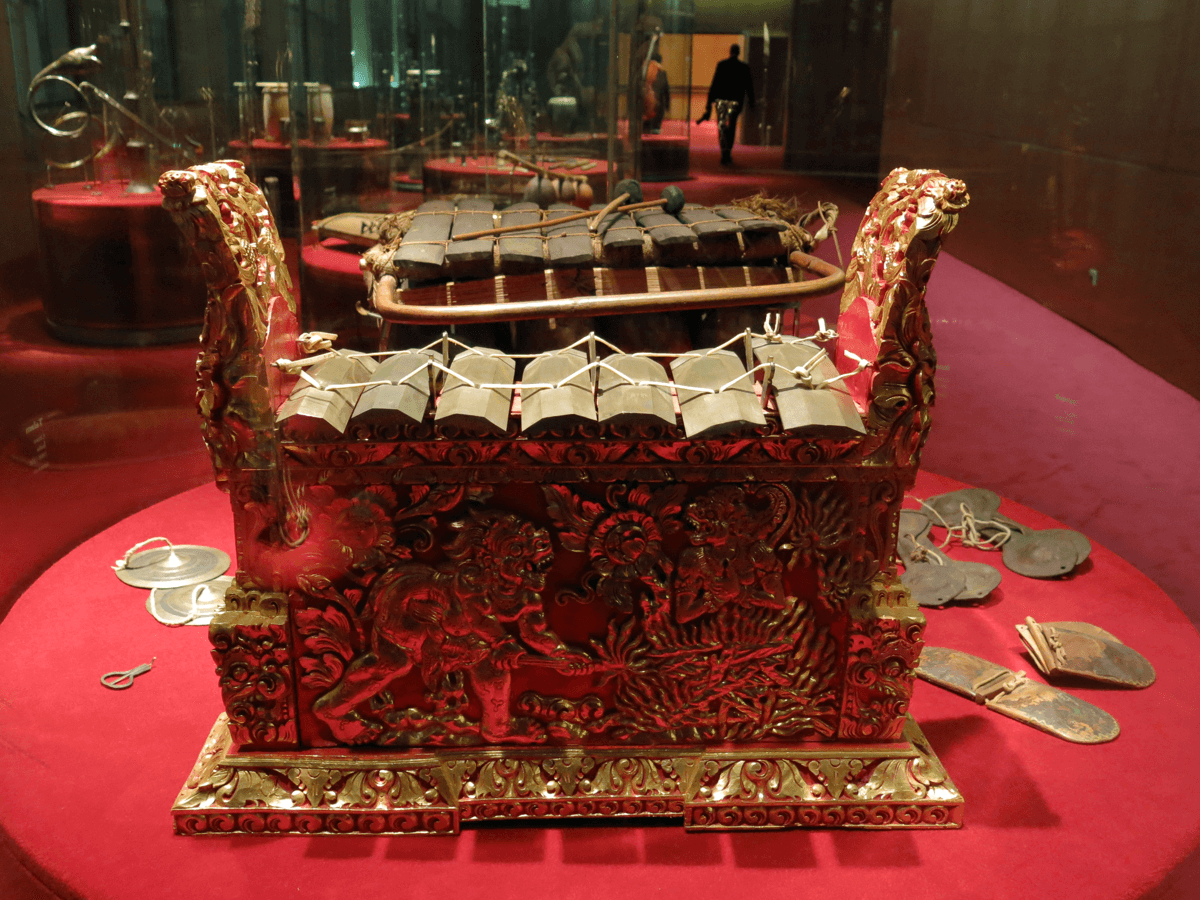
The keys of a saron are bronze bars. Javanese makers give the best gamelan bronze as ten parts copper to three parts tin, melted in a clay bowl (kowi), poured to a blade shape, forged with many kinds of hammer blows, checked, then tuned to the set's scale (Wikipedia, Gamelan production). Charge size, mould and tuning method are ours.
The picture: new saron keys on their frame (Wikimedia Commons).
Ilọsíwájú
3 days
Ìlànà
1
1
Weigh ten to three
Weigh ten to three
For six keys weigh 1 kg of copper and 300 g of tin: ten parts copper to three parts tin.
Àwọn ohun èlò fún ìgbésẹ̀ yìí:
 Ìṣù Bàbà1000 g
 Ìdì tin300 g
Àwọn irinṣẹ́ tí a nílò:
 Òṣùwọ̀n Díjítà Ilé Ìdáná
2
2
Melt in the clay crucible
Melt in the clay crucible
Melt the copper in a clay crucible in the furnace under a strong blast, then add the tin and stir it in.
Àwọn ohun èlò fún ìgbésẹ̀ yìí:
 Èédú1 as required
Àwọn irinṣẹ́ tí a nílò:
 Ìkòkò Amọ̀ Jíjìn
 Ìléru bíríkì
 Ẹ̀rọ Ìfẹ́ Afẹ́fẹ́
 Ẹmú Ìkòkò Ìyọ́
 Ìbọ̀wọ́ wẹ́lídìn
 Aṣọ Ìdílé Awọ
 Ààbò Ojú Gbogbo
3
3
Pour the blades
Pour the blades
Pour into an open iron mould to blade-shaped bars, a little longer and thicker than the finished keys. Let them cool.
Àwọn irinṣẹ́ tí a nílò:
Ẹmú Ìkòkò Ìyọ́ Àwòṣe fún ìṣù irinÌbọ̀wọ́ wẹ́lídìnAṣọ Ìdílé AwọÀàbò Ojú Gbogbo
4
4
Forge
Forge
Forge each bar to shape on the anvil with a range of hammer blows, working it even along its length.
Àwọn irinṣẹ́ tí a nílò:
 Ìléru alágbẹ̀dẹ
 Ìdí Alágbẹ̀dẹ
 Òòlù olórí ìtẹ̀ ìpakà
 Ẹmú alágbẹ̀dẹÌbọ̀wọ́ wẹ́lídìnAṣọ Ìdílé AwọÀàbò Ojú Gbogbo
5
5
Check and tune
Check and tune
Check each key for cracks. Strike it on soft supports and read its note on the tuner. Grind the ends to raise the note; thin the underside at the middle to lower it. Work in small steps until each key sits on its note.
Àwọn irinṣẹ́ tí a nílò:
 Chromatic tuner àti metronome (clip-on)
 Ẹ̀rọ ìlọ̀ onígun
 Àkójọ ÌfáÀàbò Ojú Gbogbo
Àwọn irinṣẹ́ tó nílò
16- Àyè
- 1 vendor sell this, none ship to you yetÀyè
- Àyè
Ìtọ́nisọ́nà yìí ń ṣe
Blueprint tó jọra
Àwọn blueprint wọ̀nyí pín ìmọ̀ — ọ̀nà, ohun-èlò tàbí ìlànà

CC0 Àgbègbè Gbogbogbò
Blueprint yìí ti jáde lábẹ́ CC0. O lè ṣe àdàkọ, yí padà, pín, àti lò láìsí ìyọ̀ǹda.
Ṣàtìlẹ́yìn Olùṣẹ́dá nípa rírà àwọn ọjà nipasẹ̀ Blueprint wọn Ẹ̀san Olùṣẹ́dá tí àwọn Olùtajà gbé kalẹ̀, tàbí ṣẹ̀dá àtúnṣe tuntun ti Blueprint yìí kí o sì fi sínú Blueprint rẹ gẹ́gẹ́ bí ìsopọ̀ láti pín owó-wíwọlé.