IṢẸ́ ỌNÀ
ẸWÀ ÀTI ÌLERA
IṢẸ́ ỌWỌ́
ÀṢÀ ÀTI ÌTÀN
ÌṢERÉ
ÀYÍKÁ
OÚNJẸ ÀTI OHUN MÍMU
REVERSE ENGINEERING
SÁYẸ́ǸSÌ
ERÉ ÌDÁRAYÁ
ÌMỌ̀-Ẹ̀RỌ
ÀWỌN OHUN WÍWỌ̀
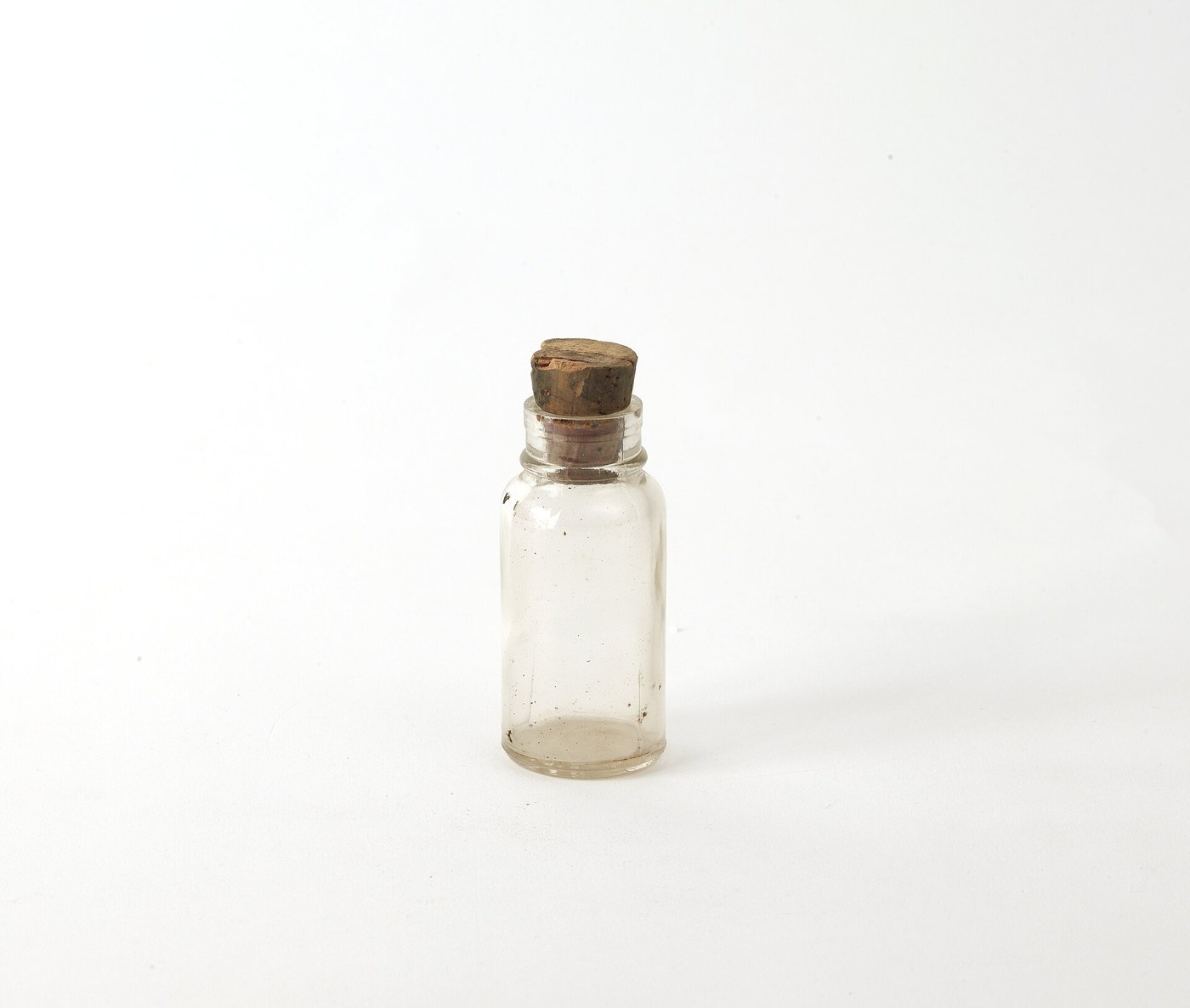


Glass Vial: a Corked Specimen Vial Closed and Flanged from Glass Tube (after Frary, 1914)
A small glass vial with a cork, for specimens, gold flakes or samples: an 18 mm glass tube closed to a round bottom, cut to length and flanged at the mouth so a cork goes in without cracking it, then annealed. The methods are from Francis Frary's Laboratory Manual of Glass-Blowing (1914). About 14 ml.
Àárín
About 30 minutes a vial, plus practice
Ìlànà
1
1
Watch a test tube made
Watch a test tube made
A tube closed to a round bottom at the torch (The Fusing Shop). A vial is the same, shorter, with a flanged mouth.
2
2
How much it holds
How much it holds
Ń ṣí ìwé Jupyter…
Àwọn irinṣẹ́ tí a nílò:
 Òṣùwọ̀n Kálípà Díjítà Ìnṣì 6
3
3
Make a flanging tool
Make a flanging tool
Frary's tool: a triangle of copper or brass about 1/16 in. (1.5 mm) thick on a handle; his Fig. 2 sizes are a = 1 in., b = 1 in. and a = 2 in., b = 1 in. Cut it from brass sheet and fit it in a slot sawn in a hardwood dowel (ours: he wraps the shank in asbestos paper, which we never use).
Àwọn irinṣẹ́ tí a nílò:
 Pẹlẹbẹ Bronse
 Àwọn dowel igi líle
 Ìlàǹkàn irin
 Àwọn Ìfá (Ìfá Ọwọ́)
4
4
Close the end
Close the end
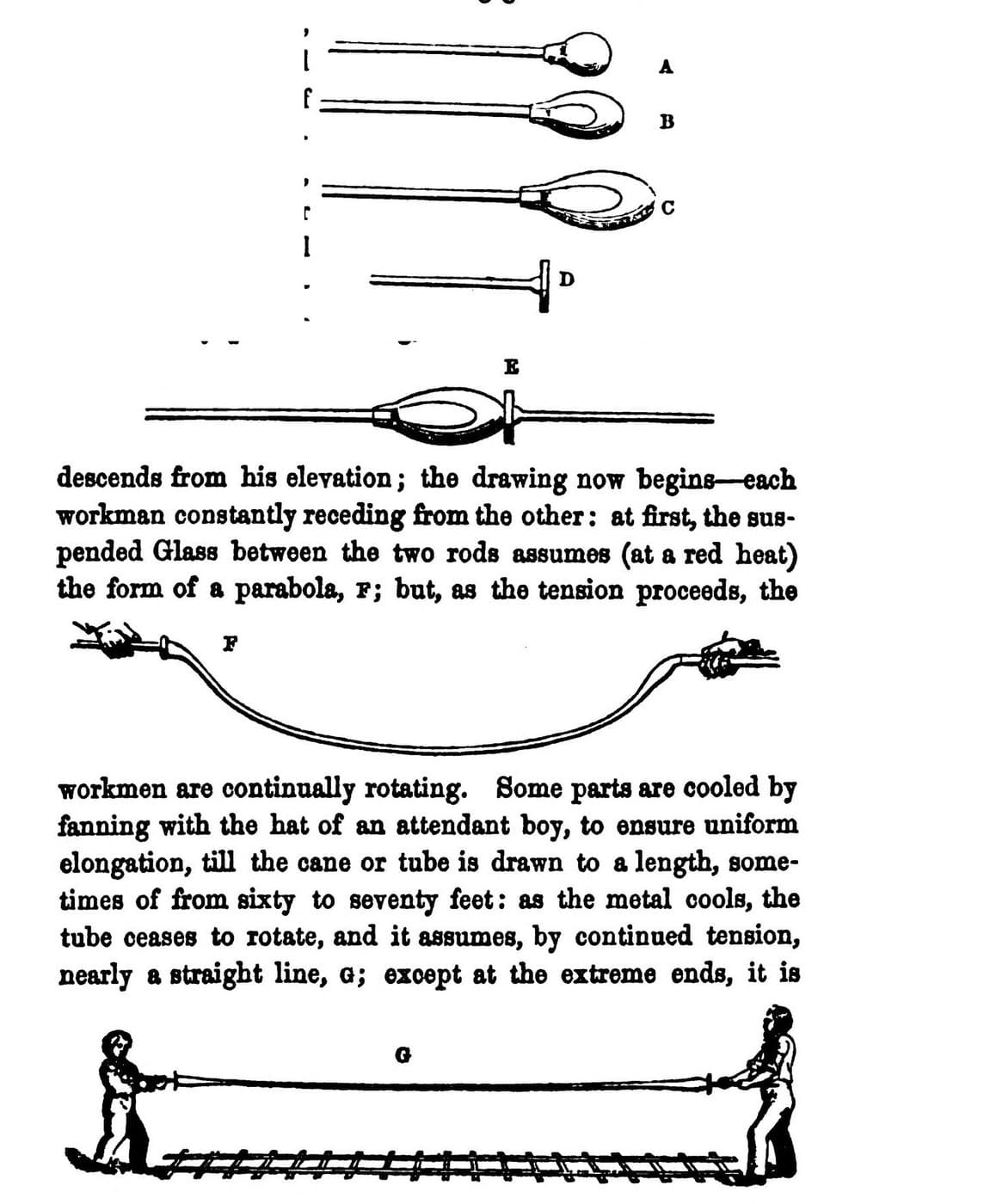
Heat the tube near one end, turning it all the time, and draw it off in a short cone. Draw off the tail with a fine flame passing just below it, lifting the work out when the thread gets thin, so no lump is left. Blow out the little lump slightly, shrink the whole cone a little and blow gently to a round end like a test tube, with walls as thick as the tube's.
Àwọn ohun èlò fún ìgbésẹ̀ yìí:
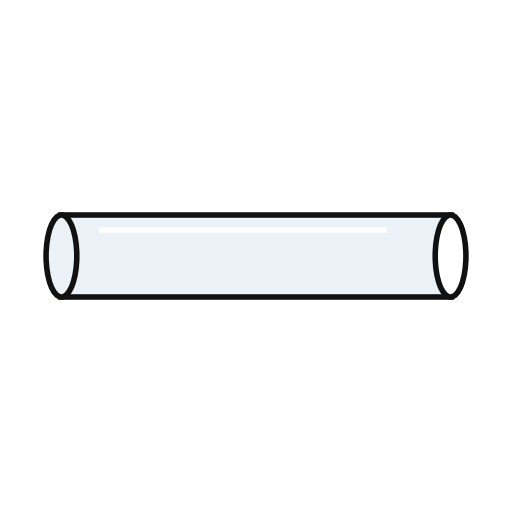 Ọpọ́n gíláàsì1 piece (18 mm x 1.2 mm wall, 200 mm)
Àwọn irinṣẹ́ tí a nílò:
 Ọ̀gọ̀ ìfẹ́ dígí orí tábìlì
 Gíláàsì ààbò
 Ìbọ̀wọ́ Tí Ń Fara Da Ooru
5
5
Anneal the bottom
Anneal the bottom
Turn the flame smoky and hold the round end in it until coated with soot, then reduce the flame and cool it in the hot air above until it will not singe cotton wool. Let it cool fully.
Àwọn irinṣẹ́ tí a nílò:
Ọ̀gọ̀ ìfẹ́ dígí orí tábìlì Òwú ìmu omiÌbọ̀wọ́ Tí Ń Fara Da Ooru
6
6
Cut to length
Cut to length
Make one scratch with the file edge 80 mm from the bottom (one stroke, no sawing), then pull the ends apart while bending very slightly to open the scratch. The end must be square.
Àwọn irinṣẹ́ tí a nílò:
Àwọn Ìfá (Ìfá Ọwọ́)Òṣùwọ̀n Kálípà Díjítà Ìnṣì 6Ìbọ̀wọ́ Tí Ń Fara Da Ooru7
7
Flange the mouth
Flange the mouth
Turning the vial, heat only the last 2-3 mm of the mouth until it softens and starts to shrink. Warm the flanging tool, touch it to the wax, put it in at an angle and press on the soft edge while turning the vial quickly. Repeat if the flange is too small. Reheat the mouth to softening and anneal it as before.
Àwọn ohun èlò fún ìgbésẹ̀ yìí:
 Ìdí parafíìnì1 g
Àwọn irinṣẹ́ tí a nílò:
Ọ̀gọ̀ ìfẹ́ dígí orí tábìlìÌbọ̀wọ́ Tí Ń Fara Da OoruGíláàsì ààbò8
8
Fit the cork
Fit the cork
Choose a tapered cork that starts into the mouth by about a third of its length. Twist it in; never force a cork into an unannealed vial.
Àwọn ohun èlò fún ìgbésẹ̀ yìí:
 Àwọn kọ́ọ̀kì1 piece (tapered, about 15 to 18 mm)
9
9
Troubleshooting
Troubleshooting
Vial problems and fixes.
Flow
Loading...
10
10
History and honest limits
History and honest limits
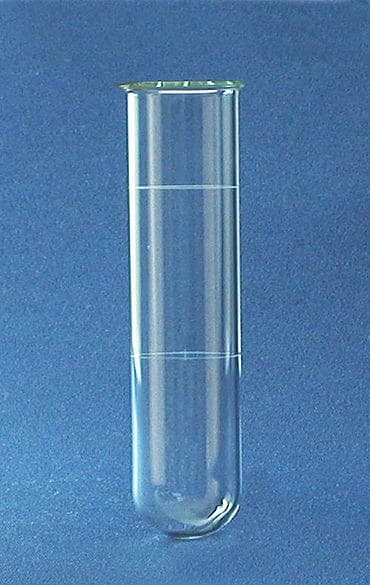
From Francis C. Frary, Laboratory Manual of Glass-Blowing (1914): cutting (p. 7), flanging (pp. 11-12), the rounded test-tube end (Exercises 6 and 8) and annealing in the smoky flame (pp. 3-4). He used a gas blast lamp; borosilicate tube needs a hotter oxygen torch than soft glass. The picture shows a vial from the chemist Georg Bredig's laboratory (moulded, flat bottom); ours has a round blown bottom. Ours: the sizes, the cork and the wooden tool handle. Not made by us yet.
Àwọn ohun-èlò
3- 1 piece (18 mm x 1.2 mm wall, 200 mm)Àyè
- Àyè
- 1 piece (tapered, about 15 to 18 mm)Àyè
Àwọn Ohun Èlò Ìtọ́nisọ́nà Tí A So Pọ̀

Ìtọ́nisọ́nà yìí ń ṣe
Blueprint tó jọra
Àwọn blueprint wọ̀nyí pín ìmọ̀ — ọ̀nà, ohun-èlò tàbí ìlànà
CC0 Àgbègbè Gbogbogbò
Blueprint yìí ti jáde lábẹ́ CC0. O lè ṣe àdàkọ, yí padà, pín, àti lò láìsí ìyọ̀ǹda.
Ṣàtìlẹ́yìn Olùṣẹ́dá nípa rírà àwọn ọjà nipasẹ̀ Blueprint wọn Ẹ̀san Olùṣẹ́dá tí àwọn Olùtajà gbé kalẹ̀, tàbí ṣẹ̀dá àtúnṣe tuntun ti Blueprint yìí kí o sì fi sínú Blueprint rẹ gẹ́gẹ́ bí ìsopọ̀ láti pín owó-wíwọlé.