IṢẸ́ ỌNÀ
ẸWÀ ÀTI ÌLERA
IṢẸ́ ỌWỌ́
ÀṢÀ ÀTI ÌTÀN
ÌṢERÉ
ÀYÍKÁ
OÚNJẸ ÀTI OHUN MÍMU
REVERSE ENGINEERING
SÁYẸ́ǸSÌ
ERÉ ÌDÁRAYÁ
ÌMỌ̀-Ẹ̀RỌ
ÀWỌN OHUN WÍWỌ̀
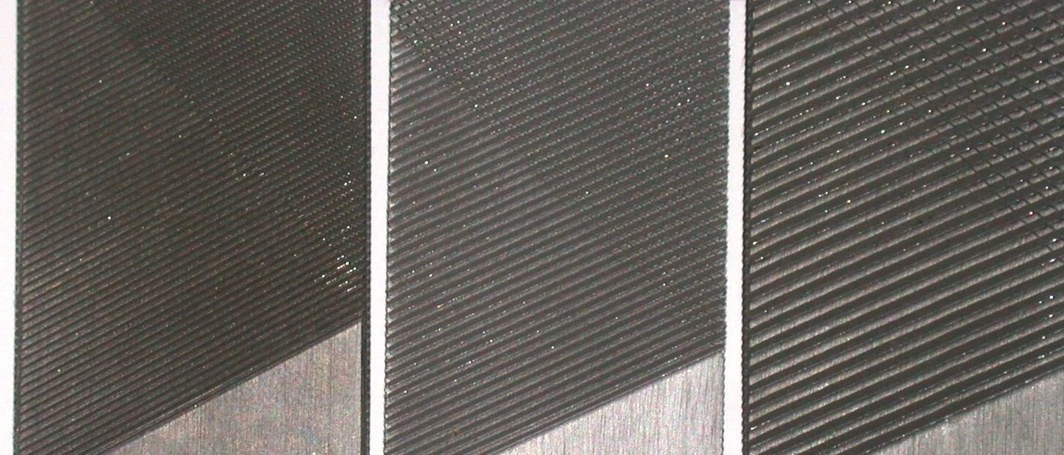


Steel Files: Forged, Cut and Hardened
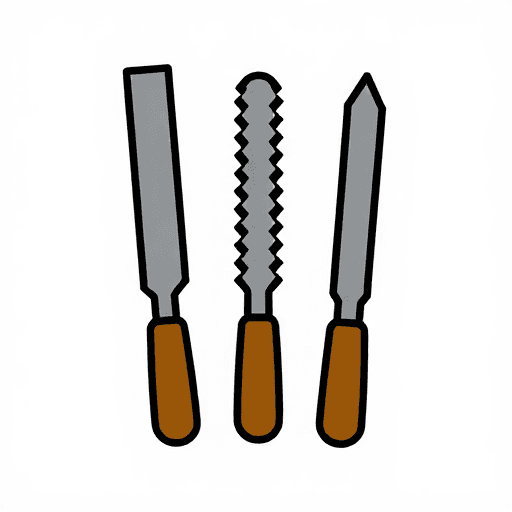
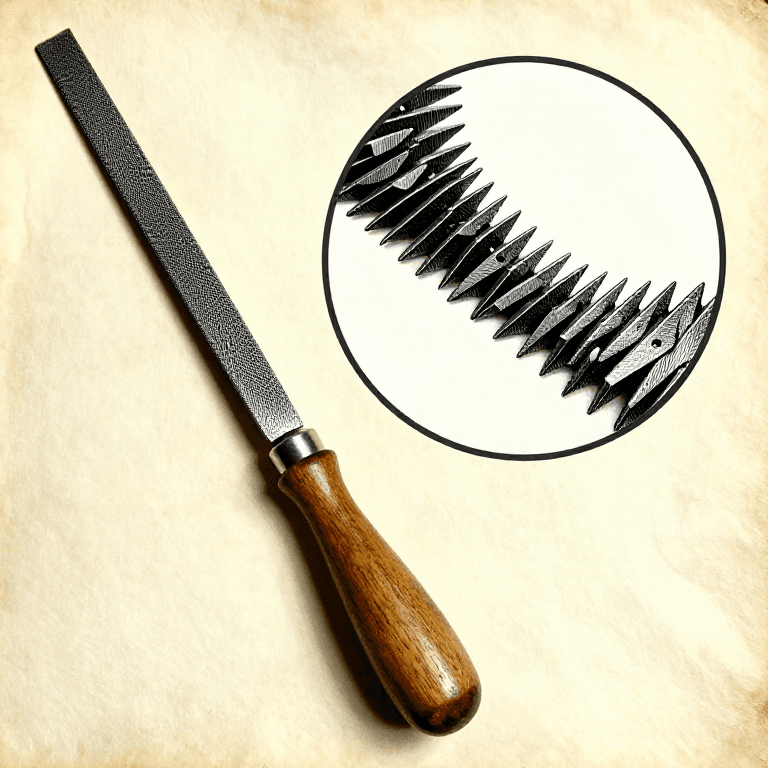
A file is a bar of high-carbon steel, about 1.0–1.25 % carbon, covered in rows of tiny chisel cuts. The blank is forged with a tang, annealed soft, ground flat, and the teeth are raised one by one with a chisel and hammer: each blow cuts a groove and lifts its edge into a tooth. A single-cut file has one row of parallel cuts, at 65–85° to the length; a double-cut file has a second row crossing the first, for general work the first at 40–45° and the second at 70–80°. The file is then hardened as hard as it will go by quenching it in cold brine, and is never tempered; only the tang is softened so it will not snap. Factories do the same steps by machine.
Ilọsíwájú
2 days (annealing overnight)
Ìlànà
1
1
Forge the blank
Forge the blank
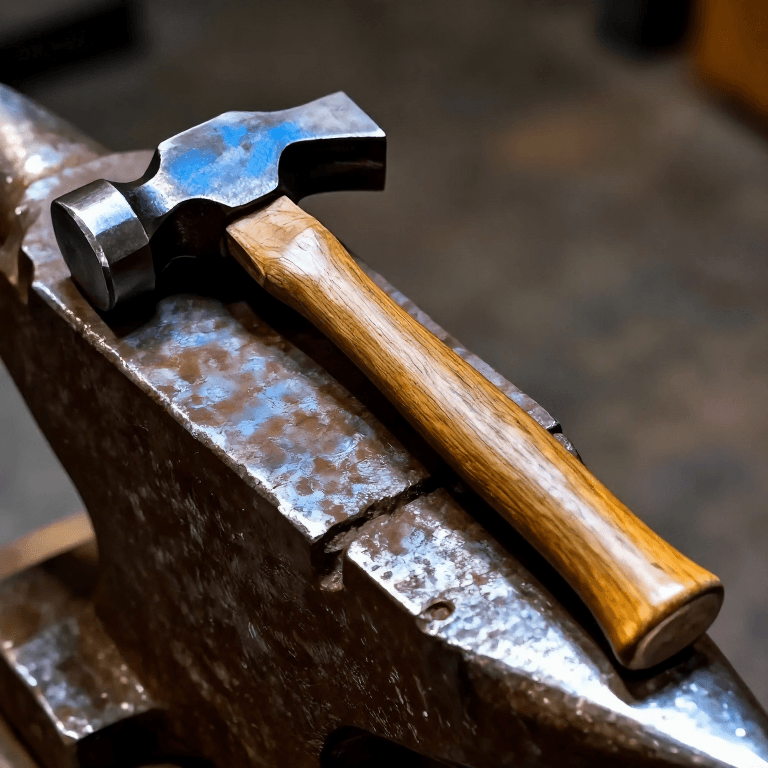
At a yellow heat, draw the high-carbon steel to the file's section and forge a narrow, pointed tang at one end.
Àwọn ohun èlò fún ìgbésẹ̀ yìí:
 Ìdìpọ̀ irin tí ó ní carbon pọ̀0.5 kg
Àwọn irinṣẹ́ tí a nílò:
 Ìléru alágbẹ̀dẹ
 Ìdí Alágbẹ̀dẹ
 Òòlù Alágbẹ̀dẹ
 Ẹmú Alágbẹ̀dẹ
2
2
Anneal
Anneal
Heat the blank no hotter than a blood-red and let it cool very slowly, shut away from the air; factories leave blanks in closed boxes in the furnace for 24–36 hours. Cooled in open air it would harden again.
Àwọn irinṣẹ́ tí a nílò:
Ìléru alágbẹ̀dẹ3
3
Straighten and grind
Straighten and grind
Straighten the blank, grind off the scale and make the faces flat and even, or the teeth will not be uniform.
Àwọn irinṣẹ́ tí a nílò:
 Òkúta ìfá oníkẹ̀kẹ́
4
4
Cut the teeth
Cut the teeth
Hold the chisel at an angle and strike it, then move it a small, regular distance and strike again; each blow raises one tooth. For a double cut, cut the first row (overcut), then a second row crossing it (upcut). To cut the other face, turn the file over on a pewter plate so the finished teeth are not crushed.
Àwọn irinṣẹ́ tí a nílò:
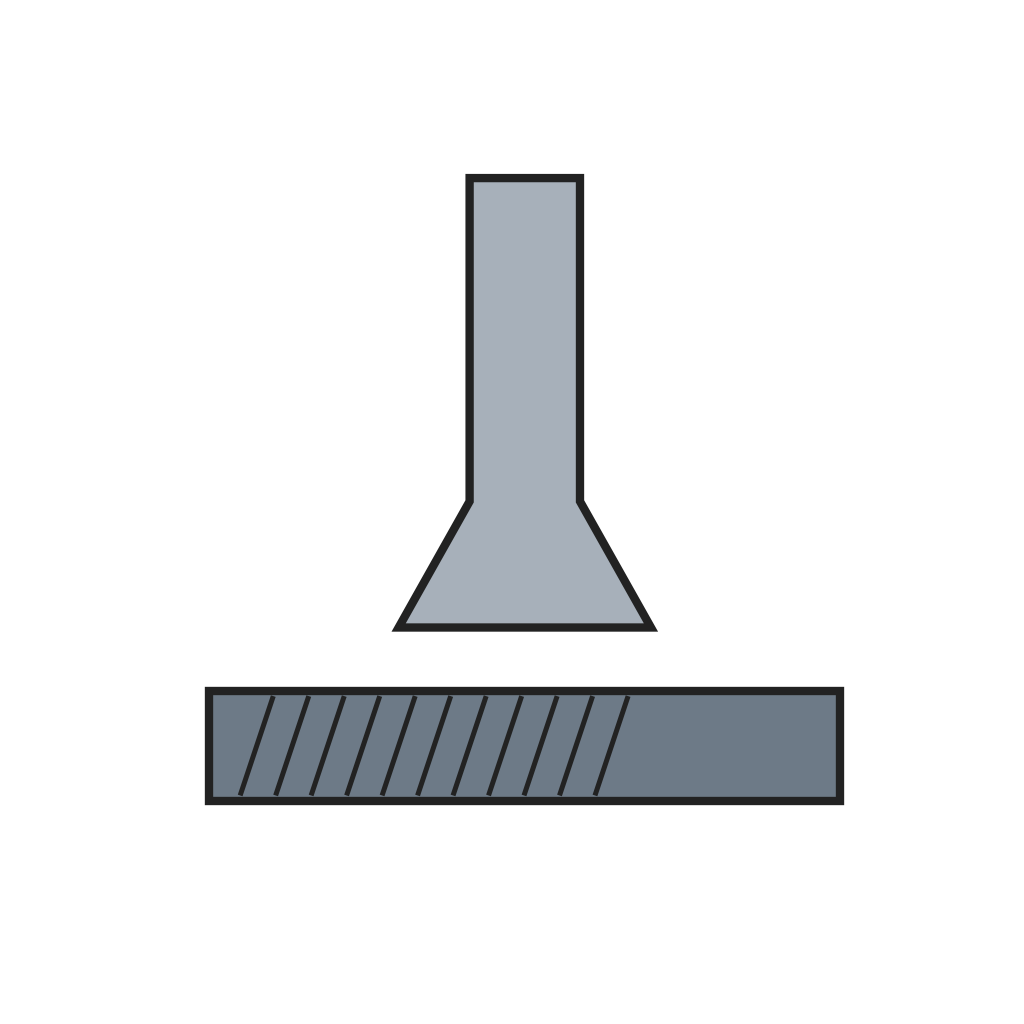 Ìlù ìgé eyín fáìlìÒòlù Alágbẹ̀dẹÌdí Alágbẹ̀dẹ
 Àwo pewutà
5
5
Harden
Harden
Heat the file evenly to its hardening heat and plunge it into a bath of cold brine, which cools faster than water and leaves it harder. Do not temper it.
Àwọn ohun èlò fún ìgbésẹ̀ yìí:
 Iyọ̀1 kg
Àwọn irinṣẹ́ tí a nílò:
Ìléru alágbẹ̀dẹ Bàkẹ́ẹ̀tìẸmú Alágbẹ̀dẹ
6
6
Soften the tang
Soften the tang
Reheat the tang alone so it is no longer glass-hard: a fully hard tang snaps when the handle is driven on. Clean and oil the file.
Àwọn irinṣẹ́ tí a nílò:
Ìléru alágbẹ̀dẹẸmú Alágbẹ̀dẹÌtọ́nisọ́nà yìí ń ṣe
Blueprint tó jọra
Àwọn blueprint wọ̀nyí pín ìmọ̀ — ọ̀nà, ohun-èlò tàbí ìlànà
CC0 Àgbègbè Gbogbogbò
Blueprint yìí ti jáde lábẹ́ CC0. O lè ṣe àdàkọ, yí padà, pín, àti lò láìsí ìyọ̀ǹda.
Ṣàtìlẹ́yìn Olùṣẹ́dá nípa rírà àwọn ọjà nipasẹ̀ Blueprint wọn Ẹ̀san Olùṣẹ́dá tí àwọn Olùtajà gbé kalẹ̀, tàbí ṣẹ̀dá àtúnṣe tuntun ti Blueprint yìí kí o sì fi sínú Blueprint rẹ gẹ́gẹ́ bí ìsopọ̀ láti pín owó-wíwọlé.