IṢẸ́ ỌNÀ
ẸWÀ ÀTI ÌLERA
IṢẸ́ ỌWỌ́
ÀṢÀ ÀTI ÌTÀN
ÌṢERÉ
ÀYÍKÁ
OÚNJẸ ÀTI OHUN MÍMU
REVERSE ENGINEERING
SÁYẸ́ǸSÌ
ERÉ ÌDÁRAYÁ
ÌMỌ̀-Ẹ̀RỌ
ÀWỌN OHUN WÍWỌ̀
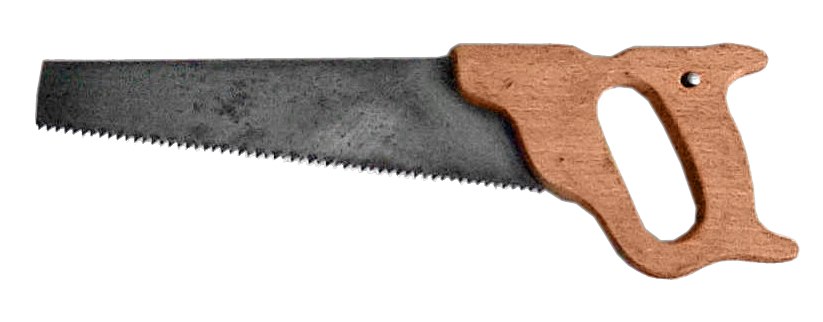


Hand Saw: Plate, Teeth, Temper and Handle
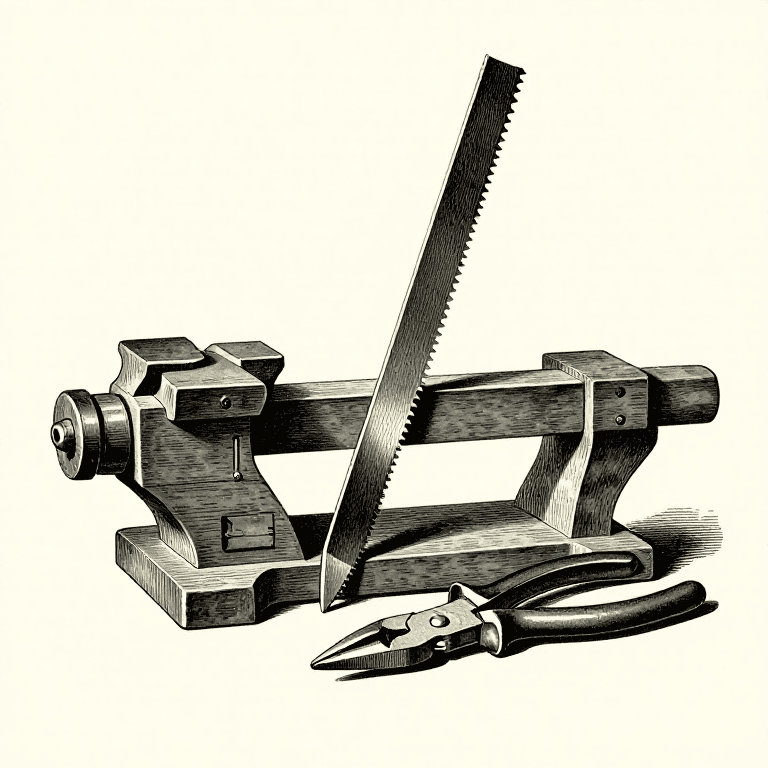
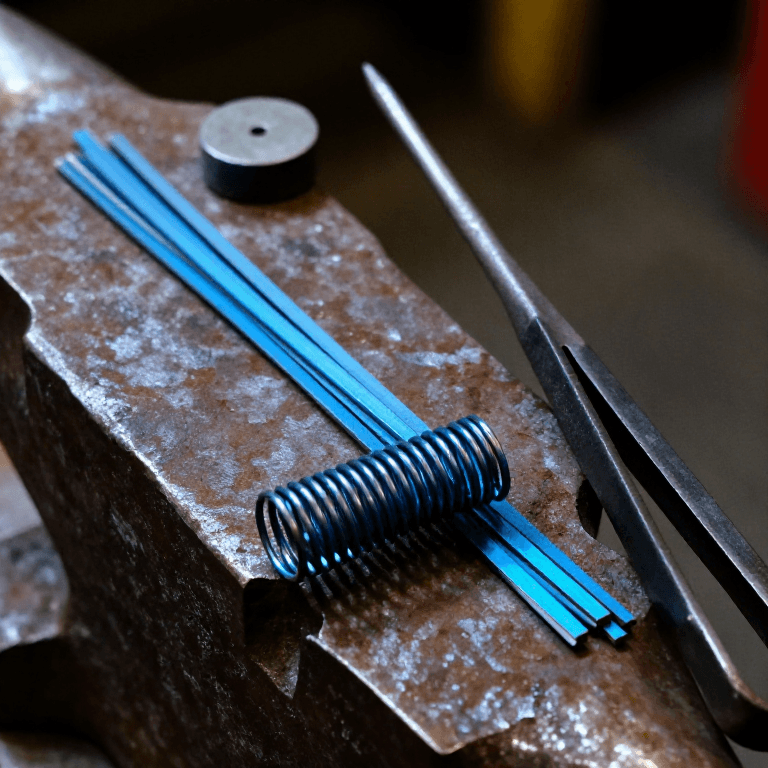
Hand saws were made like this in the saw works of the 1880s. Steel plate is sheared to the outline of the blade and the teeth are punched in a press. The toothed plate is heated to a light cherry red and plunged into a bath of oil, tallow, rosin and beeswax, which leaves it as brittle as glass; it is then flattened between heated dies until it reaches a blue, the colour of spring temper. After smithing and grinding, the teeth are set, bent alternately left and right, and filed sharp, and a wooden handle is riveted on. Today the plate is laser cut and the teeth are ground and flame hardened.
Ilọsíwájú
Factory process (1880s)
Ìlànà
1
1
Cut the plate
Cut the plate
Shear the steel plate to the outline of the blade.
Àwọn ohun èlò fún ìgbésẹ̀ yìí:
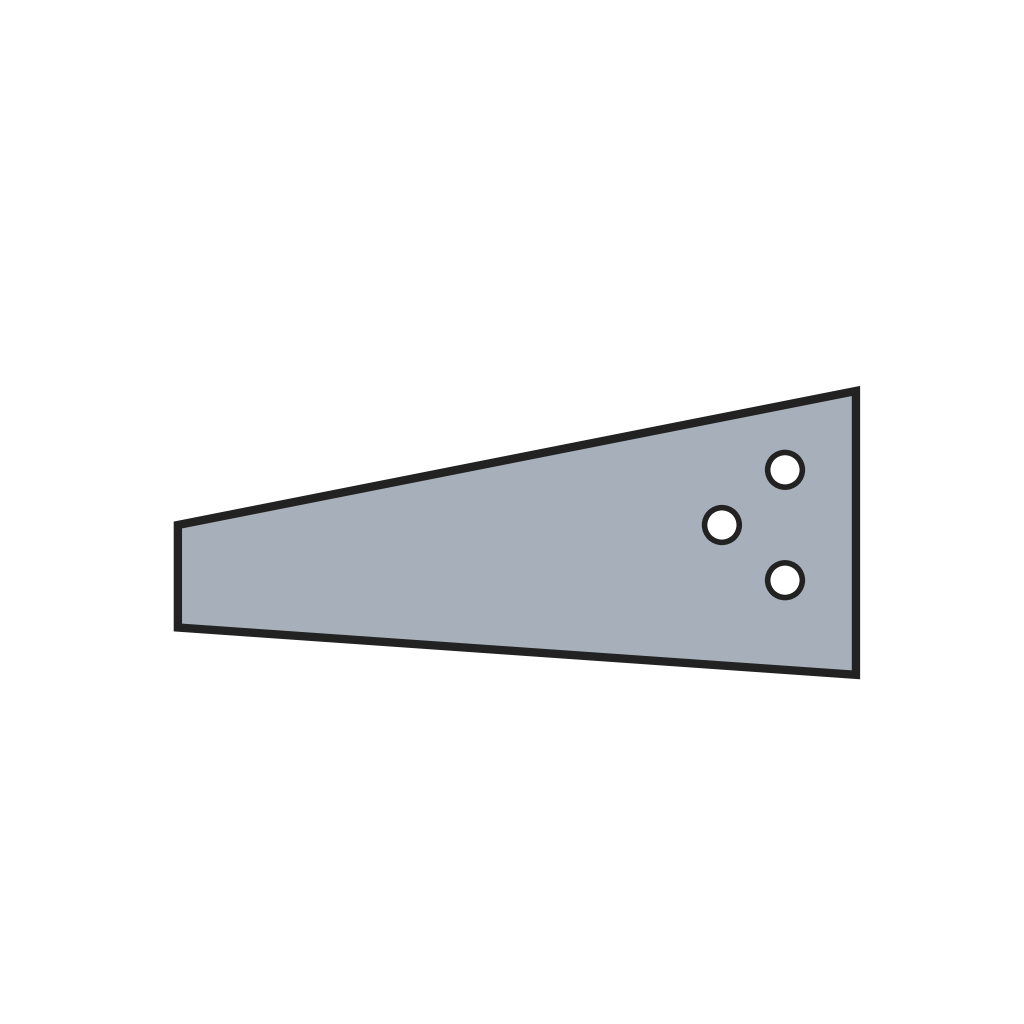 Àwo irin líle fún abẹ ayùn1 ẹyọ
Àwọn irinṣẹ́ tí a nílò:
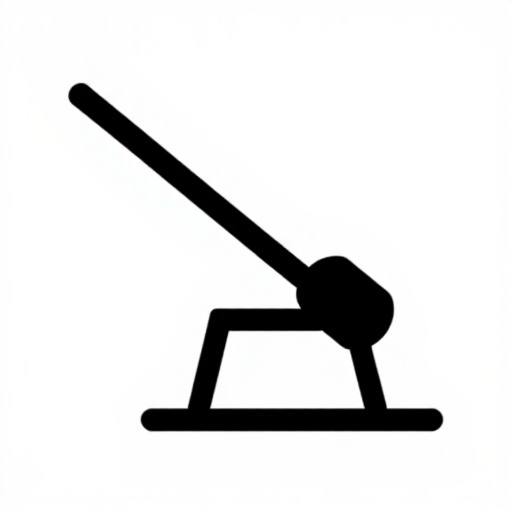 Àlùmọ́gàjí àwo irin
2
2
Punch the teeth
Punch the teeth
Punch the teeth along the edge with a shaped die in a press.
Àwọn irinṣẹ́ tí a nílò:
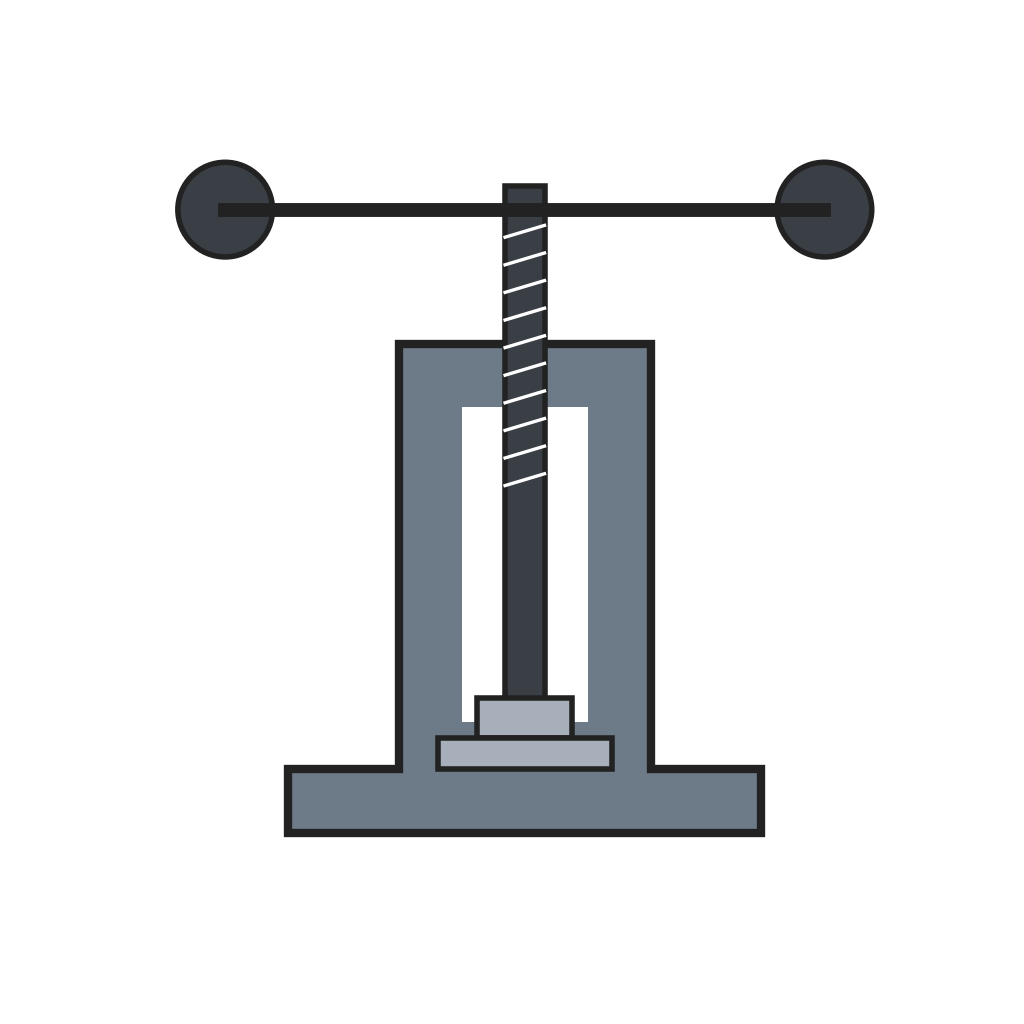 Ẹ̀rọ ìtẹ̀ ìlu eyín ayùn
3
3
Harden
Harden
Heat the toothed plate to a light cherry red and plunge it into a bath of oil, tallow, rosin and beeswax. It comes out as brittle as glass and buckled.
Àwọn ohun èlò fún ìgbésẹ̀ yìí:
 Ọ̀rá Ẹranko1 kg
 Ọ̀dà igi paini0.5 kg
 Ìdí Oyin0.5 kg
4
4
Flatten and temper
Flatten and temper
Clean off the scale and grease and press the plate flat between heated dies until it turns blue, the spring temper. Test it by bending: a good blade springs back straight.
Àwọn irinṣẹ́ tí a nílò:
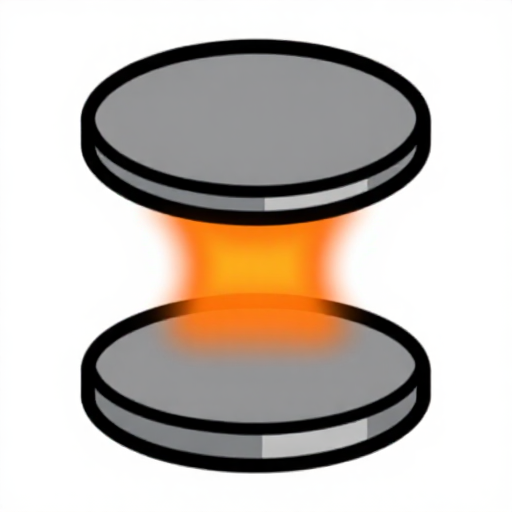 Àwòṣe gbígbóná ìtẹ́jú
5
5
Smith and grind
Smith and grind
Hammer out any remaining unevenness on a stake, then grind the blade to its gauge on a grindstone.
Àwọn irinṣẹ́ tí a nílò:
 Òkúta ìfá oníkẹ̀kẹ́
6
6
Set and sharpen
Set and sharpen
Set the teeth alternately left and right with a saw set, joint the points level with a file, and file each tooth sharp with a triangular file.
Àwọn irinṣẹ́ tí a nílò:
 Ohun èlò ìtẹ́ eyín ayùn
 Ìfá Irin
7
7
Fit the handle
Fit the handle
Shape a handle from beech and fix the blade in it with rivets.
Àwọn ohun èlò fún ìgbésẹ̀ yìí:
 Igi beech1 ẹyọ
 Ìṣó èèkù ayùn3 ẹyọ
Àwọn ohun-èlò
6- Àyè
- 1 kgÀyè
- 0.5 kgÀyè
- 0.5 kgÀyè
- 1 ẹyọÀyè
- 3 ẹyọÀyè
Àwọn irinṣẹ́ tó nílò
6- Àyè
Ìtọ́nisọ́nà yìí ń ṣe

Blueprint tó jọra
Àwọn blueprint wọ̀nyí pín ìmọ̀ — ọ̀nà, ohun-èlò tàbí ìlànà
CC0 Àgbègbè Gbogbogbò
Blueprint yìí ti jáde lábẹ́ CC0. O lè ṣe àdàkọ, yí padà, pín, àti lò láìsí ìyọ̀ǹda.
Ṣàtìlẹ́yìn Olùṣẹ́dá nípa rírà àwọn ọjà nipasẹ̀ Blueprint wọn Ẹ̀san Olùṣẹ́dá tí àwọn Olùtajà gbé kalẹ̀, tàbí ṣẹ̀dá àtúnṣe tuntun ti Blueprint yìí kí o sì fi sínú Blueprint rẹ gẹ́gẹ́ bí ìsopọ̀ láti pín owó-wíwọlé.