
IṢẸ́ ỌNÀ
ẸWÀ ÀTI ÌLERA
IṢẸ́ ỌWỌ́
ÀṢÀ ÀTI ÌTÀN
ÌṢERÉ
ÀYÍKÁ
OÚNJẸ ÀTI OHUN MÍMU
REVERSE ENGINEERING
SÁYẸ́ǸSÌ
ERÉ ÌDÁRAYÁ
ÌMỌ̀-Ẹ̀RỌ
ÀWỌN OHUN WÍWỌ̀
Hand-Sewn Welted Boot: Last, Welt, Sole, Heel and Finish (Hasluck, Boot Making and Mending, 1898)
Tex

Ṣẹ́dá nipasẹ̀

Tex

13. Oṣù Kọkànlá 2026FO
14
0
0
0
0

Hand-Sewn Welted Boot: Last, Welt, Sole, Heel and Finish (Hasluck, Boot Making and Mending, 1898)

How a closed boot upper becomes a hand-sewn welted boot, from Paul N. Hasluck's Boot Making and Mending (1898): measure the foot and fit up the last, block and feather the insole, last the upper tight, sew in the welt and the seat, fill and lay the sole, round it, channel and stitch it to the welt, build and sew the heel, then knife, iron, ink and heel-ball the edges. All sizes are his. The upper here is the Wellington leg from Leno's book (the previous blueprint).
Ilọsíwájú
About 1 week

Ìlànà

1

Sizes, lasts and heel

Ń ṣí ìwé Jupyter…
2

Read Boot Making and Mending, ch. IV

"In choosing the materials, it should be remembered that a boot, like a house, depends upon the foundation, for which reason the leather should be good of its class, and every care exercised to fit it properly."
3

Measure the foot

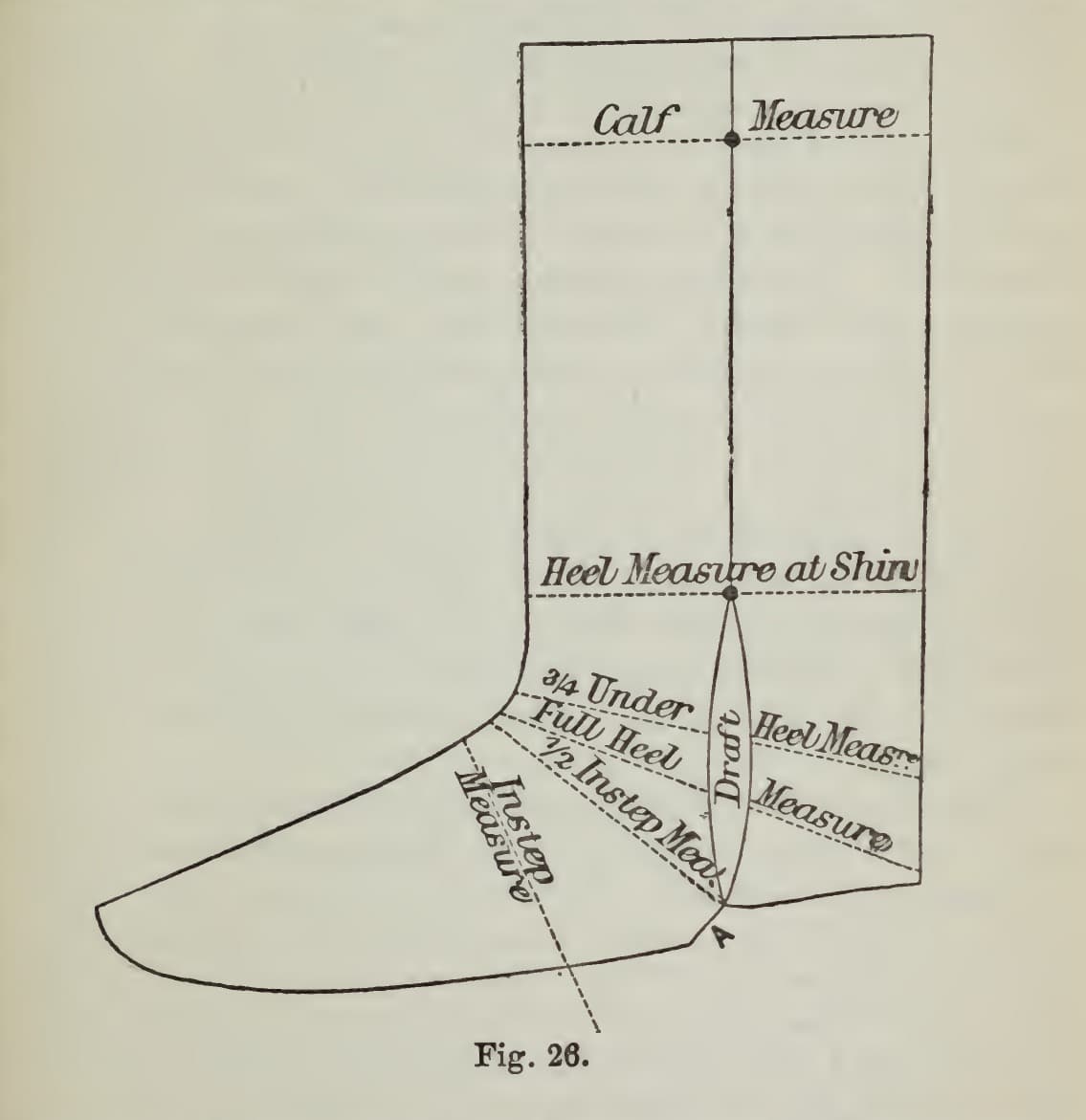
Have the person stand full weight on a sheet of paper and draw round the foot with the pencil quite upright, then the lines of the waist. Take the length on the drawing. With a tape take, in inches and only just tight: the joint (under the foot, over the great-toe joint and little-toe knuckle), the second joint round the ball, the instep, the heel measure (round the heel, under the ankle bone, across the throat) and the leg about 1½ in above the ankle bone. Mark each on the drawing.

Àwọn ohun èlò fún ìgbésẹ̀ yìí:

Ewé bébà onígun mẹ́rinEwé bébà onígun mẹ́rin1 ẹyọ

Àwọn irinṣẹ́ tí a nílò:

GègéGègé
Okùn Ìdíwọ̀nOkùn Ìdíwọ̀n
Igi ìwọ̀n bàtàIgi ìwọ̀n bàtà
4

Fit up the last

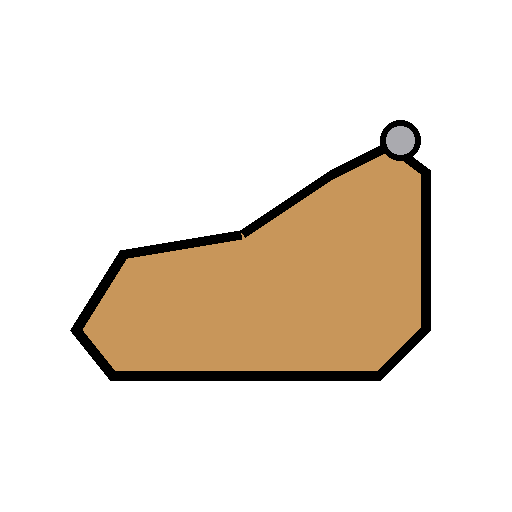
Choose a last whose toe is nearest the shape wanted; set it on the drawing and check the lines and girths. Rasp off any surplus so the bottom is shaped as his Fig. 69, leaving room for the great toe. If it is too small, make fittings from wetted, stretched flank leather (long leather, joint, toe-pin, heel-pin), skive them thin to the edge, tack them on wet and let each dry before blocking and trimming. Peg bunion pieces with fine ½ in pegs in holes made with the peg awl. An old shoe worn to the foot is "the safest guide": put the last in it to see where it is short.

Àwọn ohun èlò fún ìgbésẹ̀ yìí:

Awọ ohun èlò ẹṣinAwọ ohun èlò ẹṣin1 ẹyọ
Àwọn èèkàn igiÀwọn èèkàn igi1 ẹyọ
Ìṣó kékeré ìfà-mọ́-ìmọÌṣó kékeré ìfà-mọ́-ìmọ1 ẹyọ

Àwọn irinṣẹ́ tí a nílò:
Ìmọ bàtà (last)Ìmọ bàtà (last)
AyùnAyùn
Ọ̀bẹ ìdín awọ kùỌ̀bẹ ìdín awọ kù
Ìlu ìṣó igiÌlu ìṣó igi
Òòlù oníkànnìÒòlù oníkànnì
5

Prepare the stuff

Soak insoles, outer soles, stiffeners, lifts and top-pieces in clean water. Mark the welts down the centre with compasses, cut them to equal widths and put them in the water too; they are used wet. Dry the rest in a draught, not near a fire. When the soles are just mellow, buff off the grain lightly and skive the flesh off the back; do the same to lifts and top-pieces. Hammer them evenly all over on the lap iron, grain down, from the centre; the lifts less hard than soles and top-pieces.

Àwọn ohun èlò fún ìgbésẹ̀ yìí:

Awọ ìsàlẹ̀ bàtàAwọ ìsàlẹ̀ bàtà1 ẹyọ
Ìlà awọ weltÌlà awọ welt1 ẹyọ
OmiOmi1 ẹyọ

Àwọn irinṣẹ́ tí a nílò:

Kọ́mpàsì olójú méjìKọ́mpàsì olójú méjì
Ọ̀bẹ awọỌ̀bẹ awọ
Ọ̀bẹ ìháỌ̀bẹ ìhá
Irin itanIrin itan
Òòlù oníkànnìÒòlù oníkànnì
6

Block, feather and hole the insole

Mark the insole to the last, cut it out, buff the grain and tack it grain down with four tacks in the middle; stretch the sides with pincers and tack it tight till nearly dry (blocking). Round it to the last, narrower in the waist. Rub with soap, draw a margin ¼ to ⅓ in from the edge with compasses, wider at the waist, cut it about one-third through with the knife upright, open it with the prick-stitch and cut away the strip to leave the feather. Gauge a second line the same distance in and pass the sewing awl from it to the edge of the feather. Take the sharp edge off the grain side.

Àwọn ohun èlò fún ìgbésẹ̀ yìí:

Awọ ìsàlẹ̀ bàtàAwọ ìsàlẹ̀ bàtà1 ẹyọ
Ìṣó kékeré ìfà-mọ́-ìmọÌṣó kékeré ìfà-mọ́-ìmọ1 ẹyọ
Ọṣẹ pẹlẹbẹỌṣẹ pẹlẹbẹ1 ẹyọ

Àwọn irinṣẹ́ tí a nílò:

Ìmọ bàtà (last)Ìmọ bàtà (last)
Ọ̀bẹ awọỌ̀bẹ awọ
Ẹ̀mú ìfà-mọ́-ìmọẸ̀mú ìfà-mọ́-ìmọ
Kọ́mpàsì olójú méjìKọ́mpàsì olójú méjì
Irinṣẹ́ ìsàmì ìránIrinṣẹ́ ìsàmì ìrán
Ìlu ìránṣọÌlu ìránṣọ
7

Stiffeners and side linings

Cut the stiffeners from good leather, used wet; a gentleman's 1¾ in high at the back. Skive them all round on both sides, little on the grain side, the top to a feather edge, the bottom to half its substance. Cut side linings, best of oil-dressed calf.

Àwọn ohun èlò fún ìgbésẹ̀ yìí:

Awọ ìsàlẹ̀ bàtàAwọ ìsàlẹ̀ bàtà1 ẹyọ
Awọ ọmọ màlúùAwọ ọmọ màlúù1 ẹyọ

Àwọn irinṣẹ́ tí a nílò:

Ọ̀bẹ ìdín awọ kùỌ̀bẹ ìdín awọ kù
8

Last the upper

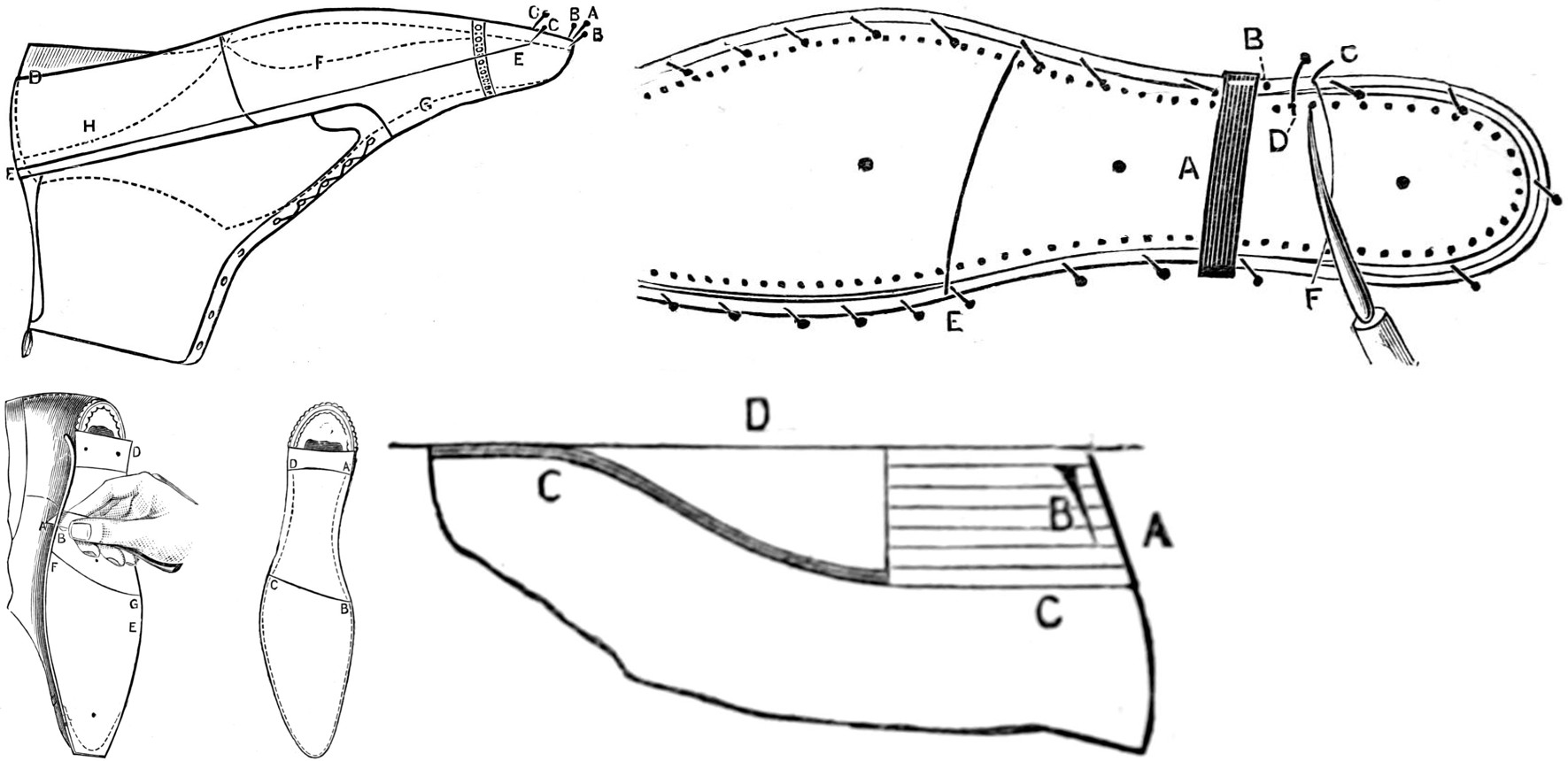
Paste the stiffener on both sides and put it between lining and leather at the back seam. With the last on your knees, pull the upper down at the toe and set the back seam on the centre of the last, covering about two-thirds of it at the back ("horsing"). Draw the toe tight with the pincers and tack at A, then B and B, then the draft tacks C and C, pulling hard to put a draft in. Put the side linings in unpasted and tack D and D, lasting the lining tight. Last the sides till all fulness is gone, knock the heel of the last in, and last waist and seat, less hard. Last the toe last, drawing stuff to the toe and tapping out every pipe and wrinkle with the hammer; never cut V-pieces out of the pipes.

Àwọn ohun èlò fún ìgbésẹ̀ yìí:

Apá òkè bàtà bùtùApá òkè bàtà bùtù1 ẹyọ
Ìdí ìyẹ̀fun àlìkámàÌdí ìyẹ̀fun àlìkámà1 ẹyọ
Ìṣó kékeré ìfà-mọ́-ìmọÌṣó kékeré ìfà-mọ́-ìmọ1 ẹyọ

Àwọn irinṣẹ́ tí a nílò:

Ìmọ bàtà (last)Ìmọ bàtà (last)
Ẹ̀mú ìfà-mọ́-ìmọẸ̀mú ìfà-mọ́-ìmọ
Òòlù oníkànnìÒòlù oníkànnì
Ìlu ìránṣọÌlu ìránṣọ
9

Prepare the welts

Take a fine shaving off the grain side of the wet welts and, if needed, reduce them from the flesh side. Cut an angular piece about ³⁄₁₆ in wide, about two-thirds through, along one corner of the grain side, by pulling the welt past a knife dug into the cutting-board. Choose the width from the notebook.

Àwọn ohun èlò fún ìgbésẹ̀ yìí:

Ìlà awọ weltÌlà awọ welt1 ẹyọ

Àwọn irinṣẹ́ tí a nílò:

Ọ̀bẹ awọỌ̀bẹ awọ
Pákó igi pinePákó igi pine
10

Make the threads and sew in the welt

Make waxed threads of hemp with cobbler's wax and a bristle at each end, nicely twisted and smooth. Damp the boot over the holes. Starting at the left corner of the seat, toe toward you, held with a strap under your foot over the waist, skive the welt to half its substance for the waist length. Pass the sewing awl through the insole hole and the welt, put both bristles through from opposite sides, pull the stitch through in quick strokes and set it with a hard tightening pull, the thread round the hand leather and the awl handle. Hammer the seam every five or six stitches; wax the ends as you go. Draw each lasting tack as you reach it. Skive the welt again at the other joint, sew to F and cut it off under the last stitch. Trim the surplus upper close to the stitch and hammer the seam down.

Àwọn ohun èlò fún ìgbésẹ̀ yìí:

Ìlà awọ weltÌlà awọ welt1 ẹyọ
Okùn hẹ́mpùOkùn hẹ́mpù1 ẹyọ
Ìda oníbàtàÌda oníbàtà1 ẹyọ
Irun ẹlẹ́dẹ̀ igbóIrun ẹlẹ́dẹ̀ igbó1 ẹyọ

Àwọn irinṣẹ́ tí a nílò:

Ìlu ìránṣọÌlu ìránṣọ
Awọ ọwọ́Awọ ọwọ́
Okùn AwọOkùn Awọ
Òòlù oníkànnìÒòlù oníkànnì
Ọ̀bẹ awọỌ̀bẹ awọ
11

Sew the seat

Wax the ends well; use one thread long enough to go right round. Sew the heel seat the same way but with no welt, the stitch lying on the insole one side and on the upper the other. Make very solid stitches, pull the last end through to the insole and tie the two ends in a good knot. Take out the four tacks.

Àwọn ohun èlò fún ìgbésẹ̀ yìí:

Okùn hẹ́mpùOkùn hẹ́mpù1 ẹyọ
Ìda oníbàtàÌda oníbàtà1 ẹyọ
Irun ẹlẹ́dẹ̀ igbóIrun ẹlẹ́dẹ̀ igbó1 ẹyọ

Àwọn irinṣẹ́ tí a nílò:

Ìlu ìránṣọÌlu ìránṣọ
Awọ ọwọ́Awọ ọwọ́
12

Fill the bottom

Rub chalk on the stitches and tap a piece of felt on the insole to mark its size; paste the insole, lay the felt on, hammer it and trim it level with the welt when dry. Peg a piece of good solid leather in the waist with about four pegs, skived thin at the ends and sides, paste it and cover it with thin split felt; add another layer if the bottom is hollow, until it is level with the welt. Rub in powdered French chalk.

Àwọn ohun èlò fún ìgbésẹ̀ yìí:

Aṣọ irun àgùtàn tí a lẹ̀Aṣọ irun àgùtàn tí a lẹ̀1 ẹyọ
Ìdí ìyẹ̀fun àlìkámàÌdí ìyẹ̀fun àlìkámà1 ẹyọ
Awọ ohun èlò ẹṣinAwọ ohun èlò ẹṣin1 ẹyọ
Àwọn èèkàn igiÀwọn èèkàn igi1 ẹyọ
Ẹfun Faransé (ìyẹ̀fun talc)Ẹfun Faransé (ìyẹ̀fun talc)1 ẹyọ

Àwọn irinṣẹ́ tí a nílò:

Ìlu ìṣó igiÌlu ìṣó igi
Òòlù oníkànnìÒòlù oníkànnì
Ọ̀bẹ awọỌ̀bẹ awọ
13

Lay the sole

Wet the sole leather, dry it till just mellow, scrape the grain, flesh the back and hammer it from the centre out. Mark it round to the boot and cut off the spare toe piece. Paste the sole's flesh side and the bottom of the boot, chalk the felt, and fix the sole with sole tacks at the toe, at B and two at C. Tap it all over; for an ordinary waist skive the sole's flesh side at the waist, leaving it thicker next the welt; for riding boots it may be left full (a square waist). Run a blunt bone round between upper and welt to set the welt flat.

Àwọn ohun èlò fún ìgbésẹ̀ yìí:

Awọ ìsàlẹ̀ bàtàAwọ ìsàlẹ̀ bàtà1 ẹyọ
Ìdí ìyẹ̀fun àlìkámàÌdí ìyẹ̀fun àlìkámà1 ẹyọ
Ẹfun Faransé (ìyẹ̀fun talc)Ẹfun Faransé (ìyẹ̀fun talc)1 ẹyọ
Ìṣó kékeré ìfà-mọ́-ìmọÌṣó kékeré ìfà-mọ́-ìmọ1 ẹyọ

Àwọn irinṣẹ́ tí a nílò:

Ọ̀bẹ awọỌ̀bẹ awọ
Òòlù oníkànnìÒòlù oníkànnì
Irin itanIrin itan
Egungun ìká bébàEgungun ìká bébà
14

Round up and channel the sole

Hold the boot on its side on the knees and pare the sole round to shape with a very sharp knife, the point overhanging the guiding finger only by the sole's thickness, little by little, closer at the toe and wider toward the waist, leaving stuff at the seat; keep the edge even and square. Mark the channel about ¹⁄₁₆ in from the edge in the fore part and about ¼ in in the waist; cut it with the knife at about 50 degrees to the welt, nearly half-way through, and open it with the prick-stitch, throwing the grain back.

Àwọn irinṣẹ́ tí a nílò:

Ọ̀bẹ awọỌ̀bẹ awọ
Kọ́mpàsì olójú méjìKọ́mpàsì olójú méjì
Irinṣẹ́ ìsàmì ìránIrinṣẹ́ ìsàmì ìrán
15

Stitch the sole

Make the stitching thread of yellow flax waxed with white wax or beeswax, twisted lighter and wiry. Run the fudge wheel round the welt to mark the stitches. With the strap over the waist, thrust the stitching awl through welt and sole into the channel in one quick, straight jerk, never wriggled, and set each stitch the same way. Rub the stitches down with the bone, paste the channel thinly and lay it down with the smooth side of an old file, trim the burr level, damp the sole and rub it down with the long-stick; hammer it all over.

Àwọn ohun èlò fún ìgbésẹ̀ yìí:

Òwú ọ̀gbọ̀Òwú ọ̀gbọ̀1 ẹyọ
Ìdí OyinÌdí Oyin1 ẹyọ
Irun ẹlẹ́dẹ̀ igbóIrun ẹlẹ́dẹ̀ igbó1 ẹyọ
Ìdí ìyẹ̀fun àlìkámàÌdí ìyẹ̀fun àlìkámà1 ẹyọ
OmiOmi1 ẹyọ

Àwọn irinṣẹ́ tí a nílò:

Kẹ̀kẹ́ ìsàmì weltKẹ̀kẹ́ ìsàmì welt
Ìlu ìrán ìsàlẹ̀Ìlu ìrán ìsàlẹ̀
Okùn AwọOkùn Awọ
Egungun ìká bébàEgungun ìká bébà
Àkójọ ÌfáÀkójọ Ìfá
Ọ̀bẹ awọỌ̀bẹ awọ
Igi ìpaIgi ìpa
Òòlù oníkànnìÒòlù oníkànnì
16

Fit the seat-piece

Cut the seat-piece straight on one edge, file it, paste both pieces, butt the edges, nail at A and peg about five pegs in the seat-piece and two in the sole, about ½ in from the edge. Pare it to shape, overhanging the stitches ¼ in, and take the angle off round for a third or bare half of the thickness. Draw the nail, cut off the peg tops, cut the grain away round them and rasp the top rough.

Àwọn ohun èlò fún ìgbésẹ̀ yìí:

Awọ ìsàlẹ̀ bàtàAwọ ìsàlẹ̀ bàtà1 ẹyọ
Ìdí ìyẹ̀fun àlìkámàÌdí ìyẹ̀fun àlìkámà1 ẹyọ
Àwọn èèkàn igiÀwọn èèkàn igi1 ẹyọ

Àwọn irinṣẹ́ tí a nílò:

Àkójọ ÌfáÀkójọ Ìfá
Ìlu ìṣó igiÌlu ìṣó igi
Òòlù oníkànnìÒòlù oníkànnì
Ọ̀bẹ awọỌ̀bẹ awọ
AyùnAyùn
17

Make the split-lift and first lifts

Cut a piece of first-cut butt leather about 7 in x 1 in and, wet, split it on the slant into two wedge-shaped strips; bend each round on the lap iron and hammer the puckers flat. Rasp and paste the seat and the split-lift, lay it flush at the back of the seat and peg it, the pegs toward the centre; pare it round. Rough and paste the first whole lift, peg it on with about five pegs, rasp it and trim it; lay the second lift with two ¾ in rivets.

Àwọn ohun èlò fún ìgbésẹ̀ yìí:

Awọ ìsàlẹ̀ bàtàAwọ ìsàlẹ̀ bàtà1 ẹyọ
Ìdí ìyẹ̀fun àlìkámàÌdí ìyẹ̀fun àlìkámà1 ẹyọ
Àwọn èèkàn igiÀwọn èèkàn igi1 ẹyọ
Ìṣó ìdì oníbàtàÌṣó ìdì oníbàtà1 ẹyọ

Àwọn irinṣẹ́ tí a nílò:

Ọ̀bẹ awọỌ̀bẹ awọ
Irin itanIrin itan
AyùnAyùn
Ìlu ìṣó igiÌlu ìṣó igi
Òòlù oníkànnìÒòlù oníkànnì
18

Sew down the heel

Cut a V-groove channel in the top lift. Rub the seat with the bone. With a thread four to six strands stouter than sewing thread and the heel awl dipped in soap, sew the heel down from corner to corner, each stitch passing through the loop of the seat stitch, hammering every few stitches, and knot the last. Pene the heel all round with the pene of the hammer to drive the leather over the stitches, trim the seat with the knife and a metal guard, sweep the seat-breaker round, and smooth the edge with a welt file.

Àwọn ohun èlò fún ìgbésẹ̀ yìí:

Okùn hẹ́mpùOkùn hẹ́mpù1 ẹyọ
Ìda oníbàtàÌda oníbàtà1 ẹyọ
Irun ẹlẹ́dẹ̀ igbóIrun ẹlẹ́dẹ̀ igbó1 ẹyọ
Ọṣẹ pẹlẹbẹỌṣẹ pẹlẹbẹ1 ẹyọ

Àwọn irinṣẹ́ tí a nílò:

Ìlu gìgísẹ̀Ìlu gìgísẹ̀
Awọ ọwọ́Awọ ọwọ́
Òòlù oníkànnìÒòlù oníkànnì
Egungun ìká bébàEgungun ìká bébà
Ọ̀bẹ awọỌ̀bẹ awọ
Ìdán ìjókòó gìgísẹ̀Ìdán ìjókòó gìgísẹ̀
Àkójọ ÌfáÀkójọ Ìfá
19

Finish the heel

For a 1¼ in heel add two more lifts and the top piece: rough and paste each, rivet the third lift nearly in the centre, then the last lift, and hold the top piece with headless rivets so it can be rounded. Round it up, longer and squarer on the outside corner; put the remaining rivets in, slanting outward, not near the edge. Check with a straight-edge that the top piece is level with the flat of the sole.

Àwọn ohun èlò fún ìgbésẹ̀ yìí:

Awọ ìsàlẹ̀ bàtàAwọ ìsàlẹ̀ bàtà1 ẹyọ
Ìdí ìyẹ̀fun àlìkámàÌdí ìyẹ̀fun àlìkámà1 ẹyọ
Ìṣó ìdì oníbàtàÌṣó ìdì oníbàtà1 ẹyọ

Àwọn irinṣẹ́ tí a nílò:

AyùnAyùn
Òòlù oníkànnìÒòlù oníkànnì
Ọ̀bẹ awọỌ̀bẹ awọ
20

Knife up, rasp and buff

Round the top piece, then pare the heel all round with the knife, dropping the hand and raising the knife, going round again and again until no bumps can be felt; a piece of horn or bone between upper and seat guards the upper. Knife up the sole edge, rasp it, damp it and scrape it with the buffing knife, keeping it hollow, and sandpaper.

Àwọn ohun èlò fún ìgbésẹ̀ yìí:

Bébà ÌfáBébà Ìfá1 ẹyọ
OmiOmi1 ẹyọ

Àwọn irinṣẹ́ tí a nílò:

Ọ̀bẹ awọỌ̀bẹ awọ
AyùnAyùn
Ọ̀bẹ ìháỌ̀bẹ ìhá
Òkúta Ìpọ́nÒkúta Ìpọ́n
21

Iron, ink and heel-ball

Warm the irons over a spirit lamp, only just warm, wiping each on a rag. Damp the edges and run the forepart, welt, waist and top-piece irons and the seat wheel round, holding each upright and firm. Rub weak ammonia-and-water on the parts to be blacked, then ink them with shoemaker's ink diluted with an equal part of water; when just dry, iron again. Melt heel-ball over the lamp, dab it on the ironed parts and iron it in with the irons a degree cooler, then rub it off with a cloth to a smooth, even gloss. Fudge or prick up the welt.

Àwọn ohun èlò fún ìgbésẹ̀ yìí:

Aró awọAró awọ1 ẹyọ
Omi amonia - fífẹ́lẹ̀Omi amonia - fífẹ́lẹ̀1 ẹyọ
Ìda gìgísẹ̀ (heel ball)Ìda gìgísẹ̀ (heel ball)1 ẹyọ
OmiOmi1 ẹyọ

Àwọn irinṣẹ́ tí a nílò:

Fìtílà ọtí (fìtílà spirit)Fìtílà ọtí (fìtílà spirit)
Irin ìtò etíIrin ìtò etí
Kẹ̀kẹ́ ìjókòó gìgísẹ̀Kẹ̀kẹ́ ìjókòó gìgísẹ̀
Kẹ̀kẹ́ ìsàmì weltKẹ̀kẹ́ ìsàmì welt
22

Take out the last and finish inside

Take out the block screw, hook the last hook into its hole over the heel, put your feet on the handle and pull the boot off. Paste a seat-sock on its wrong side to within ⅛ in of the edge and put it in. Tap the insole feather down lightly on either side with a smooth-headed hammer. A thin coat of weak paste and a first blacking, sleeked with bone while on the last, save trouble in cleaning calf.

Àwọn ohun èlò fún ìgbésẹ̀ yìí:

Awọ ọmọ màlúùAwọ ọmọ màlúù1 ẹyọ
Ìdí ìyẹ̀fun àlìkámàÌdí ìyẹ̀fun àlìkámà1 ẹyọ

Àwọn irinṣẹ́ tí a nílò:

Ìkọ́ ìfàyọ ìmọÌkọ́ ìfàyọ ìmọ
Òòlù oníkànnìÒòlù oníkànnì
Egungun ìká bébàEgungun ìká bébà
23

Troubleshooting

Welted boot troubleshooting.

Flow

Loading...
24

History and honest limits

From **Boot Making and Mending**, edited by Paul N. Hasluck, Cassell and Company, London, 1898 (Project Gutenberg #78854), chapters IV-VIII. His lasting chapter describes a laced boot; here the upper is the Wellington leg of the previous blueprint. Not made here: the pegged seat and waist, the flexura steel waist spring, riveted work, and the black, buff and white bottom finishes beyond the edges. All sizes are his; the metric figures are ours.

Àwọn ohun-èlò

23

Àwọn irinṣẹ́ tó nílò

30

Ìtọ́nisọ́nà yìí ń ṣe

CC0 Àgbègbè Gbogbogbò

Blueprint yìí ti jáde lábẹ́ CC0. O lè ṣe àdàkọ, yí padà, pín, àti lò láìsí ìyọ̀ǹda.

Ṣàtìlẹ́yìn Olùṣẹ́dá nípa rírà àwọn ọjà nipasẹ̀ Blueprint wọn Ẹ̀san Olùṣẹ́dá tí àwọn Olùtajà gbé kalẹ̀, tàbí ṣẹ̀dá àtúnṣe tuntun ti Blueprint yìí kí o sì fi sínú Blueprint rẹ gẹ́gẹ́ bí ìsopọ̀ láti pín owó-wíwọlé.

Ìfọ̀rọ̀wérọ̀

(0)

Wọlé láti dara pọ̀ mọ́ ìfọ̀rọ̀wérọ̀

Ń gbé àwọn ọ̀rọ̀ wọlé...