IṢẸ́ ỌNÀ
ẸWÀ ÀTI ÌLERA
IṢẸ́ ỌWỌ́
ÀṢÀ ÀTI ÌTÀN
ÌṢERÉ
ÀYÍKÁ
OÚNJẸ ÀTI OHUN MÍMU
REVERSE ENGINEERING
SÁYẸ́ǸSÌ
ERÉ ÌDÁRAYÁ
ÌMỌ̀-Ẹ̀RỌ
ÀWỌN OHUN WÍWỌ̀
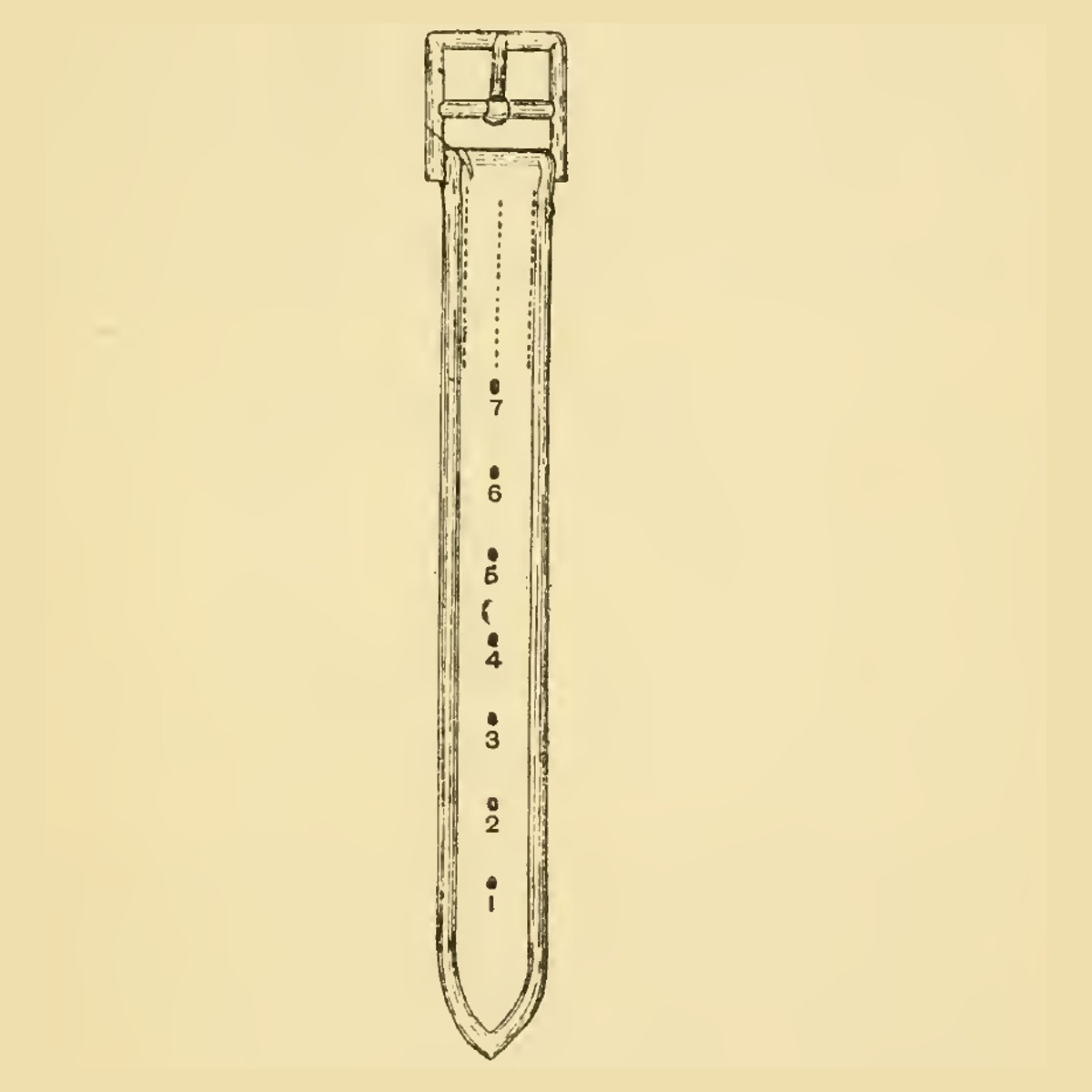


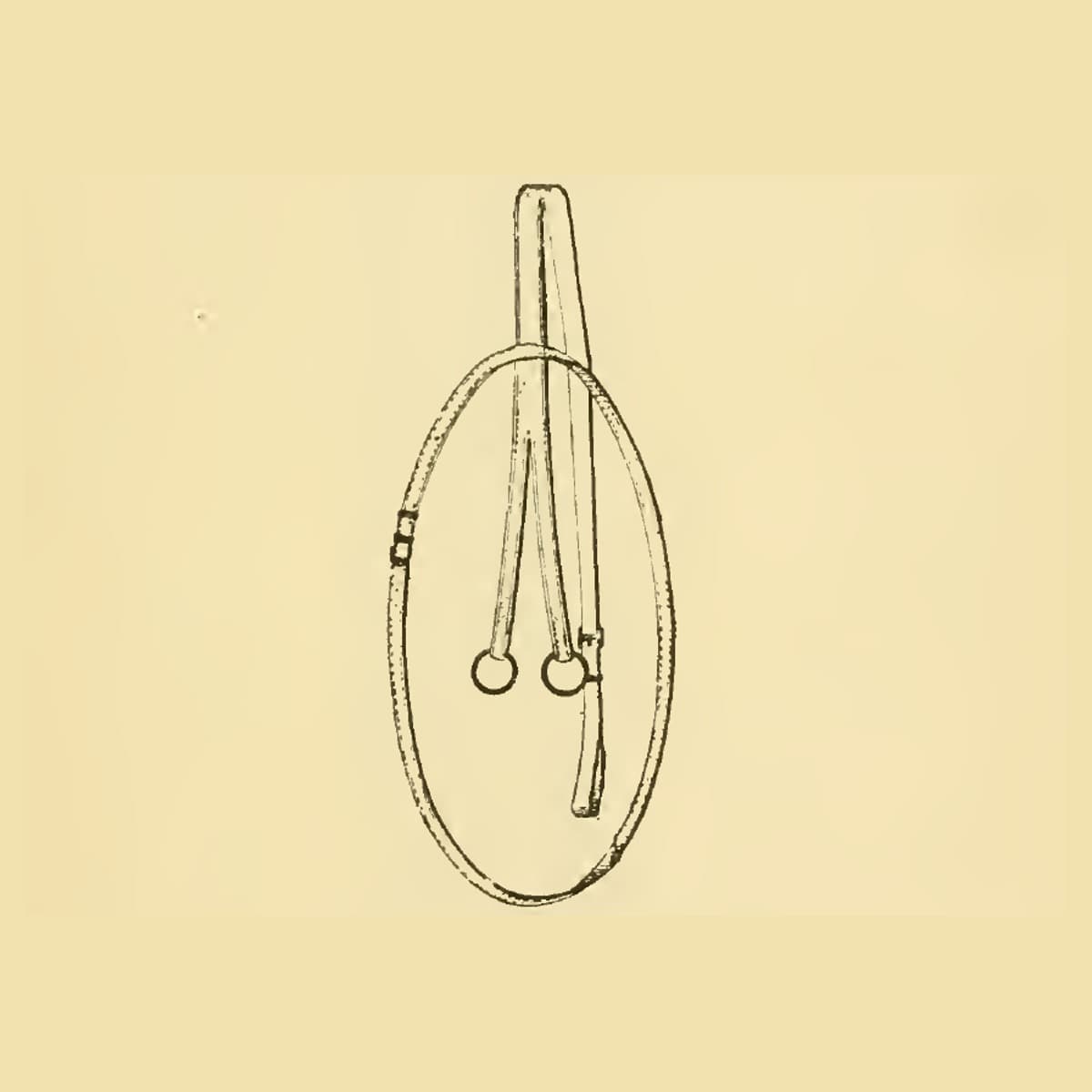
Stirrup Leathers: Middlings Straps Stitched to Stirrup Buckles, Creased on the Flesh Side (Hasluck, Saddlery, 1904)
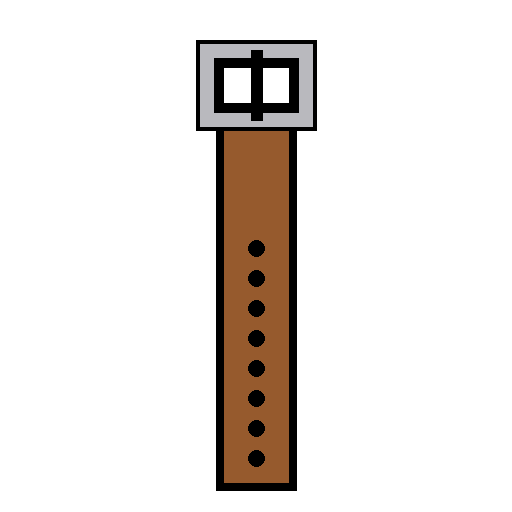
Stirrup leathers hang the stirrup irons from a riding saddle and let the rider set their length. These are the stirrup leathers from Paul N. Hasluck's Saddlery (1904): a strap of stirrup middlings 1-1/4 in wide and 4 ft to 4 ft 6 in long, stitched to a stirrup leather buckle and creased on the flesh side. A saddle takes a pair.
Olùbẹ̀rẹ̀
About 3 hours
Ìlànà
1
1
His sizes in centimetres
His sizes in centimetres
Ń ṣí ìwé Jupyter…
2
2
Read Saddlery, ch. V
Read Saddlery, ch. V
"Stirrup leathers (Fig. 15) must be made from stirrup middlings, and with stirrup leather buckles; the width may be 1-1/8 in. to 1-1/2 in., but 1-1/4 in. is most common, whilst the length varies from 4 ft. to 4 ft. 6 in."
3
3
Cut the straps
Cut the straps
Cut two straps from stirrup middlings, 1-1/4 in wide (1-1/8 in to 1-1/2 in) and 4 ft to 4 ft 6 in long, to suit the rider. There is no need to cut holes for the buckle tongues at the buckle end, as the tongues do not go through the leather there.
Àwọn ohun èlò fún ìgbésẹ̀ yìí:
 Awọ àárín fún okùn àtẹ̀gùn1 ẹyọ
Àwọn irinṣẹ́ tí a nílò:
 Ọ̀bẹ awọ
 Okùn Ìdíwọ̀n
4
4
Stitch on the buckles
Stitch on the buckles
Bend the strong end of each strap over for about 2 in and stitch it firmly to the bottom of the buckle. Narrow the buckling end a little and nip a little from each corner.
Àwọn ohun èlò fún ìgbésẹ̀ yìí:
 Bọ́kùlù okùn àtẹ̀gùn2 ẹyọ
 Òwú ọ̀gbọ̀1 ẹyọ
 Ìdí Oyin1 ẹyọ
Àwọn irinṣẹ́ tí a nílò:
Ọ̀bẹ awọ Ọ̀kọ̀ Ìlùhò
 Abẹ́rẹ́ ìránṣọ awọ méjì
 Ìmú igi fún ríran awọ
5
5
Finish the edges and crease
Finish the edges and crease
Stain the edges and polish them well. Crease double and heavily with a hot screw crease on the flesh side, instead of the grain side as with other straps.
Àwọn ohun èlò fún ìgbésẹ̀ yìí:
 Aró awọ1 ẹyọ
Àwọn irinṣẹ́ tí a nílò:
 Ohun èlò ìbẹ etí
 Ohun ìdán ẹ̀gbẹ́ awọ
 Ohun èlò ìká
 Ọ̀pá Iná Pùróféènì
6
6
Turn the chape and punch
Turn the chape and punch
Turn the chape at the buckle the reverse way, and make about eight holes in each strap.
Àwọn irinṣẹ́ tí a nílò:
 Ohun èlò ìlu ihò awọOkùn Ìdíwọ̀n
7
7
Troubleshooting
Troubleshooting
Stirrup leather troubleshooting.
Flow
Loading...
8
8
History and honest limits
History and honest limits
From **Saddlery**, edited by Paul N. Hasluck, David McKay, 1904 (archive.org saddlery00hasl), chapter V, stirrup leathers, pp. 48-49, Fig. 15 on p. 47; every fraction was read on the scan. He says about eight holes; his Fig. 15 shows seven. The ladies' single stirrup strap is not made here. Making them as a pair, the thread, tools and metric figures are ours.
Àwọn ohun-èlò
5- Àyè
- 2 ẹyọÀyè
- 1 ẹyọÀyè
- 1 ẹyọÀyè
- 1 ẹyọÀyè
Àwọn irinṣẹ́ tó nílò
10- Àyè
- 1 vendor sell this, none ship to you yetÀyè
- Àyè
- Àyè
Ìtọ́nisọ́nà yìí ń ṣe
Blueprint tó jọra
Àwọn blueprint wọ̀nyí pín ìmọ̀ — ọ̀nà, ohun-èlò tàbí ìlànà
CC0 Àgbègbè Gbogbogbò
Blueprint yìí ti jáde lábẹ́ CC0. O lè ṣe àdàkọ, yí padà, pín, àti lò láìsí ìyọ̀ǹda.
Ṣàtìlẹ́yìn Olùṣẹ́dá nípa rírà àwọn ọjà nipasẹ̀ Blueprint wọn Ẹ̀san Olùṣẹ́dá tí àwọn Olùtajà gbé kalẹ̀, tàbí ṣẹ̀dá àtúnṣe tuntun ti Blueprint yìí kí o sì fi sínú Blueprint rẹ gẹ́gẹ́ bí ìsopọ̀ láti pín owó-wíwọlé.