IṢẸ́ ỌNÀ
ẸWÀ ÀTI ÌLERA
IṢẸ́ ỌWỌ́
ÀṢÀ ÀTI ÌTÀN
ÌṢERÉ
ÀYÍKÁ
OÚNJẸ ÀTI OHUN MÍMU
REVERSE ENGINEERING
SÁYẸ́ǸSÌ
ERÉ ÌDÁRAYÁ
ÌMỌ̀-Ẹ̀RỌ
ÀWỌN OHUN WÍWỌ̀
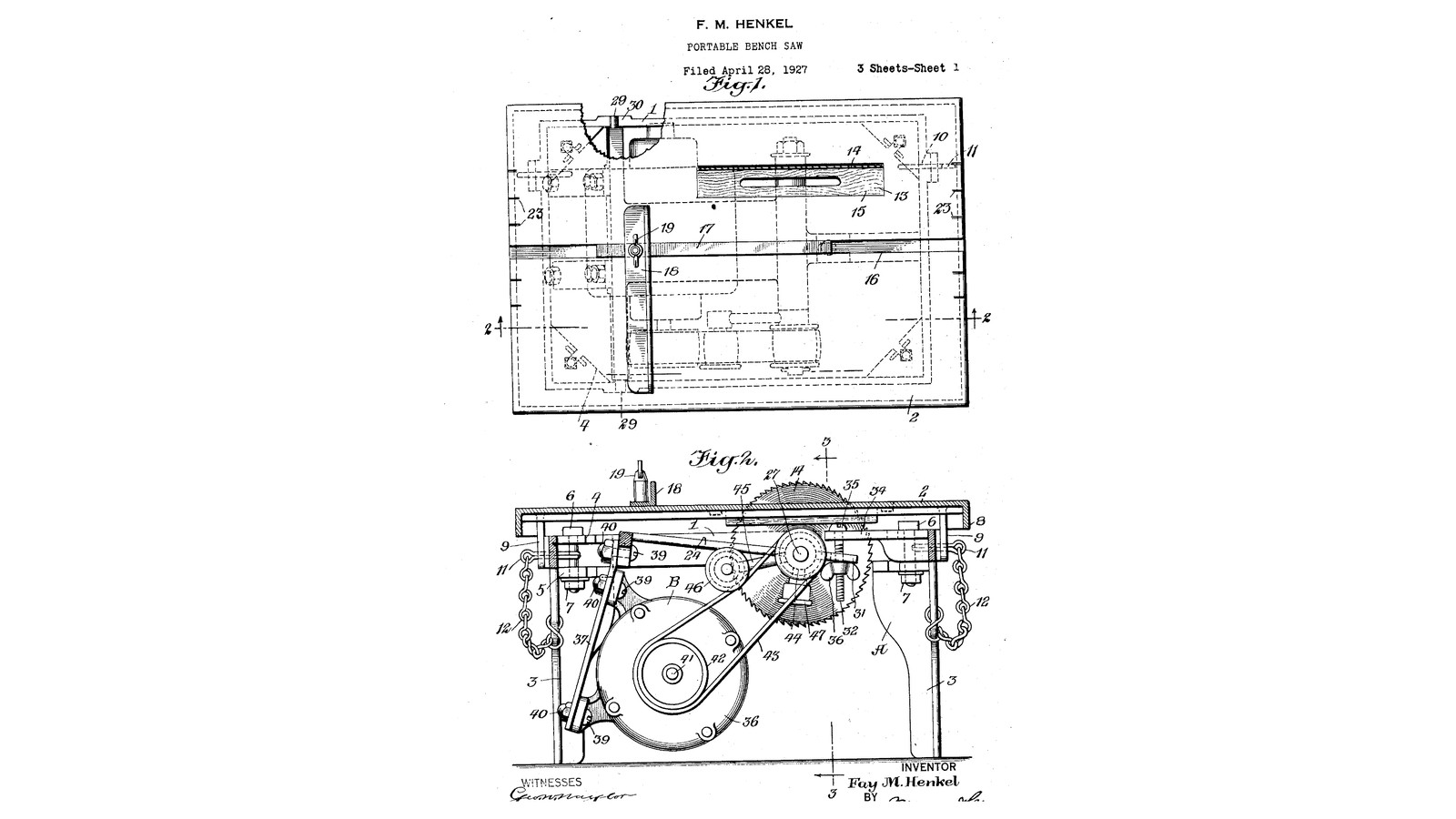


Portable Bench Saw: A Lift-Out Power Unit on Trunnions, Its Motor on Spring Bars, Under a Tilting Platform (Henkel, 1928)
Fay M. Henkel of New Rochelle, New York, received US 1,695,188, dated 11 December 1928, for a cheap, compact bench saw in two parts. The stand has a platform that tilts on hinge pins for angled cuts, with a sliding angle follower and a rip guide. The power unit drops into it on trunnions, and a wing nut on a hanging screw raises or lowers the saw. The motor sits on two spring bars that soak up its vibration and keep the belt tight. Lifted out, the power unit stands on the bars' cap nuts and runs an emery wheel.
The patent gives no sizes; every size here is ours, and our stand is wood and steel where his is cast.
Ilọsíwájú
About 4 days
Ìlànà
1
1
Raising the saw and tilting the platform
Raising the saw and tilting the platform
Ń ṣí ìwé Jupyter…
2
2
Read US 1,695,188
Read US 1,695,188
"It will thus be seen that the power unit has a three-point bearing which maintains it against accidental displacement, or, in other words, prevents it from getting out of proper alinement."
3
3
The stand: frame 1 and legs 3
The stand: frame 1 and legs 3
Make a rectangular frame 460 x 360 mm of 25 x 90 mm hardwood, glued and screwed at the corners. Bolt a 250 mm pine leg 45 x 45 mm in each corner through a short length of steel angle screwed to frame and leg, as his corner plates 4 and lugs 5. Cut a notch 30 in the top of each long side, 60 mm from one end, 21 mm wide and 25 deep, for the trunnions. Screw a steel arm 34 across the other end with a 10.5 mm hole, and a lug 50 with an M10 tapped hole on the side away from the hinges.
Àwọn ohun èlò fún ìgbésẹ̀ yìí:
 Pátákó Igi Líle2 ẹyọ
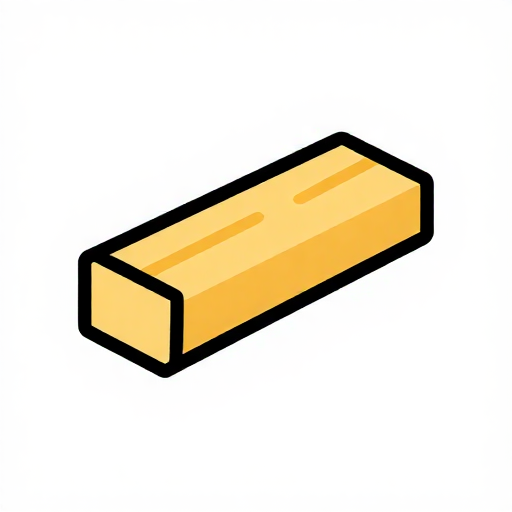 Igi pine1 ẹyọ
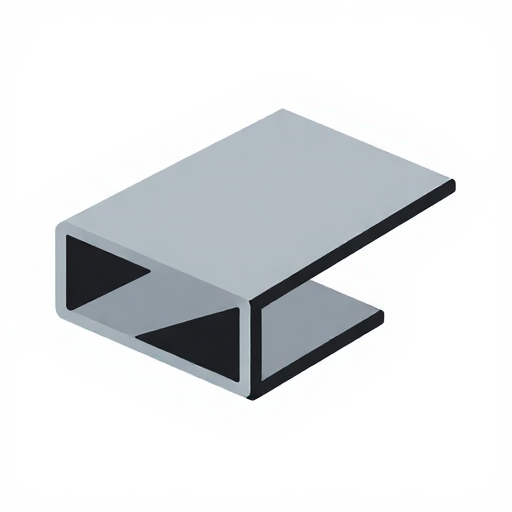 Irin igun ti irin rírọ̀1 ẹyọ
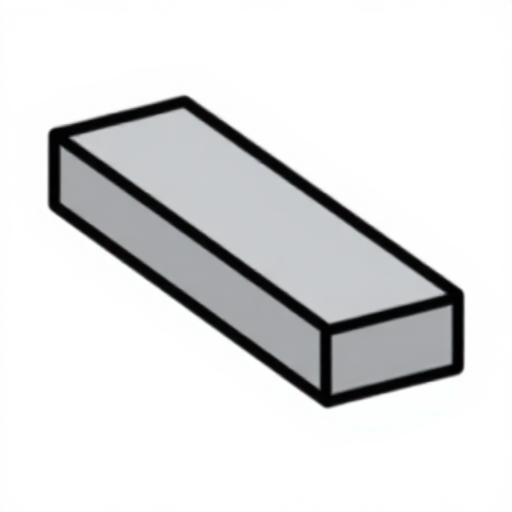 Ọ̀pá Pẹrẹsẹ Irin Pẹ́lẹ́1 ẹyọ
 Àkójọ bọ́ọ̀lù onígun mẹ́fà8 ẹyọ
 Ìṣó igi24 ẹyọ
 Ìdìpọ̀ Igi1 ẹyọ
Àwọn irinṣẹ́ tí a nílò:
 Ayùn Jígísò
 Ẹ̀rọ Ìlùkòkò Aláìlókùn
 Àkójọ Orí Ìlùkòkò
 Ìdìmú oní-ọ̀pá
 Igun Àpapọ̀
 Okùn Ìdíwọ̀n
 Ayùn Irin
 Ìtò irinṣẹ́ ìgé ihá
 Ìdìmú ìyí ihá inú
4
4
The platform 2
The platform 2
Cut 18 mm plywood 500 x 400 mm and glue a hardwood strip round its underside edges as the flange 8. Cut the opening 13 for the saw, 230 x 30 mm, and a hardwood block 15 to fill it. Rout a square groove 16 the length of the platform for the follower's bar. Screw two steel lugs 9 under one long edge, drilled to line up with holes 10 in the frame, and hinge it with steel pins held by split pins. Run an M10 tilt screw 49 up through lug 50, with a wing nut on its lower end as a handle, its top bearing under the platform.
Àwọn ohun èlò fún ìgbésẹ̀ yìí:
 Àwo igi tí a lẹ̀ pọ̀1 ẹyọPátákó Igi Líle1 ẹyọỌ̀pá Pẹrẹsẹ Irin Pẹ́lẹ́1 ẹyọ
 Ọ̀pá rírọ irin rírọ̀1 ẹyọ
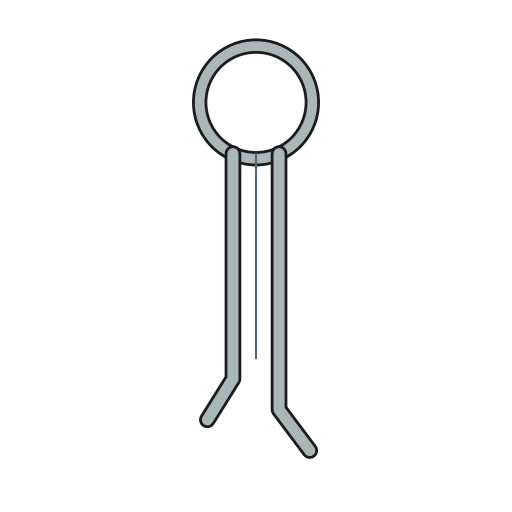 Ìṣó ẹlẹ́sẹ̀ méjì2 ẹyọ
 Ọ̀pá oníṣọ̀kan1 ẹyọ
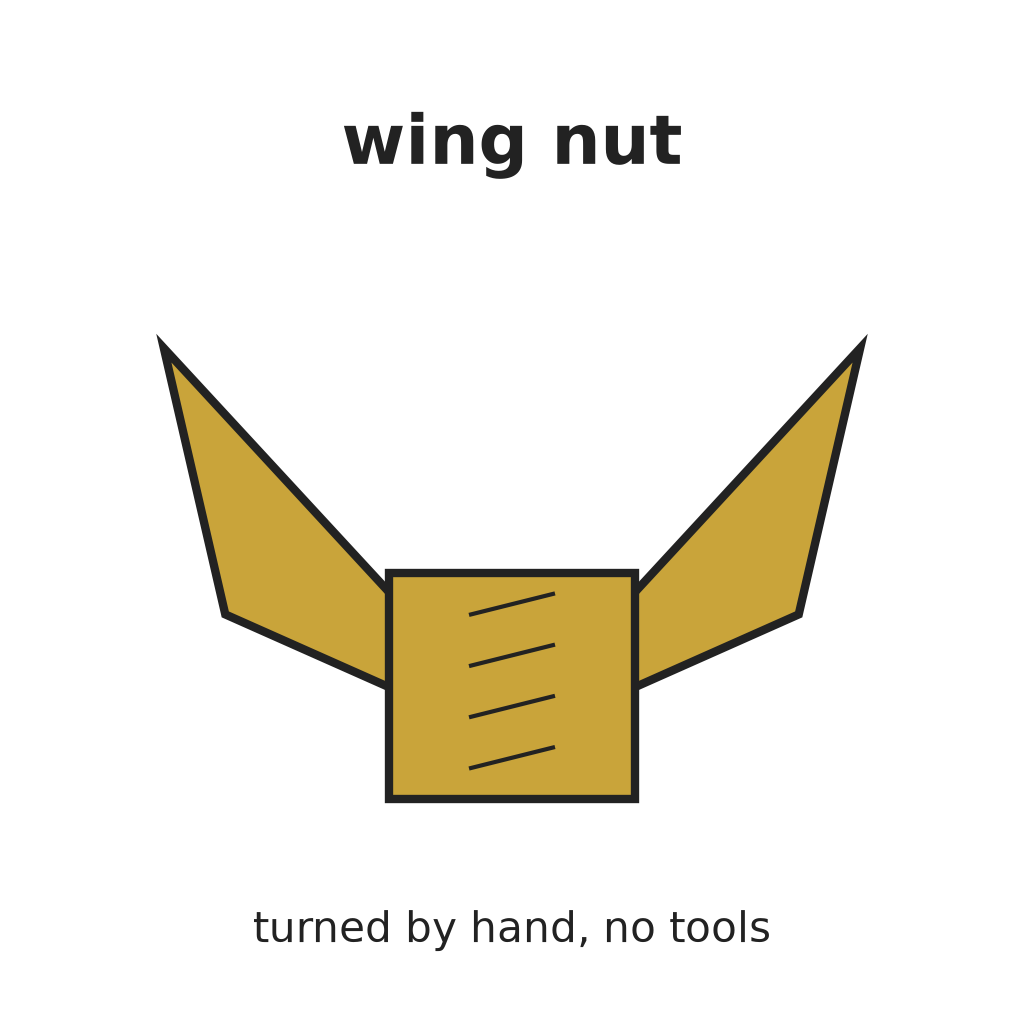 Nọ́ọ̀tì apá1 ẹyọÌṣó igi16 ẹyọÌdìpọ̀ Igi1 ẹyọ
Àwọn irinṣẹ́ tí a nílò:
Ayùn Jígísò Ẹ̀rọ ìgbẹ́ igi
 Àkójọ orí ẹ̀rọ ìgbẹ́Ẹ̀rọ Ìlùkòkò AláìlókùnÀkójọ Orí ÌlùkòkòAyùn IrinÌdìmú oní-ọ̀pá
5
5
The power unit's frame, arbor and trunnions
The power unit's frame, arbor and trunnions
Bolt two 40 x 6 mm steel flat bars 340 mm long into a frame 24 with spacers. Across one end fix a 20 mm round bar 28 whose ends stand out 25 mm each side as the trunnions 29. At the other end bolt two 30 mm flange bearings for the arbor 26, turned from 30 mm bar like the twin-saw table's, with a collar, a loose flange and an M20 thread for the blade's nut. Bolt a forked steel lug 31 on that end, its slot straddling the hanging screw.
Àwọn ohun èlò fún ìgbésẹ̀ yìí:
Ọ̀pá Pẹrẹsẹ Irin Pẹ́lẹ́1 ẹyọỌ̀pá rírọ irin rírọ̀2 ẹyọ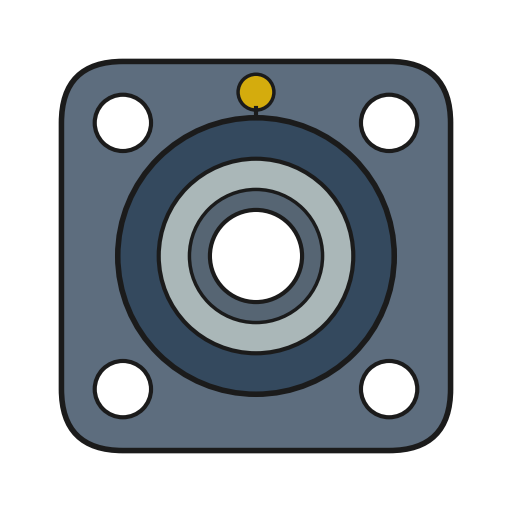 Bẹ́ríìngì onífíláǹjì2 ẹyọÀkójọ bọ́ọ̀lù onígun mẹ́fà10 ẹyọ
 Nọ́ọ̀tì Onígun Mẹ́fà3 ẹyọ
Àwọn irinṣẹ́ tí a nílò:
Ayùn Irin Ẹ̀rọ Ìlùkòkò OnídúróÀkójọ Orí Ìlùkòkò
 Àkójọ Ìfá
 Ìdìmú Tábìlì
 Ẹ̀rọ Ìyí Irin
 Ìmú ẹ̀rọ ìyípo oníka mẹ́ta
 Ohun ìgé ẹ̀rọ ìyí
 Òṣùwọ̀n Kálípà Díjítà Ìnṣì 6
 Kọ́kọ́rọ́ tí a lè ṣàtúnṣe
 Gíláàsì ààbò
6
6
Spring bars, motor and belt
Spring bars, motor and belt
Bend two strips of spring steel 37, 30 x 3 mm, with a slight bend near one end, and bolt them under the cross bar 28 so they reach out beyond the trunnions. Bolt the motor 36 to them, with cap nuts 40 on the bolts' ends: these are its feet when the unit stands alone. Fit a V-belt pulley 42 on the motor and one 44 on the arbor, and the A-section belt 43. Pivot an arm 45 on the arbor's bearing with a weighted pulley 46 at its free end resting on the belt to take up the slack. Have the motor wired to a switch.
Àwọn ohun èlò fún ìgbésẹ̀ yìí:
 Ọ̀pá irin orísun1 ẹyọ
 Mọ́tò iná mànàmáná1 ẹyọ
 Pọ́lì fún ìgbànú V (ẹ̀ka A)3 ẹyọ
 Okùn V (ìpín A)1 ẹyọỌ̀pá Pẹrẹsẹ Irin Pẹ́lẹ́1 ẹyọÀkójọ bọ́ọ̀lù onígun mẹ́fà6 ẹyọNọ́ọ̀tì Onígun Mẹ́fà6 ẹyọ
 Ìsúrù ìdúró olójú kòtò3 ẹyọ
 Switch ìtàn/ìpa1 ẹyọ
Àwọn irinṣẹ́ tí a nílò:
Ìdìmú TábìlìẸ̀rọ Ìlùkòkò OnídúróÀkójọ Orí ÌlùkòkòKọ́kọ́rọ́ tí a lè ṣàtúnṣe Ìdìpọ̀ kọ́kọ́rọ́ igun mẹ́fà
7
7
Put the unit in and set the saw
Put the unit in and set the saw
Fit the 200 mm blade on the arbor. Hang an M10 screw 32 from arm 34 with its head 35 on top. Lower the power unit in, the trunnions into the notches 30 and the forked lug 31 round the screw, and run a wing nut 36 up under the lug. Turn the wing nut to raise the blade through the opening to the depth wanted.
Àwọn ohun èlò fún ìgbésẹ̀ yìí:
 Circular Saw Blade Set1 ẹyọỌ̀pá oníṣọ̀kan1 ẹyọNọ́ọ̀tì apá1 ẹyọ
 Wáṣà Pẹrẹsẹ2 ẹyọ
Àwọn irinṣẹ́ tí a nílò:
Kọ́kọ́rọ́ tí a lè ṣàtúnṣe8
8
Follower and rip guide
Follower and rip guide
Angle follower: a hardwood bar 17 sliding in the groove, with an angle fence 18 clamped at any angle by a wing nut 19. Rip guide 20: a hardwood bar across the platform held by two hook bolts 21 that hook under the flange 8, with wing nuts 22. Mark a scale 23 on the platform's ends to set it.
Àwọn ohun èlò fún ìgbésẹ̀ yìí:
Pátákó Igi Líle1 ẹyọỌ̀pá oníṣọ̀kan1 ẹyọNọ́ọ̀tì apá3 ẹyọỌ̀pá Pẹrẹsẹ Irin Pẹ́lẹ́1 ẹyọÀwọn irinṣẹ́ tí a nílò:
Ayùn JígísòẸ̀rọ Ìlùkòkò AláìlókùnÀkójọ Orí ÌlùkòkòAyùn IrinÌdìmú TábìlìOkùn Ìdíwọ̀n9
9
Try it, and as a grinder
Try it, and as a grinder
With the platform flat, check the blade is square to it with the square, rip a board along the guide and crosscut another against the follower. Tilt the platform with the tilt screw (and the block under it for steep angles) and check the angle with the protractor. Lift the power unit out, stand it on its cap nuts, swap the blade for the grinding wheel, swing the idler arm to the belt's other side, and run it.
Àwọn irinṣẹ́ tí a nílò:
 Kẹ̀kẹ́ ìlọ̀Igun Àpapọ̀
 Ẹ̀rọ Ìwọ̀n IgunGíláàsì ààbò
 Ààbò etí (ìbòjú etí, SNR 30 dB)
10
10
Troubleshooting
Troubleshooting
Portable bench saw troubleshooting.
Flow
Loading...
11
11
History and honest limits
History and honest limits
**Fay M. Henkel** of New Rochelle, New York, US 1,695,188, dated 11 December 1928, filed 28 April 1927. He claimed a supporting unit with a platform and a power unit with a frame, "trunnions on the end of said frame, said supporting unit having recesses therein receiving the trunnions", a bearing and arbor, spring bars and a motor fixed to them, pulleys and a belt; and the spring bars' couplings serving as feet when the unit is removed. His frame, platform and legs are castings; ours are hardwood, plywood and steel. His bearing is a sleeve with a grease cup; ours are two greased flange bearings. He gives no sizes, motor or speeds; those are ours.
Àwọn ohun-èlò
22- 2 ẹyọÀyè
- 1 ẹyọÀyè
- Àyè
- Àyè
- Àyè
- 40 ẹyọÀyè
- 2 ẹyọÀyè
- 1 ẹyọÀyè
- 2 ẹyọÀyè
- 2 ẹyọÀyè
- 1 ẹyọÀyè
- 5 ẹyọÀyè
- 2 ẹyọÀyè
- 9 ẹyọÀyè
- 1 ẹyọÀyè
- 1 ẹyọÀyè
- Àyè
- 1 ẹyọÀyè
- Àyè
- 1 ẹyọÀyè
- Àyè
- 2 ẹyọÀyè
Àwọn irinṣẹ́ tó nílò
24- 1 vendor sell this, none ship to you yetÀyè
- 1 vendor sell this, none ship to you yetÀyè
- Àyè
- 1 vendor sell this, none ship to you yetÀyè
- Àyè
- 1 vendor sell this, none ship to you yetÀyè
- Àyè
- Àyè
- Àyè
- Àyè
Ìtọ́nisọ́nà yìí ń ṣe

Blueprint tó jọra
Àwọn blueprint wọ̀nyí pín ìmọ̀ — ọ̀nà, ohun-èlò tàbí ìlànà

CC0 Àgbègbè Gbogbogbò
Blueprint yìí ti jáde lábẹ́ CC0. O lè ṣe àdàkọ, yí padà, pín, àti lò láìsí ìyọ̀ǹda.
Ṣàtìlẹ́yìn Olùṣẹ́dá nípa rírà àwọn ọjà nipasẹ̀ Blueprint wọn Ẹ̀san Olùṣẹ́dá tí àwọn Olùtajà gbé kalẹ̀, tàbí ṣẹ̀dá àtúnṣe tuntun ti Blueprint yìí kí o sì fi sínú Blueprint rẹ gẹ́gẹ́ bí ìsopọ̀ láti pín owó-wíwọlé.