IṢẸ́ ỌNÀ
ẸWÀ ÀTI ÌLERA
IṢẸ́ ỌWỌ́
ÀṢÀ ÀTI ÌTÀN
ÌṢERÉ
ÀYÍKÁ
OÚNJẸ ÀTI OHUN MÍMU
REVERSE ENGINEERING
SÁYẸ́ǸSÌ
ERÉ ÌDÁRAYÁ
ÌMỌ̀-Ẹ̀RỌ
ÀWỌN OHUN WÍWỌ̀

The Gimlet Corkscrew: A Coarse Screw on a Solid Stem With a T Handle
A corkscrew made from a spiral of steel wire tapering to a point bends and breaks in a tight cork, and its fine point snaps off against the bottle's neck.
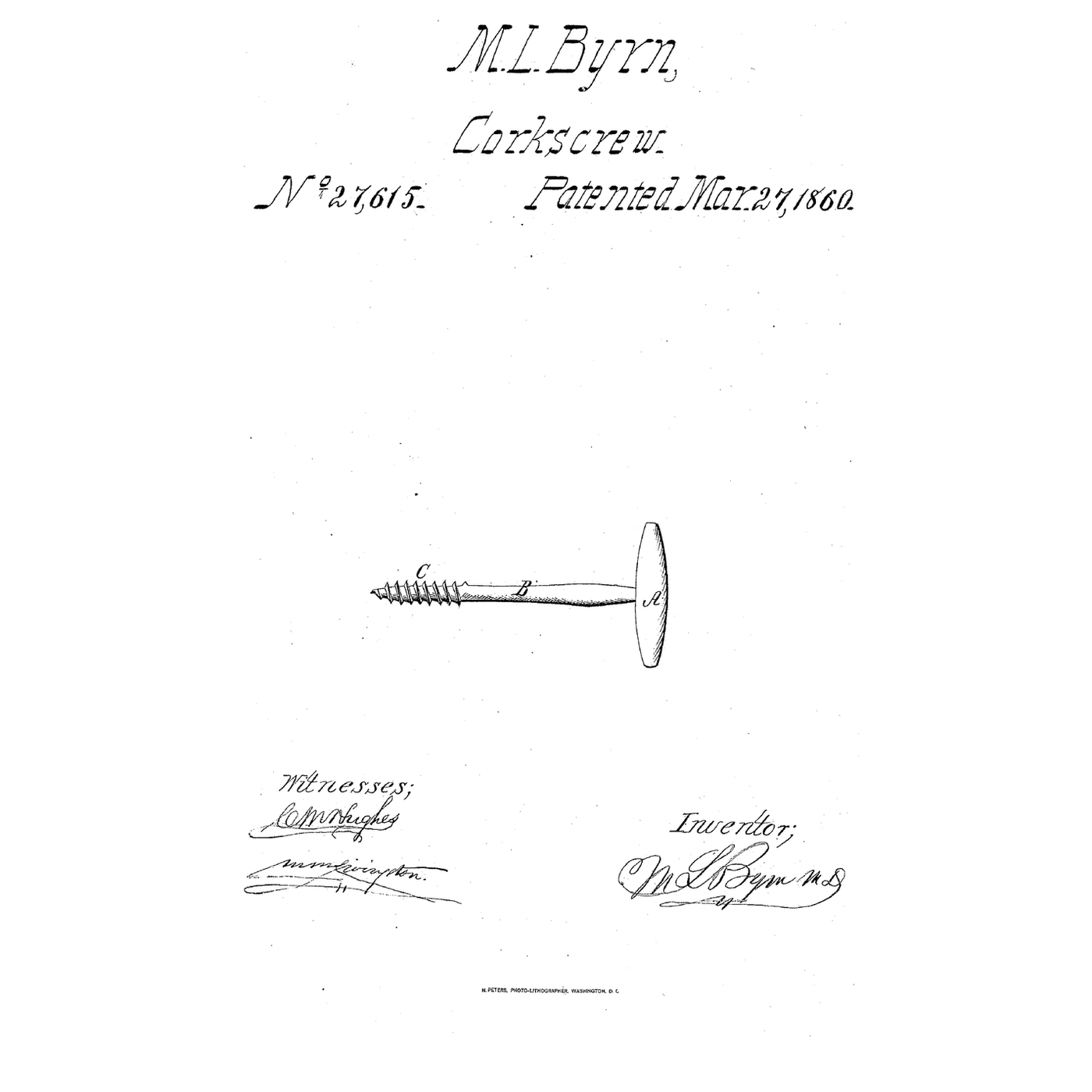
M. L. Byrn of 66 Nassau Street, New York, received US 27,615, dated 27 March 1860, for combining "with the gimlet screw a T handle": a stem with a screw cut on it like a gimlet's, but with threads "much larger, farther apart and wider, so that they will have a better hold on the cork", a long stem so the hand is kept from the bottle's mouth, and a cross handle made in one piece with it or riveted on.
This rung works out why a solid stem is so much stronger than a wire helix, then builds a coarse thread on a steel rod with a hardwood T handle and draws corks with both kinds.
Ilọsíwájú
About 4 hours
Ìlànà
1
1
Helix against solid stem
Helix against solid stem
Ń ṣí ìwé Jupyter…
2
2
The thread it cuts
The thread it cuts
The embedded blueprint explains the screw thread. Byrn's is a gimlet's thread made coarser and wider to hold in cork.
3
3
Read US 27,615
Read US 27,615
"The greatest advantage obtained by my invention, in the combination with an ordinary gimlet-screw of a handle making it serve thereby as a cork-screw, is strength and cheapness, over those made with a spiral twist of steel wire gradually tapering from the handle to the point."
"My invention represented in the drawings consists of the usual gimlet-shaped handle, A, secured to or made to form a part of the screw stem, B, on which is cut a screw, C, terminating in a point, and very similar to what is known as the gimlet screw, but the threads of the screw, instead of being made as close together, and as small as those to be used for wood, they should be made much larger, farther apart and wider, so that they will have a better hold on the cork"
4
4
Make the corkscrew and draw corks
Make the corkscrew and draw corks
**Stem.** Cut 12 cm of 5 mm mild steel rod and file one end to a gimlet point.
**Thread.** Wind 2 mm steel wire tightly round the last 5 cm of the rod, 5 mm between turns, and bring it down to the point. Flux it and silver-solder it to the rod all along with the torch, so the wire becomes a wide, coarse thread on a solid core. File the thread's outer edge smooth.
**Handle.** Cut 10 cm of hardwood handle stock, drill it across the middle to fit the rod, push the plain end through, and peen it over a washer as a rivet.
**Test.** Cork several bottles of water firmly with the corking kit. Draw half of them with the gimlet corkscrew and half with a wire helix wound as in the grater-handle blueprint, pulling each with the spring scale hooked to the handle. Note the pull, and whether the helix stretched or the cork crumbled.
Àwọn ohun èlò fún ìgbésẹ̀ yìí:
 Ọ̀pá Róbótó Irin Rírọ̀0.12 mítà
 Okun waya irin0.5 mítà
 Ìdìpọ̀ wẹ́là fadaka (rírọ̀/àárín/líle)1 ẹyọ
 Ohun ìyọ́1 ẹyọ
 Igi Líle Fún Ìdìmú1 ẹyọ
 Wáṣà Pẹrẹsẹ1 ẹyọ
 Ìgò dígí (tí ó mọ́)4 ẹyọ
 Àwọn kọ́ọ̀kì4 ẹyọ
 Omi3 lítà
Àwọn irinṣẹ́ tí a nílò:
 Ayùn Irin
 Àwọn Ìfá (Ìfá Ọwọ́)
 Ìdìmú Tábìlì
 Ọ̀pá Iná Pùróféènì
 Òòlù
Òòlù Ẹ̀rọ Ìlùkòkò Aláìlókùn
 Àkójọ Orí Ìlùkòkò
 Ẹ̀mú Olórí Yíká
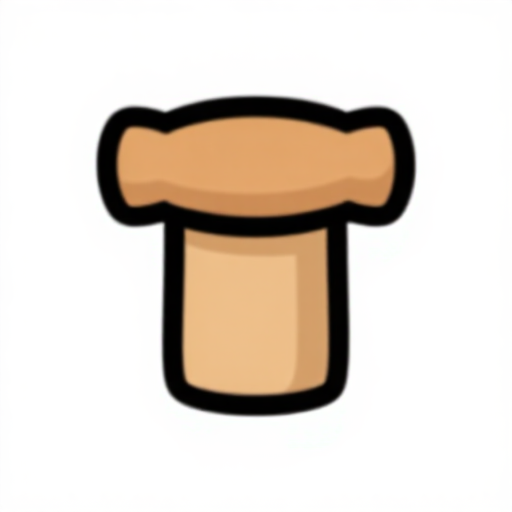 Ìdìpọ̀ ìdídí ìgò wáìnì
 Ẹ̀rọ Ìwọ̀n Agbára (Òṣùwọ̀n Ìsúnkì)
 Gílásì Ààbò Tí Ó Mọ́
 Ìbọ̀wọ́ Iṣẹ́ Awọ
5
5
A corkscrew that slips, pulls out of the cork or comes apart
A corkscrew that slips, pulls out of the cork or comes apart
Gimlet corkscrew troubleshooting.
Flow
Loading...
6
6
History and honest limits
History and honest limits
**M. L. Byrn** of New York, New York, received US 27,615, dated 27 March 1860. He wrote that it would serve both for cutting the wire from bottles that needed wire to keep their corks in, and for drawing the corks; that it would remove a cork from the smallest vial; and that it would draw a bung of hard wood from a barrel or hogshead and serve as a gimlet to make an air-hole. His claim is the gimlet screw and handle combined as a new article of manufacture.
**Honest limits.** A wire thread soldered to a rod stands in for a thread cut from the solid, and a riveted hardwood handle for one formed in one piece. The notebook uses the plain spring formula without its curvature correction; its pull and sizes are examples. Your drawn corks are the result.
Àwọn ohun-èlò
9- 0.12 mítàÀyè
- 0.5 mítàÀyè
- 1 ẹyọÀyè
- 1 ẹyọÀyè
- 1 ẹyọÀyè
- 4 ẹyọÀyè
- 4 ẹyọÀyè
- 3 lítàÀyè
Àwọn irinṣẹ́ tó nílò
12- Àyè
- Àyè
- Àyè
- 1 vendor sell this, none ship to you yetÀyè
Ìtọ́nisọ́nà yìí ń ṣe
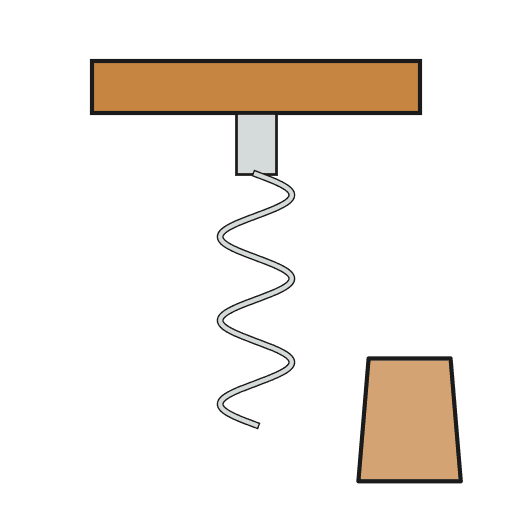
Blueprint tó jọra
Àwọn blueprint wọ̀nyí pín ìmọ̀ — ọ̀nà, ohun-èlò tàbí ìlànà
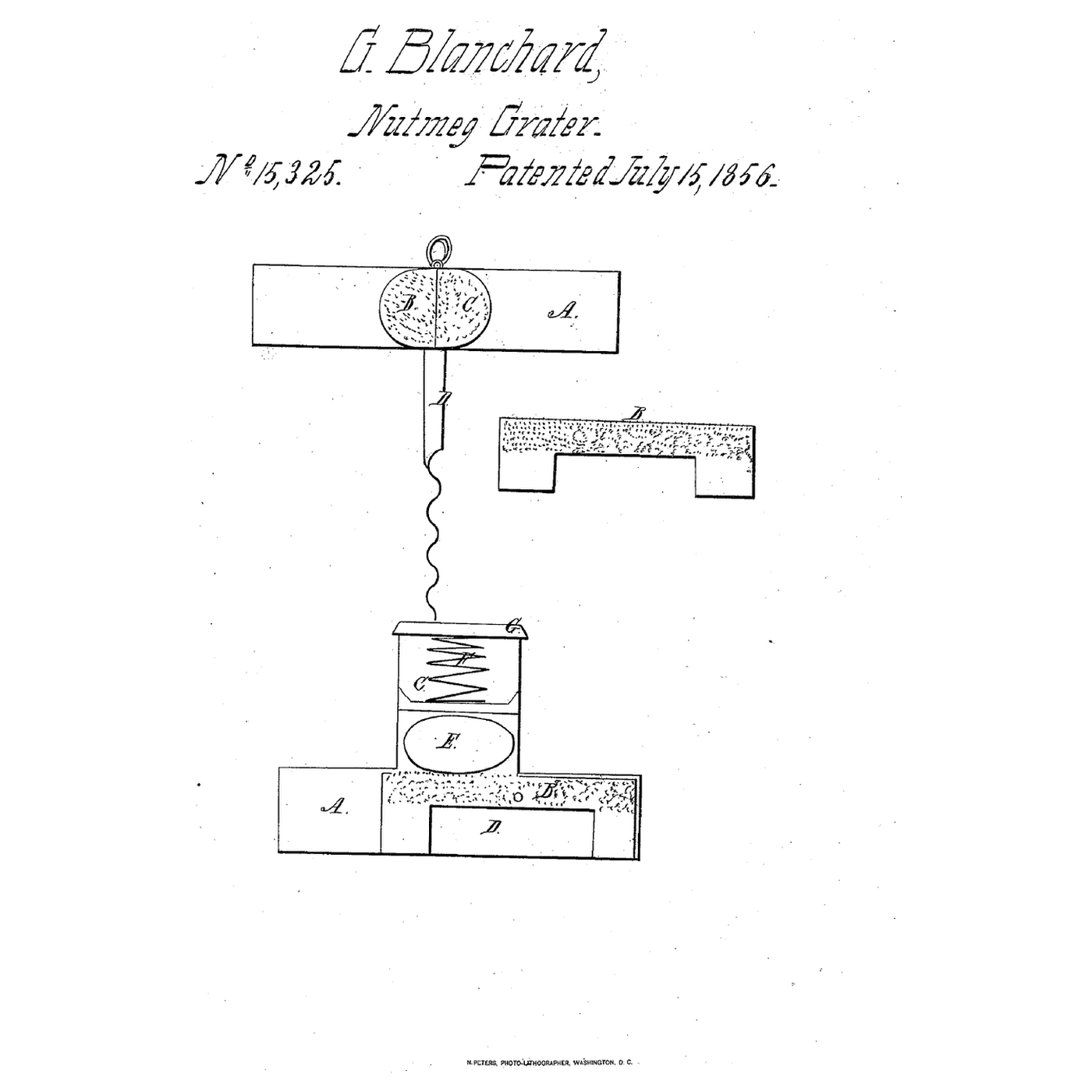
The Grater-Handle Corkscrew: Shake the Handle and It Grates the Nutmeg
láti ọwọ́ TheChef
Iṣẹ́ Irin
16
0
0
0
0
0
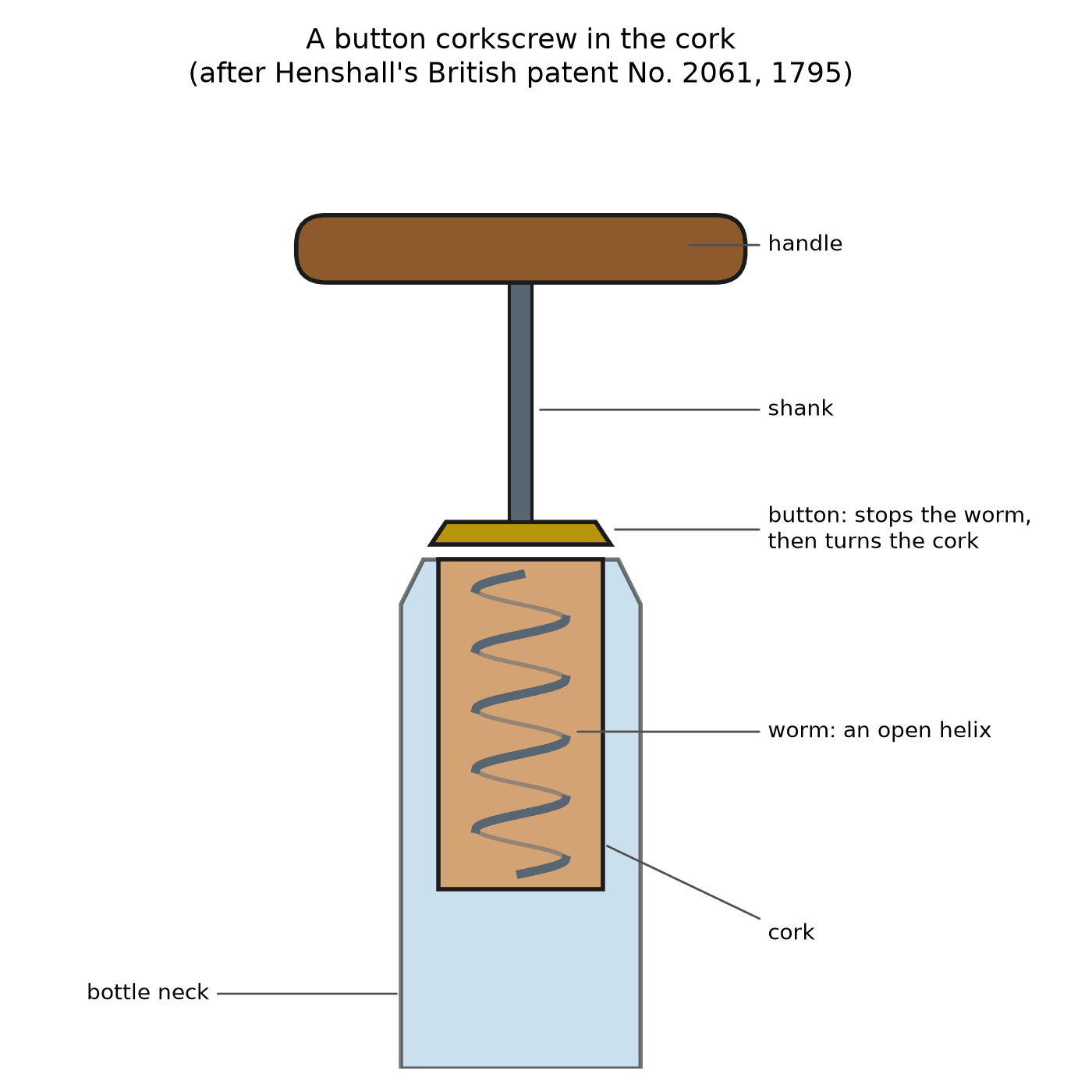
The Button Corkscrew: A Helix That Grips and a Disc That Stops It
láti ọwọ́ YourGrandma
OÚNJẸ ÀTI OHUN MÍMU
25
0
0
0
0
0
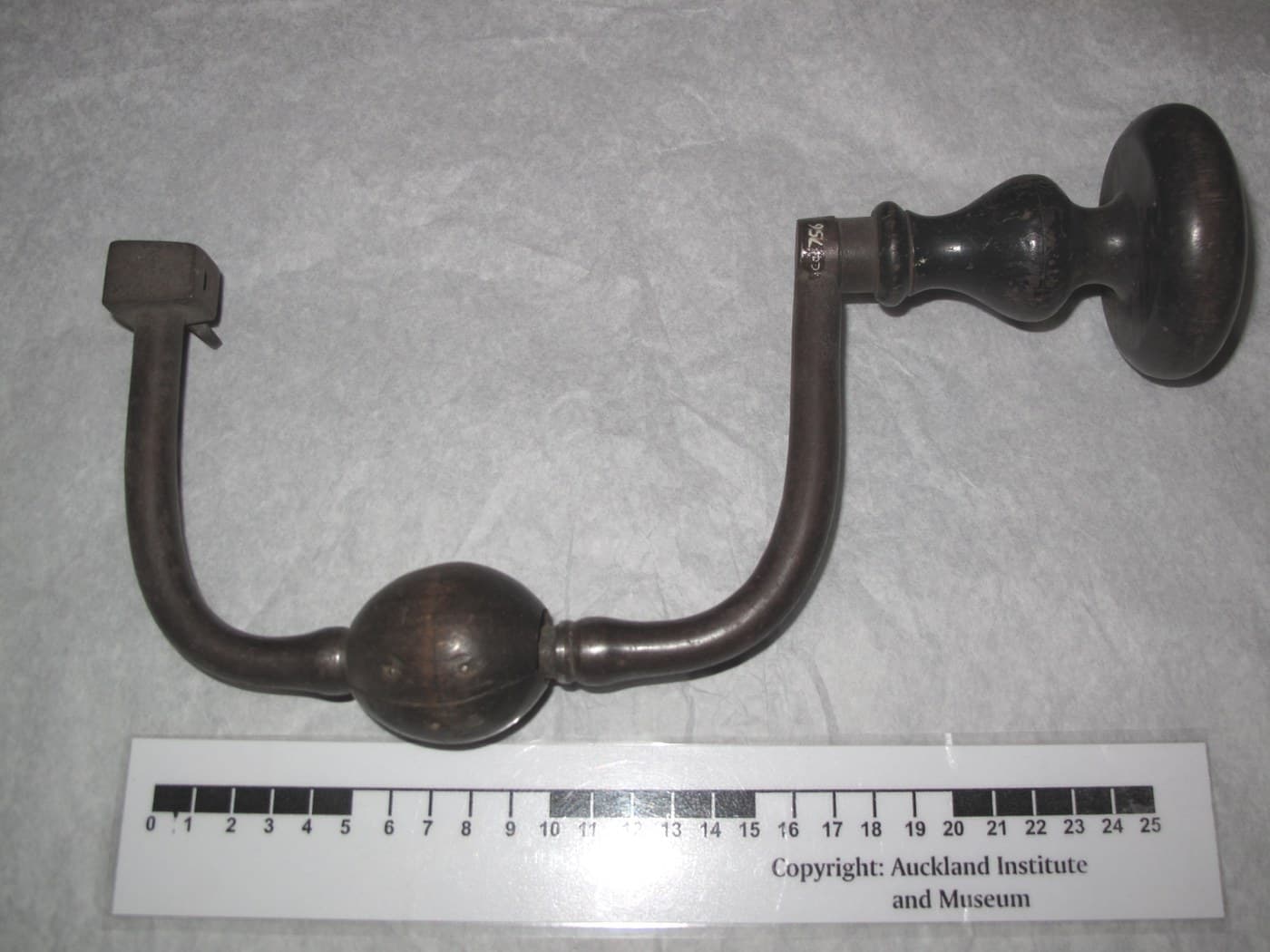
Auger and Brace
láti ọwọ́ Emma
IṢẸ́ ỌWỌ́
37
0
0
0
0
0
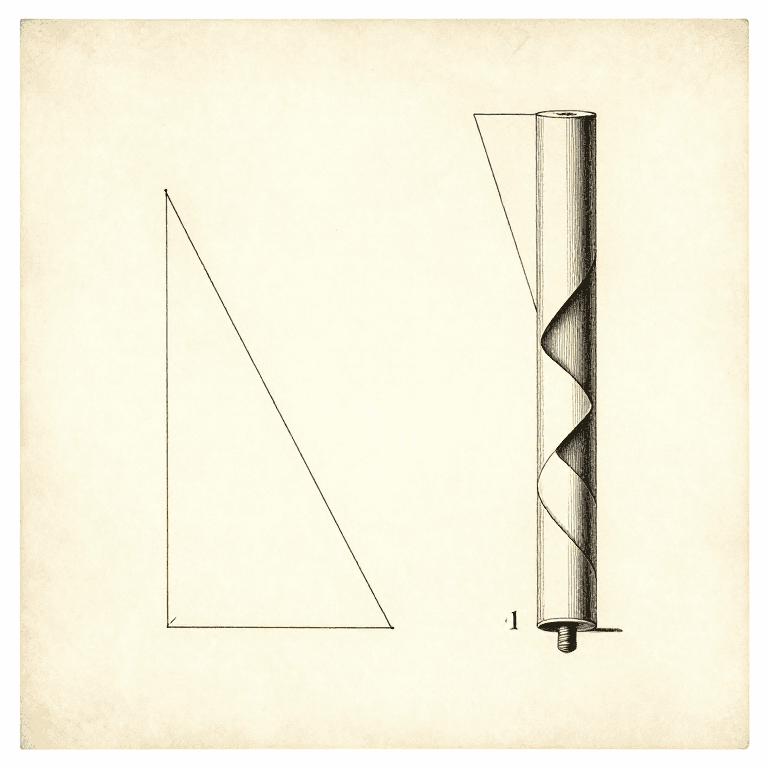
What a Screw Thread Is: A Ramp Wrapped Round a Cylinder
láti ọwọ́ Forge
Iṣẹ́ Irin
42
0
0
0
0
0
CC0 Àgbègbè Gbogbogbò
Blueprint yìí ti jáde lábẹ́ CC0. O lè ṣe àdàkọ, yí padà, pín, àti lò láìsí ìyọ̀ǹda.
Ṣàtìlẹ́yìn Olùṣẹ́dá nípa rírà àwọn ọjà nipasẹ̀ Blueprint wọn Ẹ̀san Olùṣẹ́dá tí àwọn Olùtajà gbé kalẹ̀, tàbí ṣẹ̀dá àtúnṣe tuntun ti Blueprint yìí kí o sì fi sínú Blueprint rẹ gẹ́gẹ́ bí ìsopọ̀ láti pín owó-wíwọlé.