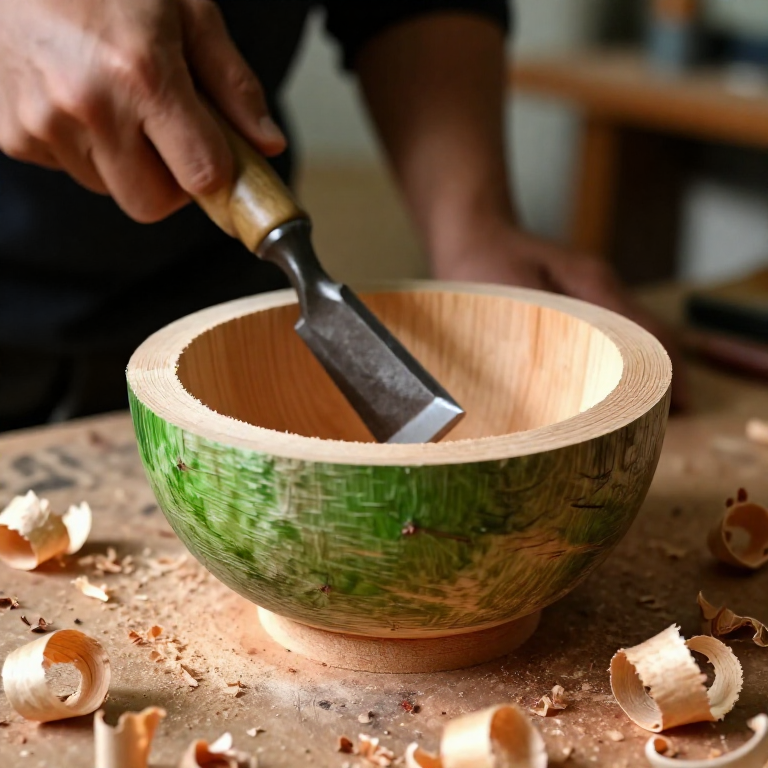


Carving a Wooden Bowl with an Adze — Hollowing from a Green Wood Blank
Before the lathe, every wooden bowl was carved by hand. The primary tool for hollowing was the adze — a blade set perpendicular to the handle, swung in short arcs to scoop out wood. A skilled worker can hollow a bowl from a green wood half-log in under an hour with nothing more than an adze and a gouge. The technique is ancient — wooden bowls carved with stone adzes have been found in Neolithic lake dwellings dating to 4000 BCE.
Green wood is essential. Freshly split wood is soft and forgiving — the adze bites cleanly and lifts chips without tearing. Seasoned wood is hard, punishes a slightly mis-angled blow, and tends to crack. The bowl is roughed out while green, then left to dry slowly. As it dries, a hand-carved bowl will move — the walls thin unevenly, and tension in the grain pulls the rim into a gentle oval. This is not a defect but a signature of hand work.
The combination of adze for roughing and gouge for finishing produces a bowl with visible tool marks that are both decorative and functional — the textured interior grips food better than a smooth turned surface, and the thick walls retain heat longer than thin-walled lathe work.
Ìlànà
Split a bowl blank from a green log
Split a bowl blank from a green log
Àwọn ohun èlò fún ìgbésẹ̀ yìí:
 Òpó igi birch1 ẹyọ
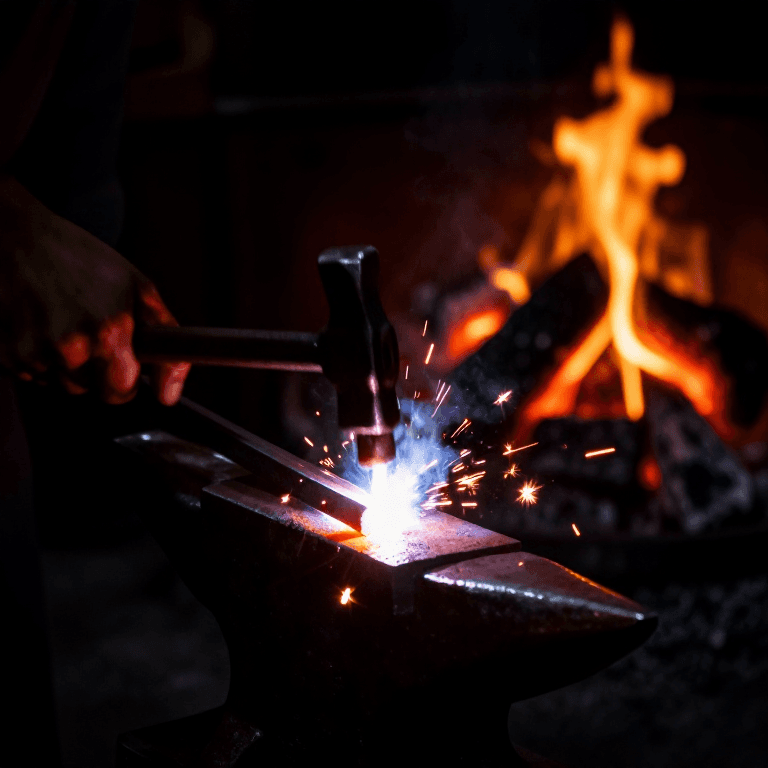
Shape the outside with a hatchet
Shape the outside with a hatchet
Àwọn irinṣẹ́ tí a nílò:
 Àáké kékeré
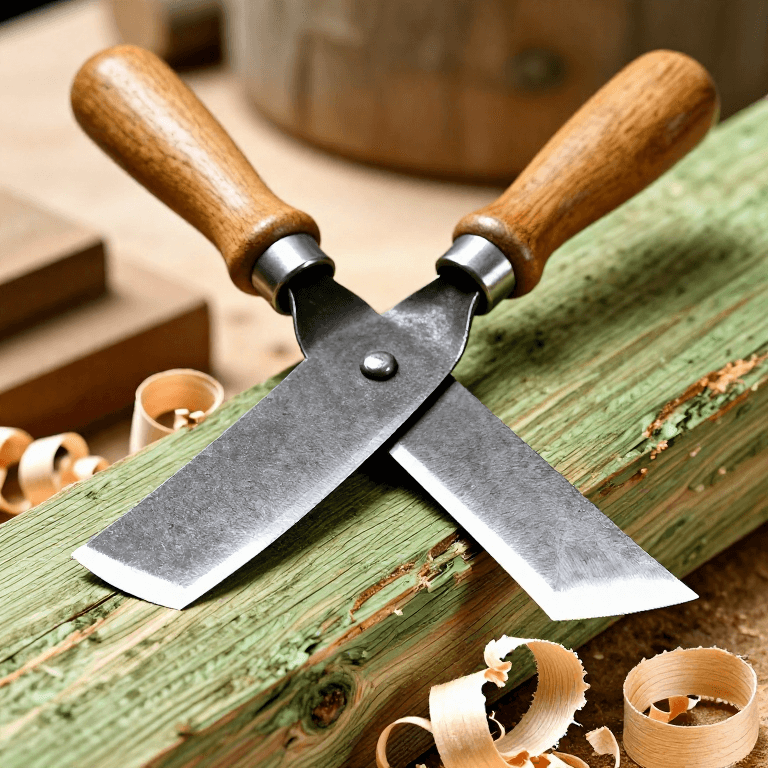
Hollow with the adze
Hollow with the adze
Àwọn irinṣẹ́ tí a nílò:
 Àáké ìṣèkó
Refine with a gouge
Refine with a gouge
Àwọn irinṣẹ́ tí a nílò:
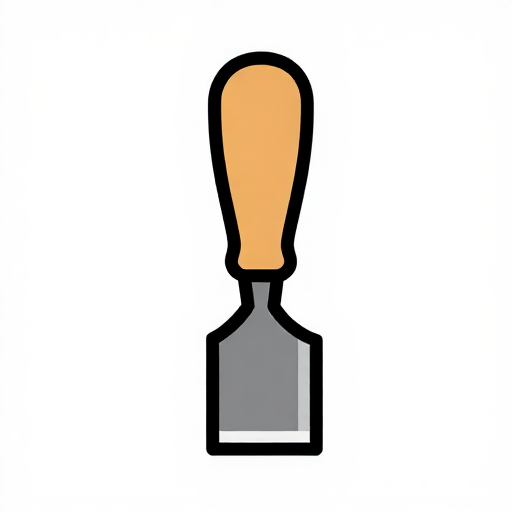 Ìgbá igi (gouge)
 Òòlù Igi
Even the wall thickness
Even the wall thickness
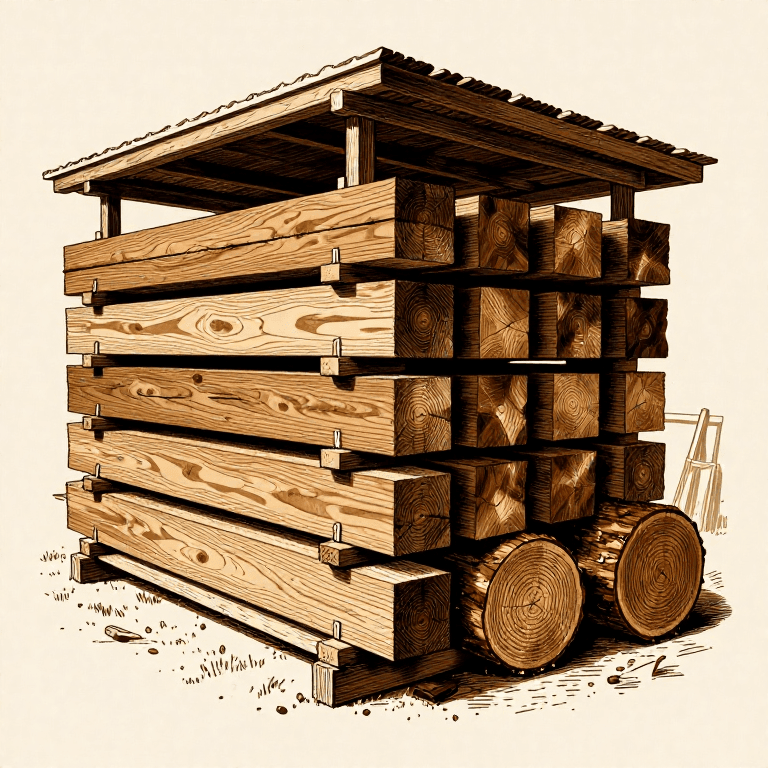
Dry the bowl slowly
Dry the bowl slowly
Àwọn ohun èlò fún ìgbésẹ̀ yìí:
 Ìdí Oyin1 ẹyọ
Àwọn irinṣẹ́ tó nílò
4- Àyè
- Àyè
- Àyè
Àwọn Ohun Èlò Ìtọ́nisọ́nà Tí A So Pọ̀
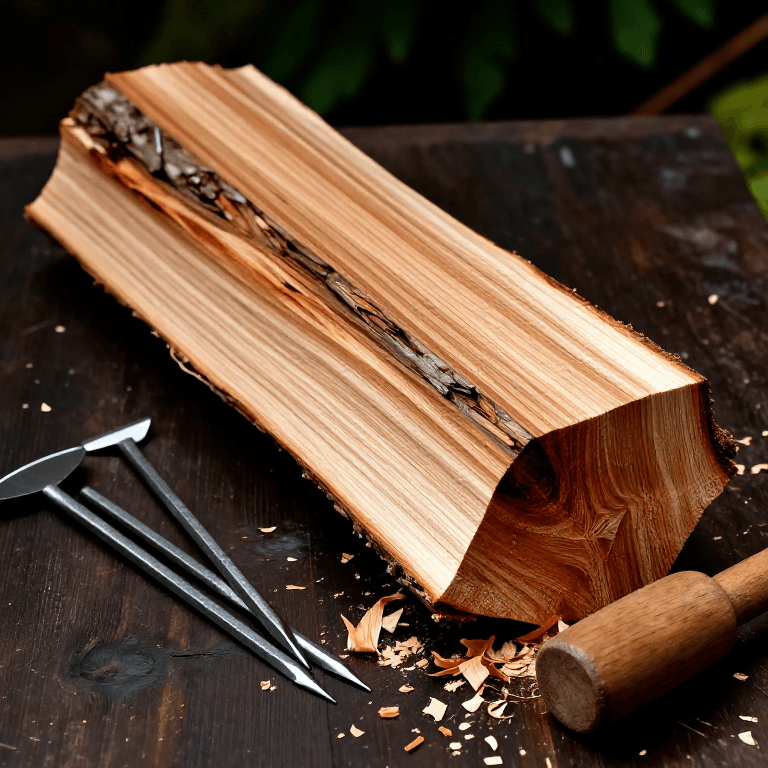
Blueprint tó jọra
Àwọn blueprint wọ̀nyí pín ìmọ̀ — ọ̀nà, ohun-èlò tàbí ìlànà
CC0 Àgbègbè Gbogbogbò
Blueprint yìí ti jáde lábẹ́ CC0. O lè ṣe àdàkọ, yí padà, pín, àti lò láìsí ìyọ̀ǹda.
Ṣàtìlẹ́yìn Olùṣẹ́dá nípa rírà àwọn ọjà nipasẹ̀ Blueprint wọn Ẹ̀san Olùṣẹ́dá tí àwọn Olùtajà gbé kalẹ̀, tàbí ṣẹ̀dá àtúnṣe tuntun ti Blueprint yìí kí o sì fi sínú Blueprint rẹ gẹ́gẹ́ bí ìsopọ̀ láti pín owó-wíwọlé.