IṢẸ́ ỌNÀ
ẸWÀ ÀTI ÌLERA
IṢẸ́ ỌWỌ́
ÀṢÀ ÀTI ÌTÀN
ÌṢERÉ
ÀYÍKÁ
OÚNJẸ ÀTI OHUN MÍMU
REVERSE ENGINEERING
SÁYẸ́ǸSÌ
ERÉ ÌDÁRAYÁ
ÌMỌ̀-Ẹ̀RỌ
ÀWỌN OHUN WÍWỌ̀
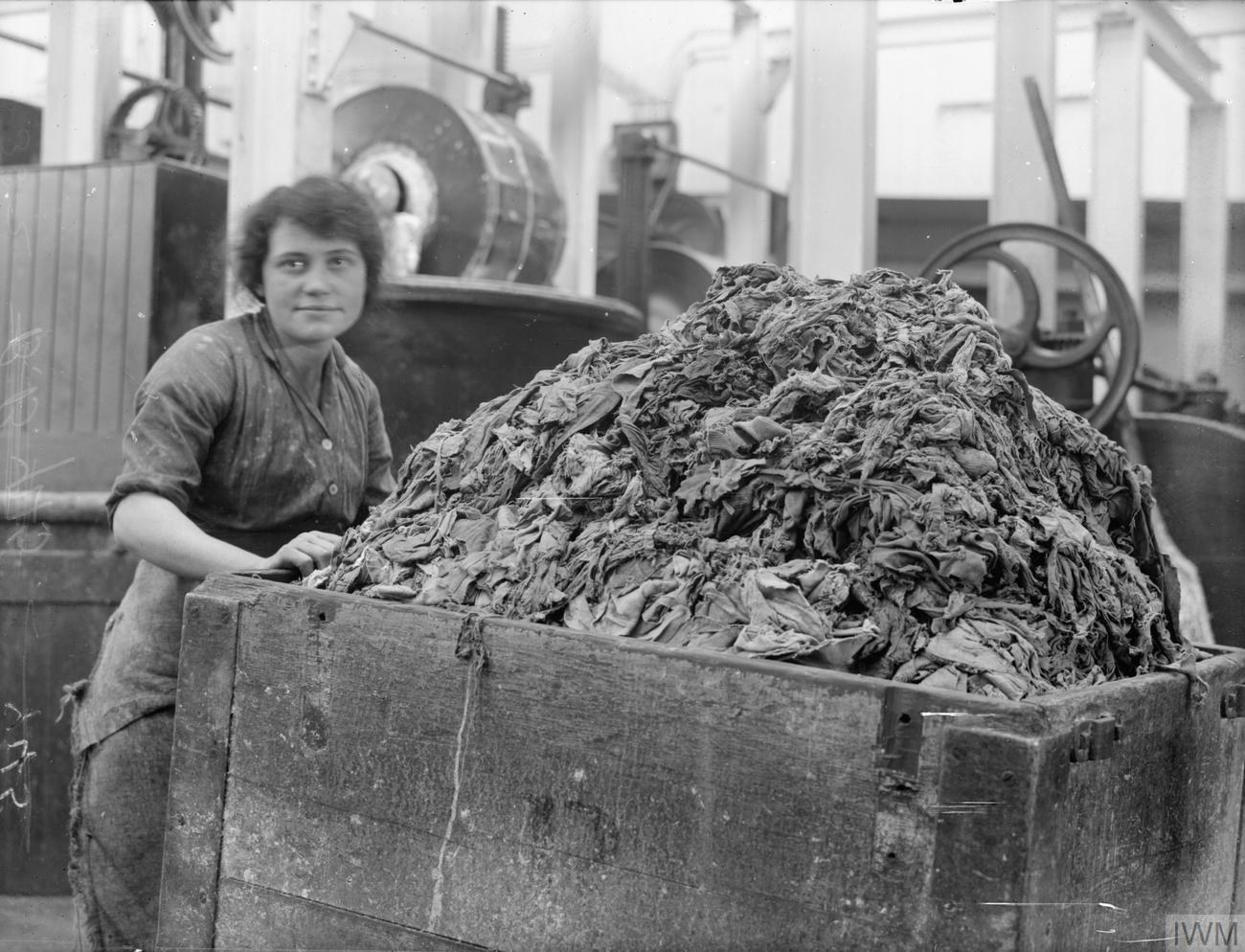


Linen Rags: Worn Linen Sorted and Cut for Papermaking
Before wood pulp, paper was made from rags. Worn-out linen was collected, by rag-and-bone men in the 19th century, and sold to the paper makers. This blueprint turns old linen cloth into clean, sorted rag ready for the vat.
Olùbẹ̀rẹ̀
An afternoon
Ìlànà
1
1
Strip the cloth
Strip the cloth
Take worn linen cloth and remove buttons, hooks, seams and hems: anything that is not plain fabric.
Àwọn ohun èlò fún ìgbésẹ̀ yìí:
 Aṣọ ọ̀gbọ̀1 kg
Àwọn irinṣẹ́ tí a nílò:
 Ohun èlò ìtú ìránṣọ
 Ìṣẹ́ná
2
2
Wash it
Wash it
Wash the cloth in warm soapy water on a washboard, rinse it well and hang it to dry.
Àwọn ohun èlò fún ìgbésẹ̀ yìí:
 Ọṣẹ1 as required
 Omi1 as required
Àwọn irinṣẹ́ tí a nílò:
 Àwokòtò igi
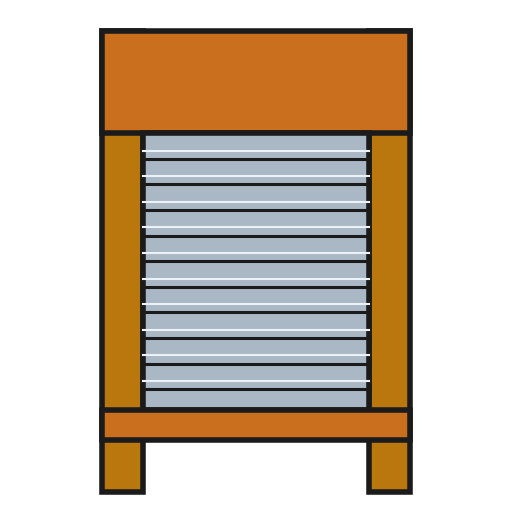 Pákó ìfọṣọ
 Okùn ìgbẹ̀
3
3
Sort and cut
Sort and cut
Sort the pieces by fineness and colour: fine white linen makes the whitest paper. Cut them into small squares.
Àwọn irinṣẹ́ tí a nílò:
Ìṣẹ́náÀwọn irinṣẹ́ tó nílò
5- Àyè
- Àyè
- Àyè
- Àyè
Ìtọ́nisọ́nà yìí ń ṣe
CC0 Àgbègbè Gbogbogbò
Blueprint yìí ti jáde lábẹ́ CC0. O lè ṣe àdàkọ, yí padà, pín, àti lò láìsí ìyọ̀ǹda.
Ṣàtìlẹ́yìn Olùṣẹ́dá nípa rírà àwọn ọjà nipasẹ̀ Blueprint wọn Ẹ̀san Olùṣẹ́dá tí àwọn Olùtajà gbé kalẹ̀, tàbí ṣẹ̀dá àtúnṣe tuntun ti Blueprint yìí kí o sì fi sínú Blueprint rẹ gẹ́gẹ́ bí ìsopọ̀ láti pín owó-wíwọlé.