IṢẸ́ ỌNÀ
ẸWÀ ÀTI ÌLERA
IṢẸ́ ỌWỌ́
ÀṢÀ ÀTI ÌTÀN
ÌṢERÉ
ÀYÍKÁ
OÚNJẸ ÀTI OHUN MÍMU
REVERSE ENGINEERING
SÁYẸ́ǸSÌ
ERÉ ÌDÁRAYÁ
ÌMỌ̀-Ẹ̀RỌ
ÀWỌN OHUN WÍWỌ̀
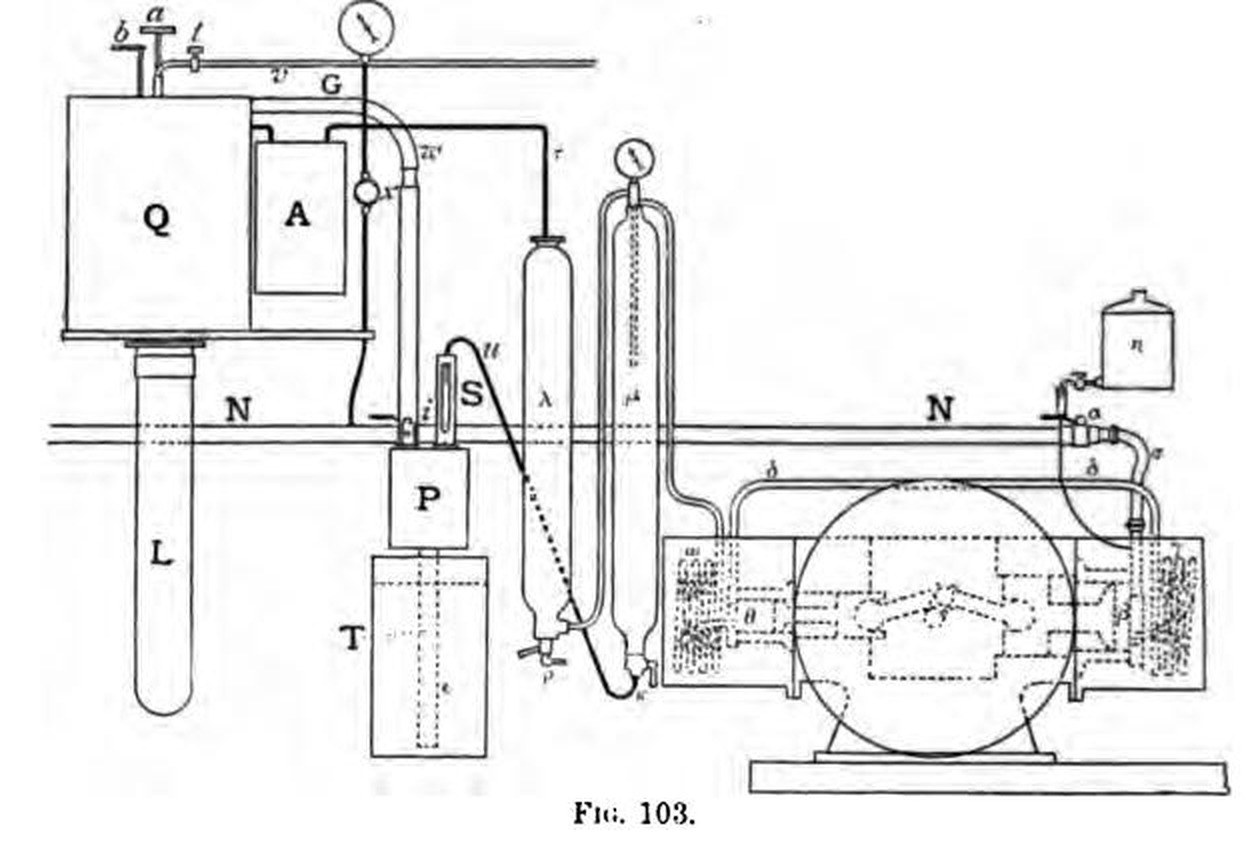


Liquid Hydrogen: Gas at 200 Atmospheres Cooled by Dry Ice and Liquid Air, then Expanded in a Regenerator Coil (Travers, 1901)
Hydrogen will not cool when it expands at room temperature, so Travers first chilled it with dry ice and then with liquid air boiling under a vacuum. Only then did expansion through a fine valve inside a regenerator coil cool it further, until clear liquid hydrogen ran into a vacuum vessel.
Result: liquid hydrogen (specific gravity 0.06), cold enough to freeze air solid.
Source: M. W. Travers, The Experimental Study of Gases (1901), pp. 196-206. Hydrogen is flammable; liquid air and liquid hydrogen are extremely cold. Picture: Fig. 103 of the book.
Ilọsíwájú
1 week
Ìlànà
1
1
Make and store the hydrogen
Make and store the hydrogen
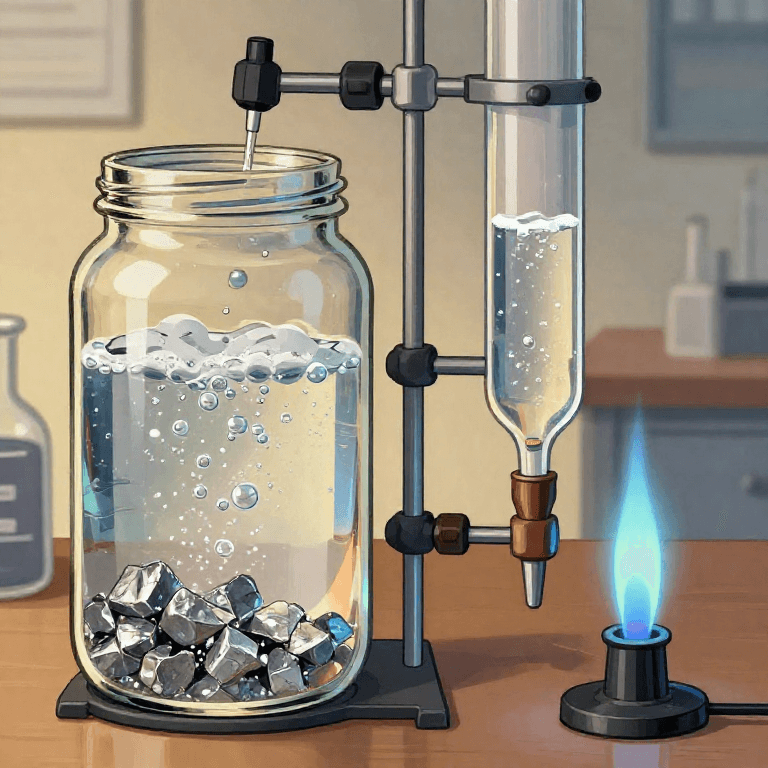
Put about 40 lb of commercial granulated zinc in a beer cask with a tap funnel, a delivery tube, an escape pipe into a vessel of water (safety valve) and a stoneware cock at the bottom to draw off spent acid. Run in dilute sulphuric acid. When the air is out, pass the gas through a wash-bottle of potassium permanganate into the gasometer (sheet iron, 6 ft high, 5 ft 6 in across, over water first saturated with hydrogen). Wash the gasometer out with hydrogen before collecting the main quantity. This takes five hours.
Àwọn ohun èlò fún ìgbésẹ̀ yìí:
 Hydrogen1 a gasometer full, made here
Àwọn irinṣẹ́ tí a nílò:
 Sínkì
 Sulfuric acid tí a là
 Àgbá igi
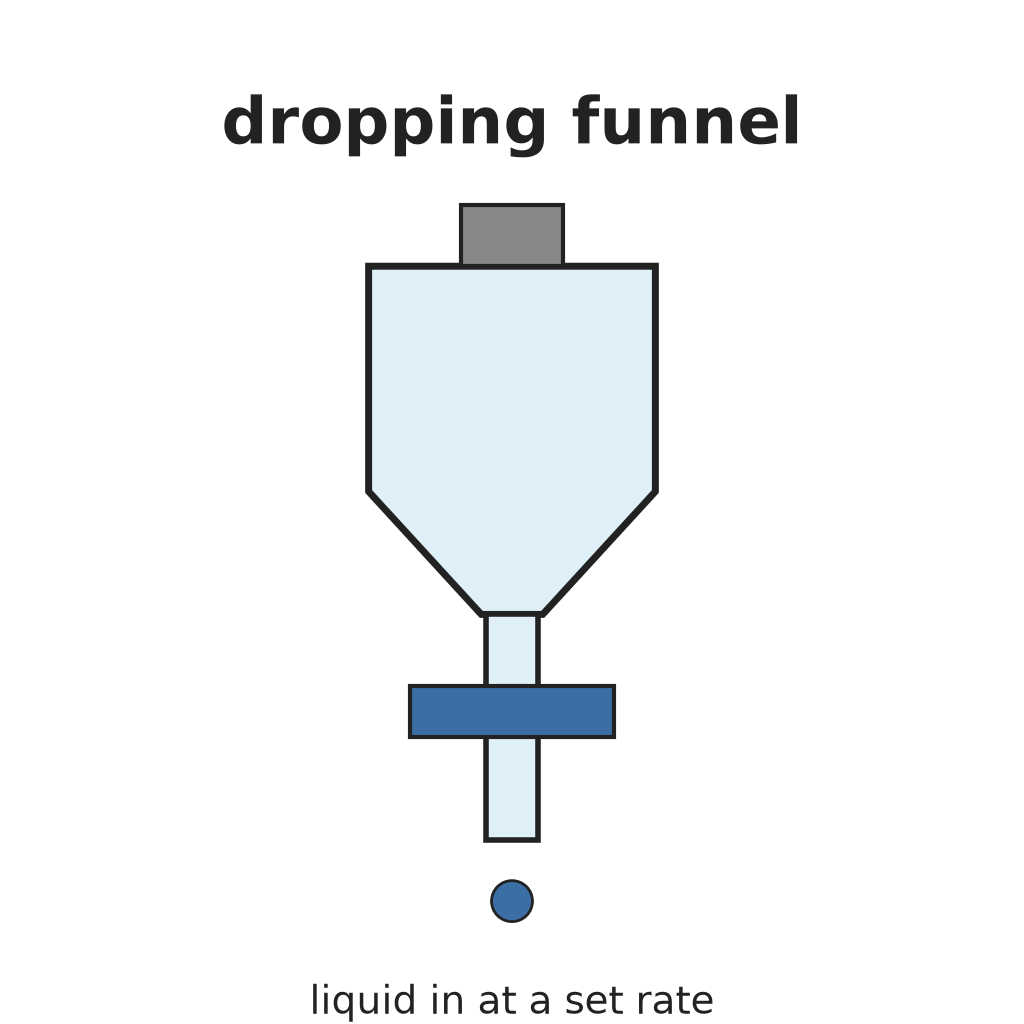 Fọ́nẹ́ẹ̀lì Ìsọ̀kalẹ̀ Ìkán
 Potasiomu pamanganeeti
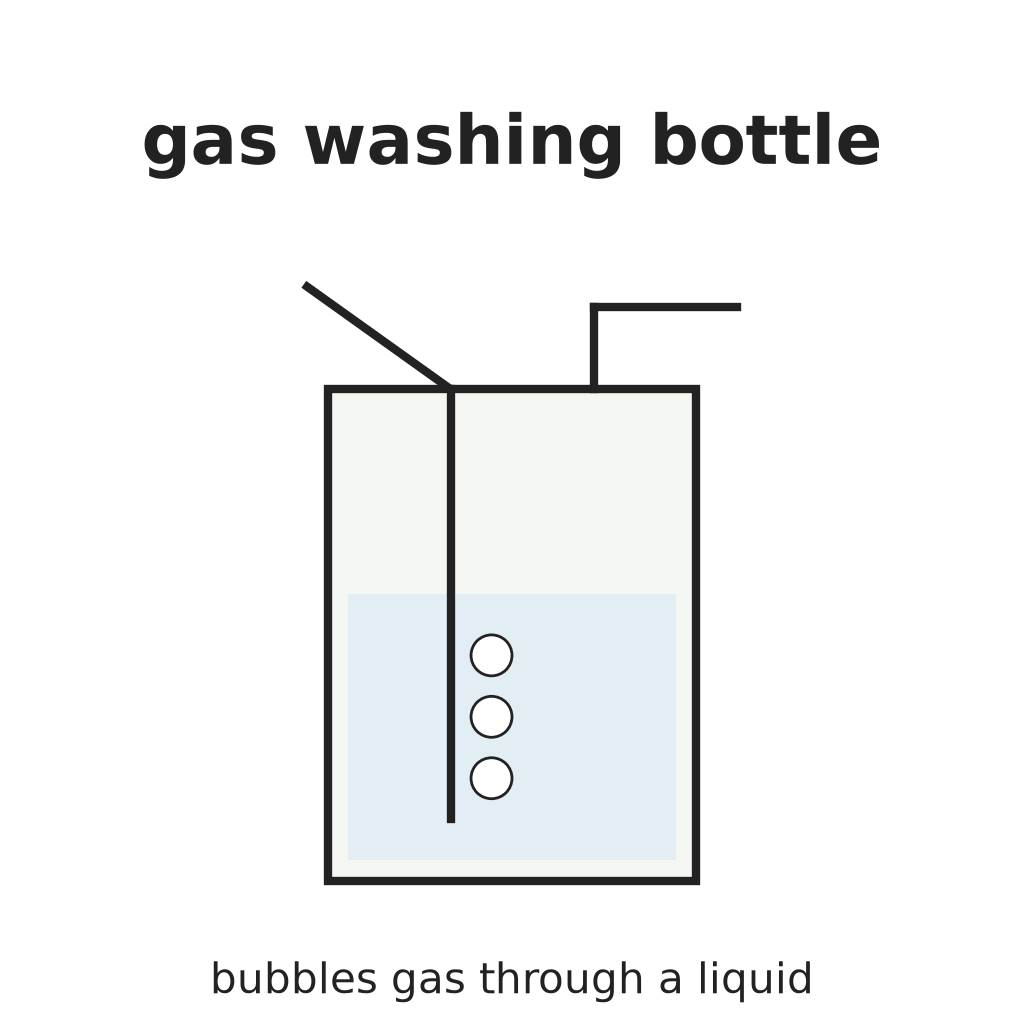 Ìgò Fífọ Gáàsì
 Ibùdó gáàsì
 Omi
2
2
Make liquid air and ready the compressor
Make liquid air and ready the compressor
In the two or three days before, use the compressor to make liquid air with the Hampson liquefier and store it in vacuum vessels, about 8 litres in all. Then take the compressor apart and check the valves, springs and fibre packings. Remove the Hampson machine and connect the compressor through the cylinder of caustic potash to the hydrogen liquefier.
Àwọn irinṣẹ́ tí a nílò:
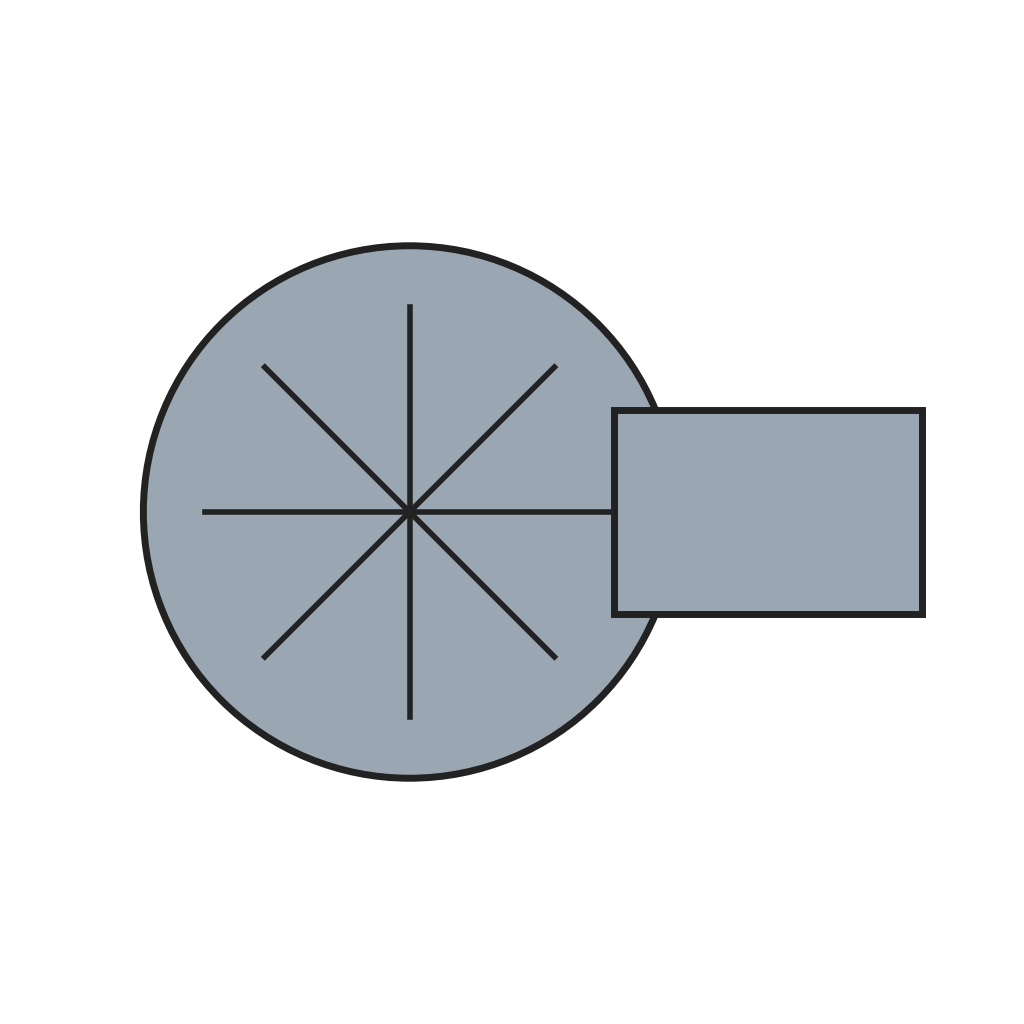 Ẹ̀rọ ìfun gáàsì
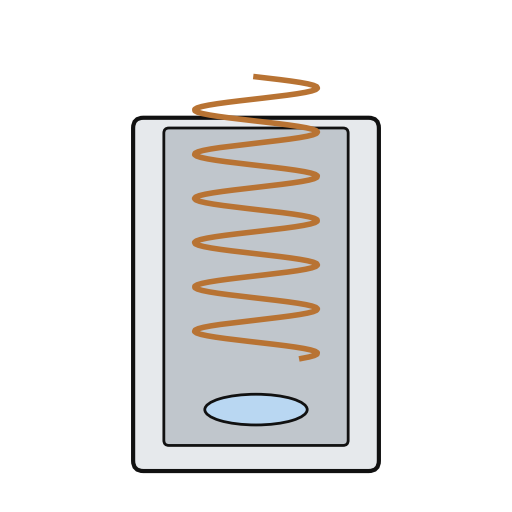 Ẹ̀rọ ìyí afẹ́fẹ́ di omi Hampson
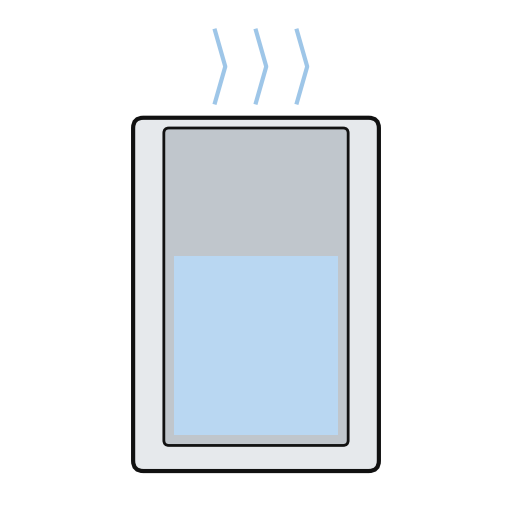 Afẹ́fẹ́ olómi
 Ìgò òfo (Dewar)
3
3
Cool the liquefier
Cool the liquefier
Four people are needed. Pack the vessel round coil A with solid carbonic acid and alcohol (-80 °C). Pour liquid air into chamber B and let it into chamber C, pumped down to 100 mm of mercury so it boils below -200 °C. Draw liquid air into vacuum vessel H and boil it under reduced pressure to chill the regenerator coil below -200 °C, then let it out and put vessels K and M (with a little liquid air) back in place.
Àwọn irinṣẹ́ tí a nílò:
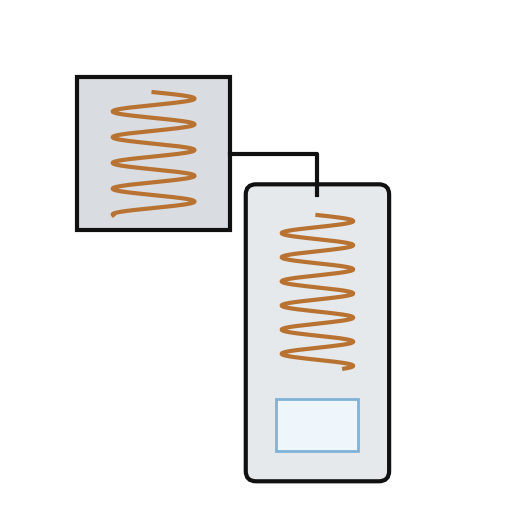 Ẹ̀rọ ìsọdomi háídírójìn
 Kábọ́nù díọ́sáídì líle
 Ethanol tí a bàjẹ́, 95 %Afẹ́fẹ́ olómiÌgò òfo (Dewar)
 Ẹ̀rọ ìfàfẹ́fẹ́jáde
 Ẹ̀rọ ìwọ̀n àìsí afẹ́fẹ́
4
4
Compress the hydrogen to 200 atmospheres
Compress the hydrogen to 200 atmospheres
Purge the air from the compressor: open cock a, run a few turns, stop and open cock rho; do this three or four times. Then raise the pressure. The first cylinder takes the gas to about 16 atm, with a little glycerol and water holding 5 % caustic soda as lubricant; the second takes it to about 200 atm. The water is separated out and the gas dried over lumps of solid caustic potash. Have it at 200 atm by the time the liquefier is cold.
Àwọn irinṣẹ́ tí a nílò:
Ẹ̀rọ ìfun gáàsì Gilísẹ́rọ̀lù
 Ẹ̀fun onídìí (sodium hydroxide)Omi
 Hidiroksidi potasiomu
 Ẹ̀rọ Ìwọ̀n Ìtẹ̀
5
5
Expand and collect the liquid
Expand and collect the liquid
Reconnect chamber C to the exhaust pump and let liquid air in slowly (a fall of the mercury in the vacuum gauge means too fast). Open the expansion valve with the milled nut; let the gas out through the water tank for a few moments to clear the air, then open cock i so it circulates back. Keep B and the coil-A vessel topped up. Watch the glycerol gauge for the flow and turn the milled nut slowly back and forth the whole time so it does not block. H coats with white solid air; open cock r now and then, and the liquid runs through a baize filter into K. Lift K out on its wire into a vessel with a little liquid air. About 10 % of the gas is lost per run.
Àwọn irinṣẹ́ tí a nílò:
Ẹ̀rọ ìsọdomi háídírójìnAfẹ́fẹ́ olómiKábọ́nù díọ́sáídì líleÌgò òfo (Dewar)Ẹ̀rọ ìfàfẹ́fẹ́jádeẸ̀rọ ìwọ̀n àìsí afẹ́fẹ́Ẹ̀rọ Ìwọ̀n Ìtẹ̀Àwọn irinṣẹ́ tó nílò
21- Àyè
- Àyè
- Àyè
- Àyè
- 1 vendor sell this, none ship to you yetÀyè
- Àyè
Ìtọ́nisọ́nà yìí ń ṣe
Blueprint tó jọra
Àwọn blueprint wọ̀nyí pín ìmọ̀ — ọ̀nà, ohun-èlò tàbí ìlànà


CC0 Àgbègbè Gbogbogbò
Blueprint yìí ti jáde lábẹ́ CC0. O lè ṣe àdàkọ, yí padà, pín, àti lò láìsí ìyọ̀ǹda.
Ṣàtìlẹ́yìn Olùṣẹ́dá nípa rírà àwọn ọjà nipasẹ̀ Blueprint wọn Ẹ̀san Olùṣẹ́dá tí àwọn Olùtajà gbé kalẹ̀, tàbí ṣẹ̀dá àtúnṣe tuntun ti Blueprint yìí kí o sì fi sínú Blueprint rẹ gẹ́gẹ́ bí ìsopọ̀ láti pín owó-wíwọlé.