IṢẸ́ ỌNÀ
ẸWÀ ÀTI ÌLERA
IṢẸ́ ỌWỌ́
ÀṢÀ ÀTI ÌTÀN
ÌṢERÉ
ÀYÍKÁ
OÚNJẸ ÀTI OHUN MÍMU
REVERSE ENGINEERING
SÁYẸ́ǸSÌ
ERÉ ÌDÁRAYÁ
ÌMỌ̀-Ẹ̀RỌ
ÀWỌN OHUN WÍWỌ̀
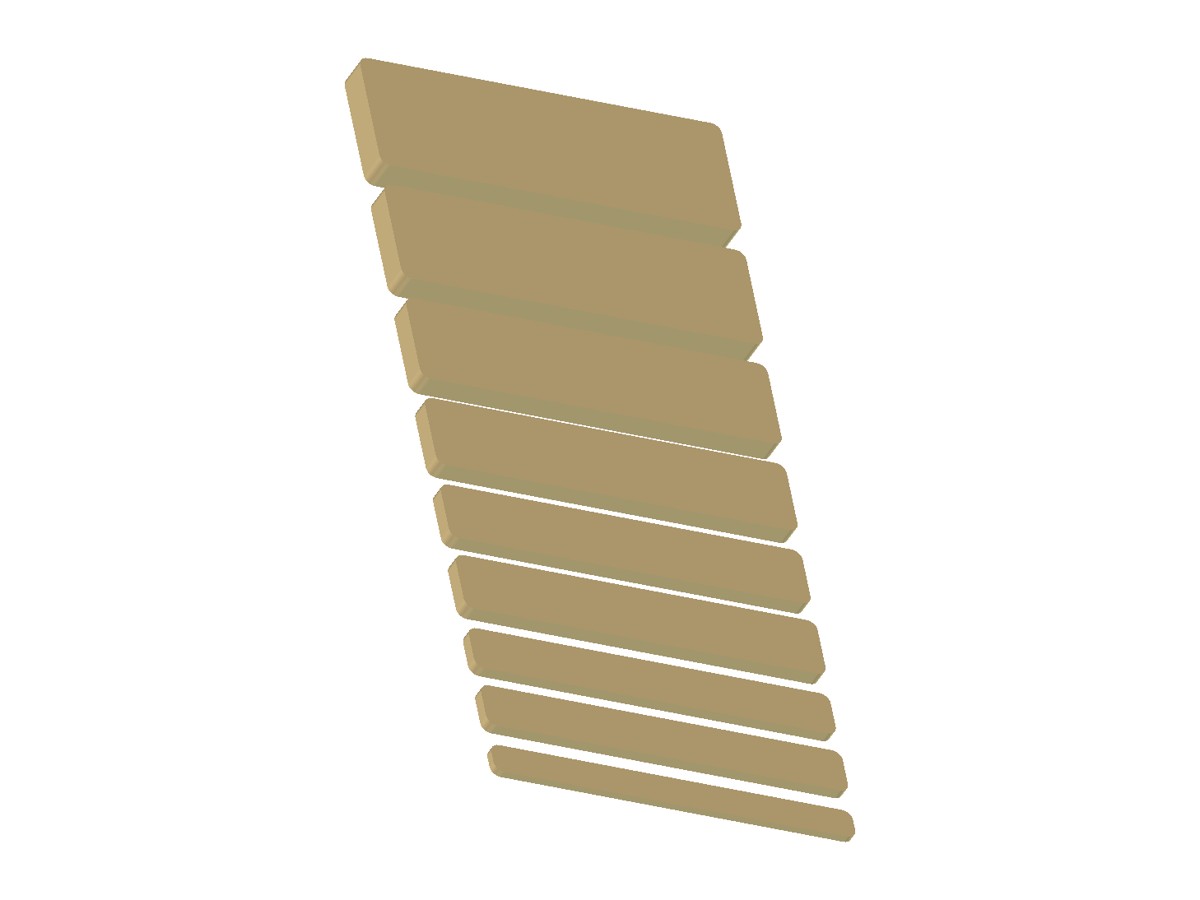


Loop Sticks: a Graded Set of Hardwood Sticks for Shaping Strap Loops (Hasluck, Harness Making, 1904)
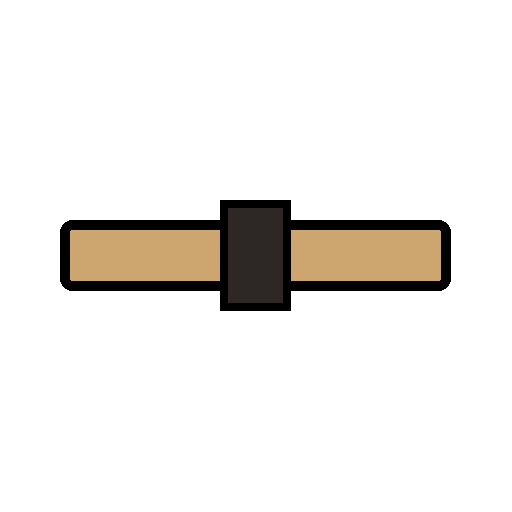
A set of flat hardwood sticks, 1/2 in. to 2 in. wide, that the harness maker puts inside a leather loop (the keeper on a buckled strap) to beat it flat and square and to clinch the nails against. Hasluck's Harness Making (1904) gives the range of sizes and says to have two of some, for work done in pairs.
Olùbẹ̀rẹ̀
About 3 hours
Ìlànà
1
1
Leather keepers shaped square
Leather keepers shaped square
Stitching leather keepers and blocking them square (g mac). A loop stick is what goes inside while you shape one.
2
2
Hasluck's loop sticks, 1904
Hasluck's loop sticks, 1904
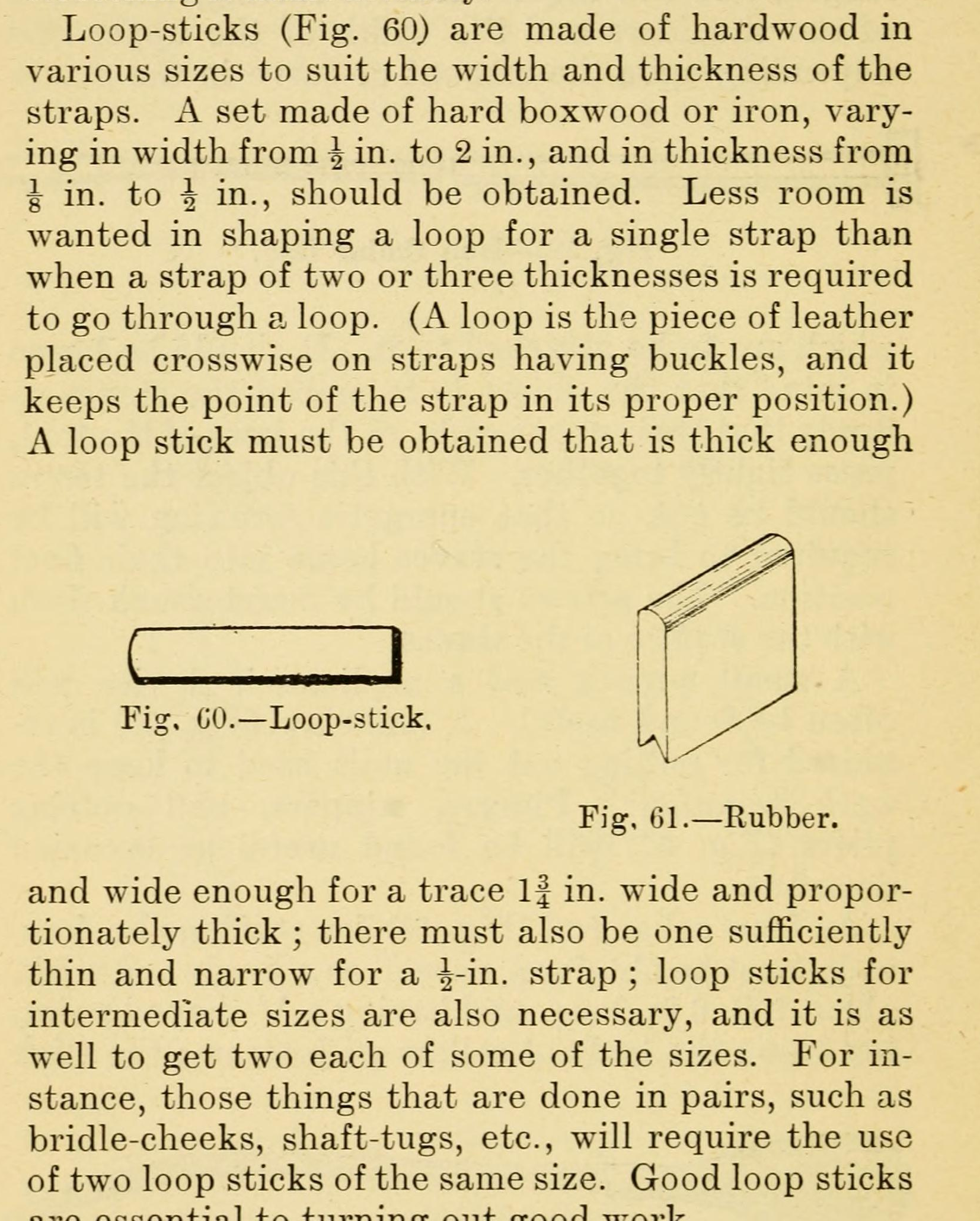
Harness Making p. 28: loop sticks of hardwood, sized to the width and thickness of the straps; a set of hard boxwood or iron from 1/2 in. to 2 in. wide and 1/8 in. to 1/2 in. thick. A loop for two or three thicknesses of strap needs a thicker stick than one for a single strap. Have one big enough for a 1 3/4 in. trace, one for a 1/2 in. strap, sizes between, and two of some sizes for pairs such as bridle cheeks and shaft tugs.
3
3
Cut the set
Cut the set
Rip and plane close-grained hardwood (boxwood if you can get it) to these widths and thicknesses, each 6 in. (152 mm) long: 1/2 x 1/8 in. (12.7 x 3.2 mm); 3/4 x 3/16 in. (19.1 x 4.8 mm) x 2; 1 x 1/4 in. (25.4 x 6.4 mm) x 2; 1 1/4 x 5/16 in. (31.8 x 7.9 mm); 1 1/2 x 3/8 in. (38.1 x 9.5 mm); 1 3/4 x 7/16 in. (44.5 x 11.1 mm); 2 x 1/2 in. (50.8 x 12.7 mm). Check each with the caliper.
Àwọn ohun èlò fún ìgbésẹ̀ yìí:
 Pátákó Igi Líle1 piece (about 160 x 300 x 15 mm)
Àwọn irinṣẹ́ tí a nílò:
 Ayùn Ọwọ́
 Ohun ìfá kékeré
 Ohun èlò ìsàmì
 Igun Àpapọ̀
 Ìdìmú Tábìlì
 Òṣùwọ̀n Kálípà Díjítà Ìnṣì 6
4
4
Shape and finish
Shape and finish
Keep the faces flat and the long edges square so the loops come out square. Round the four corners a little (about 4 mm), smooth all over, ease the edges, and rub in a little linseed oil. Mark each stick with its size.
Àwọn ohun èlò fún ìgbésẹ̀ yìí:
 Òróró Ọ̀gbọ̀10 ml
Àwọn irinṣẹ́ tí a nílò:
 Rásípù igi
 Bébà Ìfá
5
5
Use a loop stick
Use a loop stick
Choose the stick that matches the strap, thicker if two or three thicknesses must pass the loop. Put it inside the loop, beat the loop gently until it is flat and square, and clinch the nails that hold the loop against the stick, leaving it inside while you nail the other side (Hasluck pp. 71 and 98).
6
6
Troubleshooting
Troubleshooting
Loop problems and fixes.
Flow
Loading...
7
7
History and honest limits
History and honest limits
From Paul N. Hasluck (ed.), Harness Making (1904), p. 28, Fig. 60, with use on pp. 71 and 98. Hasluck gives the range only: the sizes between, the thickness for each width, the 6 in. length and the oil finish are ours. For the biggest loops he uses an iron stick. Not made by us yet.
Àwọn ohun-èlò
2- 1 piece (about 160 x 300 x 15 mm)Àyè
- 10 mlÀyè
Àwọn irinṣẹ́ tó nílò
8- Àyè
- Àyè
- Àyè
- Àyè
- Àyè
Ìtọ́nisọ́nà yìí ń ṣe
Blueprint tó jọra
Àwọn blueprint wọ̀nyí pín ìmọ̀ — ọ̀nà, ohun-èlò tàbí ìlànà
CC0 Àgbègbè Gbogbogbò
Blueprint yìí ti jáde lábẹ́ CC0. O lè ṣe àdàkọ, yí padà, pín, àti lò láìsí ìyọ̀ǹda.
Ṣàtìlẹ́yìn Olùṣẹ́dá nípa rírà àwọn ọjà nipasẹ̀ Blueprint wọn Ẹ̀san Olùṣẹ́dá tí àwọn Olùtajà gbé kalẹ̀, tàbí ṣẹ̀dá àtúnṣe tuntun ti Blueprint yìí kí o sì fi sínú Blueprint rẹ gẹ́gẹ́ bí ìsopọ̀ láti pín owó-wíwọlé.