IṢẸ́ ỌNÀ
ẸWÀ ÀTI ÌLERA
IṢẸ́ ỌWỌ́
ÀṢÀ ÀTI ÌTÀN
ÌṢERÉ
ÀYÍKÁ
OÚNJẸ ÀTI OHUN MÍMU
REVERSE ENGINEERING
SÁYẸ́ǸSÌ
ERÉ ÌDÁRAYÁ
ÌMỌ̀-Ẹ̀RỌ
ÀWỌN OHUN WÍWỌ̀
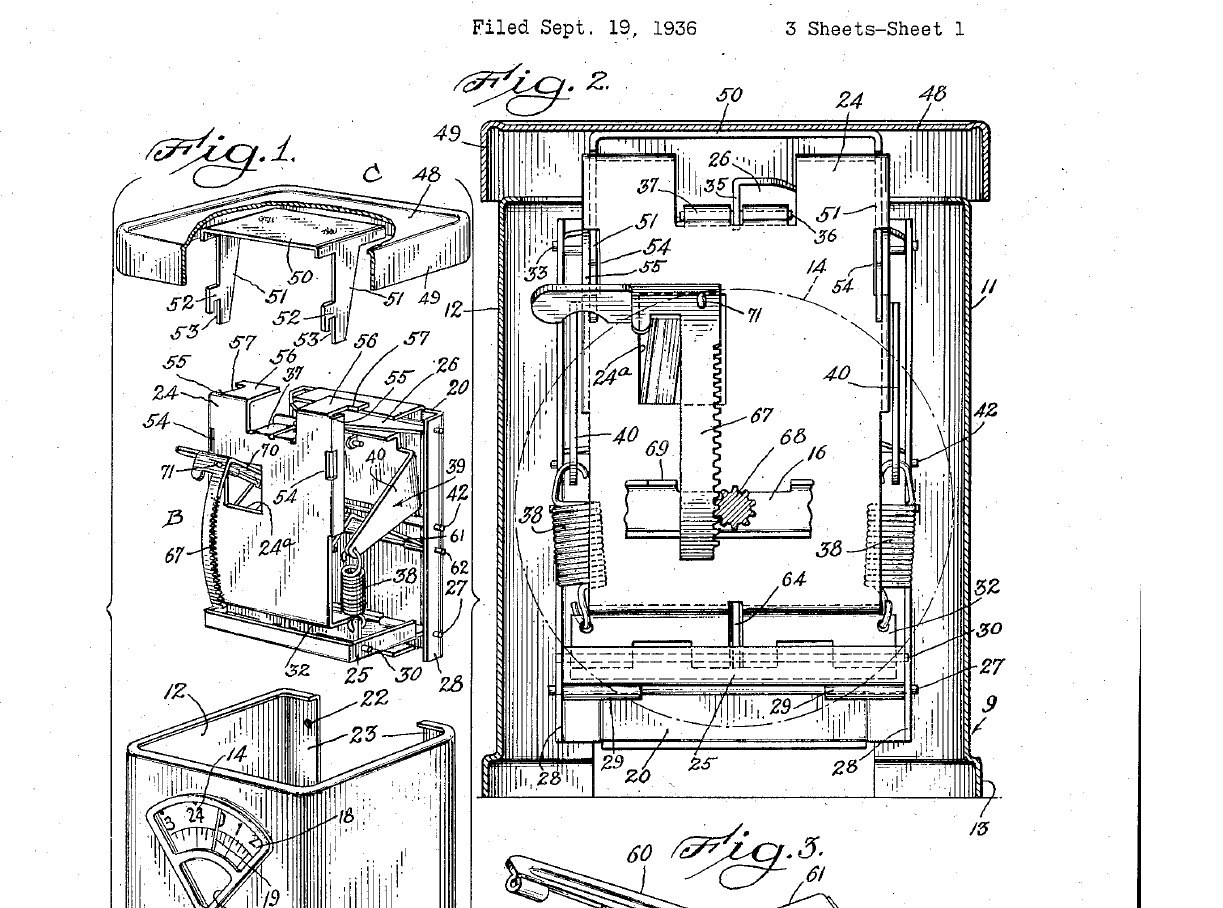


Mechanical Kitchen Scale: Sheet-Metal Case, Guided Plate and Two Springs to a Dial (Hansen, 1939)
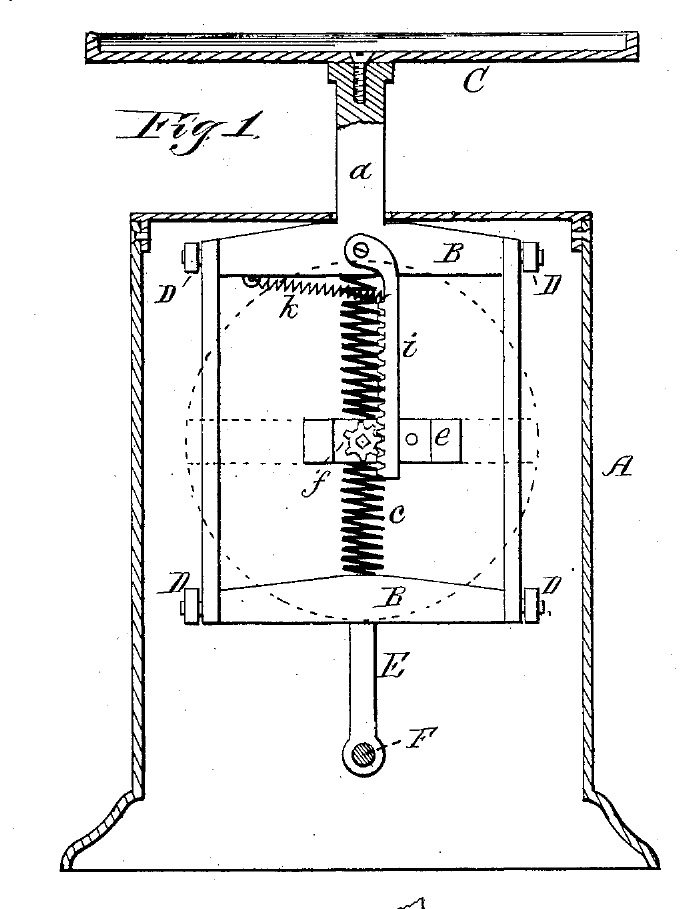
The everyday kitchen spring scale, built almost entirely from sheet metal. The platform hangs from a plate that two pivoted links keep moving straight up and down, the way Roberval's frame keeps a pan level. Two springs carry the load, and a rack turns the numbered dial behind a small window.
Result: a household scale that reads the true weight even when the food is put on one edge of the platform, because the dial is driven from the point midway between the two springs. It goes together from three units: case, weighing works and platform.
Source: M. H. Hansen (Hanson Scale Co.), US Patent 2,145,480 (1939). Unknown: the sheet metal and its sizes, the springs, the capacity and how the dial is marked. Picture: patent drawing.
Ilọsíwájú
3 days
Ìlànà
1
1
Make the case and fit the dial
Make the case and fit the dial
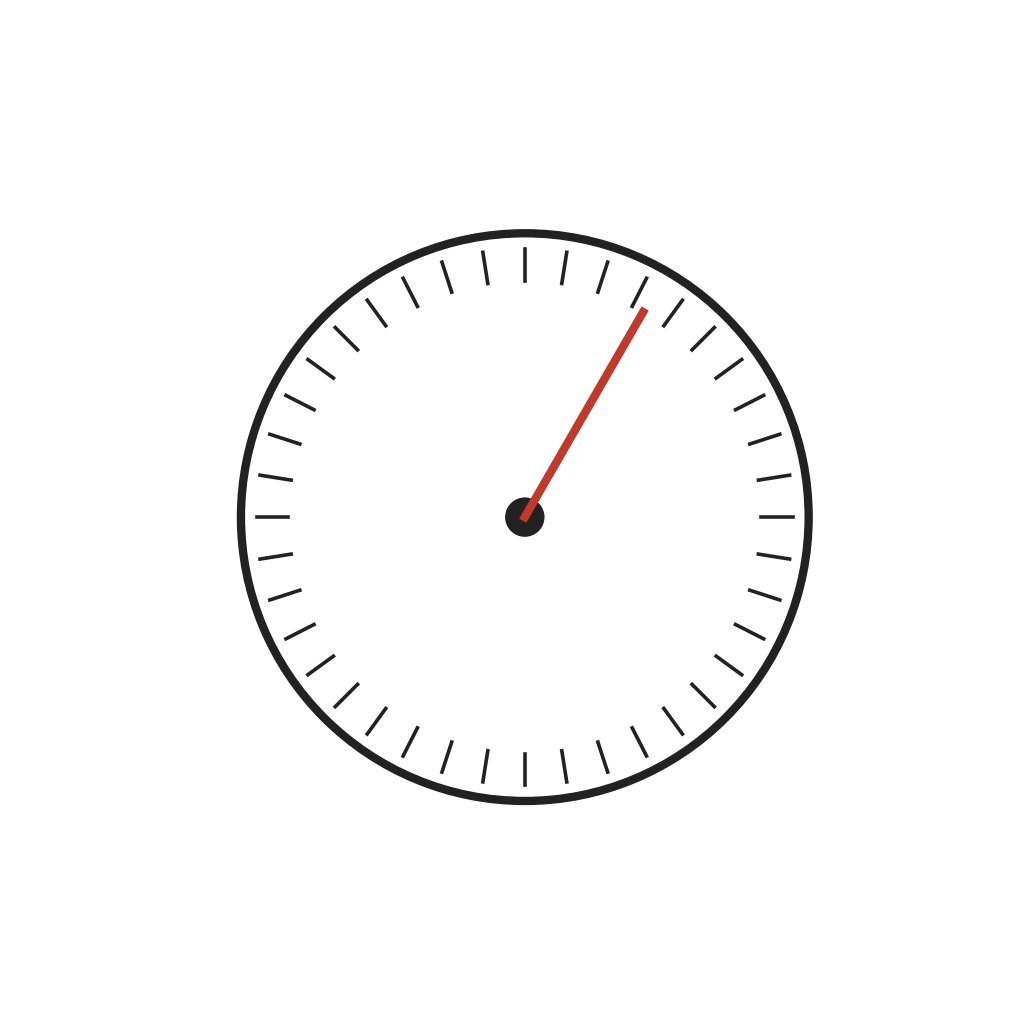
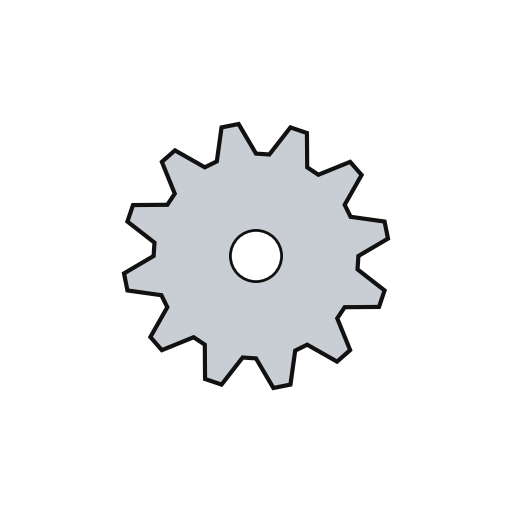
Bend sheet metal into a U: a front wall and two side walls, the lower edges flared outward to stand steady, open at the top and back, with inturned flanges on the back edges. Cut a sector-shaped window in the front and glaze it. Fix a bracket across the side walls, and run the dial shaft from the front wall to the bracket. On the shaft goes the round dial, numbered on its face, and a pinion behind it. Fit a fixed pointer at the window. Not given: the metal, gauge and sizes, and how the dial is numbered.
Àwọn ohun èlò fún ìgbésẹ̀ yìí:
 Irin tí a kò mọ̀1 ewé
 Fèrèsé dígí1 window
 Ojú àti abẹ́rẹ́ òṣùwọ̀n1 ẹyọ
 Pínínọ̀nù1 ẹyọ
Àwọn irinṣẹ́ tí a nílò:
 Ìlàǹkàn irin
 Ìdìpọ̀ ẹmú
 Ìwọ̀n tí a kò mọ̀
2
2
Build the guided plate on two springs
Build the guided plate on two springs
On a flat rear plate, pin two horizontal links: a lower rectangular one and an upper triangular one. Pin their front ends to an upright plate, which can now only move straight up and down. Hang the upright plate from two tension springs at its lower corners. Hook their tops to the arms of a U-shaped bracket pivoted on the rear plate. A bolt through the rear plate, with a compression spring and a nut, swings the bracket to set the zero.
Àwọn ohun èlò fún ìgbésẹ̀ yìí:
Irin tí a kò mọ̀1 ewé Àwọn abẹ́rẹ́ ìdìmú1 ìtò
 Orísun ìfà2 ẹyọ
 Àkójọ Ìsúnkì Ìtẹ̀1 one spring
 Skurú ẹ̀rọ1 zero bolt
 Nọ́ọ̀tì Onígun Mẹ́fà1 ẹyọ
Àwọn irinṣẹ́ tí a nílò:
Ìlàǹkàn irinÌdìpọ̀ ẹmúÌwọ̀n tí a kò mọ̀3
3
Drive the dial from the middle
Drive the dial from the middle
Pivot an arm on the rear plate and join it by a short link to the upright plate at the pin midway between the two springs. If food sits off-centre, the platform tips and one spring stretches more, but the middle point moves by the average, so the arm gives the true weight. Pass the arm through a hole in the upright plate. Pin it to a curved rack cut in one piece with its extension, so a loose arm cannot skew the rack. The rack will mesh with the dial pinion.
Àwọn ohun èlò fún ìgbésẹ̀ yìí:
Irin tí a kò mọ̀1 ewéÀwọn abẹ́rẹ́ ìdìmú1 ìtòÀwọn irinṣẹ́ tí a nílò:
Ìlàǹkàn irinÌdìpọ̀ ẹmú4
4
Make the platform
Make the platform
Cut a rectangular sheet-metal platform with a flange turned down all round. Make the flange clear the case walls, so a tipped platform cannot rub and dirt stays out. Rivet a U-shaped bracket under it. Its two arms end in slotted hooks that drop into openings in the upright plate, held by its flanges so the platform cannot tilt on it.
Àwọn ohun èlò fún ìgbésẹ̀ yìí:
Irin tí a kò mọ̀1 ewé Ìṣó irin1 a few
Àwọn irinṣẹ́ tí a nílò:
Ìlàǹkàn irinÌdìpọ̀ ẹmú5
5
Assemble and set the zero
Assemble and set the zero
Lower the weighing works into the case through the open top: the rack drops into mesh with the dial pinion. Screw the rear plate to the case flanges. Hook the platform on. With the platform empty, turn the zero nut until the zero on the dial stands at the pointer. Turn it again later if the springs stretch. Ours: check the reading with a known weight.
Àwọn ohun èlò fún ìgbésẹ̀ yìí:
Skurú ẹ̀rọ1 rear plate screwsÀwọn irinṣẹ́ tí a nílò:
 Ìṣù àwọn ohun ìyí skurú
 Ìwọ̀n
Àwọn ohun-èlò
10- 1 ewéÀyè
- 1 windowÀyè
- Àyè
- 1 ẹyọÀyè
- 2 ìtòÀyè
- 2 ẹyọÀyè
- 1 one springÀyè
- 1 rear plate screwsÀyè
- 1 ẹyọÀyè
- 1 a fewÀyè
Àwọn Ohun Èlò Ìtọ́nisọ́nà Tí A So Pọ̀
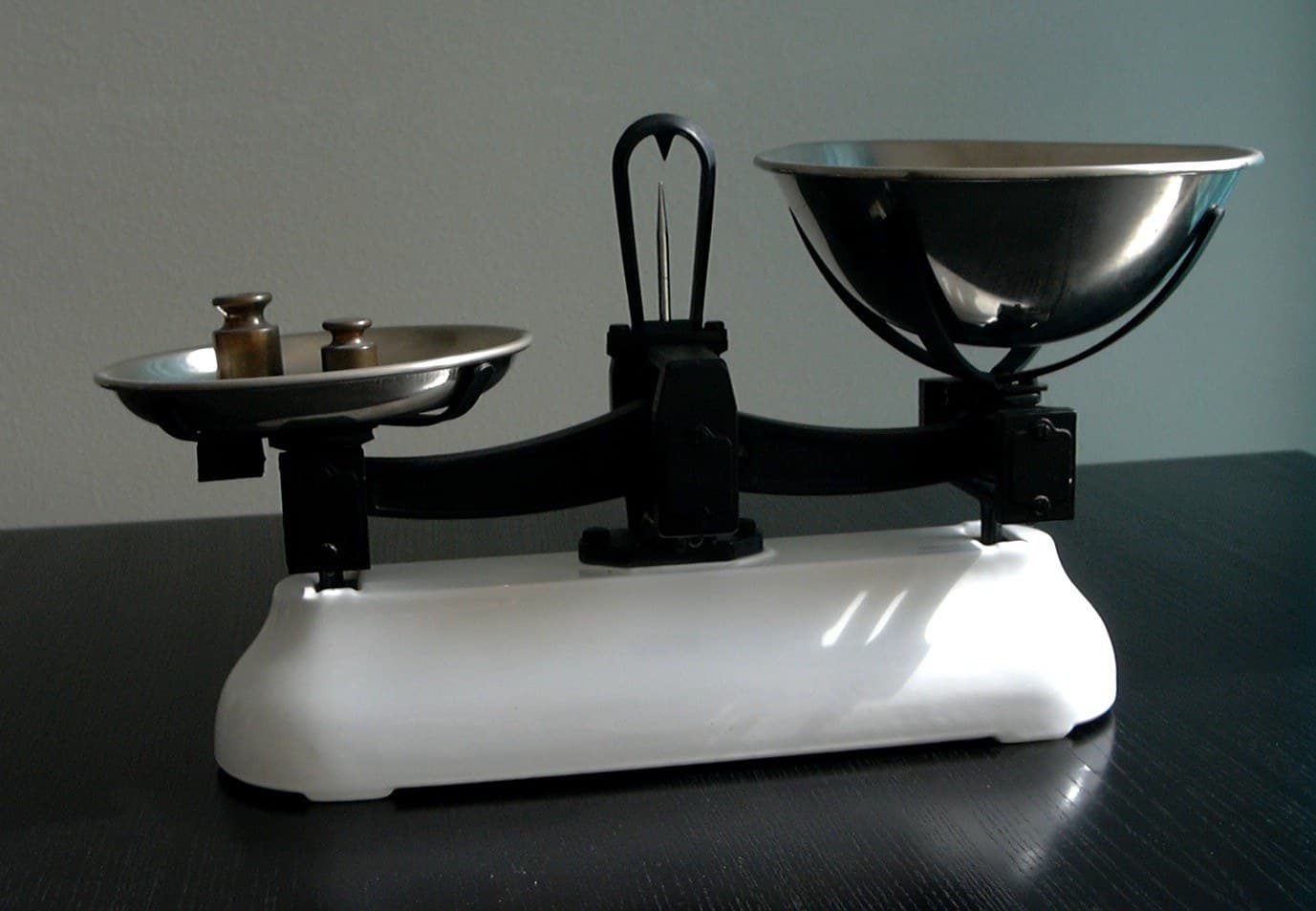
Ìtọ́nisọ́nà yìí ń ṣe
Blueprint tó jọra
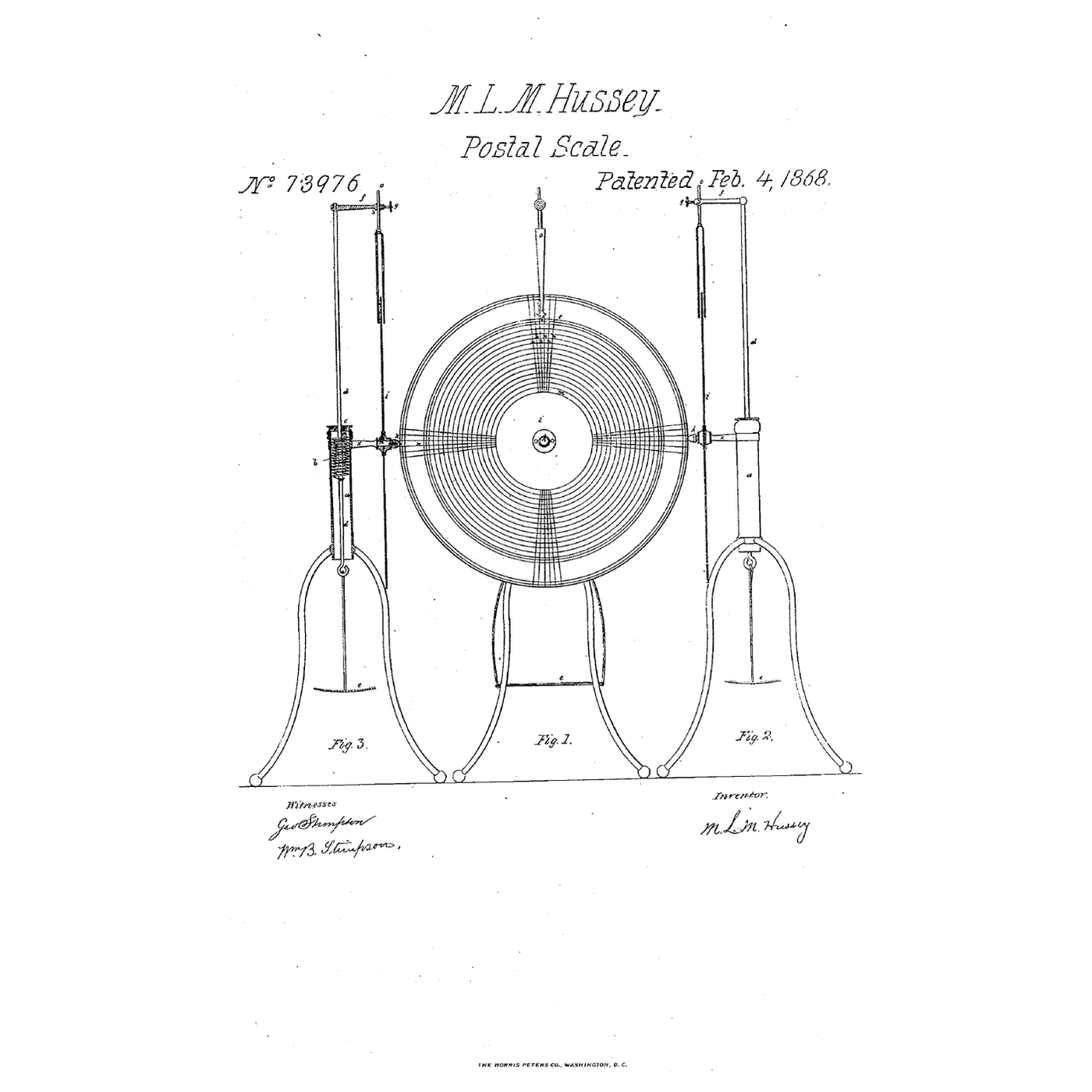
Àwọn blueprint wọ̀nyí pín ìmọ̀ — ọ̀nà, ohun-èlò tàbí ìlànà
CC0 Àgbègbè Gbogbogbò
Blueprint yìí ti jáde lábẹ́ CC0. O lè ṣe àdàkọ, yí padà, pín, àti lò láìsí ìyọ̀ǹda.
Ṣàtìlẹ́yìn Olùṣẹ́dá nípa rírà àwọn ọjà nipasẹ̀ Blueprint wọn Ẹ̀san Olùṣẹ́dá tí àwọn Olùtajà gbé kalẹ̀, tàbí ṣẹ̀dá àtúnṣe tuntun ti Blueprint yìí kí o sì fi sínú Blueprint rẹ gẹ́gẹ́ bí ìsopọ̀ láti pín owó-wíwọlé.