
Making Tallow Dipped Candles — The Poor Man's Light for Two Thousand Years
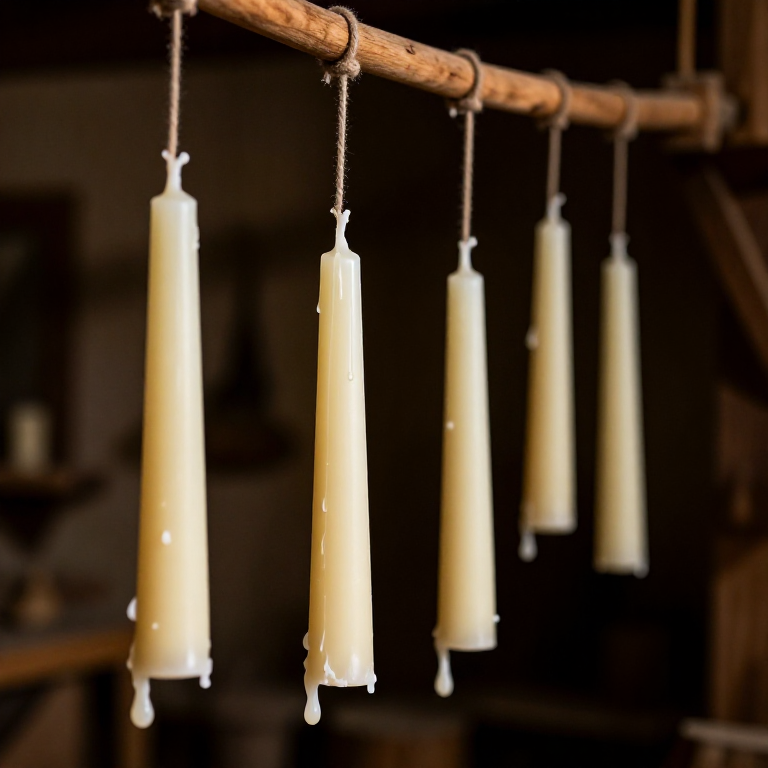
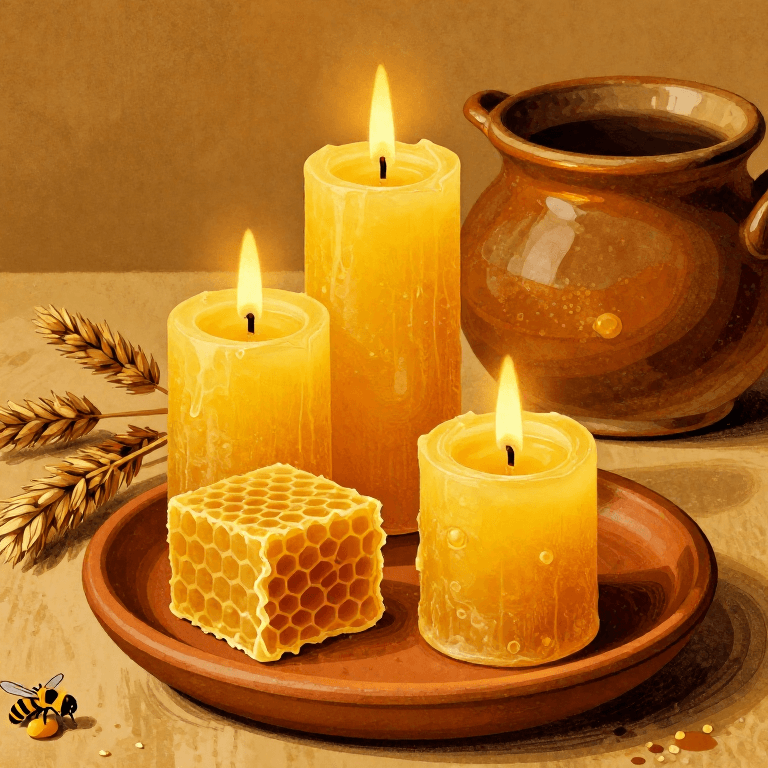
For most of human history, artificial light meant burning animal fat. Beeswax candles existed but were expensive — reserved for churches and the wealthy. The vast majority of people lit their homes with tallow candles: rendered beef or mutton fat moulded or dipped around a wick. Tallow candles smoke, smell of burning fat, and burn half as long as beeswax — but they cost almost nothing to make from kitchen waste.
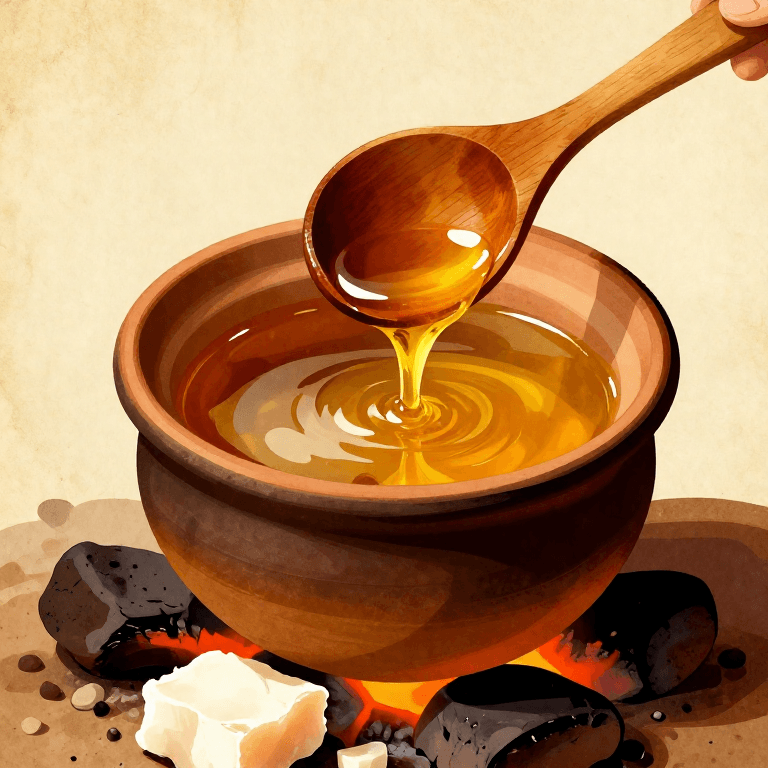
The dipping method is the oldest candle-making technique. A wick is repeatedly lowered into a pot of melted tallow and lifted out to cool, building up layers of fat around the wick with each dip. Twenty to thirty dips produce a candle thick enough to burn for several hours. A chandler (professional candle maker) would dip dozens of wicks on a frame simultaneously, producing hundreds of candles per day.
Tallow dipping requires no special equipment — only rendered fat, twisted fibre for wicks, and a pot deep enough to submerge the candle length. This is one of the most accessible crafts in human history.
Ìlànà
Render the tallow
Render the tallow
Àwọn ohun èlò fún ìgbésẹ̀ yìí:
 Ọ̀rá Ẹranko1 kg
Strain and clarify
Strain and clarify
Prepare the wicks
Prepare the wicks
Àwọn ohun èlò fún ìgbésẹ̀ yìí:
 Okùn Òwú2 m
Set up the dipping station
Set up the dipping station
Dip the candles
Dip the candles
Build up to full thickness
Build up to full thickness
Trim and finish
Trim and finish
Àwọn Ohun Èlò Ìtọ́nisọ́nà Tí A So Pọ̀

Blueprint tó jọra
Àwọn blueprint wọ̀nyí pín ìmọ̀ — ọ̀nà, ohun-èlò tàbí ìlànà


CC0 Àgbègbè Gbogbogbò
Blueprint yìí ti jáde lábẹ́ CC0. O lè ṣe àdàkọ, yí padà, pín, àti lò láìsí ìyọ̀ǹda.
Ṣàtìlẹ́yìn Olùṣẹ́dá nípa rírà àwọn ọjà nipasẹ̀ Blueprint wọn Ẹ̀san Olùṣẹ́dá tí àwọn Olùtajà gbé kalẹ̀, tàbí ṣẹ̀dá àtúnṣe tuntun ti Blueprint yìí kí o sì fi sínú Blueprint rẹ gẹ́gẹ́ bí ìsopọ̀ láti pín owó-wíwọlé.