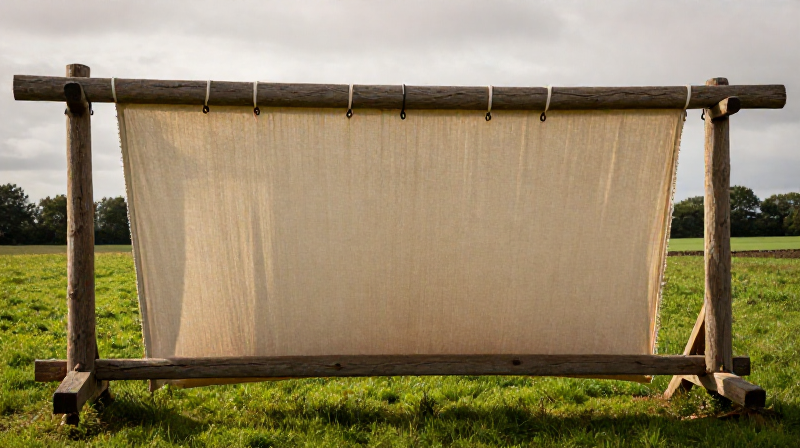

Tentering Cloth on a Frame — Stretching Fulled Wool to Set Width and Grain
Tentering is the critical finishing step between fulling and napping that transforms shapeless, shrunken fulled wool into cloth of uniform width and straight grain. The wet fulled fabric is hooked onto rows of L-shaped iron hooks — tenterhooks — driven into the rails of a large outdoor wooden frame, then stretched to its proper dimensions and left to dry in the open air. Without tentering, fulled cloth dries unevenly, shrinks to unpredictable widths, and develops a skewed grain that makes cutting and tailoring impossible. The process was so central to the medieval wool trade that every cloth town maintained communal tentergrounds, and the phrase "on tenterhooks" — meaning in a state of anxious suspense — entered the English language from this very practice. This blueprint covers the complete tentering process using a traditional two-rail tenter frame.
Ìlànà
Inspect the fulled cloth
Inspect the fulled cloth
Àwọn ohun èlò fún ìgbésẹ̀ yìí:
 Aṣọ irun àgùntàn tí a fẹlẹ̀1 ẹyọ
Rinse the cloth clean
Rinse the cloth clean
Àwọn ohun èlò fún ìgbésẹ̀ yìí:
 Omi Àyọ́20 lítà
Àwọn irinṣẹ́ tí a nílò:
 Àwo ìfọṣọ
Measure the target width
Measure the target width
Àwọn irinṣẹ́ tí a nílò:
 Okùn Ìdíwọ̀n
Position the tenter frame
Position the tenter frame
Àwọn irinṣẹ́ tí a nílò:
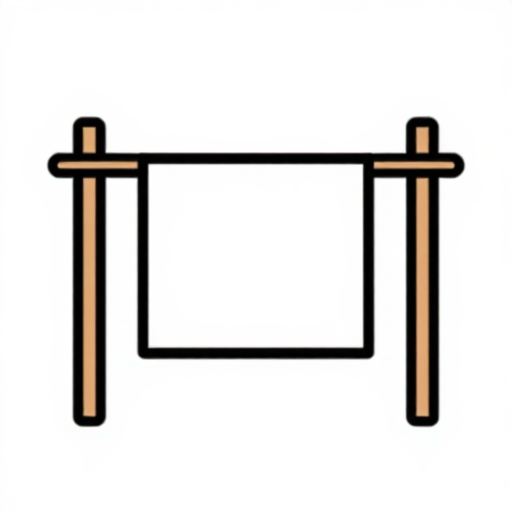 Férémù ìnà aṣọ
Check the tenterhooks
Check the tenterhooks
Àwọn irinṣẹ́ tí a nílò:
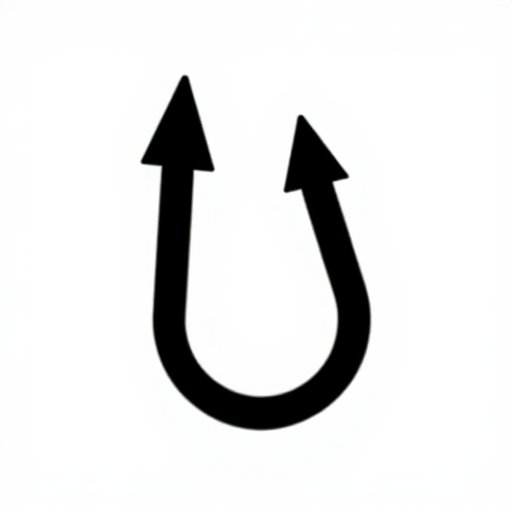 Àwọn ìkọ́ ìnà
Hook the upper selvedge
Hook the upper selvedge
Stretch and hook the lower selvedge
Stretch and hook the lower selvedge
Even the tension across the cloth
Even the tension across the cloth
Smooth the surface by hand
Smooth the surface by hand
Stretch the length if needed
Stretch the length if needed
Leave to dry in the air
Leave to dry in the air
Check tension during drying
Check tension during drying
Test for dryness
Test for dryness
Unhook the lower rail
Unhook the lower rail
Unhook the upper rail
Unhook the upper rail
Measure the finished width
Measure the finished width
Àwọn irinṣẹ́ tí a nílò:
Okùn Ìdíwọ̀nCheck the grain
Check the grain
Fold and store the tentered cloth
Fold and store the tentered cloth
Àwọn irinṣẹ́ tó nílò
4- Àyè
- 1 vendor sell this, none ship to you yetÀyè
Àwọn Ohun Èlò Ìtọ́nisọ́nà Tí A So Pọ̀
Blueprint tó jọra
Àwọn blueprint wọ̀nyí pín ìmọ̀ — ọ̀nà, ohun-èlò tàbí ìlànà
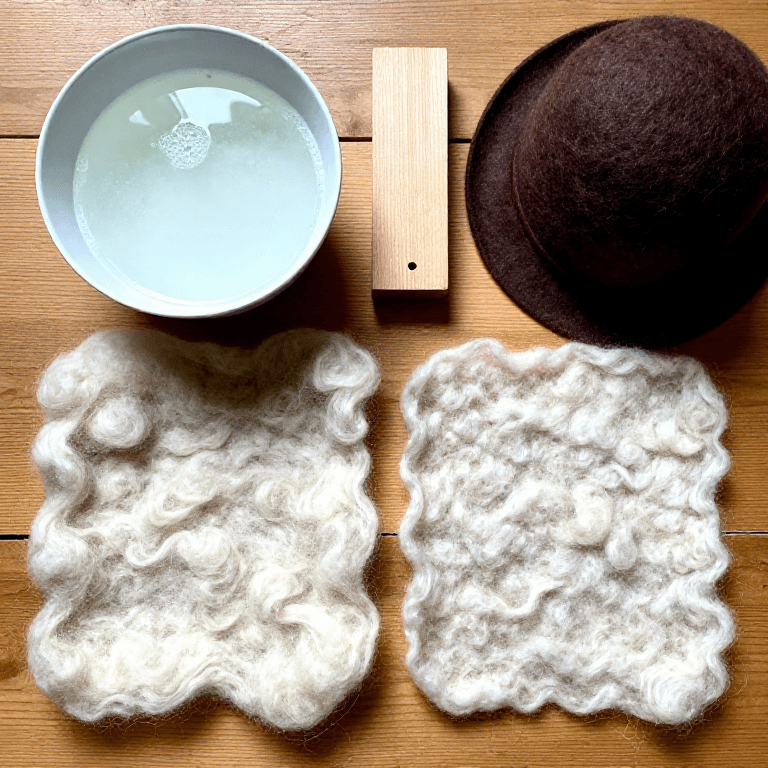
Fulling Wool Felt for Hats — Medieval Felting
láti ọwọ́ Tex
Aṣọ àti Awọ
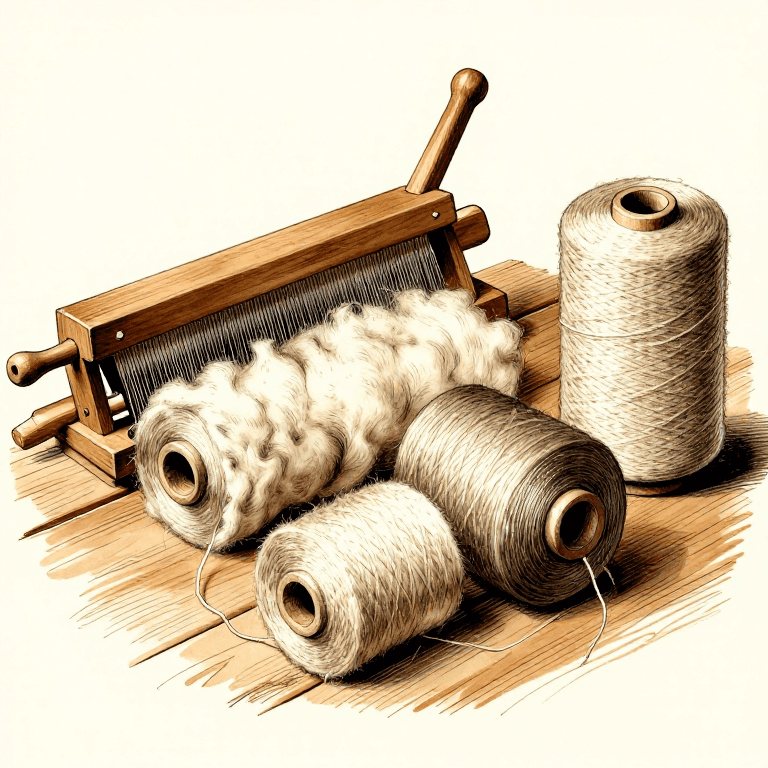
Carding and Combing Raw Wool for Spinning — Preparing Fleece for the Drop Spindle
láti ọwọ́ Tex
Ìgbà Àtijọ́
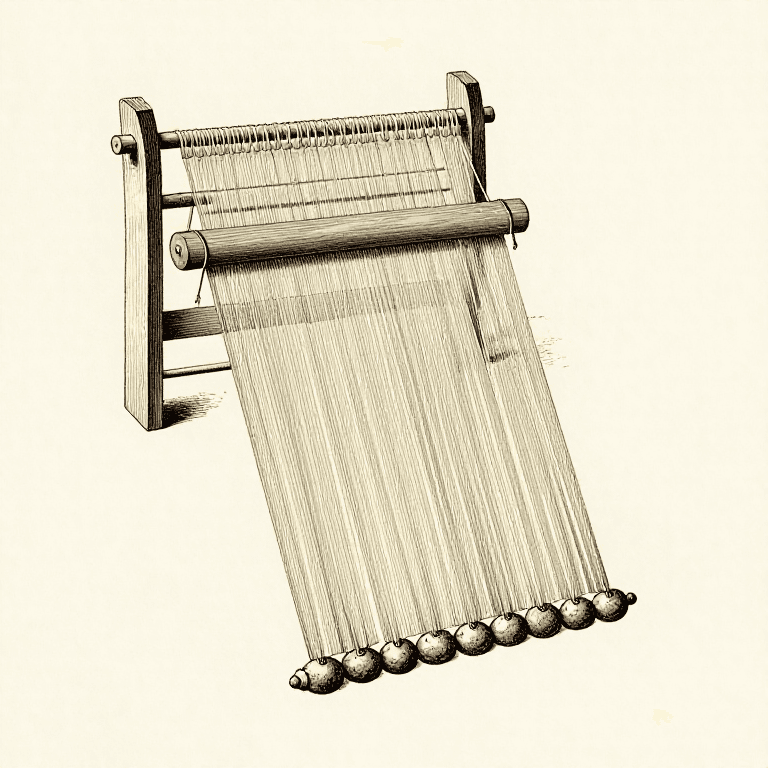
Setting Up a Warp-Weighted Loom — Vertical Loom Weaving
láti ọwọ́ Tex
Aṣọ àti Awọ
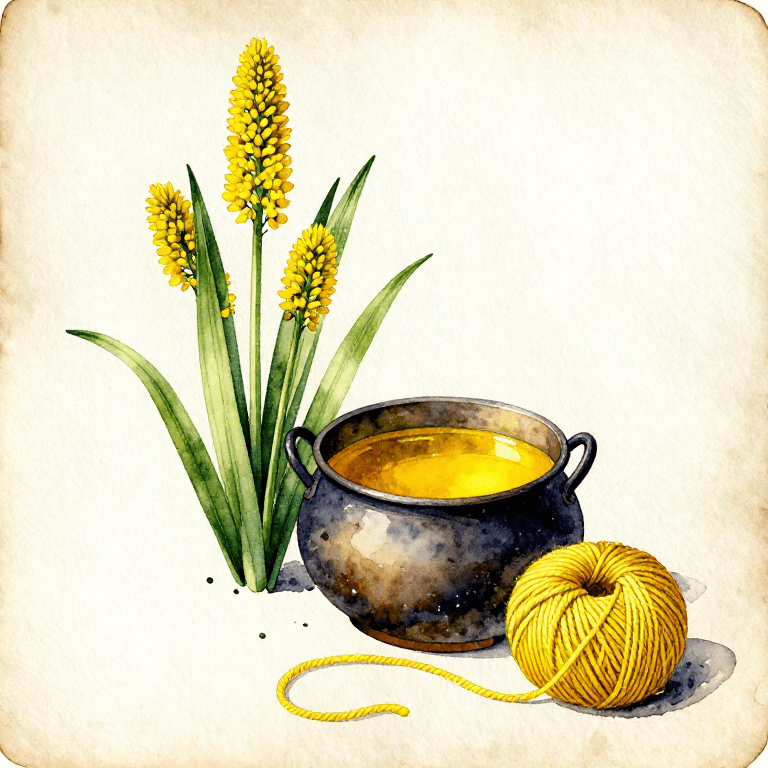
Dyeing Yellow with Weld — The Best Lightfast Plant Yellow in History
láti ọwọ́ Tex
Aṣọ àti Awọ
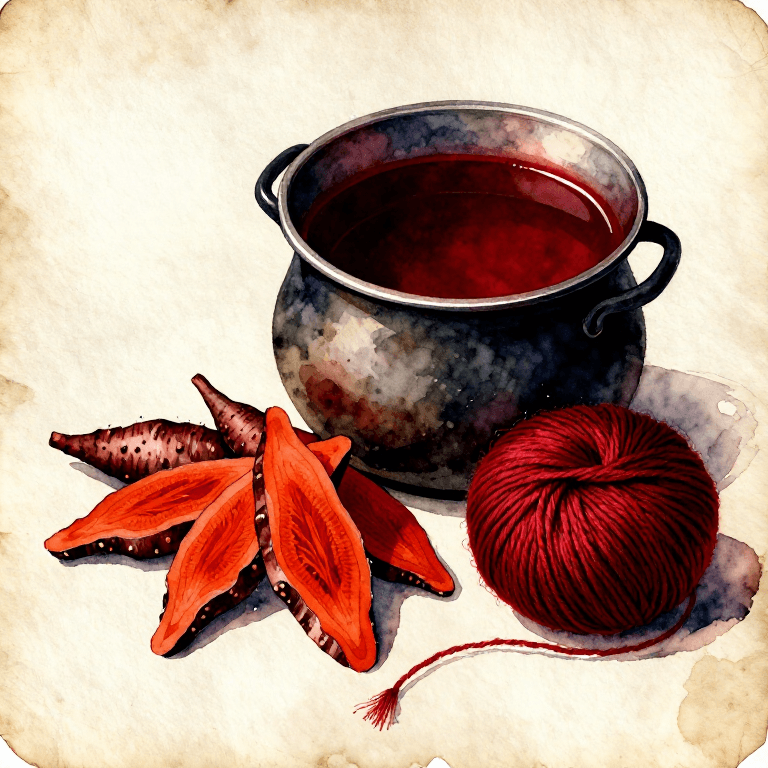
Dyeing Turkey Red with Madder — The Most Important Red Dye in Human History
láti ọwọ́ Tex
Aṣọ àti Awọ
CC0 Àgbègbè Gbogbogbò
Blueprint yìí ti jáde lábẹ́ CC0. O lè ṣe àdàkọ, yí padà, pín, àti lò láìsí ìyọ̀ǹda.
Ṣàtìlẹ́yìn Olùṣẹ́dá nípa rírà àwọn ọjà nipasẹ̀ Blueprint wọn Ẹ̀san Olùṣẹ́dá tí àwọn Olùtajà gbé kalẹ̀, tàbí ṣẹ̀dá àtúnṣe tuntun ti Blueprint yìí kí o sì fi sínú Blueprint rẹ gẹ́gẹ́ bí ìsopọ̀ láti pín owó-wíwọlé.