IṢẸ́ ỌNÀ
ẸWÀ ÀTI ÌLERA
IṢẸ́ ỌWỌ́
ÀṢÀ ÀTI ÌTÀN
ÌṢERÉ
ÀYÍKÁ
OÚNJẸ ÀTI OHUN MÍMU
REVERSE ENGINEERING
SÁYẸ́ǸSÌ
ERÉ ÌDÁRAYÁ
ÌMỌ̀-Ẹ̀RỌ
ÀWỌN OHUN WÍWỌ̀

Kidney, Urine and Worm Remedies of the Missouri River Tribes: Black Currant Root, Sumac Root, and a Four-night Four-o'clock and Echinacea Vermifuge (Gilmore, 1919)
Remedies Melvin Gilmore recorded on the Missouri: a strong black currant root decoction for kidney trouble and sumac root for painful or stopped urine (Omaha), and a Teton Dakota worm medicine of four-o'clock and echinacea roots boiled together, drunk four nights at bedtime. Recorded use, not medical advice.
Olùbẹ̀rẹ̀
Four nights
Ìlànà
1
1
Read Gilmore
Read Gilmore
Kidney, urine and worm remedies from Gilmore's list of plants, credited to the tribes he names. Recorded use, not medical advice: being unable to pass urine is an emergency; worms need a doctor's diagnosis (ours).
2
2
Black currant root
Black currant root
Omaha: make "a strong decoction of the root" and drink it "as a remedy for kidney trouble."
Àwọn ohun èlò fún ìgbésẹ̀ yìí:
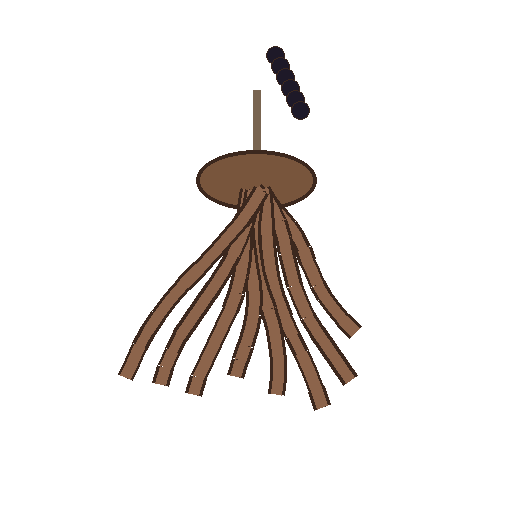 Wild Black Currant Root1 ẹyọ
 Omi1 ẹyọ
Àwọn irinṣẹ́ tí a nílò:
 Ọ̀pá ìwalẹ̀
 Ọ̀bẹ
 Ìkòkò amọ̀
 Ihò iná
 Aṣọ wàrà-dídì
3
3
Sumac root
Sumac root
Omaha (White Horse): a decoction of the root "was used to drink in case of retention of urine and when urination was painful."
Àwọn ohun èlò fún ìgbésẹ̀ yìí:
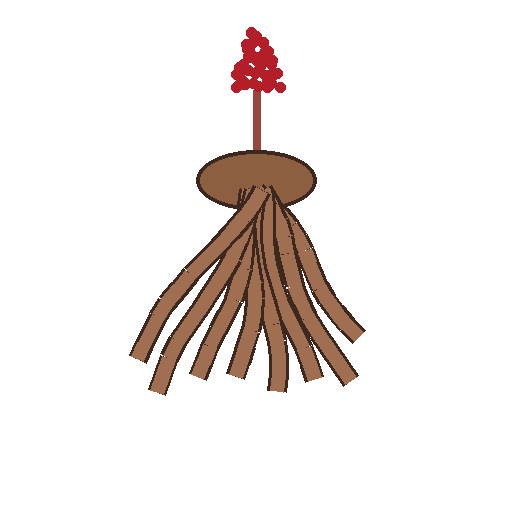 Smooth Sumac Root1 ẹyọOmi1 ẹyọ
Àwọn irinṣẹ́ tí a nílò:
Ọ̀pá ìwalẹ̀Ọ̀bẹÌkòkò amọ̀Ihò ináAṣọ wàrà-dídì4
4
Four-night worm medicine
Four-night worm medicine
Teton Dakota: boil four-o'clock root together with echinacea roots. Drink it "four nights at bedtime, after which, at the next evacuation, the worms would be voided." Fast Horse (Oglala): "If one has a big worm [tape worm?], it comes away, too."
Àwọn ohun èlò fún ìgbésẹ̀ yìí:
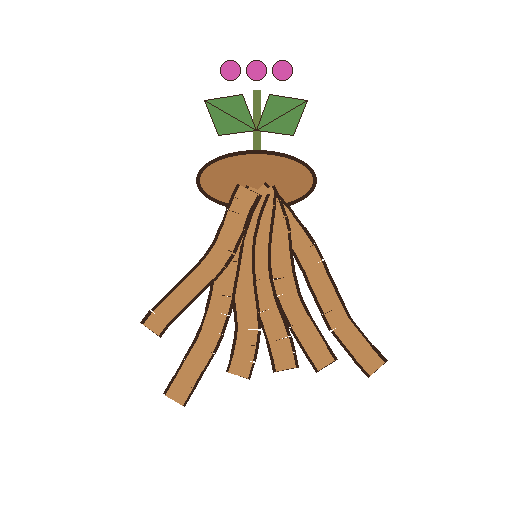 Umbrella-Plant Root1 ẹyọ
 Narrow-leaved Purple Coneflower Root1 ẹyọOmi1 ẹyọ
Àwọn irinṣẹ́ tí a nílò:
Ọ̀pá ìwalẹ̀Ọ̀bẹÌkòkò amọ̀Ihò ináAṣọ wàrà-dídì5
5
Troubleshooting
Troubleshooting
Safety.
Flow
Loading...
6
6
History and honest limits
History and honest limits
From Melvin R. Gilmore, *Uses of Plants by the Indians of the Missouri River Region*, **33rd Annual Report of the Bureau of American Ethnology** (1919), pp. 78, 84 and 100 (checked on the archive.org scan usesofplantsbyin00gilm). Gilmore wrote down what Omaha, Ponca, Pawnee, Dakota, Winnebago and Oto people told him; each remedy is credited to the tribe he names. Left out: a Winnebago use of black currant root for women's complaints. Safety lines are ours. Recorded use, not medical advice.
Àwọn ohun-èlò
5- Àyè
- 3 ẹyọÀyè
- 1 ẹyọÀyè
- 1 ẹyọÀyè
Ìtọ́nisọ́nà yìí ń ṣe
Blueprint tó jọra
Àwọn blueprint wọ̀nyí pín ìmọ̀ — ọ̀nà, ohun-èlò tàbí ìlànà
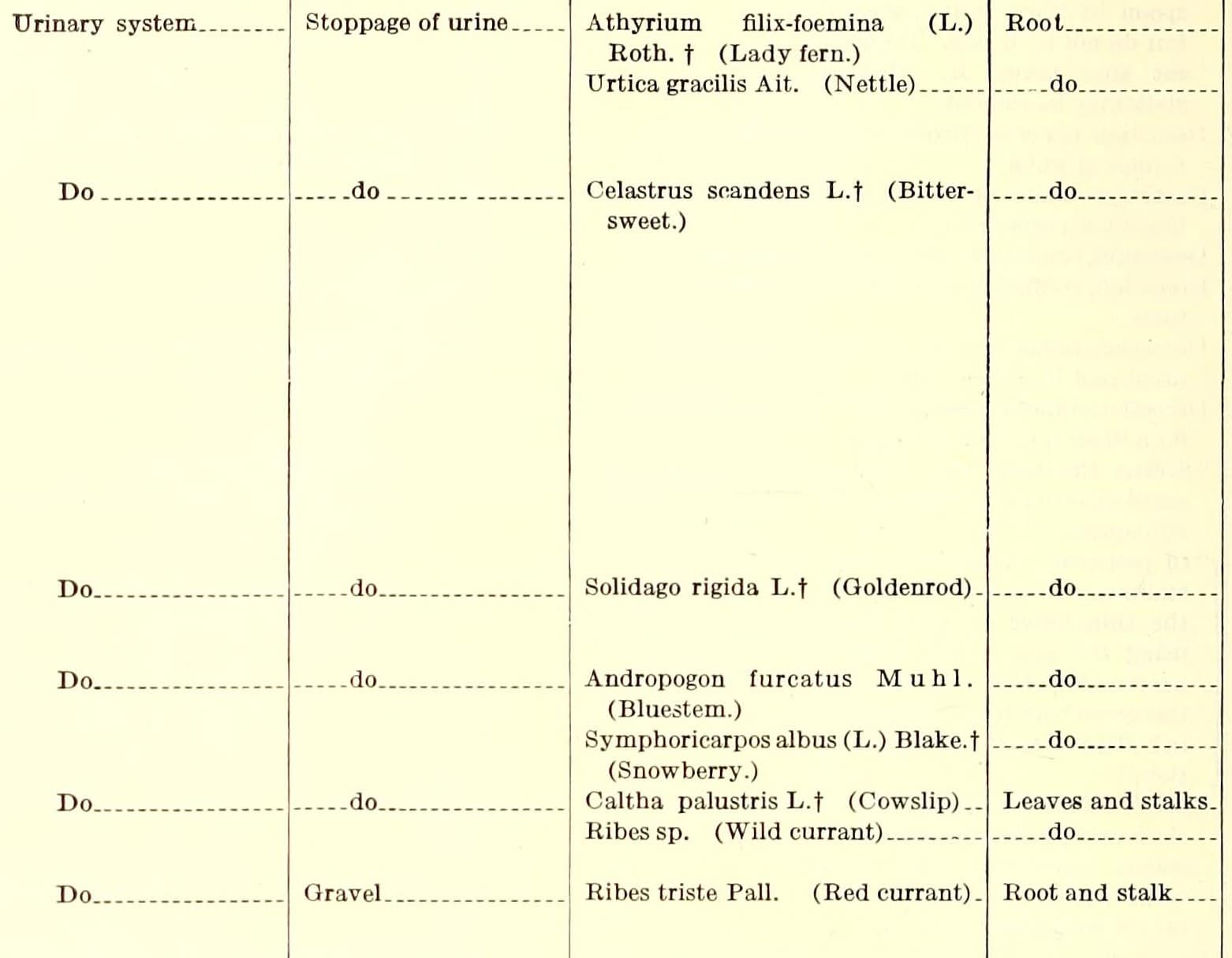
Chippewa Remedies for Kidney Trouble, Stoppage of Urine and Gravel: Bear Root, Hop Hornbeam, the Winabojo Lady Fern and Nettle, Goldenrod, Red Currant (Densmore, 1928)
láti ọwọ́ Bob
Ìṣègùn
6
0
0
0
0
0

Chippewa Worm Remedies: Wild Plum with Wild Cherry Root, and Horsemint (Densmore, 1928)
láti ọwọ́ Bob
Ìṣègùn
4
0
0
0
0
0
CC0 Àgbègbè Gbogbogbò
Blueprint yìí ti jáde lábẹ́ CC0. O lè ṣe àdàkọ, yí padà, pín, àti lò láìsí ìyọ̀ǹda.
Ṣàtìlẹ́yìn Olùṣẹ́dá nípa rírà àwọn ọjà nipasẹ̀ Blueprint wọn Ẹ̀san Olùṣẹ́dá tí àwọn Olùtajà gbé kalẹ̀, tàbí ṣẹ̀dá àtúnṣe tuntun ti Blueprint yìí kí o sì fi sínú Blueprint rẹ gẹ́gẹ́ bí ìsopọ̀ láti pín owó-wíwọlé.