IṢẸ́ ỌNÀ
ẸWÀ ÀTI ÌLERA
IṢẸ́ ỌWỌ́
ÀṢÀ ÀTI ÌTÀN
ÌṢERÉ
ÀYÍKÁ
OÚNJẸ ÀTI OHUN MÍMU
REVERSE ENGINEERING
SÁYẸ́ǸSÌ
ERÉ ÌDÁRAYÁ
ÌMỌ̀-Ẹ̀RỌ
ÀWỌN OHUN WÍWỌ̀

Wound Remedies of the Missouri River Tribes: Puffball Styptic, Chewed Hop Root and Four-o'clock, Butterfly Weed, Prickly Pear Dressing, Aniseroot Poultice (Gilmore, 1919)
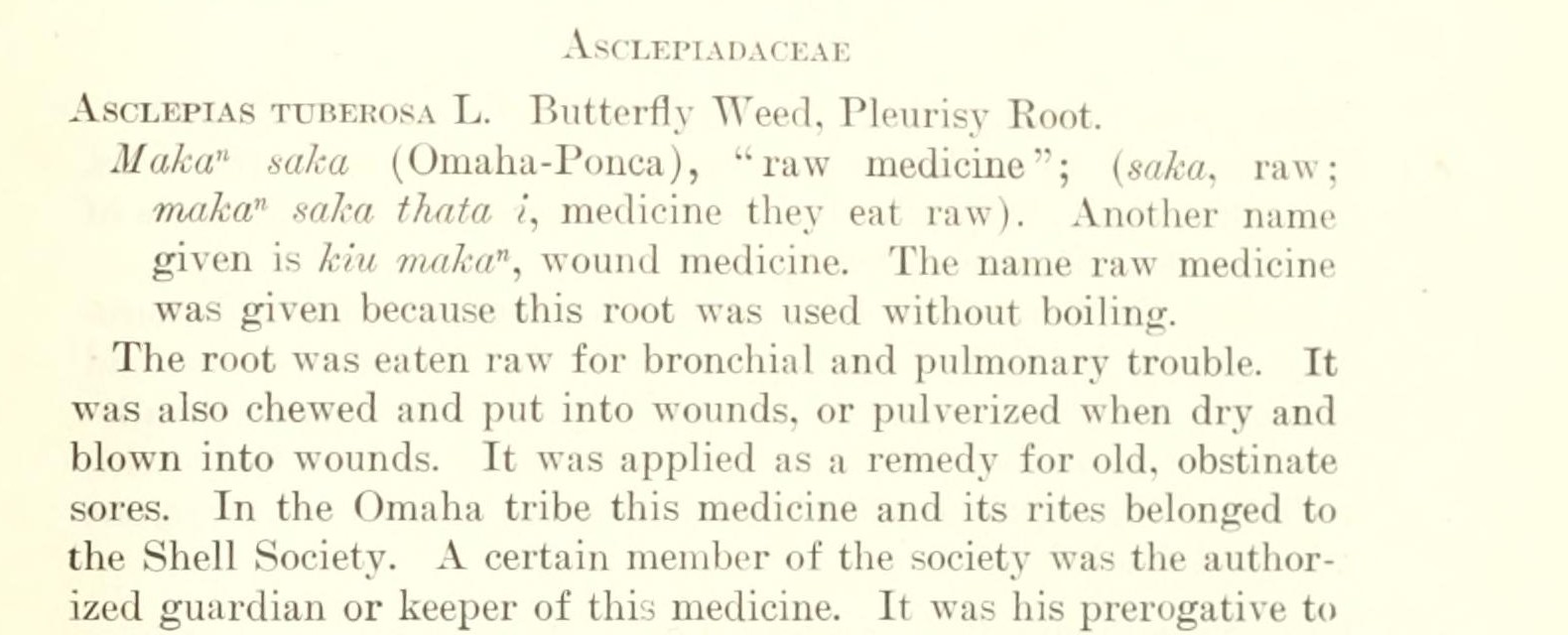
Wound remedies Melvin Gilmore recorded on the Missouri: puffballs kept to stop bleeding (Dakota, Pawnee, Ponca, Omaha), the chewed deep root of wild hops, four-o'clock root chewed and blown into wounds (Ponca), red false mallow salve (Dakota), peeled prickly pear stems bound on as a dressing, an aniseroot poultice (Winnebago) and the Omaha Shell Society's butterfly weed root. Recorded use, not medical advice.
Olùbẹ̀rẹ̀
An hour
Ìlànà
1
1
Read Gilmore
Read Gilmore
Wound remedies from Gilmore's list of plants, credited to the tribes he names. Recorded use, not medical advice: deep, dirty or bleeding wounds need a doctor and a tetanus check (ours).
2
2
Puffball to stop bleeding
Puffball to stop bleeding
Gather prairie puffballs and keep them dry; they were used "as a styptic for any wounds" by the Dakota, Ponca and Omaha. The Pawnee name, "old", is for the ripe stage used as a styptic. They were also put on the navel of newborn babies (history only, ours: never on a baby's navel).
Àwọn ohun èlò fún ìgbésẹ̀ yìí:
 Puffball1 ẹyọ
Àwọn irinṣẹ́ tí a nílò:
 Àpò Awọ Kékeré
3
3
Chewed roots
Chewed roots
Wild hops: the part of the root 3 or 4 feet (0.9-1.2 m) down, called "sweet medicine", "was chewed and applied to wounds". Ponca: four-o'clock root was "chewed and blown into" wounds. Dakota: red false mallow was chewed and put on inflamed sores and wounds "as a cooling and healing salve."
Àwọn ohun èlò fún ìgbésẹ̀ yìí:
 Wild Hop Root1 ẹyọ
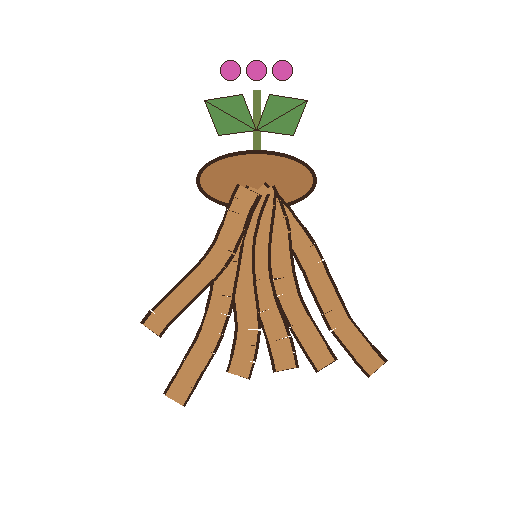 Umbrella-Plant Root1 ẹyọ
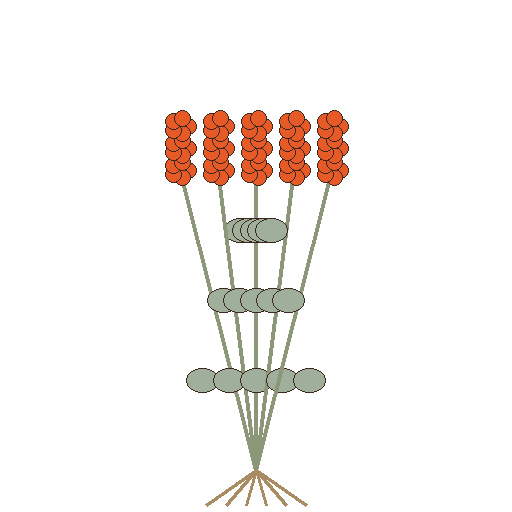 Red False Mallow Plant1 ẹyọ
Àwọn irinṣẹ́ tí a nílò:
 Ọ̀pá ìwalẹ̀
 Ọ̀bẹ
4
4
Prickly pear dressing
Prickly pear dressing
Peel the stems; because of their slimy juice "the peeled stems were bound on wounds as a dressing."
Àwọn ohun èlò fún ìgbésẹ̀ yìí:
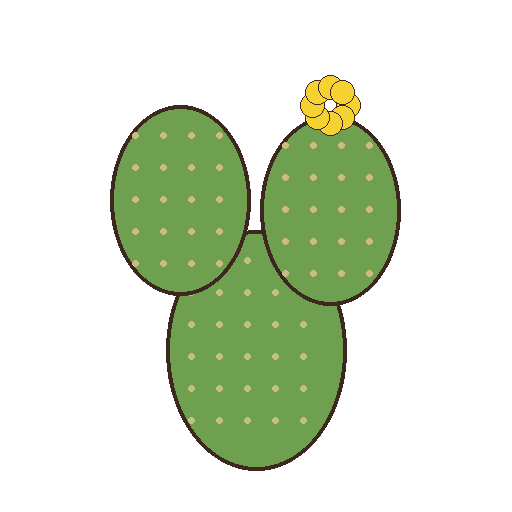 Prickly Pear Stems1 ẹyọ
Àwọn irinṣẹ́ tí a nílò:
Ọ̀bẹ Okùn
5
5
Aniseroot poultice
Aniseroot poultice
Winnebago: pound the roots to make a poultice for wounds (the Omaha put it on boils).
Àwọn ohun èlò fún ìgbésẹ̀ yìí:
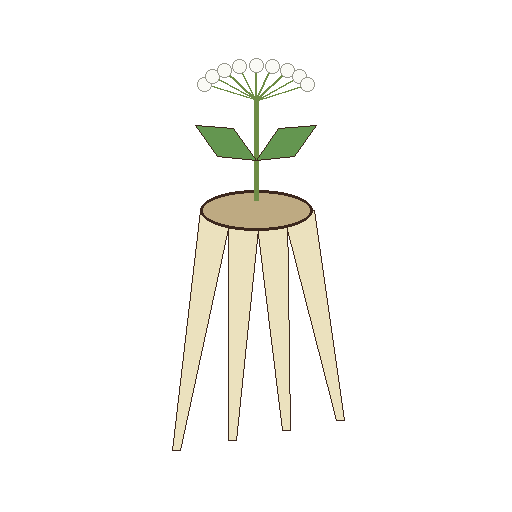 Aniseroot1 ẹyọ
 Omi1 ẹyọ
Àwọn irinṣẹ́ tí a nílò:
Ọ̀pá ìwalẹ̀ Odó àti Ọmọ Odó Òkúta
6
6
Butterfly weed: wound medicine
Butterfly weed: wound medicine
Omaha-Ponca "raw medicine" or "wound medicine": the root "was also chewed and put into wounds, or pulverized when dry and blown into wounds", and used for old, obstinate sores. Among the Omaha it belonged to the Shell Society, whose keeper dug and gave it out with four days of ceremony.
Àwọn ohun èlò fún ìgbésẹ̀ yìí:
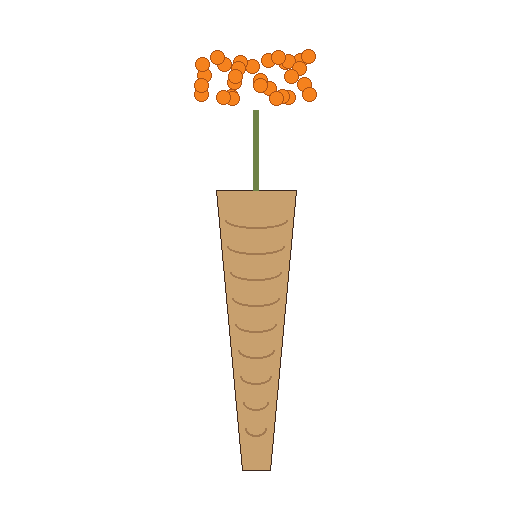 Butterfly Weed Root1 ẹyọ
Àwọn irinṣẹ́ tí a nílò:
Ọ̀pá ìwalẹ̀Odó àti Ọmọ Odó ÒkútaÀpò Awọ Kékeré7
7
Troubleshooting
Troubleshooting
Wound safety.
Flow
Loading...
8
8
History and honest limits
History and honest limits
From Melvin R. Gilmore, *Uses of Plants by the Indians of the Missouri River Region*, **33rd Annual Report of the Bureau of American Ethnology** (1919), pp. 62, 77, 78, 82, 103, 104, 107, 109 and 113 (checked on the archive.org scan usesofplantsbyin00gilm). Gilmore wrote down what Omaha, Ponca, Pawnee, Dakota, Winnebago and Oto people told him; each remedy is credited to the tribe he names. Gilmore also names anemone root ("little buffalo medicine", used for wounds by those of the Omaha Te-sinde gens who had the right) and prairie ground cherry root as wound dressings, but gives no preparation; anemone is an irritant. Left out: eating butterfly weed root raw for the lungs (milkweeds hold heart poisons). Safety lines are ours. Recorded use, not medical advice.
Àwọn ohun-èlò
8- 1 ẹyọÀyè
- 1 ẹyọÀyè
- 1 ẹyọÀyè
- Àyè
- 1 ẹyọÀyè
- 1 ẹyọÀyè
- 1 ẹyọÀyè
- 1 ẹyọÀyè
Ìtọ́nisọ́nà yìí ń ṣe
Blueprint tó jọra
Àwọn blueprint wọ̀nyí pín ìmọ̀ — ọ̀nà, ohun-èlò tàbí ìlànà
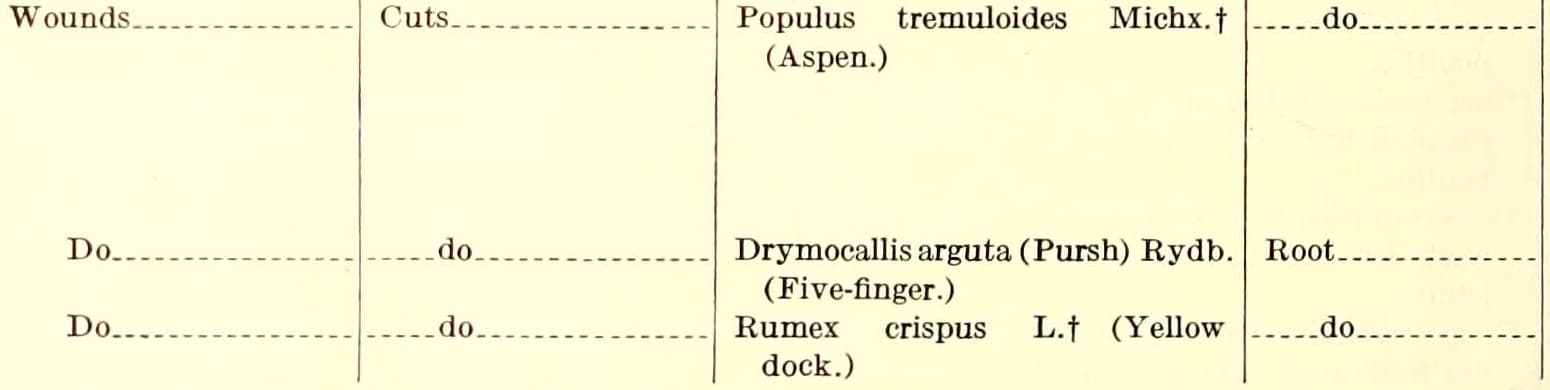
Chippewa Remedies for Cuts: Chewed Aspen Bark on a Closed Cut, Five-Finger and Yellow Dock Root (Densmore, 1928)
láti ọwọ́ Bob
Ìṣègùn
6
0
0
0
0
0
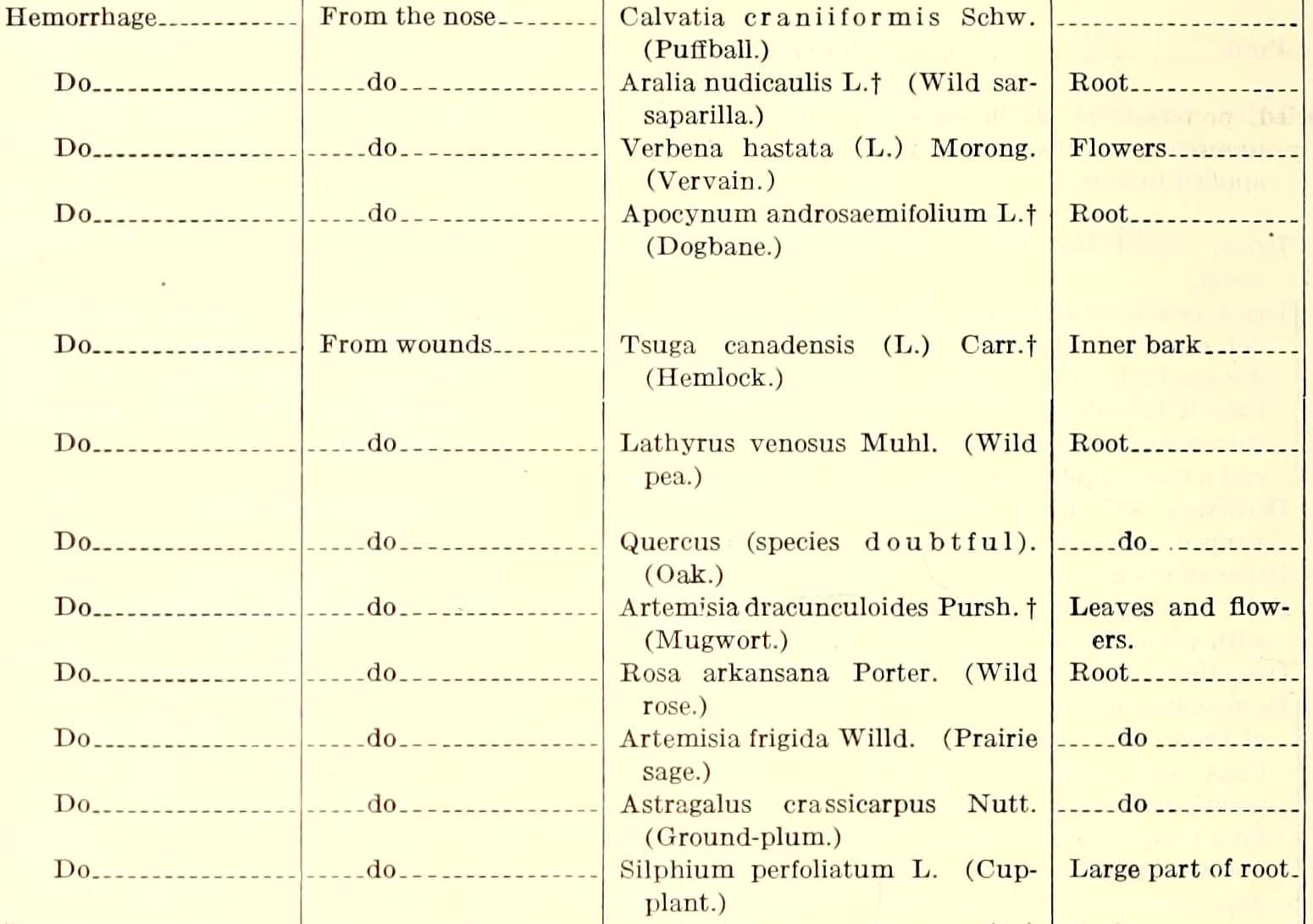
Chippewa Remedies to Stop Bleeding from the Nose and from Wounds: Puffball, Sarsaparilla, Vervain, Hemlock Bark, Wild Pea, Oak, Mugwort, Cup Plant (Densmore, 1928)
láti ọwọ́ Bob
Ìṣègùn
9
0
0
0
0
0
CC0 Àgbègbè Gbogbogbò
Blueprint yìí ti jáde lábẹ́ CC0. O lè ṣe àdàkọ, yí padà, pín, àti lò láìsí ìyọ̀ǹda.
Ṣàtìlẹ́yìn Olùṣẹ́dá nípa rírà àwọn ọjà nipasẹ̀ Blueprint wọn Ẹ̀san Olùṣẹ́dá tí àwọn Olùtajà gbé kalẹ̀, tàbí ṣẹ̀dá àtúnṣe tuntun ti Blueprint yìí kí o sì fi sínú Blueprint rẹ gẹ́gẹ́ bí ìsopọ̀ láti pín owó-wíwọlé.