IṢẸ́ ỌNÀ
ẸWÀ ÀTI ÌLERA
IṢẸ́ ỌWỌ́
ÀṢÀ ÀTI ÌTÀN
ÌṢERÉ
ÀYÍKÁ
OÚNJẸ ÀTI OHUN MÍMU
REVERSE ENGINEERING
SÁYẸ́ǸSÌ
ERÉ ÌDÁRAYÁ
ÌMỌ̀-Ẹ̀RỌ
ÀWỌN OHUN WÍWỌ̀
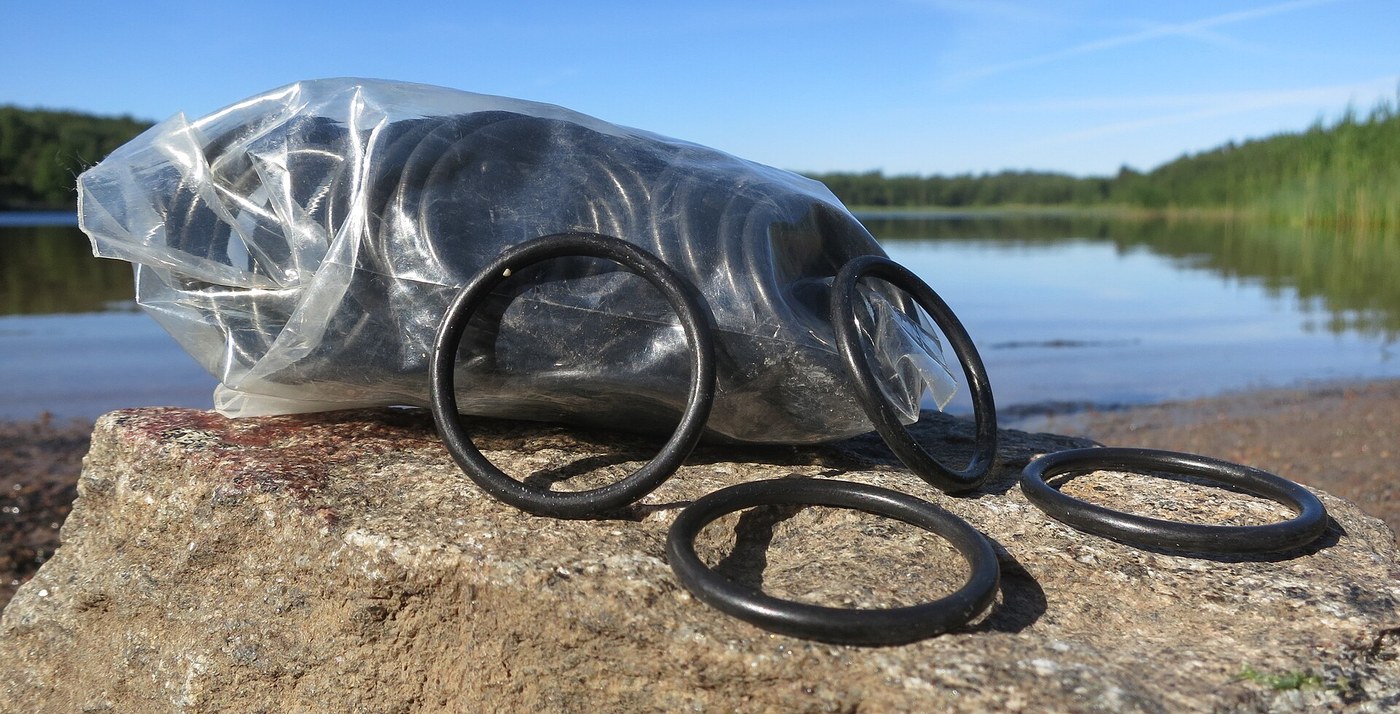


Nitrile Rubber (Buna-N)
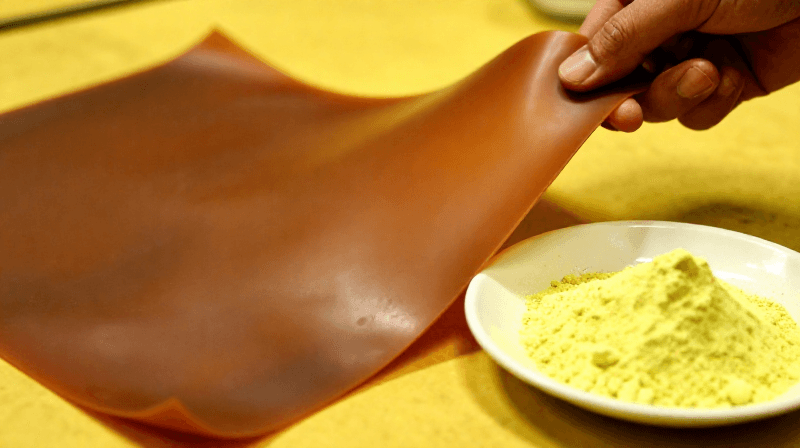
At IG Farben in 1930 Erich Konrad and Eduard Tschunkur copolymerised butadiene with acrylonitrile. The nitrile group makes the chain polar, so oil and petrol - which are not - stay out. Sold as Buna N, nitrile rubber became the standard material for oil seals, fuel hoses and, much later, disposable gloves.
**US 1,973,000**, "Rubber like masses from butadiene hydrocarbons and polymerizable nitriles", Konrad and Tschunkur, assigned to IG Farbenindustrie, filed 20. April 1931, granted 11. September 1934. It requires the butadiene to be more than about 60 % by weight of the mix.
**You build the part nitrile made universal: an O-ring seal.** Turn two plugs with sized grooves, close a clear pipe with them, and leave it under water overnight.
Àárín
3 hours plus an overnight soak
Ìlànà
1
1
The plug
The plug
One turned acetal plug: a flange that stops against the pipe end, a spigot that fits the bore, and a groove carrying the O-ring.
2
2
Measure and choose
Measure and choose
Cut 150 mm of clear PVC pipe and deburr both ends. Measure the bore at three angles and average. Pick a nitrile O-ring about 3 mm thick whose inside diameter is a little under bore minus 5 mm.
Àwọn ohun èlò fún ìgbésẹ̀ yìí:
 Páìpù PVC Tí Ó Mọ́lẹ̀1 ẹyọ
 Àkójọpọ̀ Òrùka O1 ohun èlò
Àwọn irinṣẹ́ tí a nílò:
 Ayùn Irin
 Bébà Ìfá
 Òṣùwọ̀n Kálípà Díjítà Ìnṣì 6
3
3
Size the groove
Size the groove
Ń ṣí ìwé Jupyter…
4
4
Turn the spigot
Turn the spigot
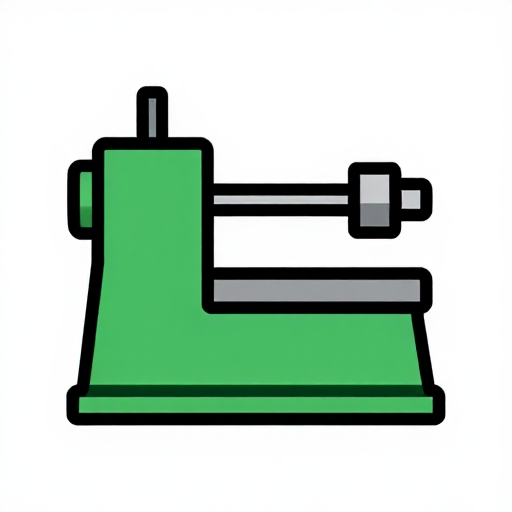
Chuck acetal rod. Face it. Turn 12 mm of length to the bore minus 0.1 mm, leaving a 5 mm flange at full pipe outside diameter behind it.
Àwọn ohun èlò fún ìgbésẹ̀ yìí:
 Ọ̀pá Delrin/acetal1 ẹyọ
Àwọn irinṣẹ́ tí a nílò:
 Ẹ̀rọ Ìyí Irin
 Àpò ohun èlò lathe (HSS)Òṣùwọ̀n Kálípà Díjítà Ìnṣì 6
 Gílásì Ààbò Tí Ó Mọ́
5
5
Cut the groove
Cut the groove
3 mm from the spigot's end, plunge the parting tool to the root diameter from the notebook, then widen to 4.0 mm. Check the root with the caliper. Break the sharp edges.
Àwọn irinṣẹ́ tí a nílò:
 Ọ̀bẹ ìgékúrò lórí ẹ̀rọ ìyíẸ̀rọ Ìyí IrinÒṣùwọ̀n Kálípà Díjítà Ìnṣì 6
6
6
Part off, make the second
Part off, make the second
Part off behind the flange. Make a second identical plug.
Àwọn ohun èlò fún ìgbésẹ̀ yìí:
Ọ̀pá Delrin/acetal1 ẹyọÀwọn irinṣẹ́ tí a nílò:
Ọ̀bẹ ìgékúrò lórí ẹ̀rọ ìyíẸ̀rọ Ìyí Irin7
7
Grease and fit
Grease and fit
Wipe a thin film of petroleum jelly on each O-ring and roll it into its groove without twisting. Put a folded dry paper towel in the pipe and press both plugs home.
Àwọn ohun èlò fún ìgbésẹ̀ yìí:
 Vaseline2 g
 Bébà ìnukàn1 ewé
8
8
Overnight under water
Overnight under water
Weigh the capsule down in a bucket of water for 12 hours. Dry it outside, open it, and check the towel. Any damp spot shows which end leaked.
Àwọn irinṣẹ́ tí a nílò:
 Bàkẹ́ẹ̀tì
9
9
History & Context
History & Context
**What the patent specifies:** a butadiene hydrocarbon (over about 60 % by weight) polymerised with a polymerisable nitrile, by heating or in emulsion. **Modern build (derived):** commercial NBR O-rings in an acetal gland.
Wartime Germany needed a rubber that fuel could not ruin, and nitrile answered it. More nitrile in the chain means more oil resistance and less flexibility in the cold. Its limits: ozone and sunlight crack it, and it swells in brake fluid and many solvents.
Àwọn ohun-èlò
5- Àyè
- 1 ohun èlòÀyè
- 1 ẹyọÀyè
- 2 gÀyè
- 1 ewéÀyè
Àwọn irinṣẹ́ tó nílò
8- Àyè
- Àyè
- Àyè
Àwọn fáìlì àpẹrẹ
1Blueprint tó jọra
Àwọn blueprint wọ̀nyí pín ìmọ̀ — ọ̀nà, ohun-èlò tàbí ìlànà


CC0 Àgbègbè Gbogbogbò
Blueprint yìí ti jáde lábẹ́ CC0. O lè ṣe àdàkọ, yí padà, pín, àti lò láìsí ìyọ̀ǹda.
Ṣàtìlẹ́yìn Olùṣẹ́dá nípa rírà àwọn ọjà nipasẹ̀ Blueprint wọn Ẹ̀san Olùṣẹ́dá tí àwọn Olùtajà gbé kalẹ̀, tàbí ṣẹ̀dá àtúnṣe tuntun ti Blueprint yìí kí o sì fi sínú Blueprint rẹ gẹ́gẹ́ bí ìsopọ̀ láti pín owó-wíwọlé.