IṢẸ́ ỌNÀ
ẸWÀ ÀTI ÌLERA
IṢẸ́ ỌWỌ́
ÀṢÀ ÀTI ÌTÀN
ÌṢERÉ
ÀYÍKÁ
OÚNJẸ ÀTI OHUN MÍMU
REVERSE ENGINEERING
SÁYẸ́ǸSÌ
ERÉ ÌDÁRAYÁ
ÌMỌ̀-Ẹ̀RỌ
ÀWỌN OHUN WÍWỌ̀
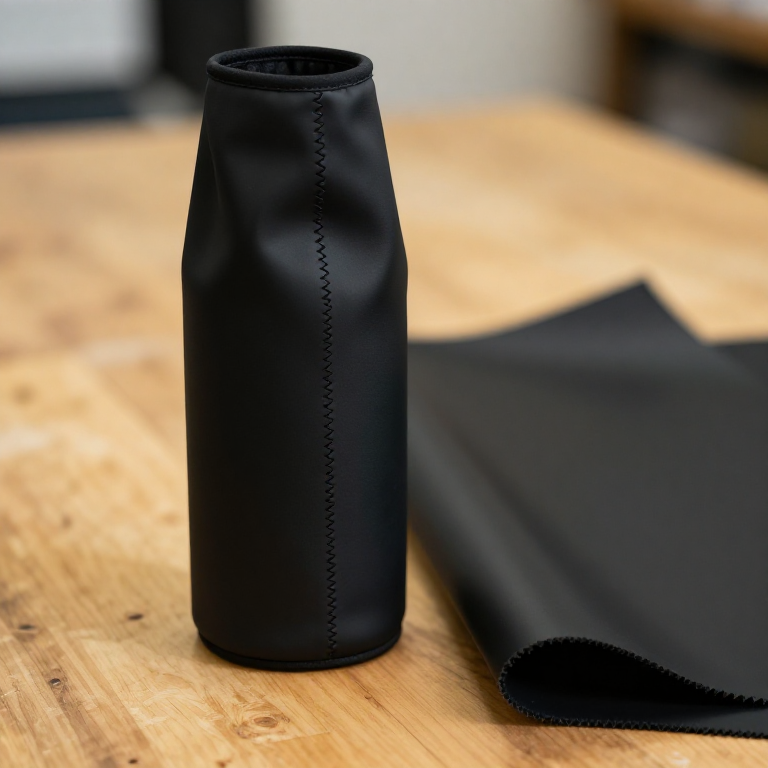


Neoprene
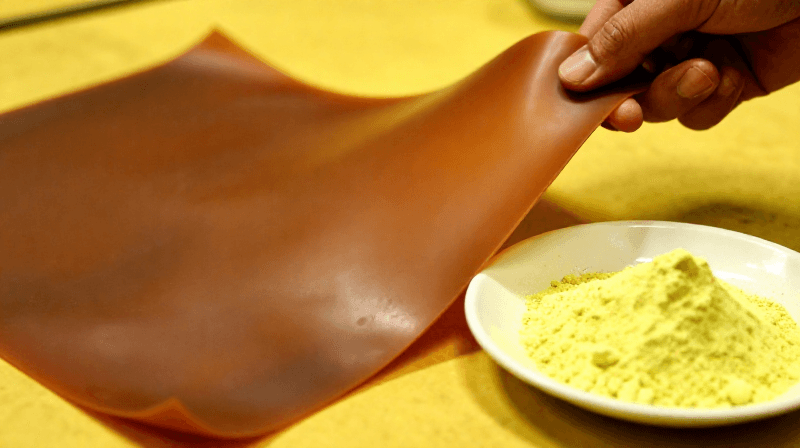
Natural rubber swells and softens in oil and cracks in sunlight. In April 1930 Arnold Collins, working in Wallace Carothers' group at DuPont, isolated chloroprene - a close relative of the isoprene in natural rubber, with one chlorine atom in place of a methyl group - and found that it polymerised by itself into a rubber-like solid. DuPont sold it from 1931 as DuPrene and renamed it neoprene in 1937. It was one of the first commercially successful synthetic rubbers, and its selling point was exactly what natural rubber lacked: resistance to oil, weather and heat.
**No patent number is cited here**: the chemistry is well documented and dated, but no single patent was verified as covering neoprene itself, so none is claimed.
**You make a snug neoprene sleeve with a glued-and-stitched butt seam, then test the claim** - a strip of neoprene and a natural rubber band in mineral oil for a day, measured before and after.
Olùbẹ̀rẹ̀
2 hours plus 24 h soak
Ìlànà
1
1
Size the sleeve
Size the sleeve
Measure the bottle diameter. Run the notebook's sizing cell for the cut width and base disc.
Àwọn irinṣẹ́ tí a nílò:
 Òṣùwọ̀n Kálípà Díjítà Ìnṣì 6
 Ìdíwọ̀n
2
2
Mark the pieces
Mark the pieces
On 3 mm neoprene, chalk a rectangle: cut width x 200 mm tall. Chalk the base disc beside it.
Àwọn ohun èlò fún ìgbésẹ̀ yìí:
 Aṣọ neoprene1 ewé
Àwọn irinṣẹ́ tí a nílò:
 Ẹfun aránṣọÌdíwọ̀n
3
3
Cut
Cut
Cut the rectangle with the rotary cutter against the ruler, one firm pass. Cut the disc with fabric scissors.
Àwọn irinṣẹ́ tí a nílò:
 Ìdì Ọ̀bẹ Onírọ́là àti Pátákó Gígé
 Ìkẹ́rẹ́ aṣọ
4
4
Cement the edges
Cement the edges
Brush a thin coat of contact cement on both 3 mm long edges, using the brush in the can lid. Leave until touch-dry, as the can directs.
Àwọn ohun èlò fún ìgbésẹ̀ yìí:
 Lẹ̀mọ́ Ìfarakanra10 ml
Àwọn irinṣẹ́ tí a nílò:
 Aago Ìdúró
5
5
Butt the seam
Butt the seam
Roll into a tube and press the edges face to face, no overlap. Contact cement grabs on touch - align the top first, then close downward. Clip and leave 10 minutes.
Àwọn irinṣẹ́ tí a nílò:
 Ìdimú ìwé ńlá
6
6
Stitch across the seam
Stitch across the seam
Zigzag across the glued seam, stitch width wide enough to bite both sides. Stretch slightly as you sew so the thread gives with the fabric.
Àwọn ohun èlò fún ìgbésẹ̀ yìí:
 Okùn polyester5 mítà
Àwọn irinṣẹ́ tí a nílò:
 Ẹ̀rọ ìránṣọ
7
7
Close the base
Close the base
Cement the disc rim and the tube's bottom edge, press together, then whip-stitch round by hand.
Àwọn ohun èlò fún ìgbésẹ̀ yìí:
Lẹ̀mọ́ Ìfarakanra5 mlOkùn polyester2 mítàÀwọn irinṣẹ́ tí a nílò:
 Abẹ́rẹ́ ìránṣọ ọwọ́
8
8
Set up the swell test
Set up the swell test
Cut a 50 x 10 mm neoprene offcut. Cut open a rubber band to a 50 mm strip. Measure both. Submerge in mineral oil in a lidded jar for 24 hours.
Àwọn ohun èlò fún ìgbésẹ̀ yìí:
 Òróró òkúta tí ó bá oúnjẹ mu100 ml
 Okùn rọ́bà1 àkópọ̀
Àwọn irinṣẹ́ tí a nílò:
 Ìgò GílásìÒṣùwọ̀n Kálípà Díjítà Ìnṣì 6
9
9
Measure again
Measure again
Blot the strips dry and measure their lengths. Enter all four numbers in the notebook.
Àwọn irinṣẹ́ tí a nílò:
Òṣùwọ̀n Kálípà Díjítà Ìnṣì 610
10
Chlorine, swell and sizing
Chlorine, swell and sizing
Ń ṣí ìwé Jupyter…
11
11
History & Context
History & Context
Neoprene grew out of Julius Nieuwland's acetylene chemistry at Notre Dame, which DuPont licensed; Collins' chloroprene came from that work in Carothers' laboratory, the same group that produced nylon.
Its limits are the other side of its strength: it costs more than natural rubber, is less springy, and stiffens in deep cold. The sheet you used is almost certainly closed-cell neoprene FOAM laminated to nylon jersey - the form wetsuits made familiar - where trapped gas cells add insulation that solid neoprene lacks.
Àwọn ohun-èlò
5- 1 ewéÀyè
- 15 mlÀyè
- 7 mítàÀyè
- Àyè
- 1 àkópọ̀Àyè
Àwọn irinṣẹ́ tó nílò
10- Àyè
- Àyè
- Àyè
- Àyè
- Àyè
- Àyè
Ìtọ́nisọ́nà yìí ń ṣe
Blueprint tó jọra
Àwọn blueprint wọ̀nyí pín ìmọ̀ — ọ̀nà, ohun-èlò tàbí ìlànà


CC0 Àgbègbè Gbogbogbò
Blueprint yìí ti jáde lábẹ́ CC0. O lè ṣe àdàkọ, yí padà, pín, àti lò láìsí ìyọ̀ǹda.
Ṣàtìlẹ́yìn Olùṣẹ́dá nípa rírà àwọn ọjà nipasẹ̀ Blueprint wọn Ẹ̀san Olùṣẹ́dá tí àwọn Olùtajà gbé kalẹ̀, tàbí ṣẹ̀dá àtúnṣe tuntun ti Blueprint yìí kí o sì fi sínú Blueprint rẹ gẹ́gẹ́ bí ìsopọ̀ láti pín owó-wíwọlé.