IṢẸ́ ỌNÀ
ẸWÀ ÀTI ÌLERA
IṢẸ́ ỌWỌ́
ÀṢÀ ÀTI ÌTÀN
ÌṢERÉ
ÀYÍKÁ
OÚNJẸ ÀTI OHUN MÍMU
REVERSE ENGINEERING
SÁYẸ́ǸSÌ
ERÉ ÌDÁRAYÁ
ÌMỌ̀-Ẹ̀RỌ
ÀWỌN OHUN WÍWỌ̀
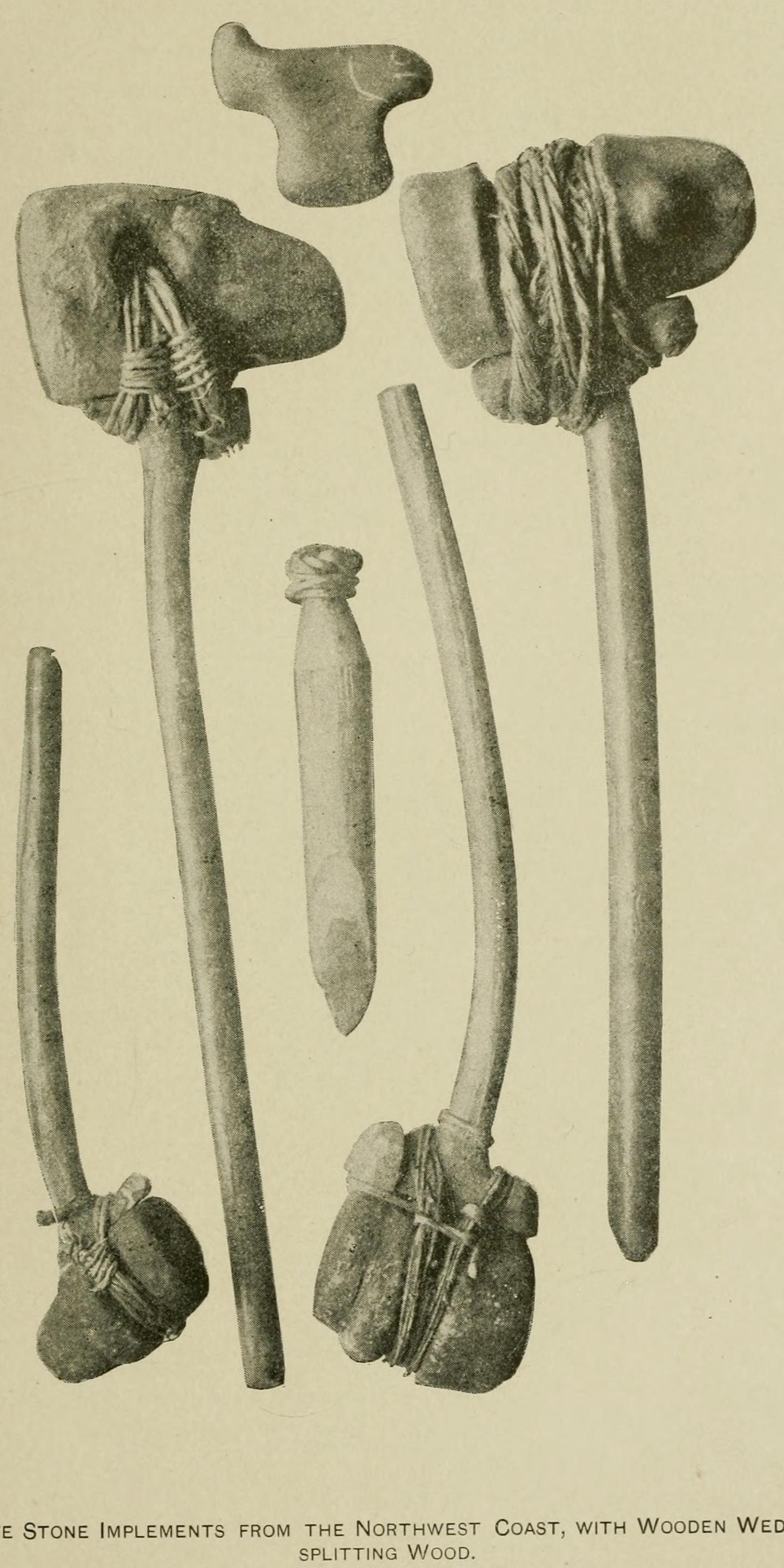

Northwest Coast Splitting Wedge: Spruce or Cedar Body, Head Bound with a Twisted Spruce-Root Grommet (Niblack, 1890)
The wooden wedge used all along the Northwest Coast to split logs into boards, as Albert Niblack recorded it (the specimen is Makah, from Cape Flattery): a tapered body of spruce or cedar, its striking head bound with a grommet of twisted spruce root or tough withes so the stone sledge does not split it.
Olùbẹ̀rẹ̀
An hour or two
Ìlànà
1
1
Read Niblack
Read Niblack
"The heads of the wedges are protected, or prevented from splitting, by a grommet woven from tough withes or from spruce root."
2
2
Shape the body
Shape the body
Split out a piece of spruce or cedar and shave it to a long wedge, thick at the head and thin at the edge (ours: about 30 cm long and 5 cm across the head; Fig. 84 is long and slender).
Àwọn ohun èlò fún ìgbésẹ̀ yìí:
 Ìtì igi spruce (Picea abies)1 ẹyọ
Àwọn irinṣẹ́ tí a nílò:
 Àáké
 Ọ̀bẹ Ìfàsẹ́yìn
 Ọ̀bẹ
3
3
Bind the head
Bind the head
Twist split spruce root (or tough withes) into a tight ring and work it down over the head so it hugs the wood, as in Fig. 84. Ours: put it on damp so it shrinks tight as it dries.
Àwọn ohun èlò fún ìgbésẹ̀ yìí:
 Split Tree Roots1 ẹyọ
 Ọ̀pá willow1 ẹyọ
Àwọn irinṣẹ́ tí a nílò:
Ọ̀bẹ4
4
Use it
Use it
Drive several wedges along a crack with a heavy sledge (theirs had basalt heads lashed to wooden hafts) to split logs into boards and get out timber.
Àwọn irinṣẹ́ tí a nílò:
 Òòlù Igi
5
5
Troubleshooting
Troubleshooting
Wedge troubleshooting.
Flow
Loading...
6
6
History and honest limits
History and honest limits
From Albert P. Niblack, *The Coast Indians of Southern Alaska and Northern British Columbia*, **Report of the U.S. National Museum for 1888** (1890), pp. 281-282 and Plate XXII, Fig. 84 (checked on the archive.org scan coastindiansofso00nibl). Iron wedges were coming in by then. Size, taper and how the grommet is woven are ours.
Àwọn ohun-èlò
3- Àyè
- 1 ẹyọÀyè
- 1 ẹyọÀyè
Ìtọ́nisọ́nà yìí ń ṣe

Blueprint tó jọra
Àwọn blueprint wọ̀nyí pín ìmọ̀ — ọ̀nà, ohun-èlò tàbí ìlànà
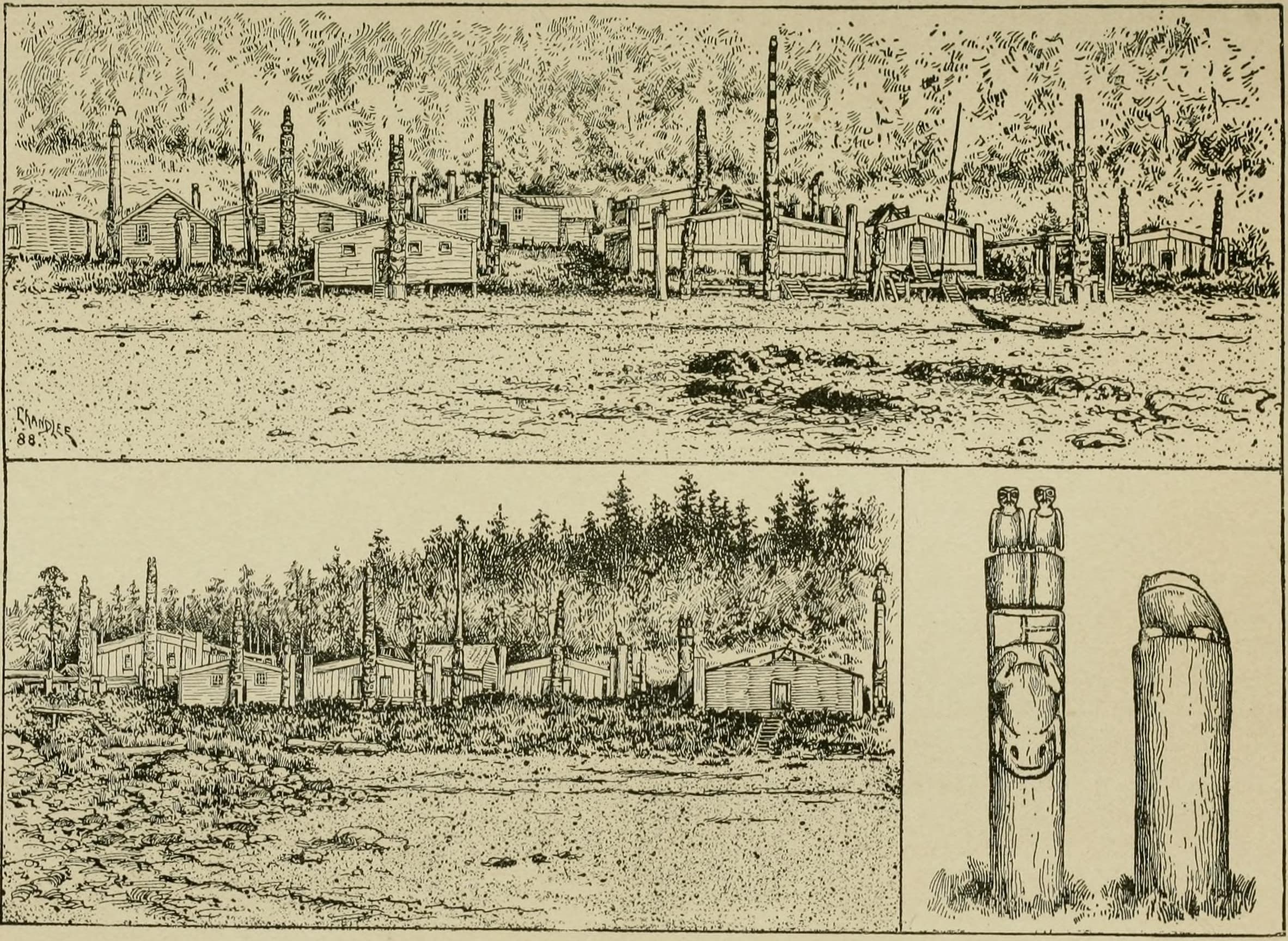
Totem Pole of the Haida, Tlingit and Tsimshian: Cedar Log Adzed, Relief-Carved with Crests, Painted and Raised on Guys (Niblack, 1890)
láti ọwọ́ Woody
Iṣẹ́ Igi
11
0
0
0
0
0
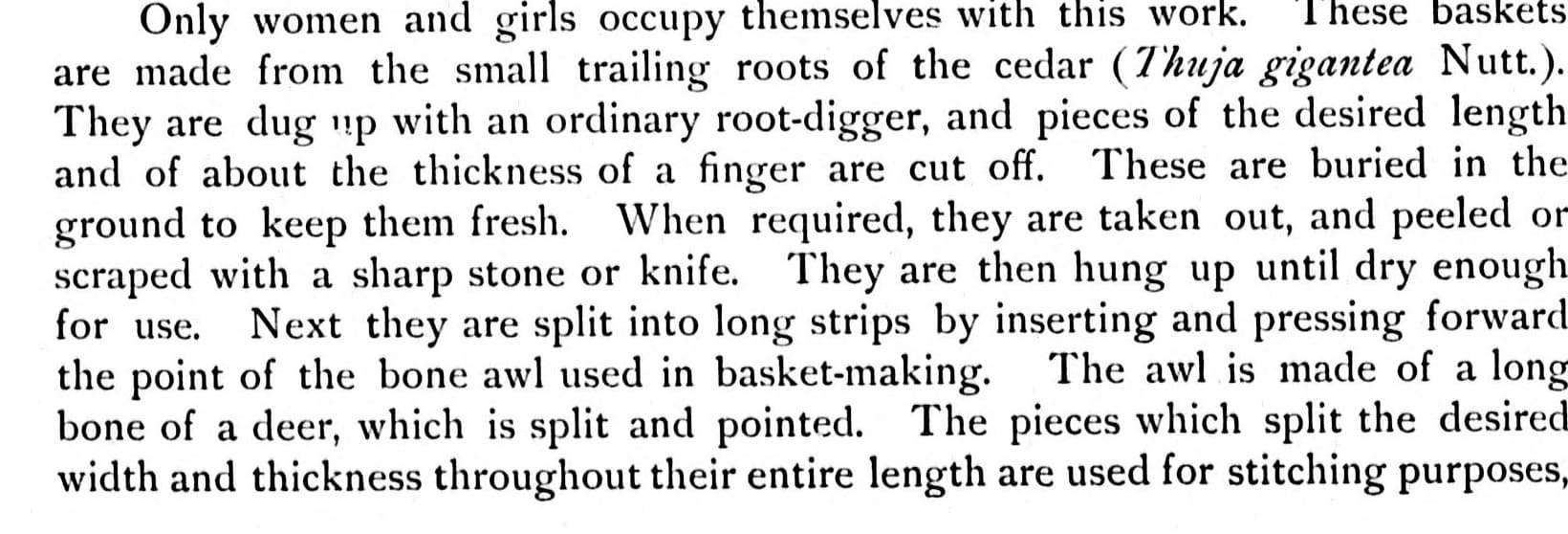
Thompson (Nlaka'pamux) Split Cedar Roots: Finger-Thick Roots Dug, Buried Fresh, Peeled, Dried and Split with a Bone Awl (Teit, 1900)
láti ọwọ́ Tex
Aṣọ àti Awọ
11
0
0
0
0
0
CC0 Àgbègbè Gbogbogbò
Blueprint yìí ti jáde lábẹ́ CC0. O lè ṣe àdàkọ, yí padà, pín, àti lò láìsí ìyọ̀ǹda.
Ṣàtìlẹ́yìn Olùṣẹ́dá nípa rírà àwọn ọjà nipasẹ̀ Blueprint wọn Ẹ̀san Olùṣẹ́dá tí àwọn Olùtajà gbé kalẹ̀, tàbí ṣẹ̀dá àtúnṣe tuntun ti Blueprint yìí kí o sì fi sínú Blueprint rẹ gẹ́gẹ́ bí ìsopọ̀ láti pín owó-wíwọlé.