IṢẸ́ ỌNÀ
ẸWÀ ÀTI ÌLERA
IṢẸ́ ỌWỌ́
ÀṢÀ ÀTI ÌTÀN
ÌṢERÉ
ÀYÍKÁ
OÚNJẸ ÀTI OHUN MÍMU
REVERSE ENGINEERING
SÁYẸ́ǸSÌ
ERÉ ÌDÁRAYÁ
ÌMỌ̀-Ẹ̀RỌ
ÀWỌN OHUN WÍWỌ̀
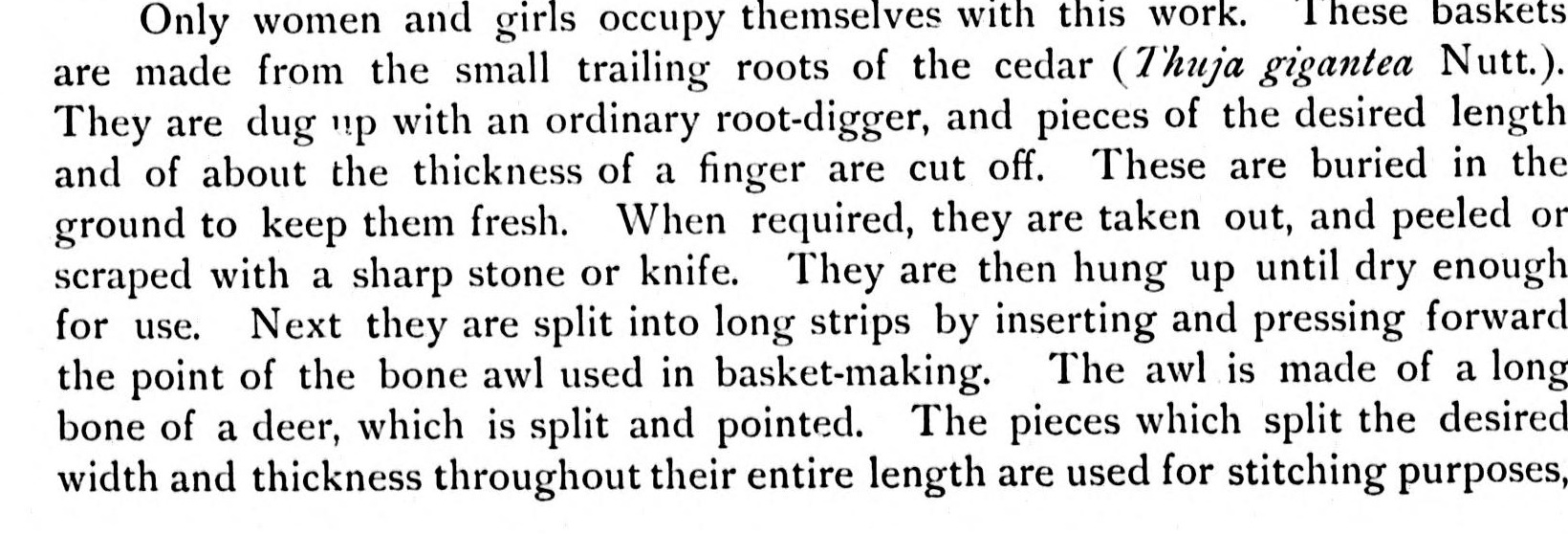


Thompson (Nlaka'pamux) Split Cedar Roots: Finger-Thick Roots Dug, Buried Fresh, Peeled, Dried and Split with a Bone Awl (Teit, 1900)
How Thompson (Nlaka'pamux) women got their cedar-root sewing splints, as James Teit recorded them: the small trailing roots of the red cedar dug with a root-digger, cut in finger-thick lengths, buried to keep fresh, peeled with a sharp stone or knife, dried, and split into long strips by pushing a deer-bone awl along them; even splints sew, the rest become coil.
Olùbẹ̀rẹ̀
A day, plus drying
Ìlànà
1
1
Read Teit
Read Teit
"Next they are split into long strips by inserting and pressing forward the point of the bone awl used in basket-making."
2
2
Dig the roots
Dig the roots
Dig the small trailing roots of a red cedar with a root-digger and cut pieces of the length you need, about as thick as a finger. Take only a few roots from each tree (ours).
Àwọn ohun èlò fún ìgbésẹ̀ yìí:
 Red Cedar Log1 ẹyọ
Àwọn irinṣẹ́ tí a nílò:
 Ọ̀pá ìwalẹ̀
 Ọ̀bẹ
3
3
Keep them fresh
Keep them fresh
Bury the pieces in the ground to keep them fresh until you need them.
Àwọn irinṣẹ́ tí a nílò:
 Ọkọ́
4
4
Peel and dry
Peel and dry
Take them out, peel or scrape them with a sharp stone or knife, and hang them up until dry enough to work.
Àwọn ohun èlò fún ìgbésẹ̀ yìí:
 Okùn1 ẹyọ
Àwọn irinṣẹ́ tí a nílò:
Ọ̀bẹ5
5
Split
Split
Push the point of a deer-bone awl into the end and press it forward along the root to split off long strips. Keep those that come out even in width and thickness along their whole length for sewing; tie the irregular, short or thin ones in bundles of about a dozen for coiling.
Àwọn irinṣẹ́ tí a nílò:
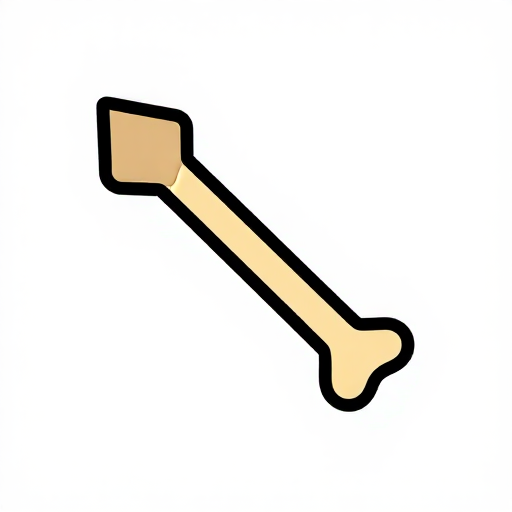 Ọ̀kọ̀ EgungunỌ̀bẹ
6
6
Troubleshooting
Troubleshooting
Root splitting troubleshooting.
Flow
Loading...
7
7
History and honest limits
History and honest limits
From James Teit, *The Thompson Indians of British Columbia*, **Memoirs of the American Museum of Natural History, Jesup North Pacific Expedition** vol. I part IV (1900), pp. 187-188 (checked on the archive.org scan cihm_16242). Only women and girls did this work; the splints went into watertight coiled baskets (see the coiled-basket blueprint). Lengths and taking only a few roots per tree are ours.
Ìtọ́nisọ́nà yìí ń ṣe
Blueprint tó jọra
Àwọn blueprint wọ̀nyí pín ìmọ̀ — ọ̀nà, ohun-èlò tàbí ìlànà


CC0 Àgbègbè Gbogbogbò
Blueprint yìí ti jáde lábẹ́ CC0. O lè ṣe àdàkọ, yí padà, pín, àti lò láìsí ìyọ̀ǹda.
Ṣàtìlẹ́yìn Olùṣẹ́dá nípa rírà àwọn ọjà nipasẹ̀ Blueprint wọn Ẹ̀san Olùṣẹ́dá tí àwọn Olùtajà gbé kalẹ̀, tàbí ṣẹ̀dá àtúnṣe tuntun ti Blueprint yìí kí o sì fi sínú Blueprint rẹ gẹ́gẹ́ bí ìsopọ̀ láti pín owó-wíwọlé.