IṢẸ́ ỌNÀ
ẸWÀ ÀTI ÌLERA
IṢẸ́ ỌWỌ́
ÀṢÀ ÀTI ÌTÀN
ÌṢERÉ
ÀYÍKÁ
OÚNJẸ ÀTI OHUN MÍMU
REVERSE ENGINEERING
SÁYẸ́ǸSÌ
ERÉ ÌDÁRAYÁ
ÌMỌ̀-Ẹ̀RỌ
ÀWỌN OHUN WÍWỌ̀
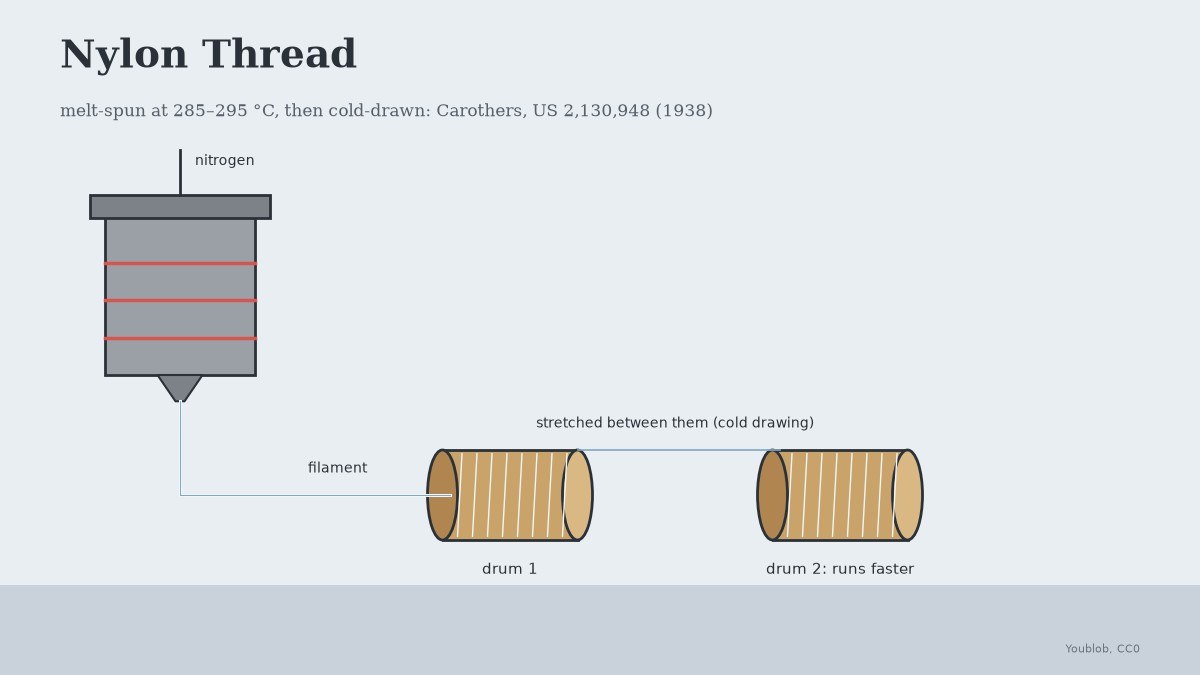


Nylon Thread: Melt-Spun Monofilament, Cold-Drawn Between Two Drums, Carothers
Nylon sewing thread is a single clear strand, a monofilament. Carothers' patent (1938) spins nylon 66 straight from the melt at 285–295 °C, with oxygen kept out, and catches the strand on a drum. A second, faster drum then stretches it (cold drawing), which makes it strong.
The picture: our own drawing.
Ilọsíwájú
1 day
Ìlànà
1
1
Load the pot under nitrogen
Load the pot under nitrogen
Fill the melt-spinning pot with dry nylon 66 pellets and close it. Flush it with nitrogen and keep it under nitrogen: oxygen must stay out of the molten polymer.
Àwọn ohun èlò fún ìgbésẹ̀ yìí:
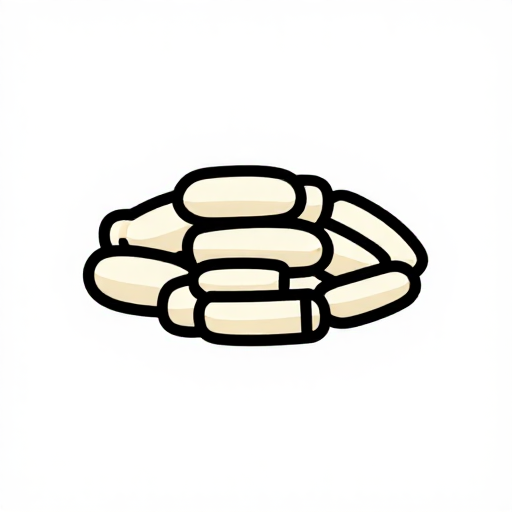 Àwọn kóró nylon500 g
Àwọn irinṣẹ́ tí a nílò:
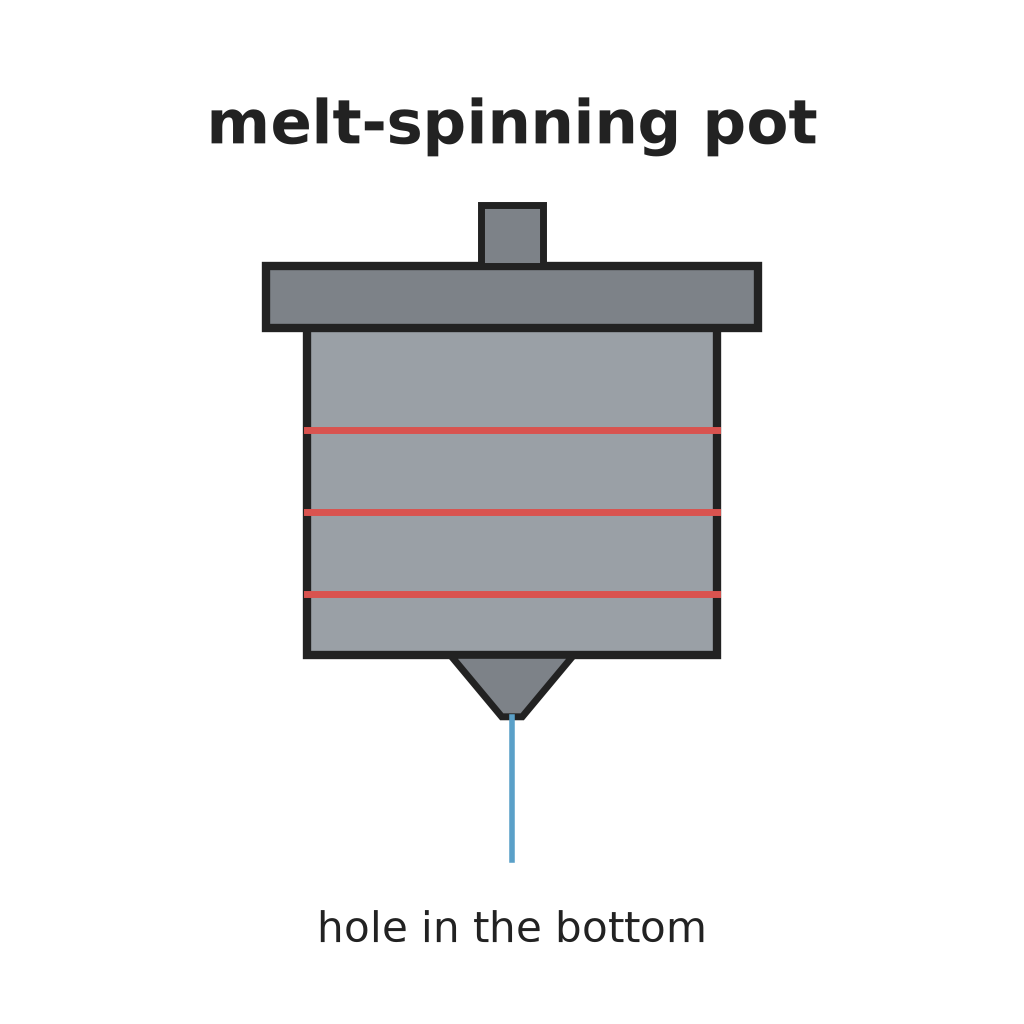 Ìkòkò Yíyí Pólímà Yíyọ́
 Nitrogen
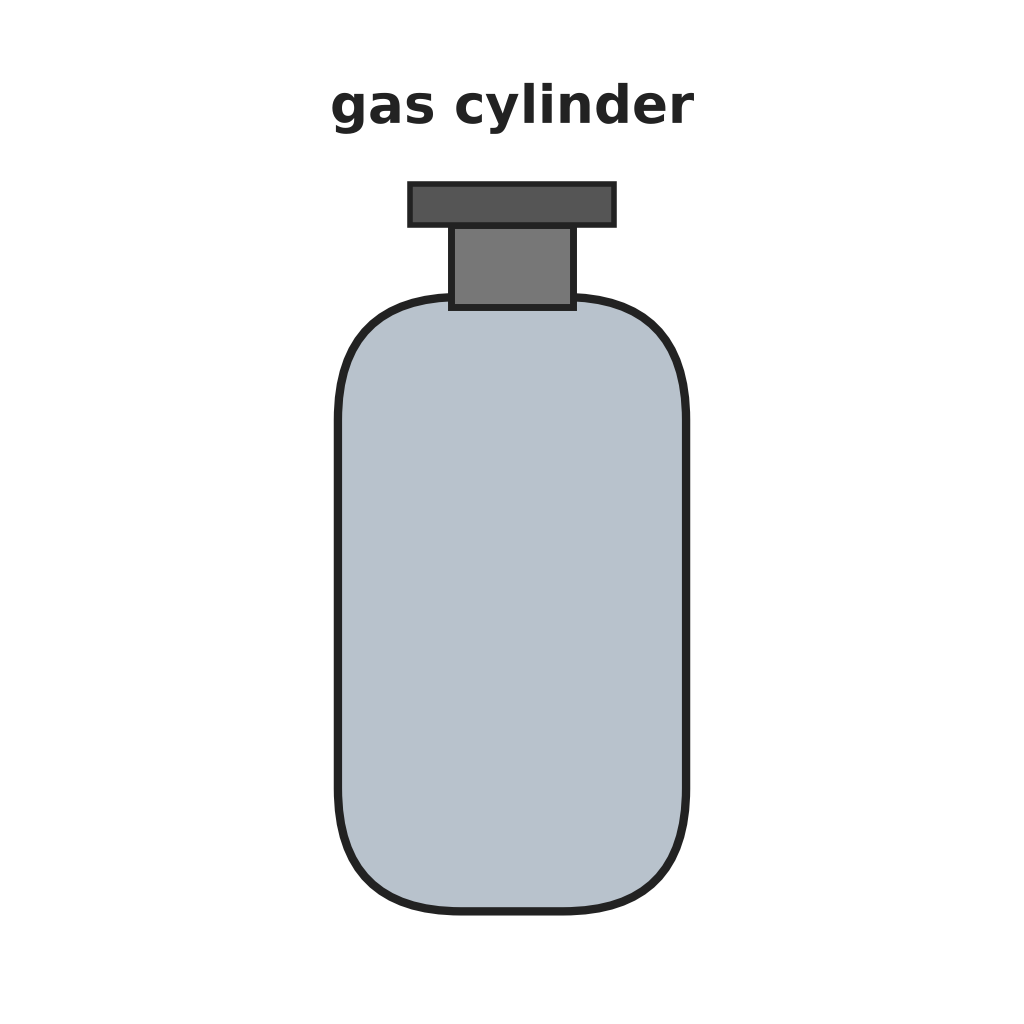 Àgbá gáàsì tí a fi ìfúnpá kún
2
2
Melt at 285–295 °C
Melt at 285–295 °C
Heat to 285–295 °C, the best spinning heat for nylon 66. Cooler gives poorer filament; hotter makes it too runny, and it may break down.
Àwọn irinṣẹ́ tí a nílò:
Ìkòkò Yíyí Pólímà Yíyọ́ Thermocouple pẹ̀lú ìkà
3
3
Extrude and catch it
Extrude and catch it
Press the melt out through the hole with nitrogen pressure (Carothers' example used 50 lb/in²). Catch the strand on a motor-driven drum. A larger hole gives a thicker strand; hotter melt and faster winding give a finer one.
Àwọn irinṣẹ́ tí a nílò:
NitrogenÀgbá gáàsì tí a fi ìfúnpá kún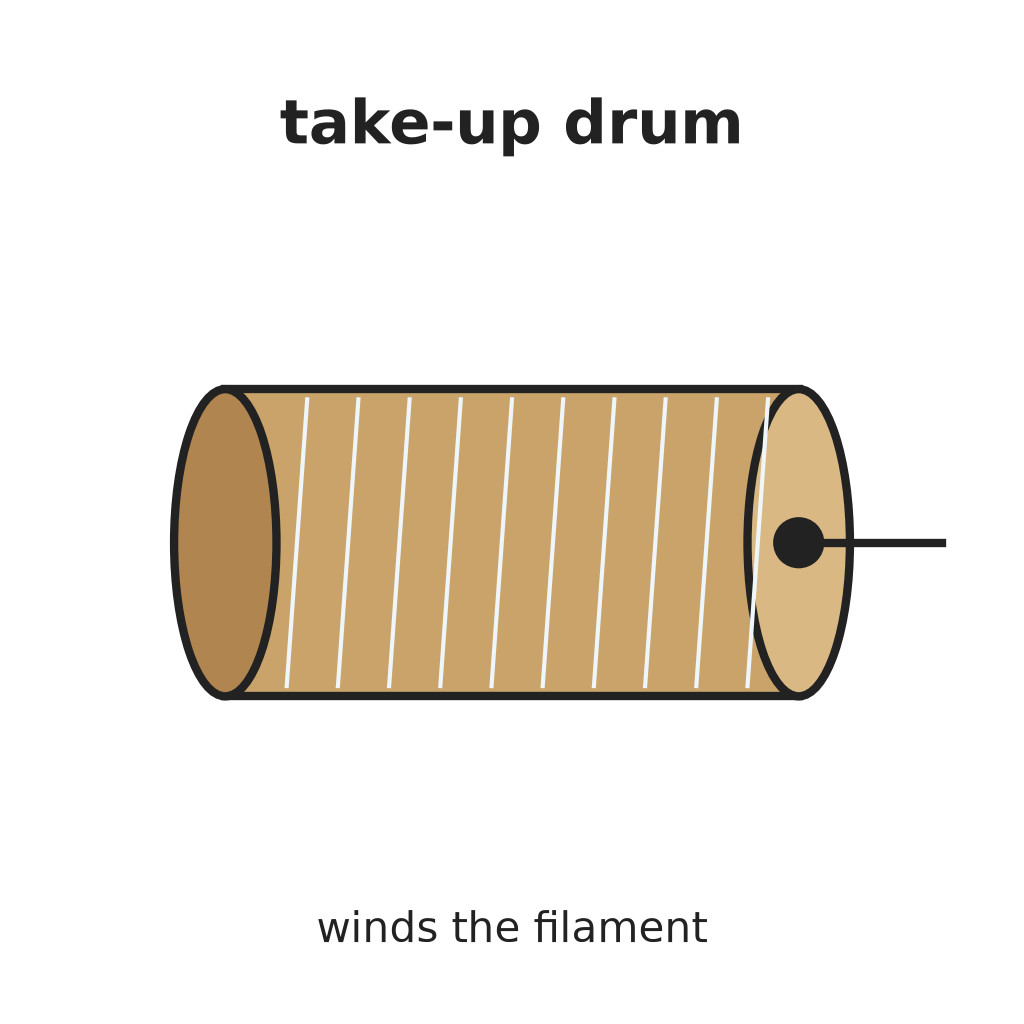 Ìlù Ìgbàwọ̀n Òwú
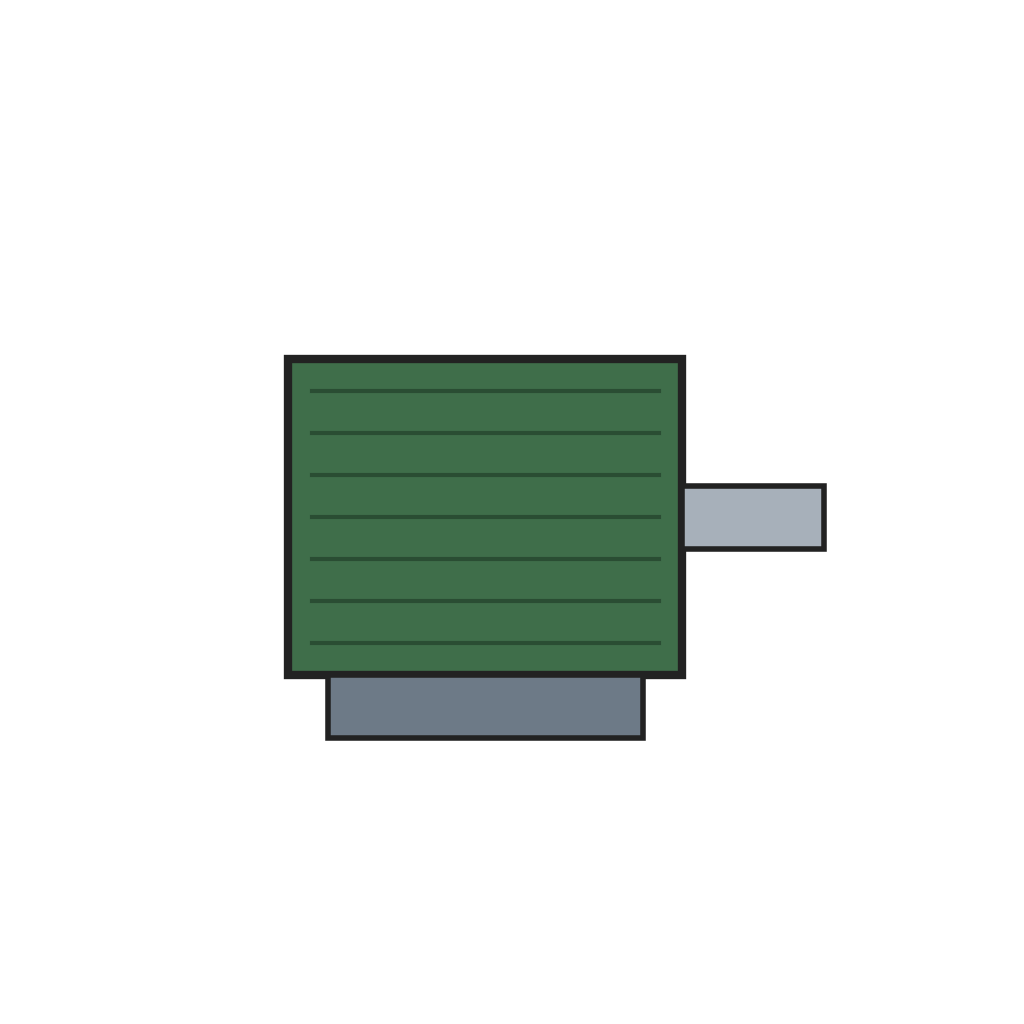 Mọ́tò iná mànàmáná
4
4
Cold-draw onto a faster drum
Cold-draw onto a faster drum
Run the strand from the first drum onto a second drum turning faster, which stretches it. In Carothers' example the drums ran at 300 and 1020 ft/min. Keep the strand wet: wet filament draws better and holds no static.
Àwọn irinṣẹ́ tí a nílò:
Ìlù Ìgbàwọ̀n ÒwúMọ́tò iná mànàmáná Omi
5
5
Help a thick strand
Help a thick strand
Thick strands are harder to draw. Soak them in water, or warm them to about 100 °C, before drawing.
Àwọn irinṣẹ́ tí a nílò:
 Ìkòkò olódi gígaOmi
Àwọn ohun-èlò
1- 500 gÀyè
Ìtọ́nisọ́nà yìí ń ṣe

Blueprint tó jọra
Àwọn blueprint wọ̀nyí pín ìmọ̀ — ọ̀nà, ohun-èlò tàbí ìlànà

CC0 Àgbègbè Gbogbogbò
Blueprint yìí ti jáde lábẹ́ CC0. O lè ṣe àdàkọ, yí padà, pín, àti lò láìsí ìyọ̀ǹda.
Ṣàtìlẹ́yìn Olùṣẹ́dá nípa rírà àwọn ọjà nipasẹ̀ Blueprint wọn Ẹ̀san Olùṣẹ́dá tí àwọn Olùtajà gbé kalẹ̀, tàbí ṣẹ̀dá àtúnṣe tuntun ti Blueprint yìí kí o sì fi sínú Blueprint rẹ gẹ́gẹ́ bí ìsopọ̀ láti pín owó-wíwọlé.