IṢẸ́ ỌNÀ
ẸWÀ ÀTI ÌLERA
IṢẸ́ ỌWỌ́
ÀṢÀ ÀTI ÌTÀN
ÌṢERÉ
ÀYÍKÁ
OÚNJẸ ÀTI OHUN MÍMU
REVERSE ENGINEERING
SÁYẸ́ǸSÌ
ERÉ ÌDÁRAYÁ
ÌMỌ̀-Ẹ̀RỌ
ÀWỌN OHUN WÍWỌ̀
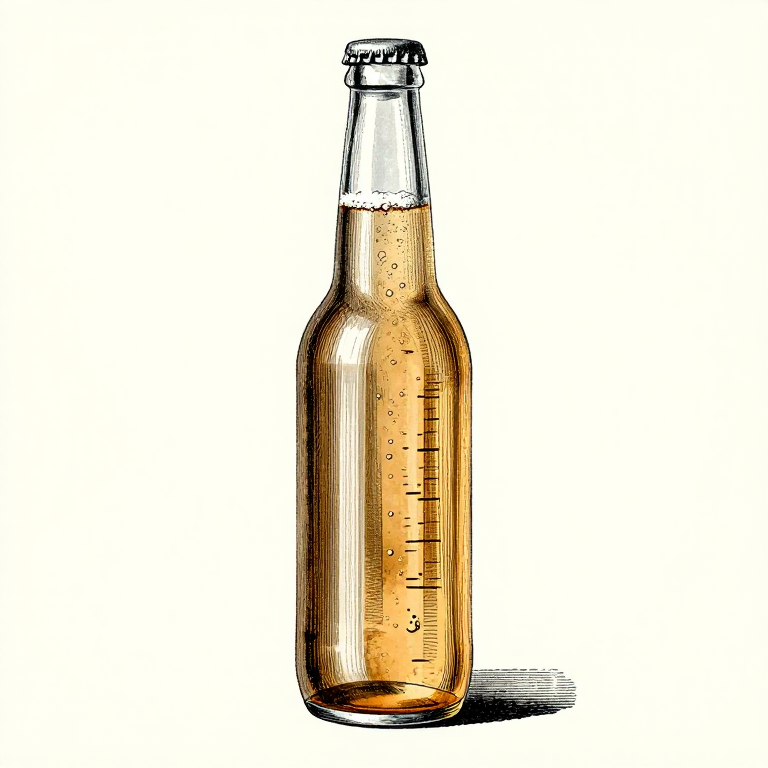

Packaging: Priming Sugar, Headspace, and the Bottle Bomb
Bottle conditioning works by giving the surviving yeast a measured amount of sugar in a sealed container. It ferments, the CO2 cannot escape, and the drink carbonates.
The danger is that the yeast does not know when to stop. Give it too much sugar — or bottle before fermentation finished, which is the same thing — and the pressure keeps rising until the bottle fails. A glass bottle failing under pressure is genuinely dangerous, and it is the one real hazard in home brewing.
The arithmetic that prevents it is simple and worth doing every single time: a weight of sugar, calculated from the volume and the carbonation wanted, and a final gravity that has been stable for days.
Ilọsíwájú
3 hours
Ìlànà
1
1
Priming sugar, calculated not guessed
Priming sugar, calculated not guessed
Ń ṣí ìwé Jupyter…
Àwọn ohun èlò fún ìgbésẹ̀ yìí:
 Oyin1 ẹyọ
 Omi1 lítà
Àwọn irinṣẹ́ tí a nílò:
 Òṣùwọ̀n Díjítà Pípé
 Kọ̀ǹpútà Tábìlì
 Hydrometer àti ìgò ìdánwò ṣíṣe ọtí
2
2
Mix the sugar into the batch, not into the bottles
Mix the sugar into the batch, not into the bottles
Dissolve the weighed sugar in a little boiled water, cool it, put it in the bottling vessel, and rack the beer gently onto it. The racking mixes it without splashing.
Priming each bottle individually is where inconsistent carbonation comes from, and inconsistent means some bottles are flat and some are over-pressure. A measured tablet or drop per bottle is more consistent than a spoon and still less consistent than batch priming.
Stir gently once, if at all. Vigorous stirring at this stage is oxygen introduction at the very last moment, which the oxygen rung says is when the beer is most vulnerable — it will be sitting in the bottle for months.
Àwọn ohun èlò fún ìgbésẹ̀ yìí:
Oyin1 ẹyọOmi1 lítàÀwọn irinṣẹ́ tí a nílò:
 Sífọ́nù aládàáṣeÒṣùwọ̀n Díjítà Pípé
 Ohun èlò ìwúkàrà (ìgò gíláàsì ńlá)
3
3
Fill low, cap high, and leave the right headspace
Fill low, cap high, and leave the right headspace
Fill from the bottom of the bottle with the tube all the way down, and let the level rise. Leave about 25 mm of headspace — enough for the cap to seat and for the liquid to expand, and no more than that.
Too little headspace risks the cap being pushed off; too much is a reservoir of air that will oxidise the beer over the months it is stored. Consistent fill height is also what makes the carbonation consistent between bottles.
Cap immediately after filling. A row of open filled bottles waiting to be capped is a row of bottles taking on oxygen and whatever is in the air, which is the sanitation rung arriving at the very last step.
Àwọn irinṣẹ́ tí a nílò:
 Ohun ìdíde ìgò
 Adé ìgòSífọ́nù aládàáṣe
 Ìdì ìfọ̀mọ́ àti ìpakòkòrò fún ṣíṣe ọtí bíà
4
4
Condition warm, then cold, and test one
Condition warm, then cold, and test one
Leave the bottles at fermentation temperature for two weeks. The yeast needs warmth to work through the priming sugar, and bottles put straight into a cold store stay flat until they are warmed again.
Then open one. That is a real measurement: if it is under-carbonated, the rest need longer; if it gushes, move the whole batch somewhere cool and drink it quickly. Testing one bottle at two weeks is how a problem is found while it can still be managed.
After conditioning, cold storage slows everything and keeps it stable. And record what went into the batch — the priming weight, the volume, the temperature, the date — because a carbonation that came out exactly right is worth being able to repeat.
Àwọn irinṣẹ́ tí a nílò:
 Ẹ̀rọ Ìwọ̀n Ooru KíákíáÒṣùwọ̀n Díjítà Pípé
Àwọn irinṣẹ́ tó nílò
9- Àyè
- Àyè
Blueprint tó jọra
Àwọn blueprint wọ̀nyí pín ìmọ̀ — ọ̀nà, ohun-èlò tàbí ìlànà
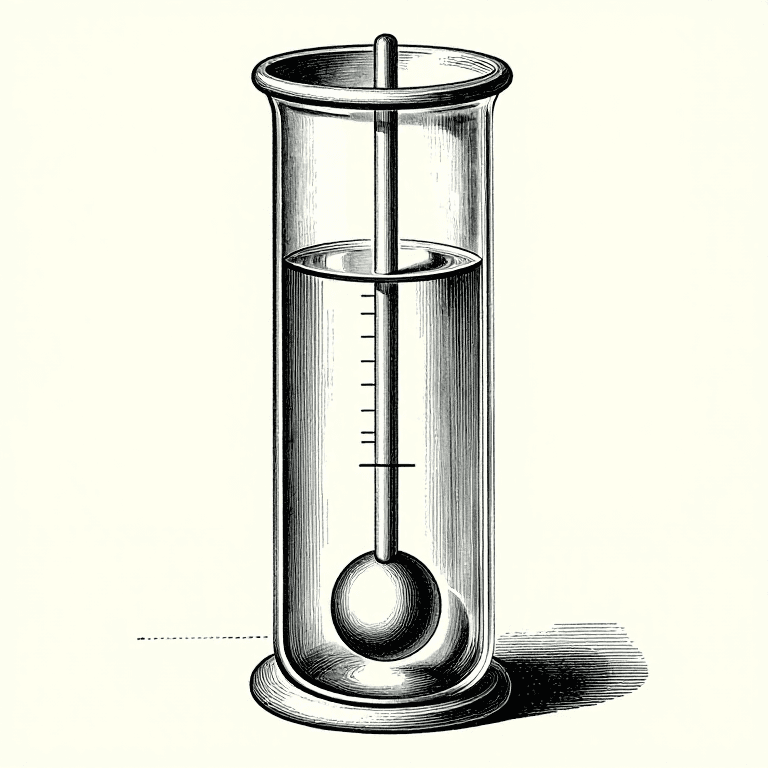
Gravity: Measuring the Sugar Before and After Tells You Everything
láti ọwọ́ Alchometer
Ṣíṣe Ọtí
47
0
0
0
0
0
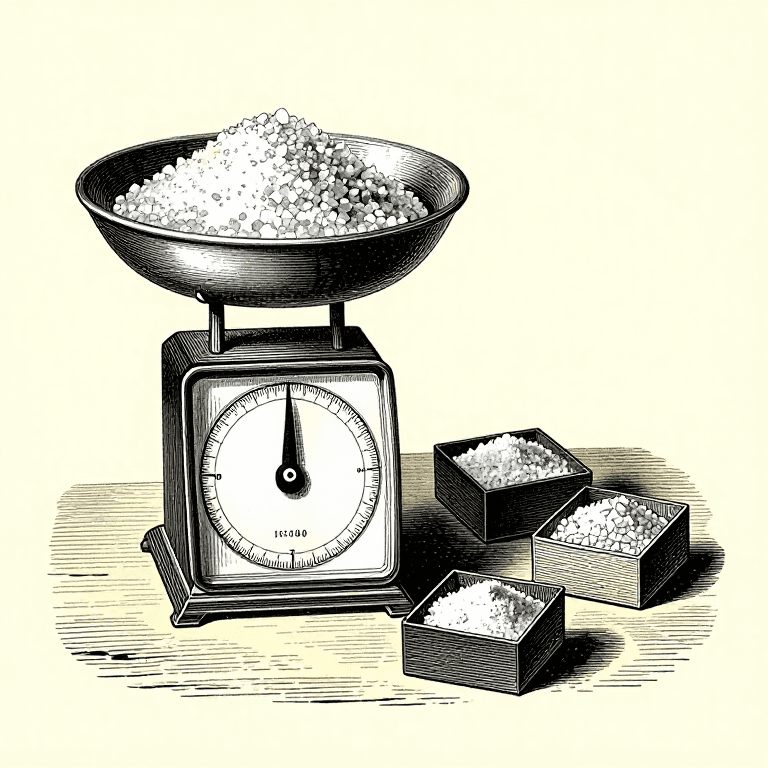
Salt: Measure It by Weight, and Add It Early Enough to Travel
láti ọwọ́ TheChef
OÚNJẸ ÀTI OHUN MÍMU
53
0
0
0
0
0
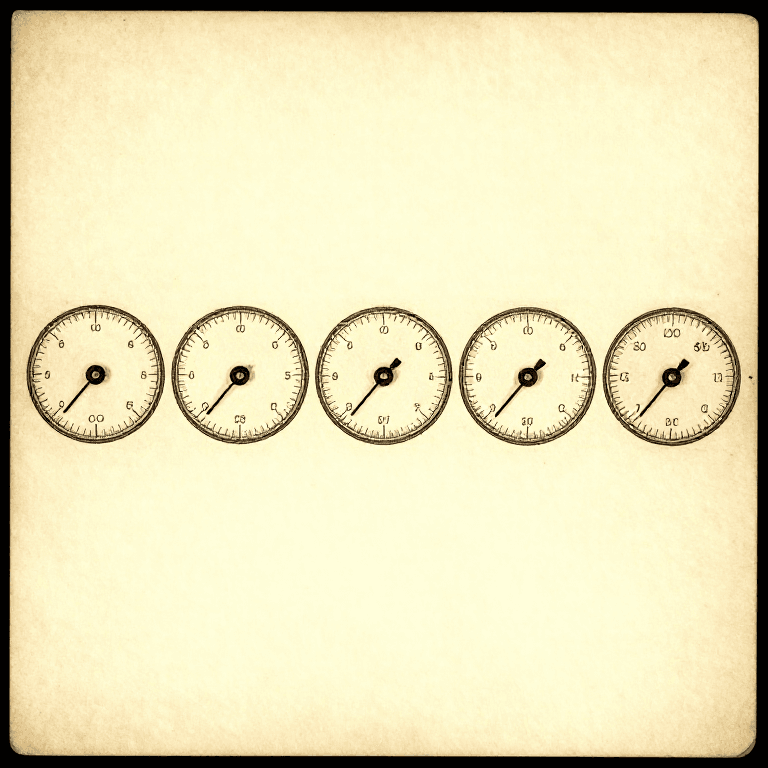
One Reading Is Not a Measurement: Repeat It, and Look at the Spread
láti ọwọ́ Penny
Ìmọ̀-ẹ̀rọ
55
0
0
0
0
0
CC0 Àgbègbè Gbogbogbò
Blueprint yìí ti jáde lábẹ́ CC0. O lè ṣe àdàkọ, yí padà, pín, àti lò láìsí ìyọ̀ǹda.
Ṣàtìlẹ́yìn Olùṣẹ́dá nípa rírà àwọn ọjà nipasẹ̀ Blueprint wọn Ẹ̀san Olùṣẹ́dá tí àwọn Olùtajà gbé kalẹ̀, tàbí ṣẹ̀dá àtúnṣe tuntun ti Blueprint yìí kí o sì fi sínú Blueprint rẹ gẹ́gẹ́ bí ìsopọ̀ láti pín owó-wíwọlé.