IṢẸ́ ỌNÀ
ẸWÀ ÀTI ÌLERA
IṢẸ́ ỌWỌ́
ÀṢÀ ÀTI ÌTÀN
ÌṢERÉ
ÀYÍKÁ
OÚNJẸ ÀTI OHUN MÍMU
REVERSE ENGINEERING
SÁYẸ́ǸSÌ
ERÉ ÌDÁRAYÁ
ÌMỌ̀-Ẹ̀RỌ
ÀWỌN OHUN WÍWỌ̀
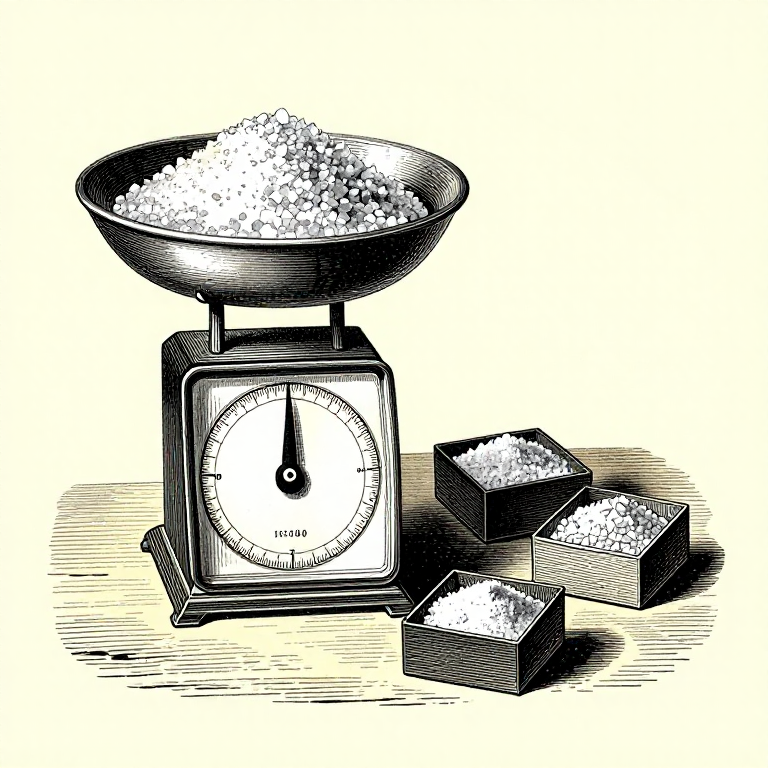


Salt: Measure It by Weight, and Add It Early Enough to Travel
A teaspoon of fine salt weighs roughly twice what a teaspoon of flaky salt weighs. So a recipe measuring salt in spoons is not a recipe — it is a suggestion that comes out right only if you happen to own the same salt the writer did.
Weighing it fixes that completely, and it lets you express salt the way it actually works: as a PERCENTAGE of what you are salting. 1% salt on meat is 1% whatever the meat weighs, whatever salt you own, in any kitchen in the world.
The second half is time. Salt on the surface of a piece of meat has to dissolve, draw out moisture, and be reabsorbed as brine before it reaches the middle — and that takes hours, not minutes. Salt added at the last second seasons only the outside.
Olùbẹ̀rẹ̀
2 hours
Ìlànà
1
1
Weigh it, and stop measuring salt in spoons
Weigh it, and stop measuring salt in spoons
Put the bowl on the scale, tare it, and weigh the salt. It takes the same time as levelling a spoon and it removes the largest single variable in seasoning.
The reason spoons fail is crystal shape. Fine table salt packs densely; kosher and flaky salts are coarse hollow flakes with air between them, so the same volume holds far less salt. Two brands of kosher salt can differ from each other by a third.
Taring is not the same as subtracting afterwards, for the reasons the solution-making rung sets out: the container's weight changes, and subtracting two large numbers to get a small one throws precision away.
Àwọn ohun èlò fún ìgbésẹ̀ yìí:
 Sodium chloride (iyọ̀)1 ẹyọ
Àwọn irinṣẹ́ tí a nílò:
 Òṣùwọ̀n Díjítà Ilé Ìdáná
 Ìwọ̀n ilé-ìdáná tí ó péye
 Àwokòtò ńlá dígí
2
2
Salt as a percentage, and the numbers worth knowing
Salt as a percentage, and the numbers worth knowing
Ń ṣí ìwé Jupyter…
Àwọn ohun èlò fún ìgbésẹ̀ yìí:
Sodium chloride (iyọ̀)1 ẹyọ Ẹran màlúù tí kò ní ọ̀rá1 ẹyọ
Àwọn irinṣẹ́ tí a nílò:
Òṣùwọ̀n Díjítà Ilé Ìdáná Kọ̀ǹpútà Tábìlì
 Ẹ̀rọ Ìṣirò
3
3
Salt needs time to get past the surface
Salt needs time to get past the surface
Salt a piece of meat and for the first twenty minutes it looks like a mistake: the surface goes wet as salt draws moisture out. That brine then dissolves the salt and is drawn back IN, carrying seasoning with it.
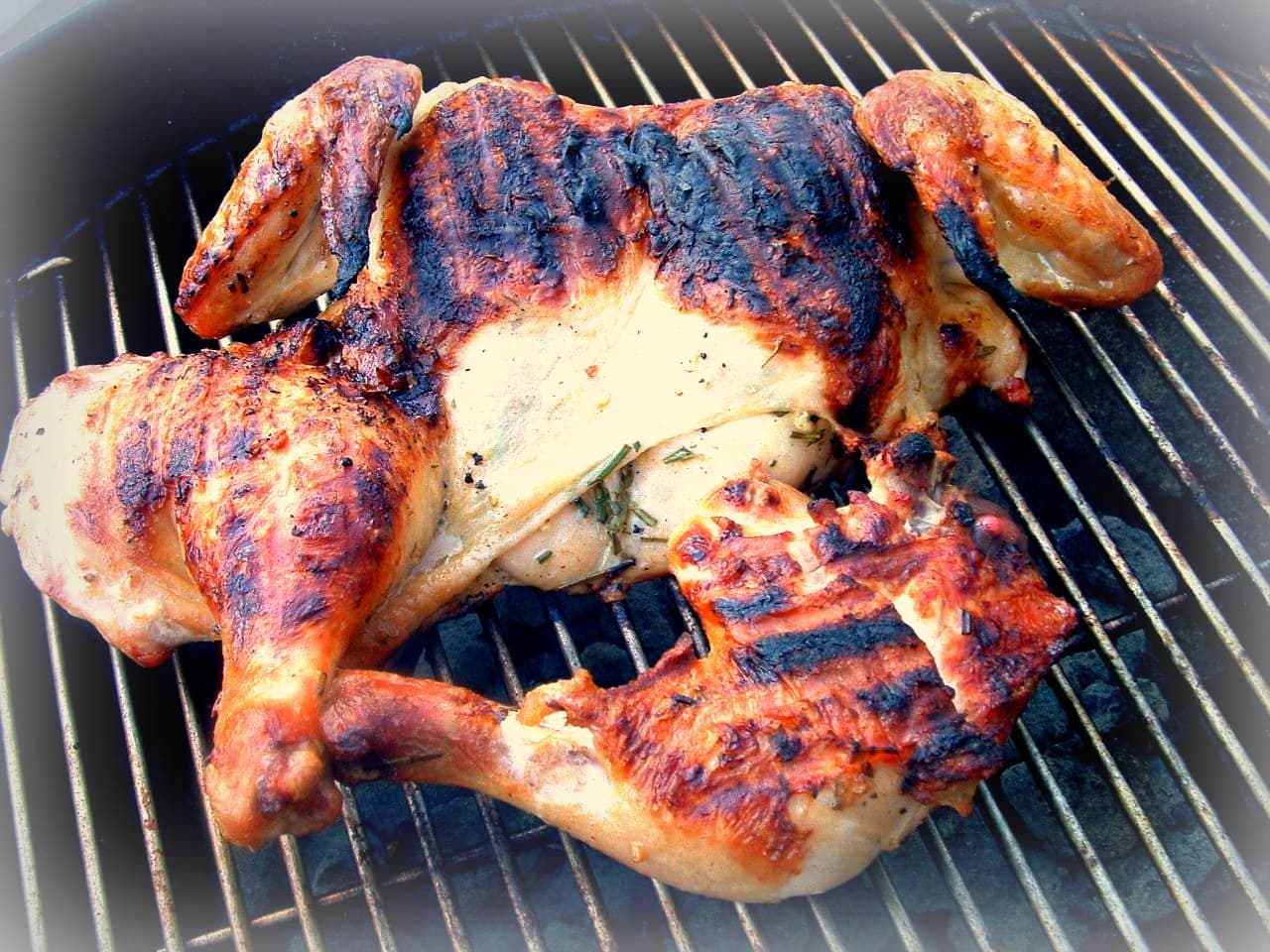
That round trip is why timing matters. Forty minutes is enough for a steak's surface to dry again and the salt to have moved in a little; overnight in the fridge, uncovered, seasons a whole chicken through and dries the skin so it browns properly.
The one timing to avoid is the middle: salting five to twenty minutes before cooking leaves the surface at its wettest, which is the worst possible state for browning. Salt well ahead, or salt right at the moment it hits the pan.
Àwọn ohun èlò fún ìgbésẹ̀ yìí:
Sodium chloride (iyọ̀)1 ẹyọ Adìẹ1 ẹyọ
Àwọn irinṣẹ́ tí a nílò:
Òṣùwọ̀n Díjítà Ilé Ìdáná Igi maple fún pákó ìgé
4
4
Salt from above, and taste at the end
Salt from above, and taste at the end
Sprinkle from a height of 20 to 30 cm. The extra distance spreads the crystals evenly instead of dropping them in a patch, and an evenly salted surface is most of what people mean by well seasoned.
Season in LAYERS as you cook — a little on the onions, a little when the liquid goes in, a final adjustment at the end. Salt added throughout tastes like part of the dish; the same total dumped in at the end tastes like salt.
And taste at serving temperature. Cold food tastes less salty than the same food hot, so a sauce corrected while cool will be over-salted on the plate. That is the last rung of this batch, and it is the only test that actually settles the question.
Àwọn ohun èlò fún ìgbésẹ̀ yìí:
Sodium chloride (iyọ̀)1 ẹyọ Àlùbọ́sà1 ẹyọ
Àwọn irinṣẹ́ tí a nílò:
 Ṣíbí Igi Ìrúwé
 Ṣíbí ńlá
Àwọn ohun-èlò
4- Àyè
- Àyè
- 1 ẹyọÀyè
- 1 ẹyọÀyè
Àwọn irinṣẹ́ tó nílò
8- Àyè
- Àyè
Blueprint tó jọra
Àwọn blueprint wọ̀nyí pín ìmọ̀ — ọ̀nà, ohun-èlò tàbí ìlànà



CC0 Àgbègbè Gbogbogbò
Blueprint yìí ti jáde lábẹ́ CC0. O lè ṣe àdàkọ, yí padà, pín, àti lò láìsí ìyọ̀ǹda.
Ṣàtìlẹ́yìn Olùṣẹ́dá nípa rírà àwọn ọjà nipasẹ̀ Blueprint wọn Ẹ̀san Olùṣẹ́dá tí àwọn Olùtajà gbé kalẹ̀, tàbí ṣẹ̀dá àtúnṣe tuntun ti Blueprint yìí kí o sì fi sínú Blueprint rẹ gẹ́gẹ́ bí ìsopọ̀ láti pín owó-wíwọlé.