IṢẸ́ ỌNÀ
ẸWÀ ÀTI ÌLERA
IṢẸ́ ỌWỌ́
ÀṢÀ ÀTI ÌTÀN
ÌṢERÉ
ÀYÍKÁ
OÚNJẸ ÀTI OHUN MÍMU
REVERSE ENGINEERING
SÁYẸ́ǸSÌ
ERÉ ÌDÁRAYÁ
ÌMỌ̀-Ẹ̀RỌ
ÀWỌN OHUN WÍWỌ̀
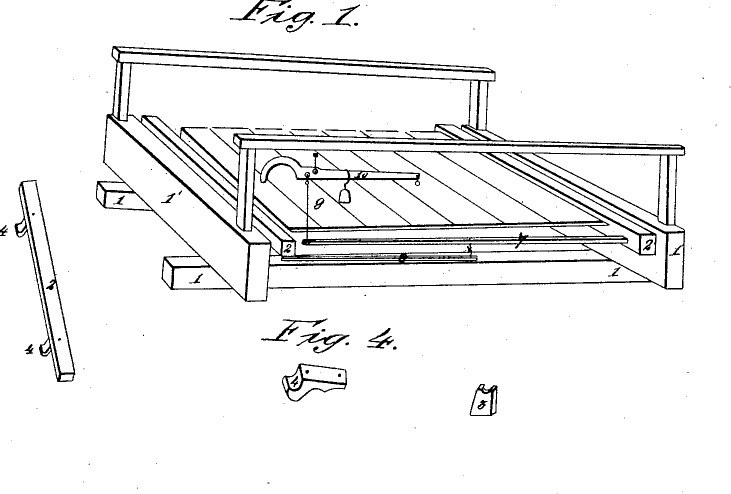


Platform Scale: Four Knife-Edge Hinges and Two Levers to a Steelyard (Fairbanks, 1831)
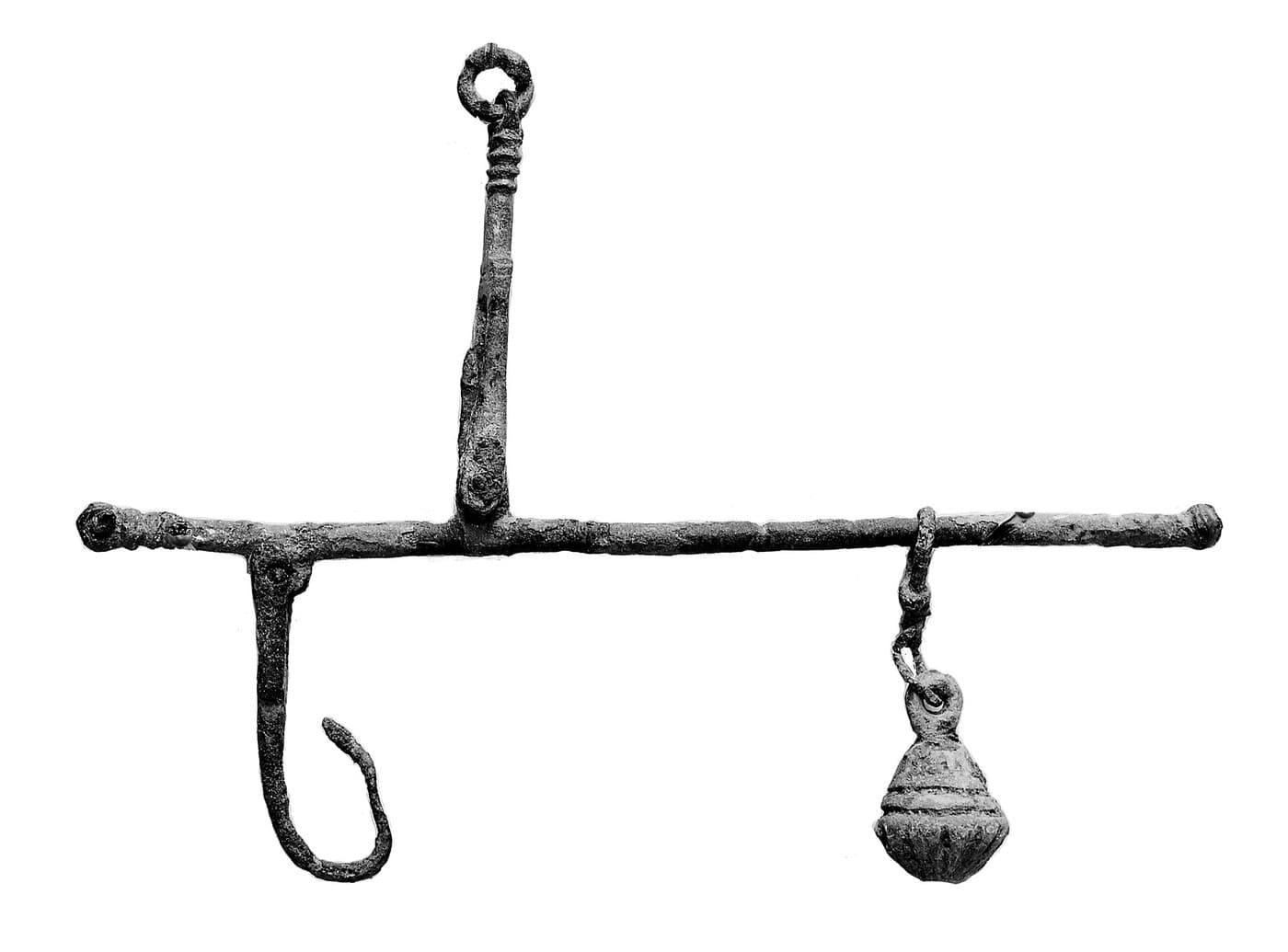
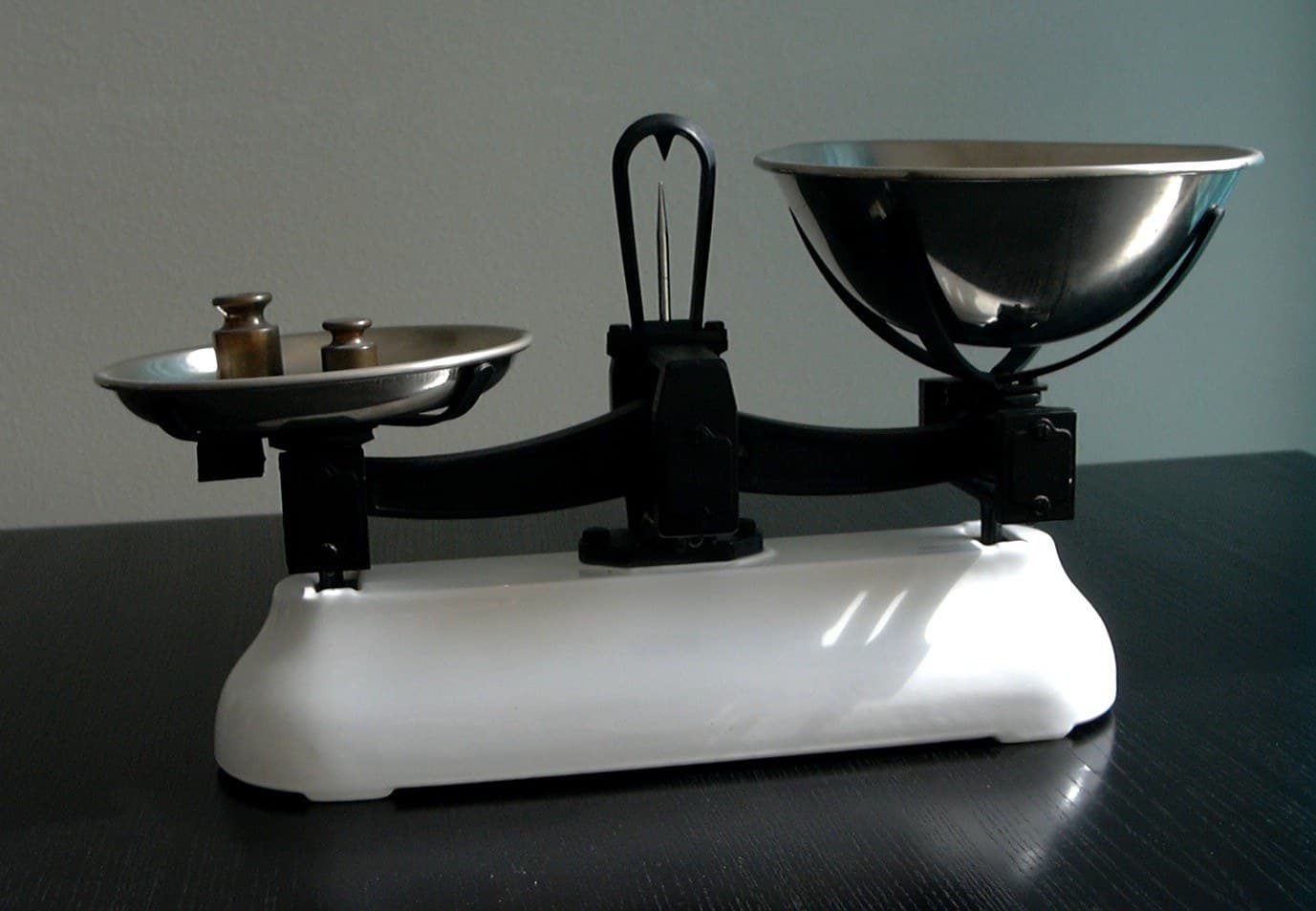
A scale for wagons and carts, reading the same wherever the load stands. Erastus and Thaddeus Fairbanks of St. Johnsbury, Vermont, patented it in 1831. A plank platform nine by twelve feet rests on four knife-edge hinges, one at each corner, and two levers gather the load from all four onto one rod. The rod pulls on an ordinary steelyard, which then reads only a tenth or a twentieth of the load.
Result: a platform scale reading ten times (or twenty times) what the steelyard shows, the same wherever the load stands on the platform.
Source: E. & T. Fairbanks, US Patent No. 118 (1837), restating their patent of 13 June 1831. Unknown: the material and sizes of the hinges, knife-edges, fulcra and levers. Picture: patent drawing.
Ilọsíwájú
1 week
Ìlànà
1
1
Build the frame
Build the frame
Lay two timber bed-sills, about 10 inches square and 16 feet long, parallel and about 7 feet apart. Bolt two end timbers, 8 by 14 inches and 12 feet long, across them near their ends. Just inside the end timbers, lay the two rockers, 8 inches square and 9 feet long, with their tops flush with the end timbers. Ours: carriage bolts.
Àwọn ohun èlò fún ìgbésẹ̀ yìí:
 Igi tí a gé ní onígun mẹ́rin6 2 sills, 2 end timbers, 2 rockers
 Bọ́ọ̀tù orí róbótó1 ìtò
Àwọn irinṣẹ́ tí a nílò:
 Ayùn ẹni méjì
 Ohun ìlù ilẹ̀
 Òòlù
2
2
Fit the four knife-edge hinges
Fit the four knife-edge hinges
Bolt a hinge firmly under each end of each rocker, one at every corner of the machine. Each hinge carries two knife-edges. One rests on a fulcrum standing on the bed-sill; the other reaches out to carry the platform. Set every knife-edge parallel to the others: knife-edges at an angle cramp and bind. Not given: the material and size of the hinges, knife-edges and fulcra.
Àwọn ohun èlò fún ìgbésẹ̀ yìí:
 Ohun èlò tí a kò mọ̀1 4 hinges, 8 knife-edges, 4 fulcraBọ́ọ̀tù orí róbótó1 ìtò
Àwọn irinṣẹ́ tí a nílò:
Ohun ìlù ilẹ̀ Ìwọ̀n tí a kò mọ̀
3
3
Join the levers
Join the levers
Run a horizontal lever from each rocker. The longer lever reaches across nearly to the opposite rocker. The shorter one ends at a point equally far from the axes of both, and hangs there from the longer lever by a chain, rod or stirrup, so the two act as one. From the end of the longer lever a rod rises straight up to a steelyard hung from a fixed support. With the two knife-edges of each hinge 6 inches apart and the rod hung 60 inches from the lever's axis, the load is ten times the steelyard reading; at 120 inches it is twenty times. Not given: the lever material. Ours: an iron chain and a wrought iron rod.
Àwọn ohun èlò fún ìgbésẹ̀ yìí:
Ohun èlò tí a kò mọ̀1 2 levers Ẹ̀wọ̀n irin1 lever link
 Ọ̀pá róbótó irin lílù1 rod to the steelyard
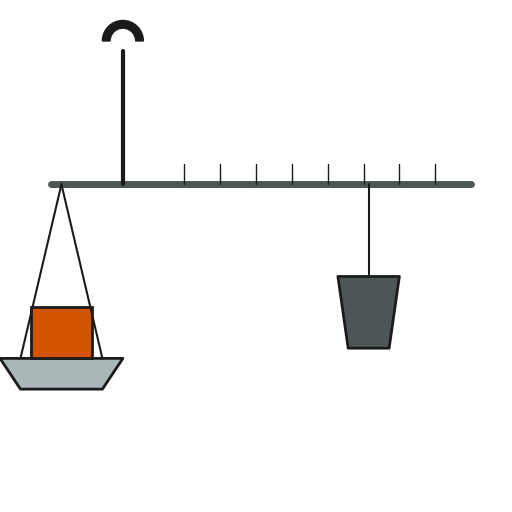 Òṣùwọ̀n alápá àìdọ́gba1 ẹyọ
Àwọn irinṣẹ́ tí a nílò:
Ìwọ̀n tí a kò mọ̀4
4
Lay the platform
Lay the platform
Lay two timbers, short enough to pass freely between the rockers, parallel over the bed-sills. Spike stout planks 9 feet long across them, making a platform of about 9 by 12 feet. Under these timbers fasten iron plates that rest on the inner knife-edges of the hinges. Ours: nails as the spikes.
Àwọn ohun èlò fún ìgbésẹ̀ yìí:
Igi tí a gé ní onígun mẹ́rin2 platform timbers Pátákó igi1 for 9 x 12 ft
 Pẹpẹ irin4 ẹyọ
 Ìṣó1 as needed
Àwọn irinṣẹ́ tí a nílò:
Ayùn ẹni méjìÒòlùÀwọn ohun-èlò
9- 2 platform timbersÀyè
- 2 ìtòÀyè
- 1 2 leversÀyè
- 1 lever linkÀyè
- 1 rod to the steelyardÀyè
- Àyè
- 1 for 9 x 12 ftÀyè
- 4 ẹyọÀyè
- 1 as neededÀyè
Àwọn Ohun Èlò Ìtọ́nisọ́nà Tí A So Pọ̀
Ìtọ́nisọ́nà yìí ń ṣe

Blueprint tó jọra
Àwọn blueprint wọ̀nyí pín ìmọ̀ — ọ̀nà, ohun-èlò tàbí ìlànà



CC0 Àgbègbè Gbogbogbò
Blueprint yìí ti jáde lábẹ́ CC0. O lè ṣe àdàkọ, yí padà, pín, àti lò láìsí ìyọ̀ǹda.
Ṣàtìlẹ́yìn Olùṣẹ́dá nípa rírà àwọn ọjà nipasẹ̀ Blueprint wọn Ẹ̀san Olùṣẹ́dá tí àwọn Olùtajà gbé kalẹ̀, tàbí ṣẹ̀dá àtúnṣe tuntun ti Blueprint yìí kí o sì fi sínú Blueprint rẹ gẹ́gẹ́ bí ìsopọ̀ láti pín owó-wíwọlé.