IṢẸ́ ỌNÀ
ẸWÀ ÀTI ÌLERA
IṢẸ́ ỌWỌ́
ÀṢÀ ÀTI ÌTÀN
ÌṢERÉ
ÀYÍKÁ
OÚNJẸ ÀTI OHUN MÍMU
REVERSE ENGINEERING
SÁYẸ́ǸSÌ
ERÉ ÌDÁRAYÁ
ÌMỌ̀-Ẹ̀RỌ
ÀWỌN OHUN WÍWỌ̀
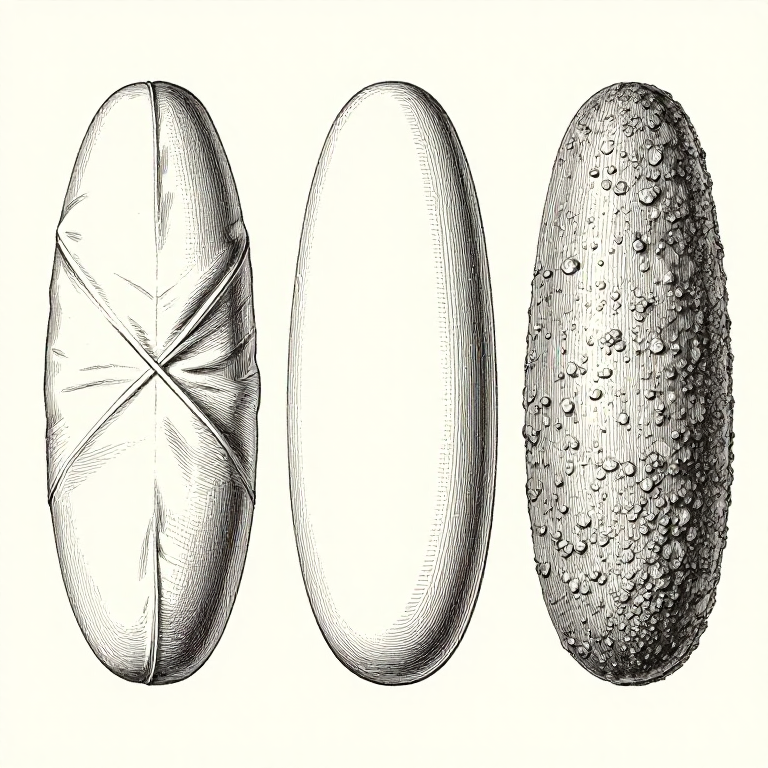

Pouring Temperature: Too Cold Misruns, Too Hot Tears the Mould
Metal is not poured at its melting point. It is poured at a SUPERHEAT above it — enough that it can travel through the gating and fill the last thin corner before it starts to freeze.
Too little superheat and the metal stops before the cavity is full, or two streams meet and fail to fuse. Too much and it dissolves more gas, oxidises harder, burns the sand, and shrinks more on the way down — so the porosity gets worse rather than better.
The window is perhaps 100 to 150 degrees wide, it differs by alloy and by casting, and the only way to sit inside it reliably is to MEASURE. Judging melt temperature by colour is the pyrometer rung's warning delivered with molten metal.
Ilọsíwájú
3 hours
Ìlànà
1
1
Superheat, by alloy
Superheat, by alloy
Ń ṣí ìwé Jupyter…
Àwọn ohun èlò fún ìgbésẹ̀ yìí:
 Ìdìwọ̀n idẹ dúdú1 ẹyọ
 Ìdì aluminium mímọ́ 99,7 % 450 g1 ẹyọ
Àwọn irinṣẹ́ tí a nílò:
 Pirómítà
 Thermocouple pẹ̀lú ìkà
 Kọ̀ǹpútà Tábìlì
2
2
Skim, and do not stir the dross back in
Skim, and do not stir the dross back in
Oxide and impurities float. Skim them off the surface of the melt immediately before pouring, with a preheated skimmer, and take them right out of the crucible rather than pushing them aside.
Preheat every tool that will touch molten metal. A cold skimmer or ladle chills the metal locally and, far worse, any trace of moisture on it flashes to steam instantly — which throws metal.
Do not stir after skimming. Stirring folds the remaining surface oxide down into the melt, where it becomes inclusions in the casting. Aluminium is the worst for this: its oxide skin is tough, and every disturbance of the surface makes more of it.
Àwọn ohun èlò fún ìgbésẹ̀ yìí:
Ìdìwọ̀n idẹ dúdú1 ẹyọÀwọn irinṣẹ́ tí a nílò:
 Ohun ìkúrò olówọ̀n kékeré
 Ṣíbí ìdà irin
 Ẹmú Ìkòkò Ìyọ́
 Ìbọ̀wọ́ Awọ Apá Gígùn
3
3
Dry everything, and mean it
Dry everything, and mean it
Water and molten metal is the one genuinely dangerous combination in a foundry. Water turned to steam expands roughly 1,600 times, instantly, and if it is under metal it throws that metal outward.
So: preheat and dry the crucible, the tongs, the ladle and every ingot before it goes near the melt. An ingot with condensation on it, or a scrap casting with water trapped in a cavity, is the classic cause.
The mould matters too. Green sand contains water by design and that is fine because it is bound in the clay and the mould is permeable — but a sand that is too wet, or a mould left standing so condensation collects, is the same hazard in a different place.
Àwọn ohun èlò fún ìgbésẹ̀ yìí:
Ìdìwọ̀n idẹ dúdú1 ẹyọ Èédú Ìṣùu1 ẹyọ
Àwọn irinṣẹ́ tí a nílò:
 Ìkòkò Ìyọ́ IrinẸmú Ìkòkò Ìyọ́
 Gílásì dúdú fún ìléruÌbọ̀wọ́ Awọ Apá Gígùn
4
4
Everything ready before the metal is
Everything ready before the metal is
Once the metal is at temperature it is losing heat and gaining gas every second. The moulds must be closed, weighted, vented and positioned before the crucible comes out of the furnace.
Weight or clamp the cope. Molten metal exerts real upward pressure on the top half of the mould, and an unweighted cope lifts and lets metal run out of the parting line — which is dangerous as well as a lost casting.
Have a clear path, a clear floor, and somewhere planned to put the crucible down. The pour itself takes a few seconds; everything that makes it go well or badly was decided in the minutes before it.
Àwọn ohun èlò fún ìgbésẹ̀ yìí:
 Iyanrìn ìdàsílẹ̀1 kg
Àwọn irinṣẹ́ tí a nílò:
 Àpótí ìdàpọ̀ (òkè àti ìsàlẹ̀)Ẹmú Ìkòkò Ìyọ́Gílásì dúdú fún ìléruÌbọ̀wọ́ Awọ Apá Gígùn
Àwọn ohun-èlò
4- 1 ẹyọÀyè
- Àyè
- 1 ẹyọÀyè
- 1 kgÀyè
Blueprint tó jọra
Àwọn blueprint wọ̀nyí pín ìmọ̀ — ọ̀nà, ohun-èlò tàbí ìlànà
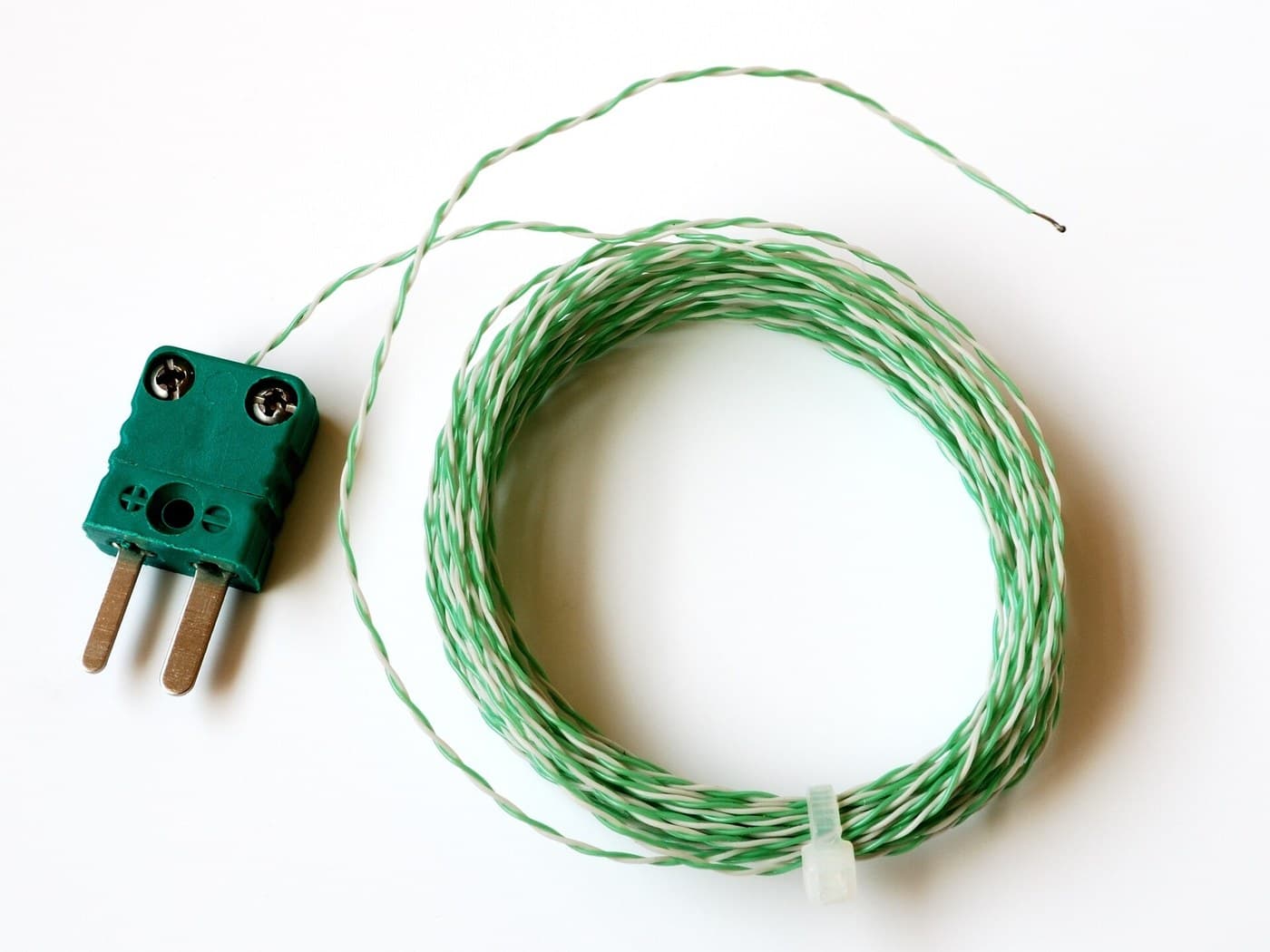
Measuring High Temperature: Thermocouples, Pyrometers, and What Each Lies About
láti ọwọ́ Penny
Iṣẹ́ Irin
24
0
0
0
0
0

Casting Iron in a Cupola Furnace — Re-Melting Pig Iron into Finished Castings
láti ọwọ́ Piett
Iṣẹ́ Irin
44
0
0
0
0
0
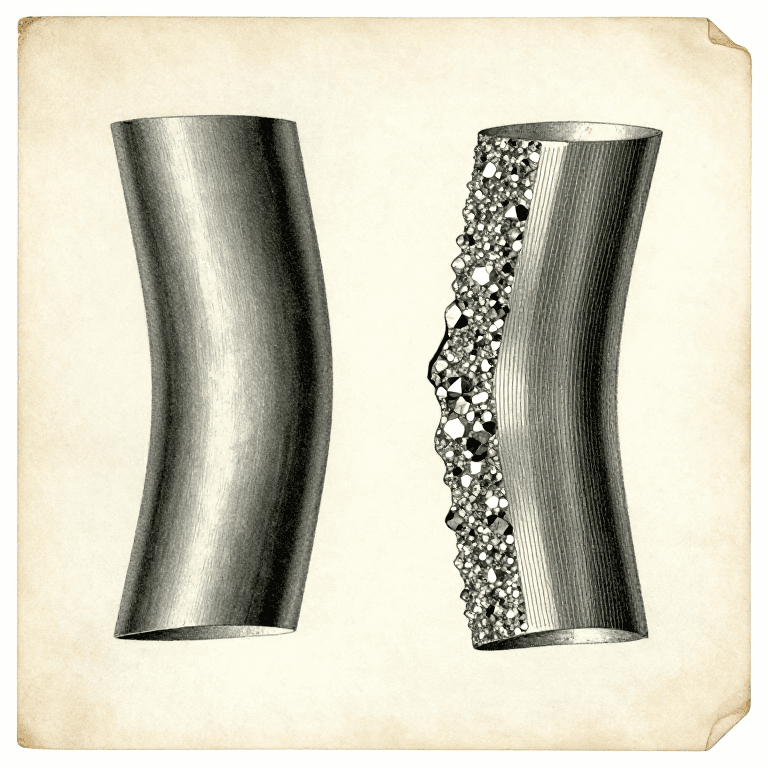
What Heat Costs: Scale, Grain Growth and Burnt Steel
láti ọwọ́ Forge
Iṣẹ́ Irin
20
0
0
0
0
0
CC0 Àgbègbè Gbogbogbò
Blueprint yìí ti jáde lábẹ́ CC0. O lè ṣe àdàkọ, yí padà, pín, àti lò láìsí ìyọ̀ǹda.
Ṣàtìlẹ́yìn Olùṣẹ́dá nípa rírà àwọn ọjà nipasẹ̀ Blueprint wọn Ẹ̀san Olùṣẹ́dá tí àwọn Olùtajà gbé kalẹ̀, tàbí ṣẹ̀dá àtúnṣe tuntun ti Blueprint yìí kí o sì fi sínú Blueprint rẹ gẹ́gẹ́ bí ìsopọ̀ láti pín owó-wíwọlé.