IṢẸ́ ỌNÀ
ẸWÀ ÀTI ÌLERA
IṢẸ́ ỌWỌ́
ÀṢÀ ÀTI ÌTÀN
ÌṢERÉ
ÀYÍKÁ
OÚNJẸ ÀTI OHUN MÍMU
REVERSE ENGINEERING
SÁYẸ́ǸSÌ
ERÉ ÌDÁRAYÁ
ÌMỌ̀-Ẹ̀RỌ
ÀWỌN OHUN WÍWỌ̀
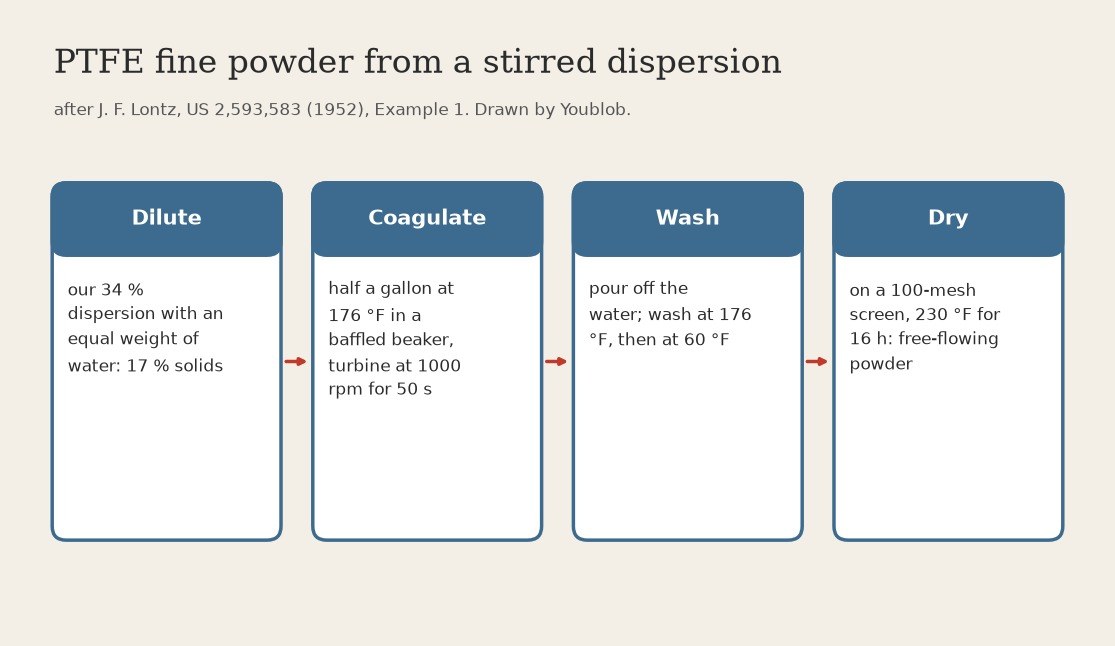


PTFE Fine Powder: a Dispersion Stirred Until It Curdles (Lontz 1952)
A PTFE dispersion is stable on the shelf, but stirred hard enough it curdles. Fifty seconds at 1000 rpm in a baffled beaker and the polymer floats up as a dry-looking, unwettable crumb. Washed and dried, it is a free-flowing powder for rolling into tape, or for cold lubricated extrusion.
Source: J. F. Lontz (du Pont), US 2,593,583 (1952), Example 1. Lontz started from a dispersion made with disuccinic acid peroxide; ours is Berry's persulfate dispersion, diluted to his 17 %. Picture drawn by Youblob.
Àárín
1 day
Ìlànà
1
1
Dilute the dispersion to 17 %
Dilute the dispersion to 17 %
Ours: stir the 34 % dispersion with an equal weight of distilled water to get 17 % solids, the strength Lontz used.
Àwọn ohun èlò fún ìgbésẹ̀ yìí:
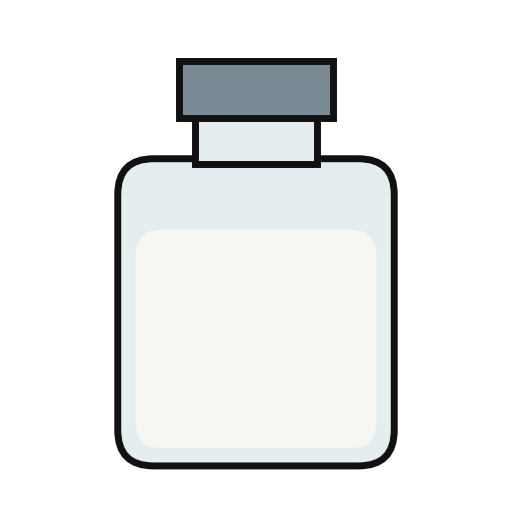 Ìtúká PTFE nínú omi1 part
 Omi Àyọ́1 part
Àwọn irinṣẹ́ tí a nílò:
 Òǹwọ̀n ìdọ́gba
 Ìgò Gílásì Onídìí
2
2
Set up the baffled beaker
Set up the baffled beaker
A 1-gallon stainless beaker, 6.5 in across and 7.5 in deep, with four baffles about ⅜ × 1 in hanging from the cover to within 3 in of the bottom. Stirrer: open turbine, 4 blades 1½ in high, 5 in across, reaching to within 1 in of the bottom.
Àwọn irinṣẹ́ tí a nílò:
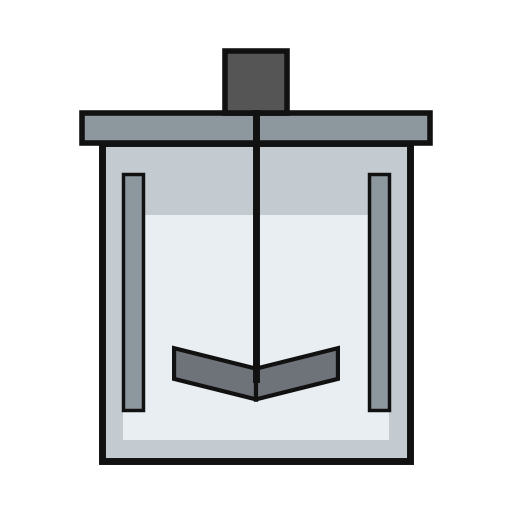 Táńkì ìrú tí ó ní àwọn ìdènà
 Ohun ìrúwé
3
3
Stir hard at 176 °F for 50 seconds
Stir hard at 176 °F for 50 seconds
Put in half a gallon of the 17 % dispersion and heat it to 176 °F (80 °C). Run the stirrer at 1000 rpm for 50 seconds (Lontz measured 0.72 hp per gallon). The polymer coagulates and floats, unwetted, on top.
Àwọn irinṣẹ́ tí a nílò:
Táńkì ìrú tí ó ní àwọn ìdènàOhun ìrúwé Pátákó Gbígbóná
 Ẹ̀rọ Ìwọ̀n Ooru
4
4
Wash hot, then cold
Wash hot, then cold
Pour off the water. Wash the polymer with hot water at 176 °F, then with cold water at 60 °F (16 °C), and drain.
Àwọn irinṣẹ́ tí a nílò:
Táńkì ìrú tí ó ní àwọn ìdènàẸ̀rọ Ìwọ̀n Ooru5
5
Dry at 230 °F for 16 hours
Dry at 230 °F for 16 hours
Spread the wet polymer on a 100-mesh screen and dry it in an oven at 230 °F (110 °C) for 16 hours. It comes out a free-flowing granular powder that passes 6–8 mesh.
Àwọn irinṣẹ́ tí a nílò:
 Ajọ àwọ̀n okùn tínrín
 Ààrò ìgbẹ̀Ìgò Gílásì Onídìí
Àwọn irinṣẹ́ tó nílò
8- Àyè
- Àyè
Ìtọ́nisọ́nà yìí ń ṣe
Blueprint tó jọra
Àwọn blueprint wọ̀nyí pín ìmọ̀ — ọ̀nà, ohun-èlò tàbí ìlànà
CC0 Àgbègbè Gbogbogbò
Blueprint yìí ti jáde lábẹ́ CC0. O lè ṣe àdàkọ, yí padà, pín, àti lò láìsí ìyọ̀ǹda.
Ṣàtìlẹ́yìn Olùṣẹ́dá nípa rírà àwọn ọjà nipasẹ̀ Blueprint wọn Ẹ̀san Olùṣẹ́dá tí àwọn Olùtajà gbé kalẹ̀, tàbí ṣẹ̀dá àtúnṣe tuntun ti Blueprint yìí kí o sì fi sínú Blueprint rẹ gẹ́gẹ́ bí ìsopọ̀ láti pín owó-wíwọlé.