IṢẸ́ ỌNÀ
ẸWÀ ÀTI ÌLERA
IṢẸ́ ỌWỌ́
ÀṢÀ ÀTI ÌTÀN
ÌṢERÉ
ÀYÍKÁ
OÚNJẸ ÀTI OHUN MÍMU
REVERSE ENGINEERING
SÁYẸ́ǸSÌ
ERÉ ÌDÁRAYÁ
ÌMỌ̀-Ẹ̀RỌ
ÀWỌN OHUN WÍWỌ̀
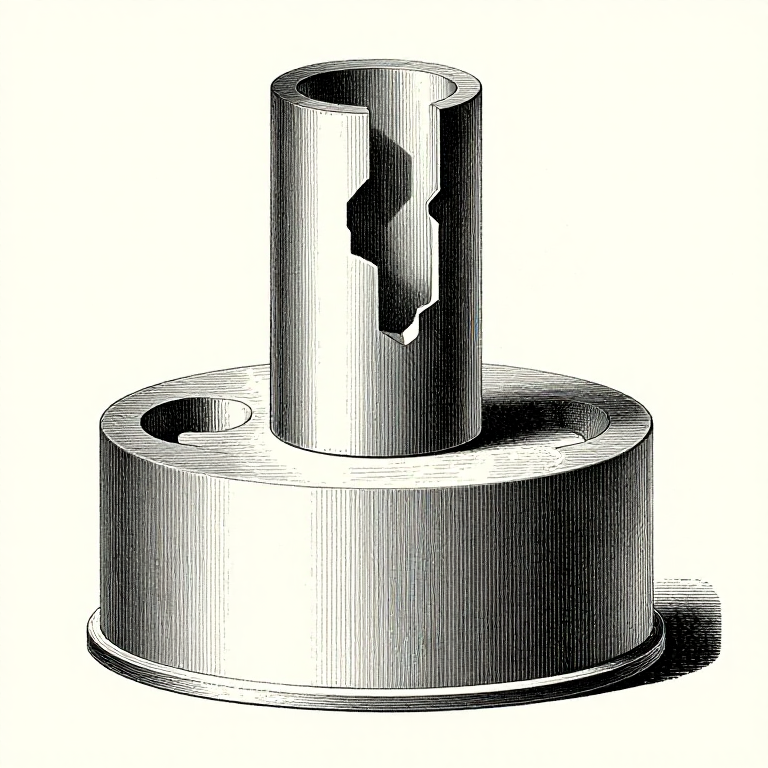


Risers: Metal Shrinks When It Freezes, and the Hole Goes Somewhere
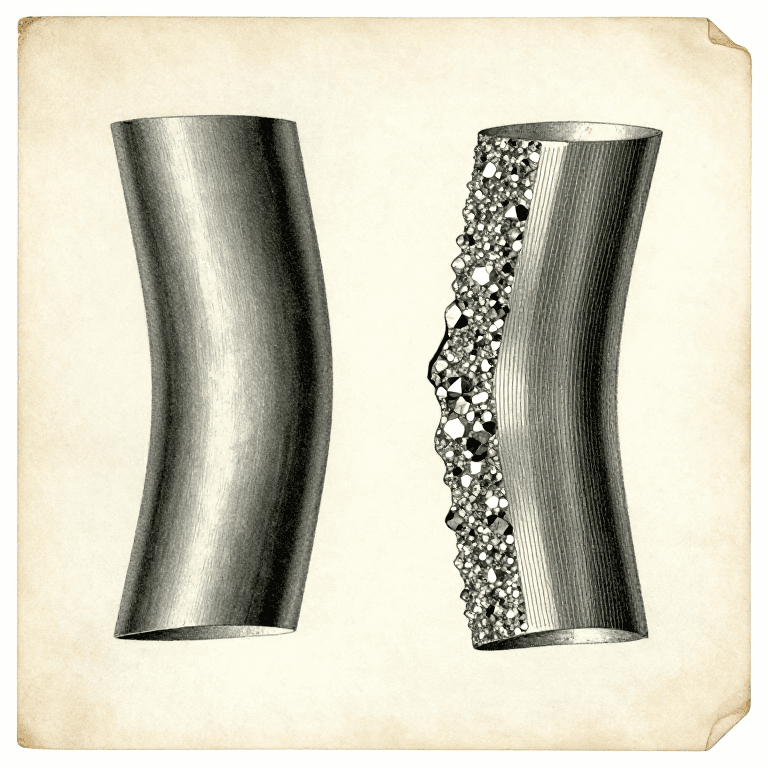
Almost every metal occupies less space solid than liquid. Bronze loses about 5% of its volume on freezing, steel about 3%, aluminium about 6% — and that volume has to come from somewhere.
If there is no reservoir feeding the casting, it comes out of the casting itself: a cavity, usually in the last place to freeze, usually inside a thick section where it cannot be seen until the part is machined or breaks.
A RISER is that reservoir. It is a lump of extra metal, connected to the casting, designed to stay liquid LONGER than the part it feeds — so when the casting contracts, the hole forms in the riser and the riser is cut off and remelted.
Ilọsíwájú
3 hours
Ìlànà
1
1
The riser must freeze last, which means it must be chunkier
The riser must freeze last, which means it must be chunkier
Ń ṣí ìwé Jupyter…
Àwọn ohun èlò fún ìgbésẹ̀ yìí:
 Ìdìwọ̀n idẹ dúdú1 ẹyọ
 Iyanrìn ìdàsílẹ̀1 kg
Àwọn irinṣẹ́ tí a nílò:
 Kọ̀ǹpútà Tábìlì
 Òṣùwọ̀n Kálípà Díjítà Ìnṣì 6
 Àpótí ìdàpọ̀ (òkè àti ìsàlẹ̀)
2
2
Feed from the top, and keep the path open
Feed from the top, and keep the path open
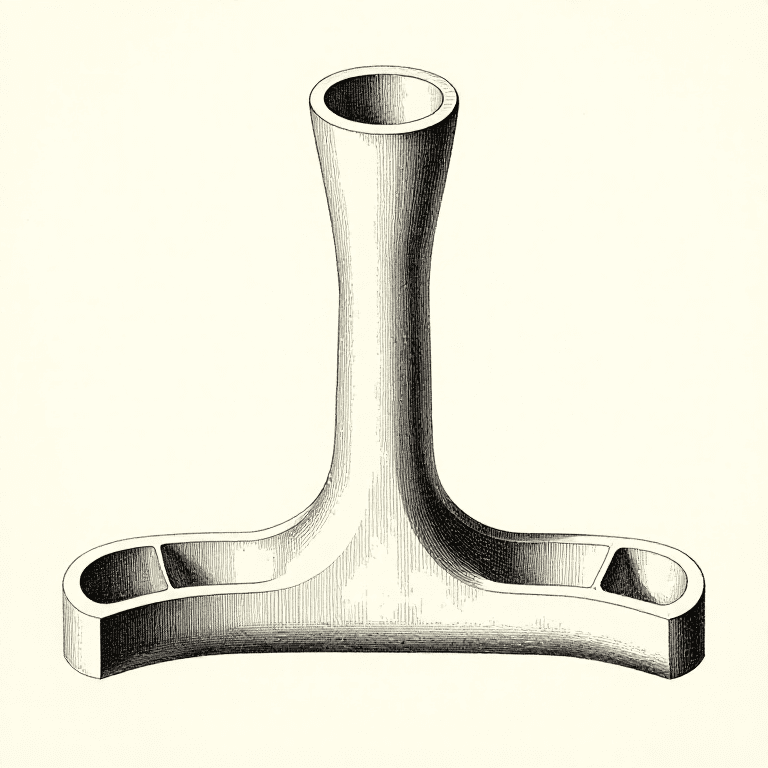
Gravity does the feeding, so a riser feeds downward and sideways over a limited distance — roughly four times the section thickness along a plate, and less in alloys that freeze over a wide temperature range.
The connection between riser and casting — the riser NECK — must stay liquid until the casting has finished shrinking. A long thin neck freezes first and cuts the riser off from the part it was supposed to feed.
So the neck is short and generous, and the riser sits directly on or beside the heavy section. A riser placed at the end of a thin plate in the hope of feeding a boss at the other end feeds nothing at all.
Àwọn ohun èlò fún ìgbésẹ̀ yìí:
Iyanrìn ìdàsílẹ̀1 kgÌdìwọ̀n idẹ dúdú1 ẹyọÀwọn irinṣẹ́ tí a nílò:
Àpótí ìdàpọ̀ (òkè àti ìsàlẹ̀)Òṣùwọ̀n Kálípà Díjítà Ìnṣì 63
3
Open risers, blind risers, and atmospheric pressure
Open risers, blind risers, and atmospheric pressure
An OPEN riser reaches the top of the mould, so air can push down on the metal as it feeds. It also lets you see when the mould is full and top it up at the end of the pour, which is genuinely useful.
A BLIND riser is enclosed in the sand. It stays hotter because it has no exposed surface, but as the metal drains out it needs air to replace it — otherwise a vacuum forms and stops the feeding.
That is what a WHISTLER or a permeable core in the riser top is for: a small passage that lets atmospheric pressure into the riser cavity. It is a small detail that makes the difference between a blind riser working and doing nothing at all.
Àwọn ohun èlò fún ìgbésẹ̀ yìí:
Iyanrìn ìdàsílẹ̀1 kgÀwọn irinṣẹ́ tí a nílò:
Àpótí ìdàpọ̀ (òkè àti ìsàlẹ̀) Ìdíwọ̀n
 Lúpù Ìgbéga
4
4
Budget the metal, including everything you cut off
Budget the metal, including everything you cut off
The gating and risers can easily weigh as much as the casting. That metal is not wasted — it is cut off and remelted — but it must be MELTED, and running out mid-pour ruins the casting and the mould together.
Weigh the pattern, multiply by the ratio of alloy density to pattern-material density, and add the gating and riser volumes. Then add a margin, because a crucible is never poured completely empty.
Write the actual numbers down after the pour: what went in, what came out as casting, what came off as gating. After a few pours those figures let you predict a melt accurately, which is the difference between a foundry that works and one that improvises.
Àwọn ohun èlò fún ìgbésẹ̀ yìí:
Ìdìwọ̀n idẹ dúdú1 ẹyọ Ìdì aluminium mímọ́ 99,7 % 450 g1 ẹyọ
Àwọn irinṣẹ́ tí a nílò:
 Òṣùwọ̀n Pípé
 Ìkòkò Ìyọ́ Irin
Àwọn ohun-èlò
3- 1 ẹyọÀyè
- 1 kgÀyè
- Àyè
Àwọn irinṣẹ́ tó nílò
7- Àyè
- Àyè
- Àyè
Blueprint tó jọra
Àwọn blueprint wọ̀nyí pín ìmọ̀ — ọ̀nà, ohun-èlò tàbí ìlànà


CC0 Àgbègbè Gbogbogbò
Blueprint yìí ti jáde lábẹ́ CC0. O lè ṣe àdàkọ, yí padà, pín, àti lò láìsí ìyọ̀ǹda.
Ṣàtìlẹ́yìn Olùṣẹ́dá nípa rírà àwọn ọjà nipasẹ̀ Blueprint wọn Ẹ̀san Olùṣẹ́dá tí àwọn Olùtajà gbé kalẹ̀, tàbí ṣẹ̀dá àtúnṣe tuntun ti Blueprint yìí kí o sì fi sínú Blueprint rẹ gẹ́gẹ́ bí ìsopọ̀ láti pín owó-wíwọlé.