IṢẸ́ ỌNÀ
ẸWÀ ÀTI ÌLERA
IṢẸ́ ỌWỌ́
ÀṢÀ ÀTI ÌTÀN
ÌṢERÉ
ÀYÍKÁ
OÚNJẸ ÀTI OHUN MÍMU
REVERSE ENGINEERING
SÁYẸ́ǸSÌ
ERÉ ÌDÁRAYÁ
ÌMỌ̀-Ẹ̀RỌ
ÀWỌN OHUN WÍWỌ̀
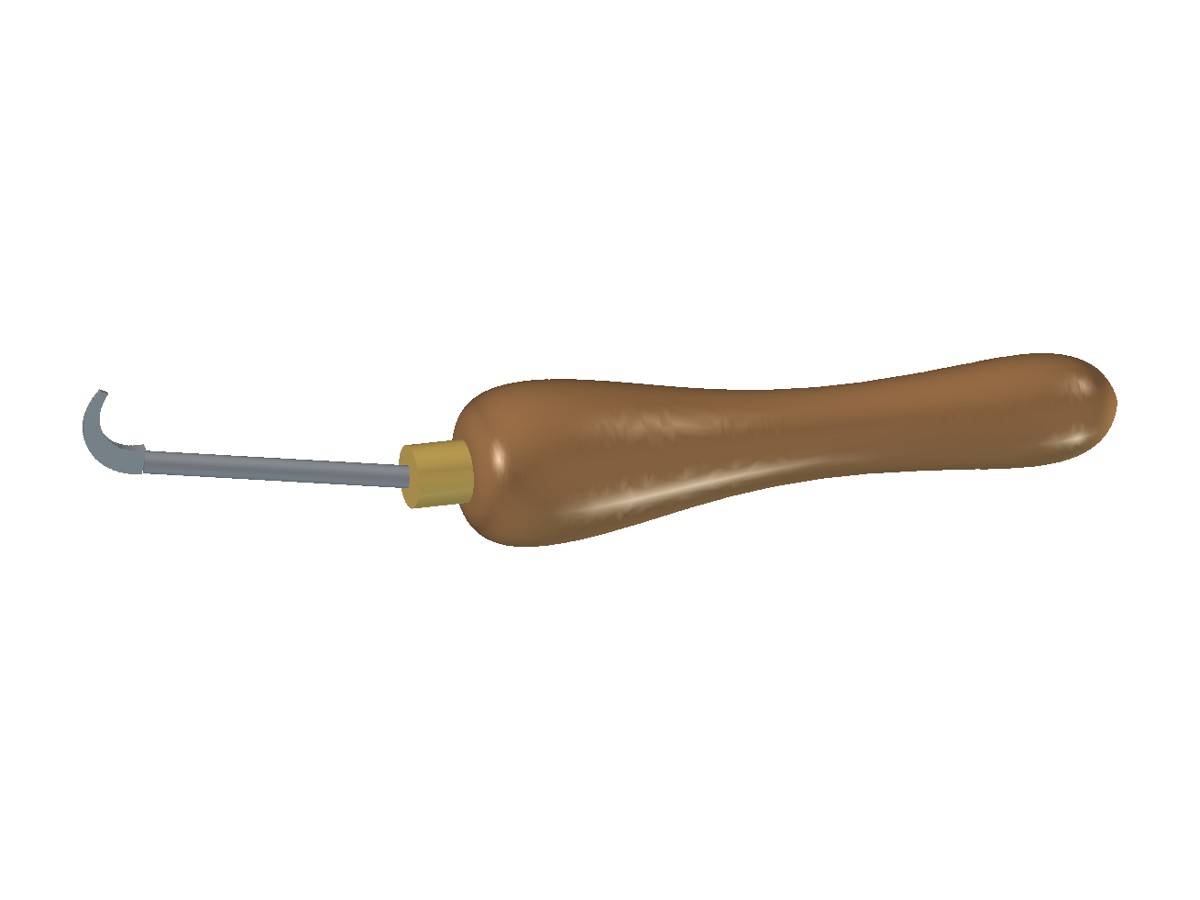


Seam Ripper: a Hook Blade with a Flat Under Face on an Upturned Shank (after Beavin, 1945)
A seam ripper forged from piano wire: a small hook-shaped blade, flat underneath so it slides on the cloth, sharpened on the inside of its curve to cut stitches without cutting the fabric, on a shank bent up so your hand clears the work. Alfred Beavin patented this shape in 1945.
Àárín
About 3 hours
Ìlànà
1
1
How a seam ripper is used
How a seam ripper is used
Unpicking stitches without hurting the fabric (Wendi Gratz). Ours is a single hook blade that slides on its flat side.
2
2
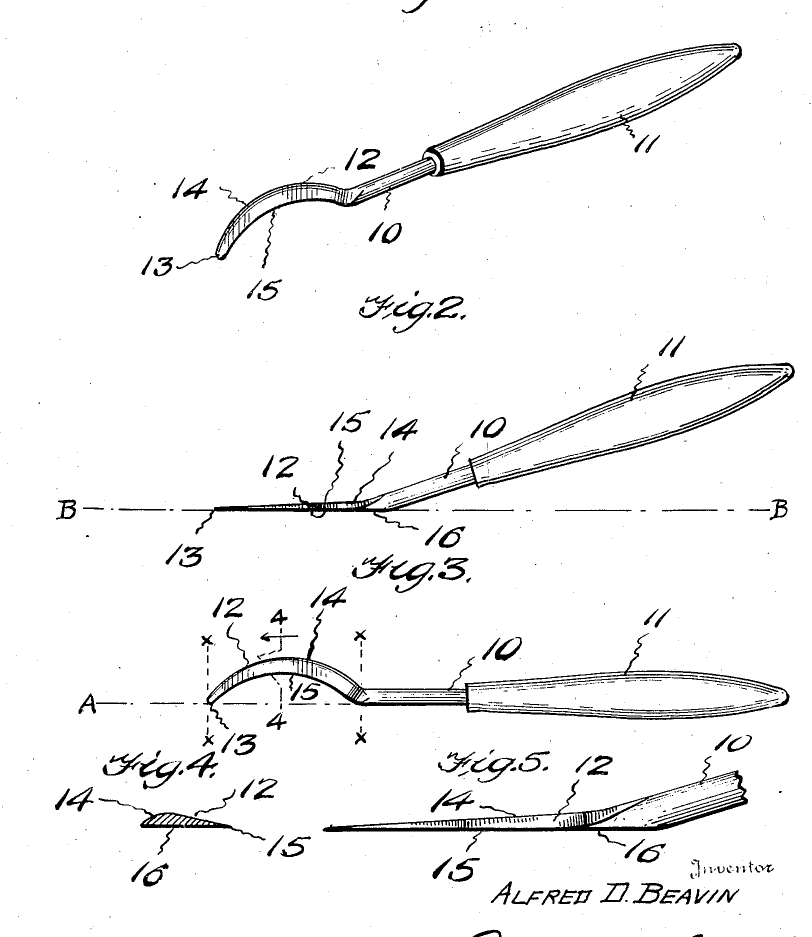
Beavin's seam ripper, 1945
Beavin's seam ripper, 1945
US 2,370,440: a hook-like blade 12 curved to one side of the shank, its rounded apex 13 in line with the shank's edge; bevelled on top from the convex back 14 to the concave cutting edge 15; a flat under face 16 that slides on the cloth so the edge cuts the thread with a shearing action; the shank 10 bent up so the hand clears the work; the blade tempered.
3
3
Forge the blade
Forge the blade
Cut 70 mm of 3 mm piano wire. Heat the last 25 mm to a bright red and hammer it flat on the anvil, about 1.2 mm thick and 4 mm wide, thinner towards the tip. While hot, bend the flat end sideways round the nose of the pliers into a hook about 8 mm in radius, its tip in line with the edge of the shank. Bend the shank up about 15 degrees just behind the hook.
Àwọn ohun èlò fún ìgbésẹ̀ yìí:
 Okùn duru1 piece (3 mm, 70 mm)
Àwọn irinṣẹ́ tí a nílò:
 Ayùn Irin
 Ọ̀pá Iná Pùróféènì
 Òòlù olórí bọ́ọ̀lù
 Ìdí Alágbẹ̀dẹ
 Ẹ̀mú Olórí Yíká
 Ẹmú Ẹnu Pẹrẹsẹ
 Ìbọ̀wọ́ Tí Ń Fara Da Ooru
 Gíláàsì ààbò
 Òṣùwọ̀n Kálípà Díjítà Ìnṣì 6
4
4
File and grind the edge
File and grind the edge
File the under face dead flat. File the top face as a bevel from the outer curve down to the inner curve, which becomes the edge, and taper it towards the tip. Round the tip smooth so it slips under a stitch without snagging.
Àwọn irinṣẹ́ tí a nílò:
 Ìfá Irin
 Àkójọ Ìfá Kékeré
 Ìdìmú Tábìlì
5
5
Harden and temper
Harden and temper
Heat the hook until a magnet no longer sticks and quench in warm cooking oil. Clean it bright and temper in the oven at 200 degrees C for one hour (light straw).
Àwọn ohun èlò fún ìgbésẹ̀ yìí:
 Òróró ìdáná0.5 l
Àwọn irinṣẹ́ tí a nílò:
Ọ̀pá Iná Pùróféènì Magnẹ́ẹ̀tì Kékeré
 Àpótí ìtutù
 Ààrò
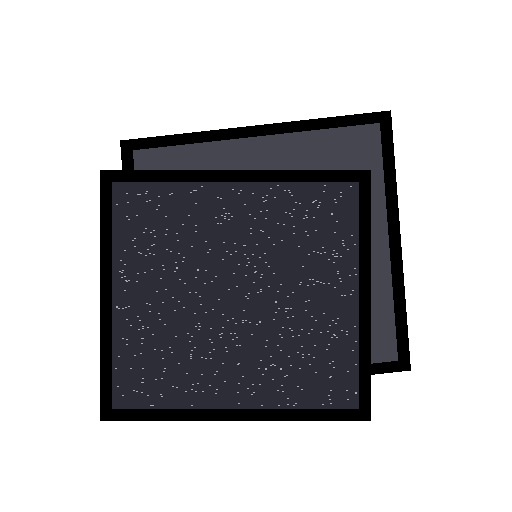 Bébà emeryÌbọ̀wọ́ Tí Ń Fara Da Ooru
6
6
Fit the handle
Fit the handle
Shape 90 mm of hardwood dowel to a comfortable grip. Drill a 3 mm hole 35 mm deep in one end, fit 10 mm of brass tube over that end as a ferrule, and glue the shank in with epoxy.
Àwọn ohun èlò fún ìgbésẹ̀ yìí:
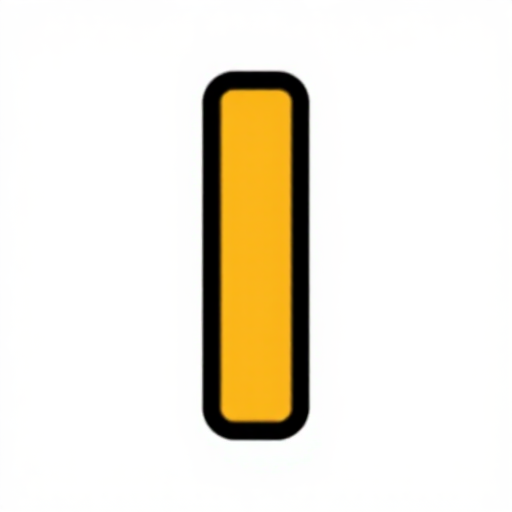 Àwọn dowel igi líle1 piece (16 mm, 90 mm)
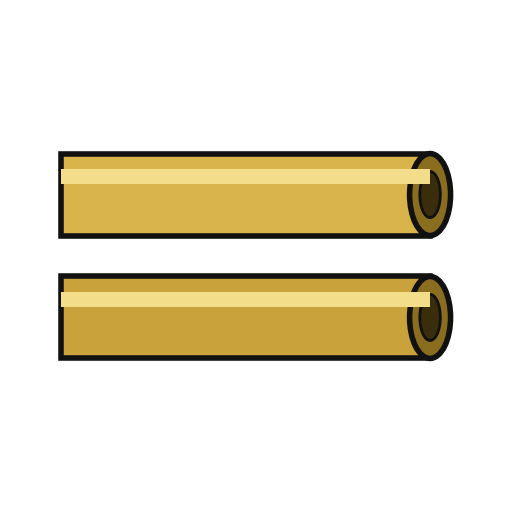 Ọ̀pá idẹ1 piece (about 8 mm, 10 mm)
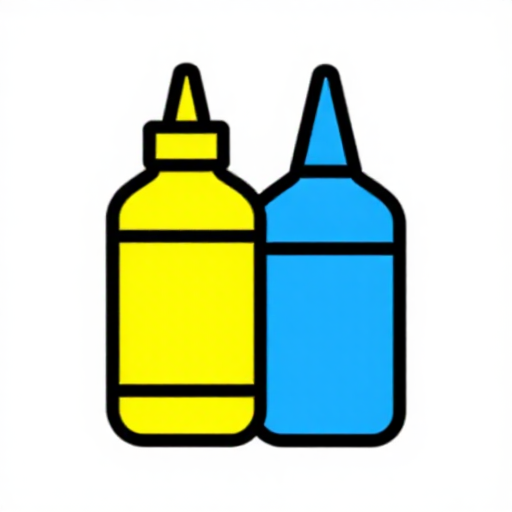 Resini epoxy2 g
Àwọn irinṣẹ́ tí a nílò:
 Rásípù igi
 Bébà Ìfá
 Àkójọ Orí ÌlùkòkòÌdìmú TábìlìAyùn Irin
7
7
Hone and use
Hone and use
Hone the inner edge on the stone, keeping the under face flat. To rip, lay the flat face on the cloth, slip the tip under a stitch, and draw the tool along the seam.
Àwọn irinṣẹ́ tí a nílò:
 Òkúta Ìpọ́n
8
8
Troubleshooting
Troubleshooting
Ripper problems and fixes.
Flow
Loading...
9
9
History and honest limits
History and honest limits
Alfred D. Beavin, Eastport, Maryland: US 2,370,440, "Seam Ripper", filed 10 August 1944, granted 27 February 1945. He gives no sizes or steel: ours are 3 mm piano wire, the blade sizes, the handle and the heat treatment. Not made by us yet.
Àwọn ohun-èlò
5- 1 piece (3 mm, 70 mm)Àyè
- 0.5 lÀyè
- 1 piece (16 mm, 90 mm)Àyè
- 1 piece (about 8 mm, 10 mm)Àyè
- 2 gÀyè
Àwọn irinṣẹ́ tó nílò
20- Àyè
- Àyè
- Àyè
- Àyè
- Àyè
- Àyè
- Àyè
- Àyè
- Àyè
- Àyè
Ìtọ́nisọ́nà yìí ń ṣe
Blueprint tó jọra
Àwọn blueprint wọ̀nyí pín ìmọ̀ — ọ̀nà, ohun-èlò tàbí ìlànà
CC0 Àgbègbè Gbogbogbò
Blueprint yìí ti jáde lábẹ́ CC0. O lè ṣe àdàkọ, yí padà, pín, àti lò láìsí ìyọ̀ǹda.
Ṣàtìlẹ́yìn Olùṣẹ́dá nípa rírà àwọn ọjà nipasẹ̀ Blueprint wọn Ẹ̀san Olùṣẹ́dá tí àwọn Olùtajà gbé kalẹ̀, tàbí ṣẹ̀dá àtúnṣe tuntun ti Blueprint yìí kí o sì fi sínú Blueprint rẹ gẹ́gẹ́ bí ìsopọ̀ láti pín owó-wíwọlé.