IṢẸ́ ỌNÀ
ẸWÀ ÀTI ÌLERA
IṢẸ́ ỌWỌ́
ÀṢÀ ÀTI ÌTÀN
ÌṢERÉ
ÀYÍKÁ
OÚNJẸ ÀTI OHUN MÍMU
REVERSE ENGINEERING
SÁYẸ́ǸSÌ
ERÉ ÌDÁRAYÁ
ÌMỌ̀-Ẹ̀RỌ
ÀWỌN OHUN WÍWỌ̀


Sew-In Interfacing: Cotton Shrunk Overnight Before Cutting
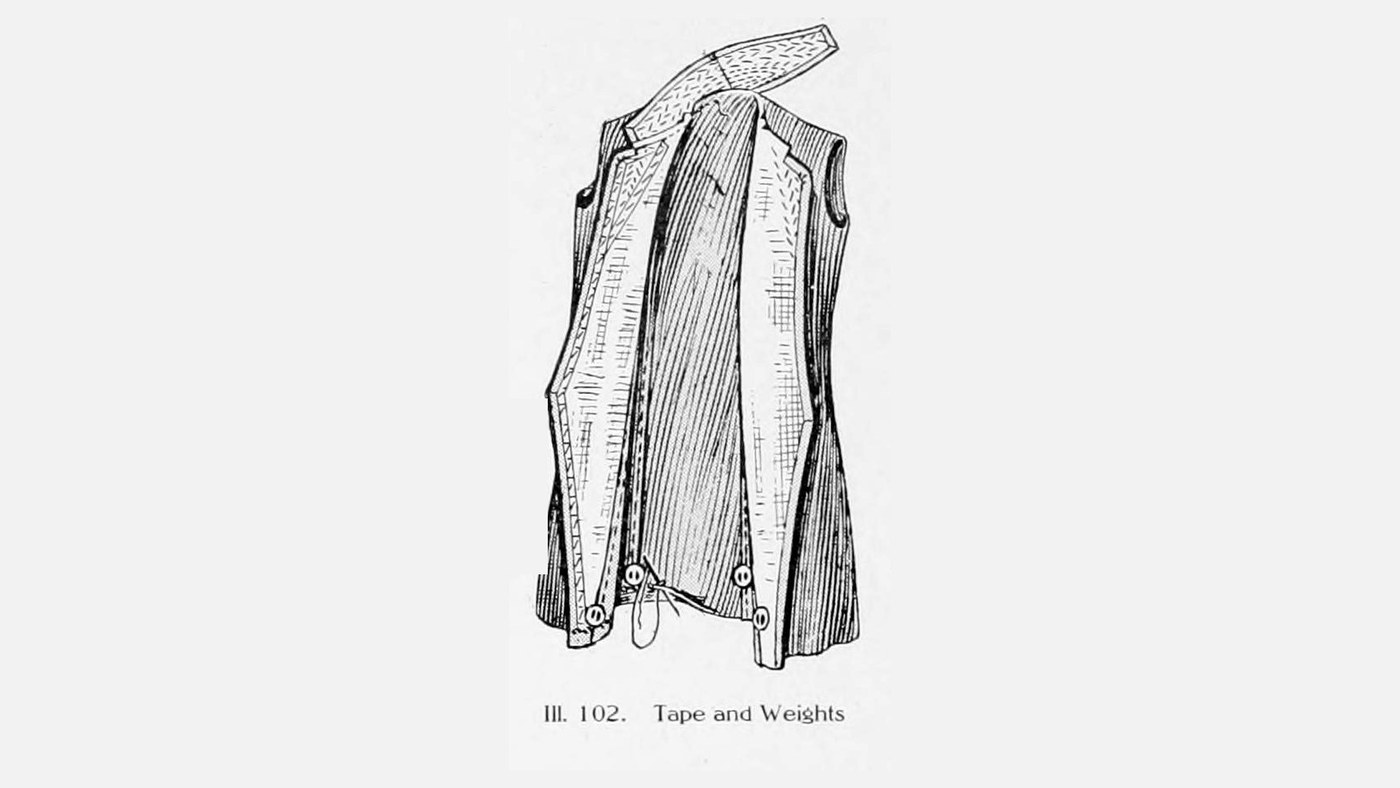
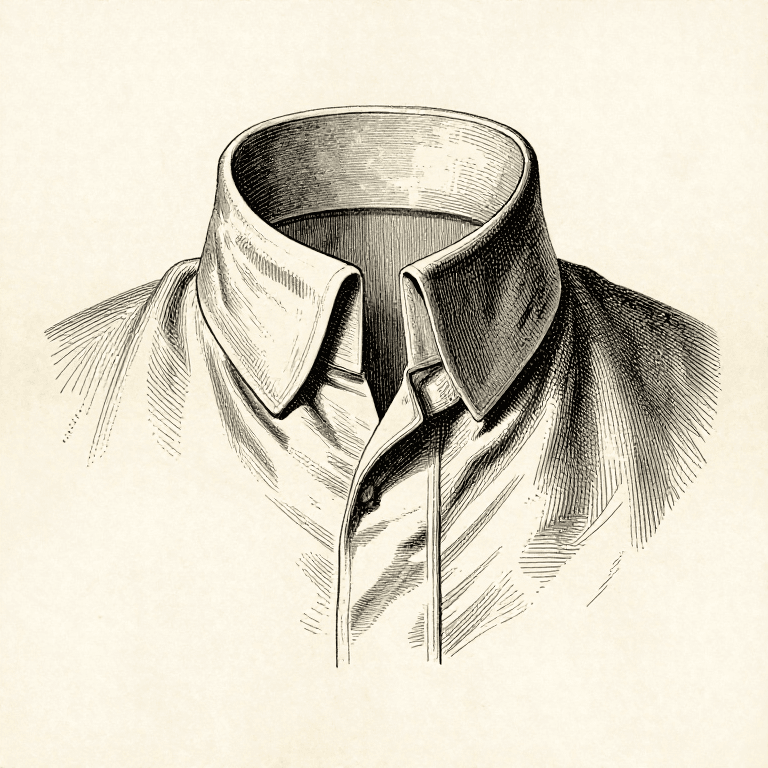
The cloth basted inside a collar or coat front to give it body is only useful if it has been shrunk first: otherwise, as Butterick's New Dressmaker (1921) warns, it "will shrink on the first damp day and will draw in and wrinkle the coat". This is the book's sponging method: roll the cloth up with a damp muslin overnight, press it dry, then cut it by the pattern.
Butterick names soft canvas, cotton serge or cambric for wool, and butchers' linen, cambric or muslin for linen; ours is cotton muslin. The picture: the book's Ill. 102.
Olùbẹ̀rẹ̀
Overnight + 30 minutes
Ìlànà
1
1
Choose the cloth
Choose the cloth
For wool: soft pliable canvas, cotton serge or cambric. For linen: butchers' linen, cambric or muslin. For silk: cotton serge, sateen or cambric. Ours: cotton muslin.
Àwọn ohun èlò fún ìgbésẹ̀ yìí:
 Aṣọ Mọ́sìlínì Òwú1 ẹyọ
2
2
Clip the selvedge
Clip the selvedge
Cut off the selvedge, or clip it at intervals, so it cannot pull the cloth as it shrinks.
Àwọn irinṣẹ́ tí a nílò:
 Ìṣẹ́ná
3
3
Lay it out
Lay it out
Lay the cloth face down on the table over an ironing blanket. Ours: the ironing board.
Àwọn irinṣẹ́ tí a nílò:
 Pátákó ìlọṣọ
4
4
Damp the sponging cloth
Damp the sponging cloth
Wet a strip of heavy unbleached muslin, as wide as your cloth and half as long, in cold water and wring it out.
Àwọn irinṣẹ́ tí a nílò:
 Aṣọ muslin
 Omi
5
5
Fold and roll
Fold and roll
Spread it without wrinkles over half the cloth, fold the other half over it, and roll the two up tightly together.
Àwọn irinṣẹ́ tí a nílò:
Aṣọ muslin6
6
Leave it overnight
Leave it overnight
Leave the roll overnight, covered with a piece of muslin and some newspapers to keep the moisture in.
Àwọn irinṣẹ́ tí a nílò:
Aṣọ muslin Ìwé ìròyìn (ìtẹ́)
7
7
Unroll and press dry
Unroll and press dry
In the morning unroll it, pressing the cloth dry on the wrong side as you go.
Àwọn irinṣẹ́ tí a nílò:
 Irin Ìfọṣọ AṣọPátákó ìlọṣọ
8
8
Cut by the pattern
Cut by the pattern
Cut the interfacing by the garment pattern. For a strictly tailored collar, cut it 3/8 inch smaller than the pattern at all edges. Baste it to the wrong side of the garment.
Àwọn irinṣẹ́ tí a nílò:
Ìṣẹ́náÀwọn ohun-èlò
1- 1 ẹyọÀyè
Ìtọ́nisọ́nà yìí ń ṣe
Blueprint tó jọra
Àwọn blueprint wọ̀nyí pín ìmọ̀ — ọ̀nà, ohun-èlò tàbí ìlànà
CC0 Àgbègbè Gbogbogbò
Blueprint yìí ti jáde lábẹ́ CC0. O lè ṣe àdàkọ, yí padà, pín, àti lò láìsí ìyọ̀ǹda.
Ṣàtìlẹ́yìn Olùṣẹ́dá nípa rírà àwọn ọjà nipasẹ̀ Blueprint wọn Ẹ̀san Olùṣẹ́dá tí àwọn Olùtajà gbé kalẹ̀, tàbí ṣẹ̀dá àtúnṣe tuntun ti Blueprint yìí kí o sì fi sínú Blueprint rẹ gẹ́gẹ́ bí ìsopọ̀ láti pín owó-wíwọlé.