IṢẸ́ ỌNÀ
ẸWÀ ÀTI ÌLERA
IṢẸ́ ỌWỌ́
ÀṢÀ ÀTI ÌTÀN
ÌṢERÉ
ÀYÍKÁ
OÚNJẸ ÀTI OHUN MÍMU
REVERSE ENGINEERING
SÁYẸ́ǸSÌ
ERÉ ÌDÁRAYÁ
ÌMỌ̀-Ẹ̀RỌ
ÀWỌN OHUN WÍWỌ̀
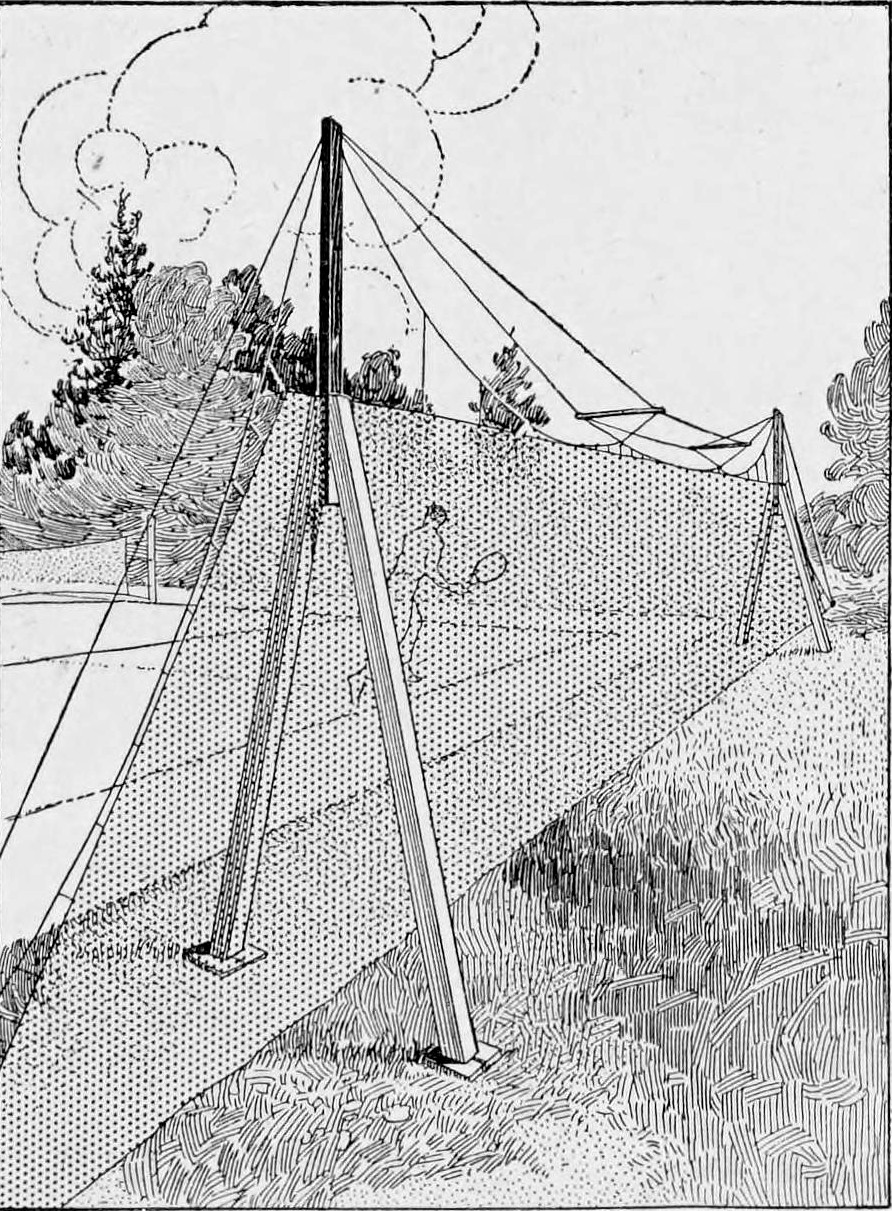


Knock-Down Tennis-Court Backstop: Guyed Yellow-Pine Towers on the Ground and Hooked-Down Netting (Boy Mechanic, 1919)
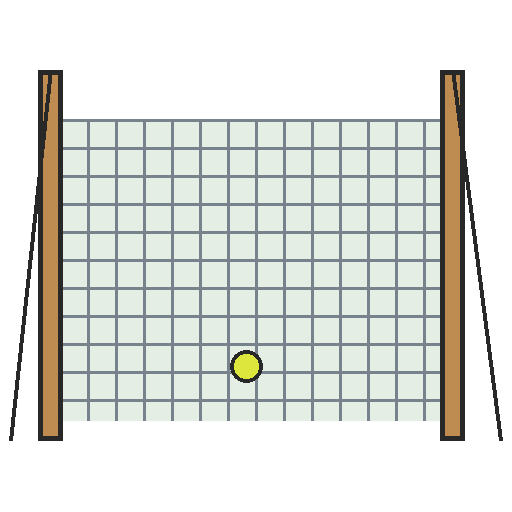
Edward R. Smith's take-down tennis backstop from The Boy Mechanic, Book 3 (1919): two towers about 14 ft high and 50 ft apart, of 4 x 4 and 2 x 4 in yellow pine, stand on brick footings and are guyed with heavy wire; the wire netting hangs from supporting wires on 2 ft crossarms and is hooked to tent stakes at the bottom, so the whole rig comes down between seasons.
Àárín
About 2 days
Ìlànà
1
1
Sizes and wire gauges
Sizes and wire gauges
Ń ṣí ìwé Jupyter…
2
2
Read The Boy Mechanic, Book 3
Read The Boy Mechanic, Book 3
"Instead of setting the supports in the ground, they are set on the ground, and guyed by a system of wire braces."
3
3
Build the towers and footings
Build the towers and footings
Build two towers about 14 ft high from sound 4 by 4 in and 2 by 4 in yellow-pine timber, to stand 50 ft apart. Make brick foundations, anchored into the ground, for them to stand on, and sink anchors in the ground beyond each end.
Àwọn ohun èlò fún ìgbésẹ̀ yìí:
 Igi pine6 ẹyọ
 Ìṣó1 ẹyọ
 Bọ́ọ̀tù orí róbótó4 ẹyọ
 Bíríkì20 ẹyọ
Àwọn irinṣẹ́ tí a nílò:
 Ayùn Ọwọ́
 Ìlù ọwọ́ pẹ̀lú orí
 Òòlù
 Ọkọ́
 Okùn Ìdíwọ̀n
4
4
Guy the towers
Guy the towers
Fasten end braces of heavy wire (No. 9) to the top of each tower and guy them to the sunken anchors; they carry the weight of the netting and let a ladder lean safely on the guyed end of a tower.
Àwọn ohun èlò fún ìgbésẹ̀ yìí:
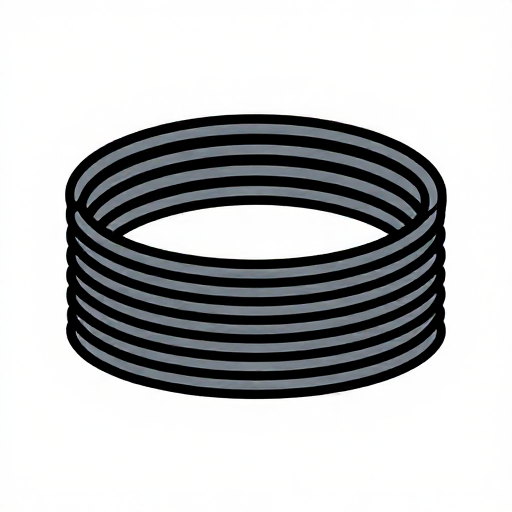 Okùn Irin Tí A Fi Sinkì Bò1 ẹyọ
Àwọn irinṣẹ́ tí a nílò:
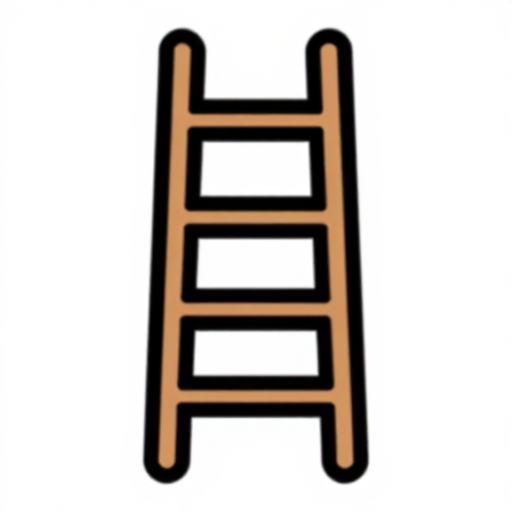 Àkàbà igi
 Ẹmú Ẹnu Pẹrẹsẹ
5
5
Rig the supporting wires and hang the netting
Rig the supporting wires and hang the netting
Run the supporting wires (No. 20 gauge, as printed) between the towers on crossarms of 1 by 1 in wood, 2 ft long, which stop side motion at the top; wire them to the netting and draw them up so it is fairly taut. Add more supporting wires with vertical leaders to the netting to draw its whole length taut. Let the netting run under the towers, held there by wires, nearly to the end guys.
Àwọn ohun èlò fún ìgbésẹ̀ yìí:
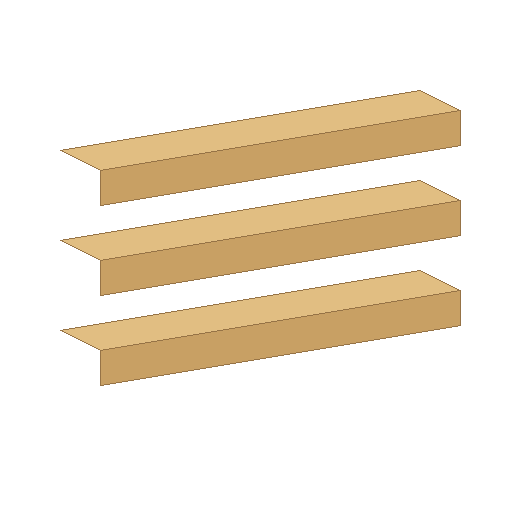 Igi tẹ́ẹ́rẹ́ rírọ̀2 ẹyọOkùn Irin Tí A Fi Sinkì Bò1 ẹyọ
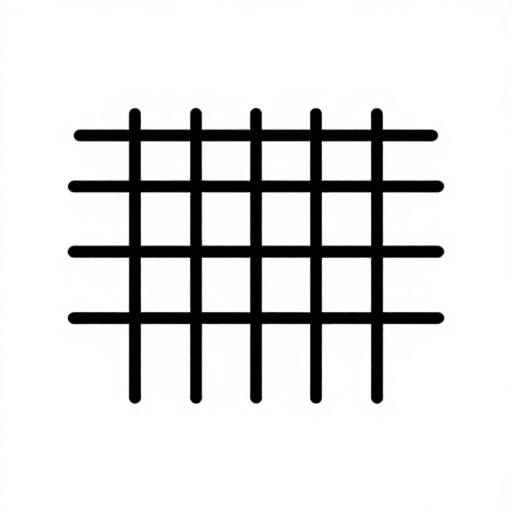 Ẹ̀wọ̀n waya tí a fi zinc bò1 ẹyọ
Àwọn irinṣẹ́ tí a nílò:
Àkàbà igiẸmú Ẹnu PẹrẹsẹAyùn Ọwọ́6
6
Hook down the bottom and mark the guys
Hook down the bottom and mark the guys
Hold the lower edge of the netting down with hooks pinned to the ground by tent stakes, so it can be unhooked to mow. Tie a white flag to each guy wire about 6 ft from the ground so players see it.
Àwọn ohun èlò fún ìgbésẹ̀ yìí:
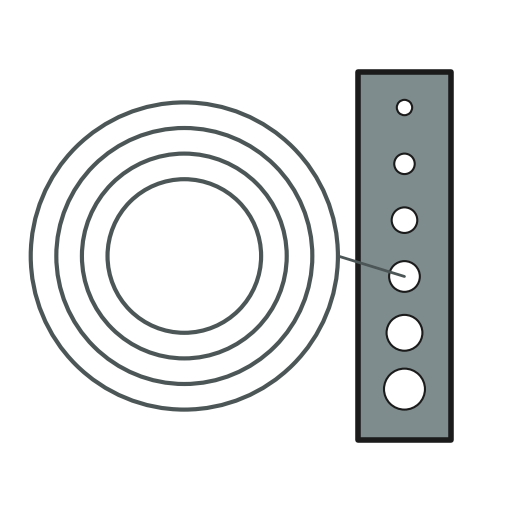 Wáyà irin1 ẹyọ
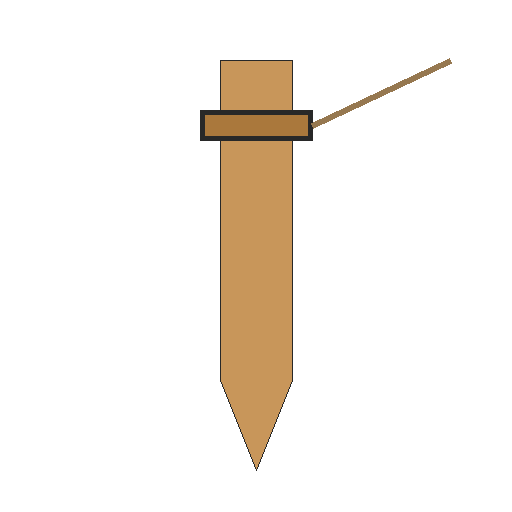 Tent Stake12 ẹyọ
 Àsíá2 ẹyọ
Àwọn irinṣẹ́ tí a nílò:
ÒòlùẸmú Ẹnu Pẹrẹsẹ7
7
Season and troubleshooting
Season and troubleshooting
Backstop troubleshooting.
Flow
Loading...
8
8
History and honest limits
History and honest limits
From "A Knock-Down Tennis-Court Backstop" by Edward R. Smith, in **The Boy Mechanic, Book 3**, Popular Mechanics, 1919 (Project Gutenberg 71856; checked on the archive.org scan boymechanic0003unse, p. 189). He gives no netting height or mesh, no tower framing details and no anchor type, and No. 20 gauge for the supporting cables is as printed. The tools and metric figures are ours.
Àwọn ohun-èlò
10- 6 ẹyọÀyè
- 1 ẹyọÀyè
- 4 ẹyọÀyè
- 20 ẹyọÀyè
- Àyè
- 2 ẹyọÀyè
- Àyè
- 1 ẹyọÀyè
- 12 ẹyọÀyè
- 2 ẹyọÀyè
Ìtọ́nisọ́nà yìí ń ṣe
Blueprint tó jọra
Àwọn blueprint wọ̀nyí pín ìmọ̀ — ọ̀nà, ohun-èlò tàbí ìlànà
CC0 Àgbègbè Gbogbogbò
Blueprint yìí ti jáde lábẹ́ CC0. O lè ṣe àdàkọ, yí padà, pín, àti lò láìsí ìyọ̀ǹda.
Ṣàtìlẹ́yìn Olùṣẹ́dá nípa rírà àwọn ọjà nipasẹ̀ Blueprint wọn Ẹ̀san Olùṣẹ́dá tí àwọn Olùtajà gbé kalẹ̀, tàbí ṣẹ̀dá àtúnṣe tuntun ti Blueprint yìí kí o sì fi sínú Blueprint rẹ gẹ́gẹ́ bí ìsopọ̀ láti pín owó-wíwọlé.